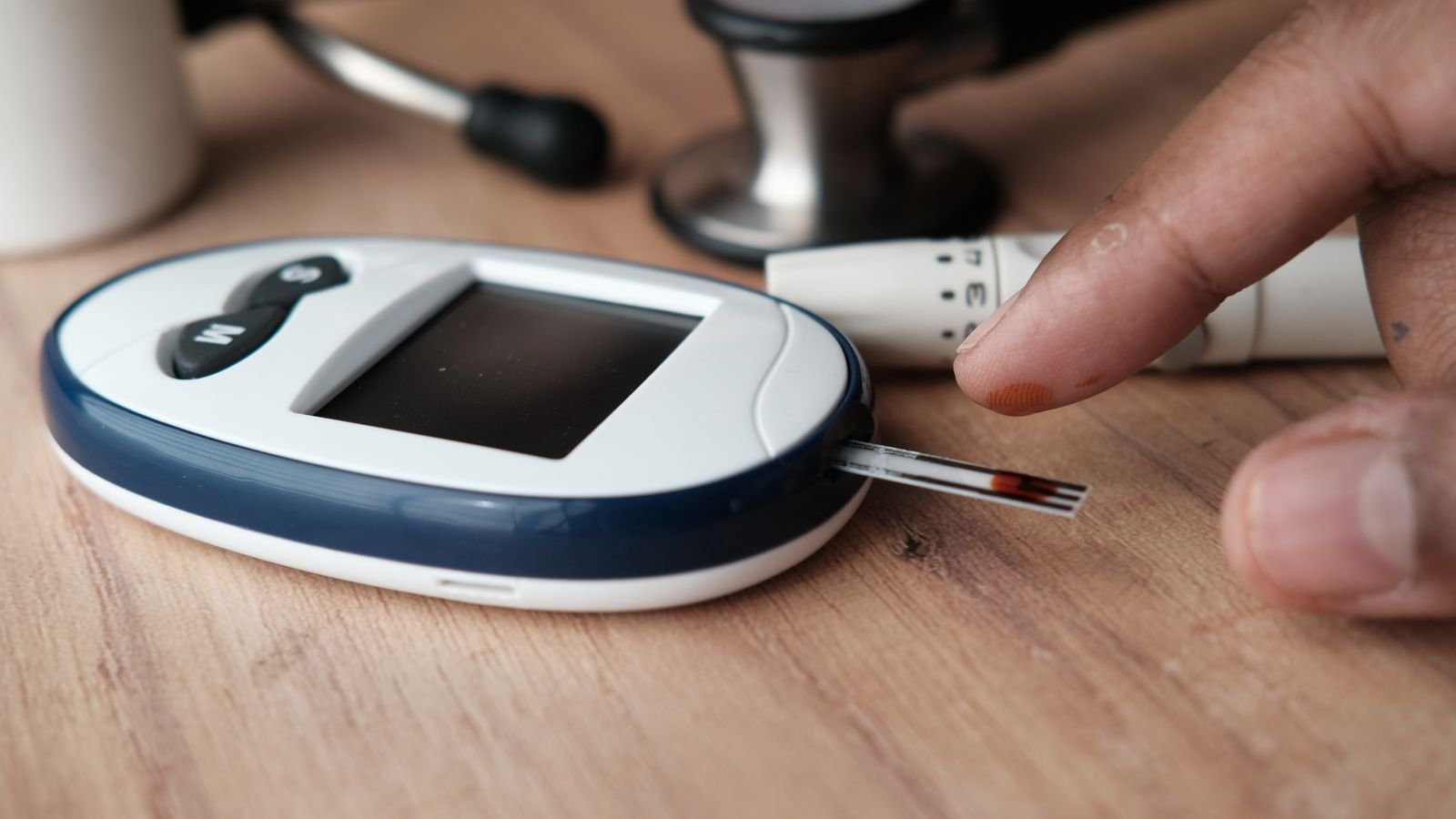
Your lab report says “Fasting Glucose: 108 mg/dL” and a tiny star sits next to it. Is that bad? Is it diabetes? Should you panic, or ignore it until next year?
Here’s the short answer: 108 isn’t diabetes, but it isn’t normal either. It falls in the prediabetes range, and that’s the range where small changes make the biggest difference. Below are the normal blood sugar levels for every common test, in plain language, with the exact numbers doctors use.
This article is for information only and isn’t medical advice. Please consult a doctor about your own reports.
⚡ Key takeaways
- Normal fasting blood sugar is below 100 mg/dL. 100–125 is prediabetes. 126 or higher suggests diabetes.
- Normal HbA1c is below 5.7%. 5.7–6.4% is prediabetes. 6.5% or higher suggests diabetes.
- A diagnosis usually needs a repeat test on another day.
- India has an estimated 101 million people with diabetes and 136 million with prediabetes (ICMR-INDIAB study).
Normal Blood Sugar Levels: The Numbers at a Glance
These are the widely used cut-offs from the American Diabetes Association’s diagnosis guide.
| Test | Normal | Prediabetes | Diabetes |
|---|---|---|---|
| Fasting blood sugar (FBS) | Below 100 mg/dL | 100–125 mg/dL | 126 mg/dL or higher |
| HbA1c | Below 5.7% | 5.7–6.4% | 6.5% or higher |
| 2-hour glucose tolerance test (OGTT) | Below 140 mg/dL | 140–199 mg/dL | 200 mg/dL or higher |
| Random blood sugar (with symptoms) | Not used to call “normal” | Not used | 200 mg/dL or higher |
Save this table. It’s what you’ll want the next time a report lands on WhatsApp from the lab.
What Each Test on Your Report Means
Fasting blood sugar (FBS)
This is your sugar level after not eating or drinking anything except water for at least 8 hours, according to the ADA. It’s usually done first thing in the morning. A cup of chai with sugar before the test? That makes the result unreliable, so wait until after the sample.
HbA1c
HbA1c shows your average blood sugar over the past two to three months. You don’t need to fast for it. Because it’s an average, one sweet-heavy wedding dinner won’t swing it much, which is why many doctors like it for screening.
Post-meal and OGTT
In an oral glucose tolerance test, you drink a measured sweet drink and your blood is tested two hours later. It shows how well your body handles sugar. Many Indian labs also offer a “PP” (post-prandial) test after a normal meal. Ask your doctor how to read it, because it isn’t the same as a standard OGTT.
Why One High Reading Isn’t a Diagnosis
The ADA says each test usually needs to be repeated on another day to diagnose diabetes. Stress, illness, poor sleep or not fasting properly can push a single reading up.
There’s one exception. If your sugar is very high and you also have classic symptoms, a doctor may diagnose diabetes from a single test. That’s why the symptoms below matter.
⚠️ Watch out
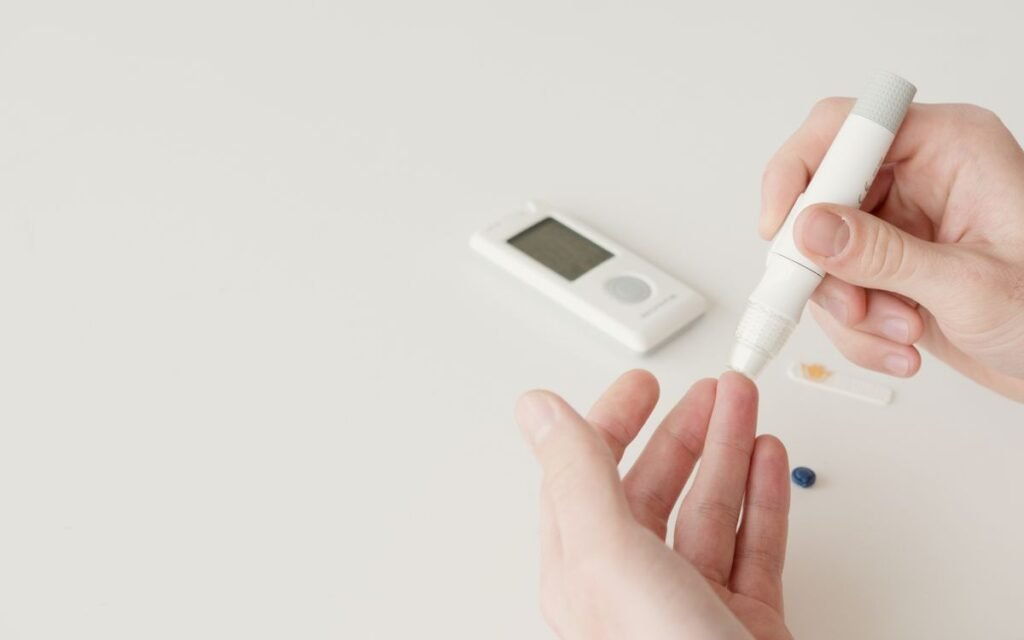
Don’t start or stop any diabetes medicine based on a single home glucometer reading. Home meters are useful for tracking, but a diagnosis needs lab tests and a doctor.
 Also readAlways Tired? It Could Be Vitamin B12 Deficiency (Signs to Check)
Signs Your Blood Sugar May Be High
According to the NHS, the most common symptoms of type 2 diabetes are:
- Feeling very tired
- Peeing more than usual
- Feeling thirsty all the time
- Losing weight without trying
Other signs include blurred vision, cuts that heal slowly and repeated genital itching or thrush. The NHS also notes that not everyone gets symptoms, and they may develop gradually. That’s the real reason testing matters.
Why Indians Should Test Earlier
The NHS lists people from a South Asian background aged over 25 as being at higher risk of type 2 diabetes. For white people, the comparable age it gives is over 40. That’s a 15-year head start on risk.
The numbers in India back this up. The ICMR-INDIAB study, published in The Lancet Diabetes & Endocrinology and summarised in the National Medical Journal of India, surveyed 1,13,043 people across Indian states. It found diabetes in 11.4% of adults (about 101 million people) and prediabetes in 15.3% (about 136 million).
So if you’re over 25, have a parent or sibling with diabetes, are overweight, or have high blood pressure, ask your doctor about a fasting sugar or HbA1c test, even if you feel perfectly fine.

In the Prediabetes Range? Here’s What to Do Next
Prediabetes is a warning, not a verdict. It’s the stage where lifestyle changes matter most. Talk to your doctor, and in the meantime:
- Repeat the test as your doctor advises, to confirm the result.
- Watch portions of rice, roti and sweets: you don’t have to give up your thali, just eat smaller amounts of refined carbs and more dal, sabzi and salad.
- Move daily: a brisk walk after dinner is one of the easiest habits to keep.
- Cut sugary drinks: packaged juices, cold drinks and sweet chai add up quickly.
- Sleep and stress matter too: poor sleep and constant stress make healthy habits harder to keep.
💡 Pro tip
Track your fasting sugar or HbA1c in a simple notebook or phone note with the date. Seeing the trend over 6 to 12 months is far more useful than reacting to any single number.

 Also readHow to Improve Your Sleep Quality and Wake Up Refreshed Every Morning
Frequently Asked Questions
What is a normal fasting blood sugar level?
A fasting blood sugar below 100 mg/dL is normal. 100 to 125 mg/dL is the prediabetes range, and 126 mg/dL or higher on two separate tests usually means diabetes.
What is a normal HbA1c?
Below 5.7% is normal. 5.7% to 6.4% means prediabetes, and 6.5% or higher suggests diabetes, according to the American Diabetes Association.
Is 110 mg/dL fasting sugar dangerous?
It isn’t diabetes, but it falls in the prediabetes range (100–125 mg/dL). Talk to your doctor about a repeat test and simple lifestyle changes. This is the best stage to act.
Do I need to fast for an HbA1c test?
No. HbA1c reflects your average blood sugar over two to three months, so fasting isn’t needed.
At what age should Indians start checking blood sugar?
The NHS lists South Asians over 25 as having a higher risk of type 2 diabetes. If you’re over 25 and have risk factors such as family history or extra weight, ask your doctor about testing.
The Bottom Line
Normal blood sugar levels are simple to remember: fasting below 100, HbA1c below 5.7%. Anything above that deserves a conversation with your doctor, not panic. Get tested if you’re over 25 with risk factors, repeat any high result, and start with small daily changes. Your future self will thank you.
Keep reading
 Read nextEating Garlic at Night Benefits: What Happens When You Make It a Habit

 Read next9 Signs You Are Eating Way Too Much Sugar
Sources
- American Diabetes Association: Diabetes diagnosis and test cut-offs
- NHS: Symptoms of type 2 diabetes and who is at higher risk
- National Medical Journal of India: Lessons learnt from the ICMR-INDIAB study