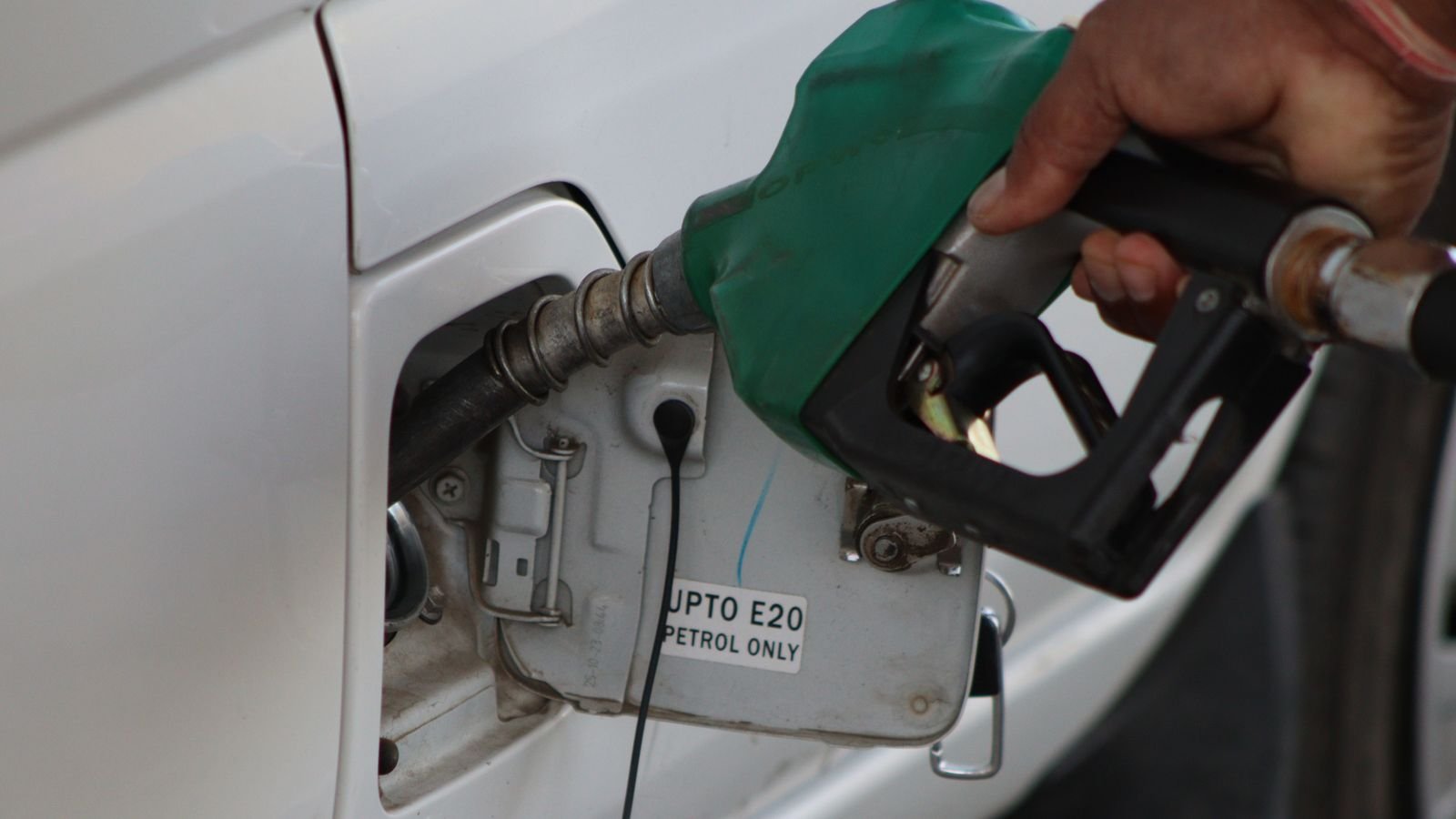
From 1 December 2026, a new SBI credit card fee kicks in. You’ll pay 1% on any single transport payment above ₹30,000, and on fuel once your total in a billing cycle crosses ₹50,000. Most families who fill up a car or scooter on an SBI card will never pay it.
But the fuel rule has a sharp edge. Cross ₹50,000 by even ₹1 and the 1% applies to the whole amount, not just the extra. That cliff, and the cheap way around it, is in section 4.
⚡ Key takeaways
- Transport: 1% on every single transport payment above ₹30,000 (codes for local commuter transport, tolls and bus lines). ₹35,000 costs ₹350 extra, plus taxes.
- Fuel: if all your fuel spends in one billing cycle add up to more than ₹50,000, 1% is charged on the total. ₹60,000 of fuel = ₹600 fee, plus taxes.
- Who it hits: taxi and fleet owners, people who charter buses (weddings, tours), and heavy drivers. A normal family car won’t come close.
- Applies to all SBI credit cards, including the Flipkart SBI and BPCL SBI Card OCTANE, as reported by Goodreturns.
- Easy fix: pay the fuel that would push you over ₹50,000 by UPI or debit card.
What SBI Card Changed From 1 December 2026
SBI Card has put up a one-page notice titled “Revision of charges on SBI Credit Card” as a PDF on sbicard.com. It says that from 1 December 2026, two new charges apply. Outlook Money reports the notice was issued on 27 October and covers all SBI credit card variants.
The whole notice fits on one page. The two rules:
- Fee on transportation transactions: 1% of the transaction amount on every transport transaction above ₹30,000.
- Fee on fuel transactions: if all fuel transactions in a billing cycle together exceed ₹50,000, 1% is charged on the total fuel spends.
Both outlets that covered it, Outlook Money and Goodreturns, say the fee is charged “excluding applicable taxes”, so expect GST on top. Small payments are left alone: a transport payment of ₹30,000 or less, and a fuel total of ₹50,000 or less in a cycle, attract nothing.
One odd thing: when we checked SBI Card’s “Notices for Cardholders” page on 28 November, its newest entry was still from July 2026. The revised-charges PDF is on the same site, though, so don’t take a missing line on that page as proof the change was dropped.
How the Fee Is Decided: It’s All About the Merchant Code
Your card doesn’t know you bought diesel or booked a bus. It sees a four-digit merchant category code (MCC) that the shop’s payment provider assigns. SBI’s notice lists the exact codes, and only those count.
| Fee type | MCCs in SBI’s notice | What the code means |
|---|---|---|
| Transport (above ₹30,000 per payment) | 4111 | Local passenger transportation (commuter, ferries) |
| 4131 | Bus lines | |
| 4784 | Toll and bridge fees | |
| Fuel (above ₹50,000 per cycle) | 5541 | Service stations (petrol pumps) |
| 5542 | Automated fuel dispensers | |
| 5172 | Petroleum and petroleum products | |
| 5983 | Fuel dealers: fuel oil, wood, coal, LPG |
The code meanings come from Checkout.com’s public MCC list. Notice what’s missing: passenger railways (4112), airlines (4511), taxis (4121) and travel agencies (4722) aren’t in SBI’s transport list. So a ₹40,000 flight or a big IRCTC booking shouldn’t trigger this new fee, going by the notice.
💡 Pro tip
The notice also says MCCs “are defined by the network partners” and can change without SBI telling you. If a big payment matters, ask the SBI Card helpline (1860 180 1290) how that merchant’s transactions are coded before you pay.
 Also readCredit Card Billing Cycle: When to Swipe for Up to 50 Free Days
Who Will Actually Pay This: Worked Examples in ₹
All examples below follow the notice’s rules, and the fee figures are before GST.
| Situation | Amount on SBI card | New fee | Why |
|---|---|---|---|
| Family car, monthly fuel | ₹8,000 a cycle | ₹0 | Far below ₹50,000 |
| Taxi owner, diesel | ₹70,000 a cycle | ₹700 | Total crosses ₹50,000, so 1% on all of it |
| Fuel total just over the line | ₹50,500 a cycle | ₹505 | The cliff: 1% on the full ₹50,500 |
| Fuel total at the line | ₹50,000 a cycle | ₹0 | “Exceeds” ₹50,000 is the trigger |
| Wedding bus charter, one payment | ₹45,000 | ₹450 | Single transport payment above ₹30,000 (if coded 4131) |
| Same charter paid as two bills | ₹22,500 + ₹22,500 | ₹0 | Each payment is under ₹30,000 |
| Flight ticket | ₹40,000 | ₹0 | Airline codes aren’t on the list |
How much fuel is ₹50,000? Petrol in New Delhi was ₹102.12 a litre on 28 November 2026, per Business Today. That’s roughly 490 litres in one billing cycle, enough for several thousand kilometres in an average car. Unless you drive for a living or pay for several vehicles on one card, you’re very unlikely to get there.
Wedding season is where ordinary families could get caught, and honestly, this is the example I’d worry about most. Booking a bus for the baraat or a family tour is often one large payment, and if the operator’s code is 4131 (bus lines), anything above ₹30,000 now costs 1% more on an SBI card.
The Catch: The ₹50,000 Fuel Cliff
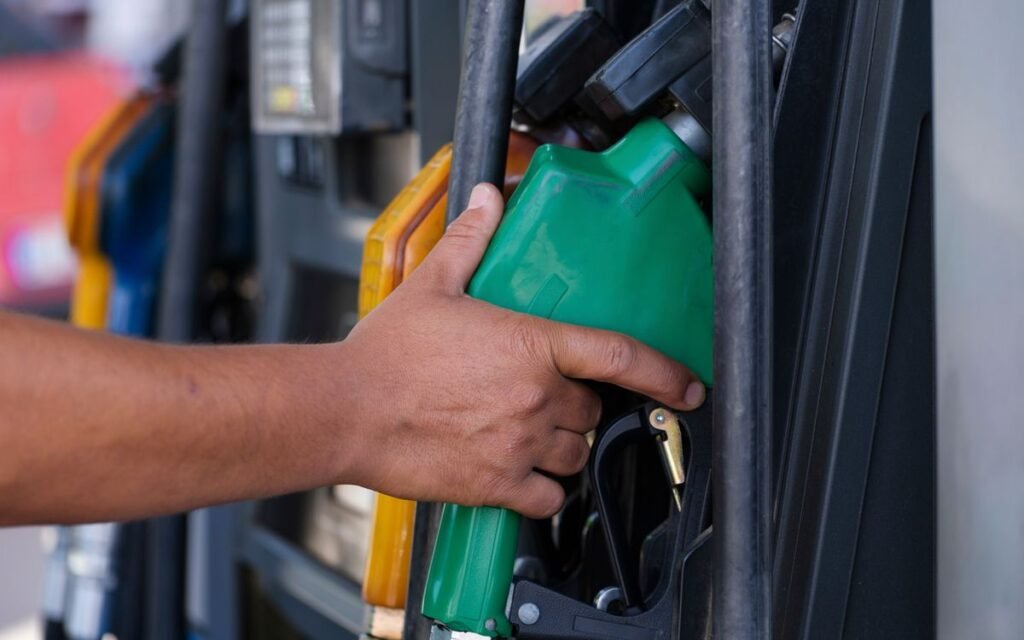
This is the part that’ll annoy people. The transport fee is per payment, so only the big ticket pays. The fuel fee is worked out on the whole billing cycle, and once you cross ₹50,000, the 1% is charged on the entire fuel total.
⚠️ Watch out
Fuel worth ₹50,000 in a cycle costs nothing extra. Fuel worth ₹50,001 costs about ₹500 extra, plus GST. One last fill-up near the end of your cycle can make the whole month’s fuel more expensive.
Outlook Money and Goodreturns both report it this way, with the same example: ₹60,000 of fuel in a cycle means a ₹600 fee, not ₹100.
There’s also a timing question SBI hasn’t answered in the notice. If your billing cycle runs from, say, 20 November to 19 December, it isn’t spelled out whether November’s fuel counts toward the first cycle’s ₹50,000. If you’re close to the limit this month, play it safe and treat the whole cycle as counting.
Drive a lot? Then your billing dates matter more than ever now. Our guide to the credit card billing cycle shows where to find your statement date in the app.
How to Avoid the SBI Credit Card Fee (Honest Options)
For fuel
- Check your fuel total before the statement date. Open the SBI Card app, look at this cycle’s transactions, and add up the petrol pump spends.
- Switch the rest to UPI or a debit card once you’re near ₹50,000. A UPI payment from your bank account isn’t an SBI credit card transaction, so this fee can’t touch it.
- Don’t assume a RuPay SBI credit card on UPI is different. Linked to UPI, it’s still your SBI credit card, so treat those spends as card spends. Our RuPay credit card on UPI guide explains how that link works.
- Use another bank’s card for part of it, but read that bank’s own fuel rules first. Many cards have their own fuel surcharge terms.
For transport
- Ask the operator how they’ll bill you. A ₹30,000 payment is fine; ₹30,001 isn’t. The reported rules say several payments under ₹30,000 each don’t attract the fee, even if they add up to more.
- Pay big bus or charter bookings by UPI or bank transfer if the operator accepts it.
- Tolls: most people pay small amounts through FASTag, so this rarely matters. If you run a fleet and top up FASTag in large single amounts by card, check how the top-up is coded. Our FASTag annual pass breakdown may save you more anyway.
 Also readMinimum Amount Due: Why a ₹50,000 Card Bill Can Take 14 Years
BPCL SBI Card Owners: Read This Twice
Picked a BPCL SBI card for fuel? This one hurts a little more. The BPCL SBI Card OCTANE is named in Goodreturns’ report as covered by the new fee, so the ₹50,000 cycle limit applies there too.
There’s a second change from earlier this year on SBI Card’s notices page. From 1 May 2026, the ₹499 annual fee on the BPCL SBI Credit Card is reversed only if you spend ₹1 lakh in a year, up from ₹50,000. So light users now need to spend more to get the fee back, and very heavy fuel users now pay 1% above ₹50,000 a cycle.
For most BPCL card users, somewhere between ₹10,000 and ₹40,000 of fuel a month, nothing changes on the fuel side. It’s only the top end that gets squeezed, and those owners should run the numbers on whether the card still earns more than it costs.
📝 Note
Don’t confuse this with the fuel surcharge you may already see on fuel bills; SBI Card’s own notices page treats that as a separate charge. The new 1% is an extra fee based on how much you spend in a cycle, as laid out in the December notice.
Our Verdict: Should You Worry About the SBI Credit Card Fee?
For most people, no. A family that spends ₹5,000 to ₹15,000 a month on petrol and books flights or trains on the card won’t pay a rupee more.
✅ Our verdict
Worry only if you’re a heavy fuel user (taxi, fleet, long daily drives) or you’re about to make one big bus or charter payment. Then check your cycle total, move the extra fuel to UPI or a debit card, and ask the operator to bill transport in amounts of ₹30,000 or less. Everyone else can ignore this one.
Been using your SBI card mainly for fuel rewards? Now’s a good time to check whether your points are about to lapse. Our credit card reward points expiry guide shows how to check.
Frequently Asked Questions
What is the new SBI credit card fee from 1 December 2026?
A 1% fee on single transport payments above ₹30,000 (MCCs 4111, 4784, 4131) and on total fuel spends in a billing cycle when they exceed ₹50,000 (MCCs 5172, 5541, 5542, 5983), as per SBI Card’s revised-charges notice.
Is the fuel fee charged only on the amount above ₹50,000?
No. Once the cycle’s fuel total crosses ₹50,000, the 1% is charged on the entire fuel total. ₹60,000 of fuel means a ₹600 fee, plus taxes, per Outlook Money and Goodreturns.
Are train and flight tickets covered?
Going by the codes in SBI’s notice, no. Railways (4112) and airlines (4511) aren’t on the list. The notice covers local commuter transport, bus lines, and tolls and bridge fees.
Does it apply to the Flipkart SBI and BPCL SBI cards?
Yes. Goodreturns reports the notice applies to all SBI credit cards, including co-branded ones such as the Flipkart SBI Credit Card and BPCL SBI Card OCTANE.
Is GST charged on this fee?
Both news reports describe the fee amounts as “excluding applicable taxes”, so expect GST to be added on your statement.
The Bottom Line
The new SBI credit card fee is aimed at heavy users, not regular families. Know the two numbers, ₹30,000 per transport payment and ₹50,000 of fuel per cycle, and keep an eye on the fuel cliff near your statement date. If you’re close, UPI is the simplest way to stay under it.
This is general information, not personal financial advice. Check your own card’s notice and statement, or call SBI Card’s helpline, before a large payment.
Keep reading
 Read nextFlipkart SBI Offer: 10% Off Is Really 2% on a ₹50,000 Phone
 Read nextPay Later Charges on Amazon and Flipkart: The Real Cost in 2026

Sources
- SBI Card: Revision of charges on SBI Credit Card, effective 1 Dec 2026 (MCC lists, ₹30,000 and ₹50,000 rules)
- SBI Card: Notices for Cardholders (BPCL SBI annual fee reversal at ₹1 lakh from 1 May 2026)
- Outlook Money, 30 Oct 2026: SBI Credit Card extra fee on fuel and transport spends from December 1
- Goodreturns, 30 Oct 2026: 1% extra charge on fuel and transport from December 1
- Checkout.com: merchant category code list
- Business Today: petrol price in New Delhi, 28 Nov 2026