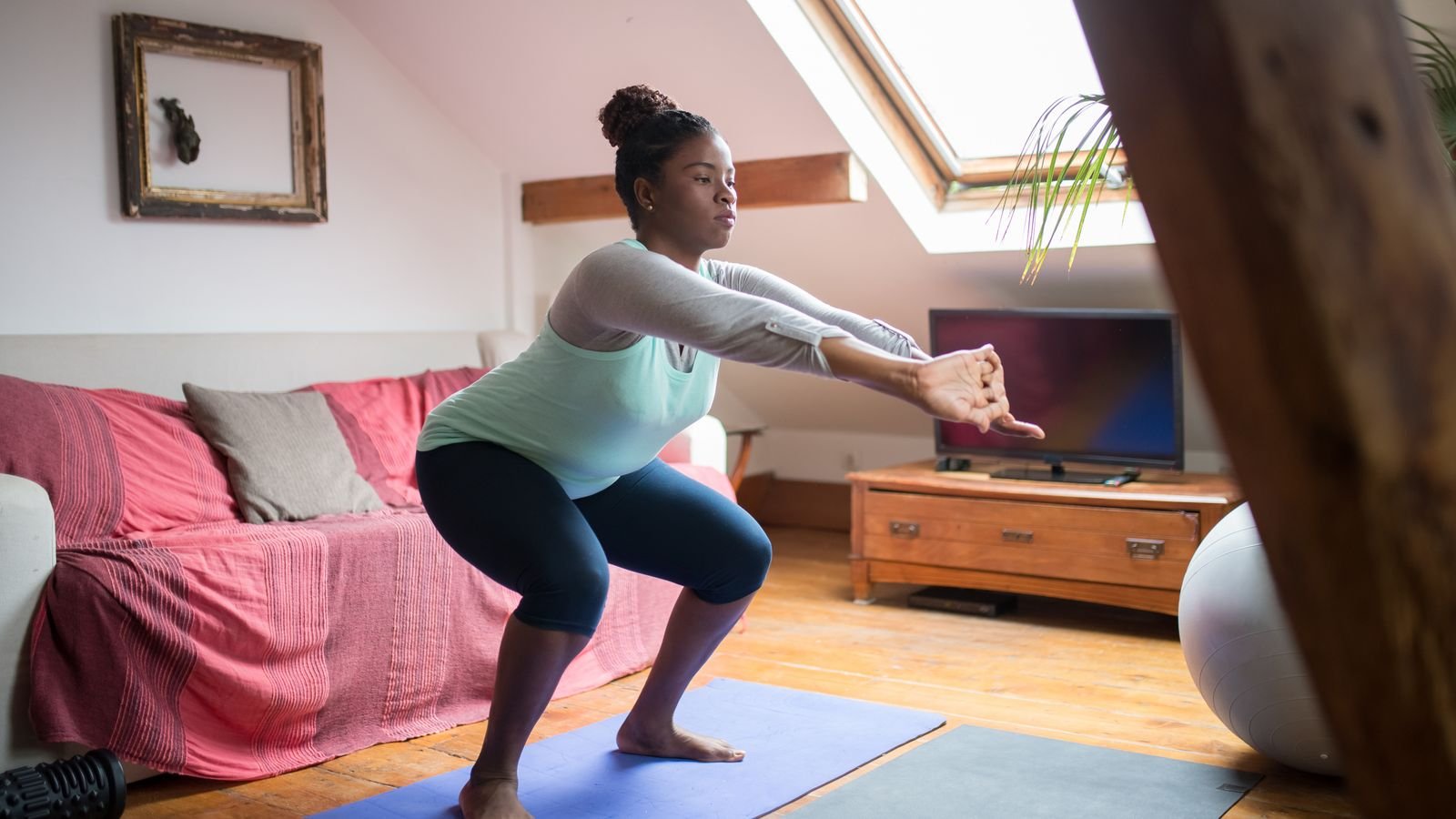
If your knees ache on the stairs or when you get up from the floor, rest feels like the right answer. Usually it isn’t. The NHS calls exercise one of the most important treatments for osteoarthritis, and the knee pain exercises in this guide are the ones a hospital physio team actually hands out.
You’ll get seven moves with reps, a 10-minute routine and a clear rule for how much pain is okay. The habit that seems to matter most for knees over the years is in section 2, and it isn’t walking.
⚡ Key takeaways
- About 28.7% of Indians over 40 had knee osteoarthritis on X-ray in a 5,000-person study across five regions. Women were affected slightly more than men.
- Strengthening the thigh, hip and calf muscles takes load off the knee. Sit-to-stand, mini squats and step-ups are the core moves.
- Some ache during exercise is expected. Sharp pain, a knee that locks or gives way, or a hot swollen knee needs a doctor.
- Losing extra weight eases knee load, and the NHS lists it alongside exercise.
- This guide is for everyday knee ache and early arthritis. It isn’t for a fresh injury or after surgery.
Why Knee Pain Is So Common in Indians After 40
Think of how we use our knees. Floor sitting at family functions, squatting in older-style toilets, three flights of stairs in buildings without a lift, and long hours at a desk in between. Knees take a lot, and the muscles around them often get weaker with age.
The numbers are high. A community study in the Indian Journal of Orthopaedics X-rayed 5,000 people over 40 across north, central, west, south and east India. 28.7% had knee osteoarthritis. It was a bit more common in women (31.6%) than men (28.1%), and highest in people over 60.
What raised the risk
The same study found higher rates in people who were overweight or obese and in those with a sedentary life. Among people who didn’t exercise, prevalence was far higher than among those who did.
It was a snapshot study, so it can’t prove exercise prevents arthritis. People with painful knees may simply exercise less. But it fits what guidelines already say.
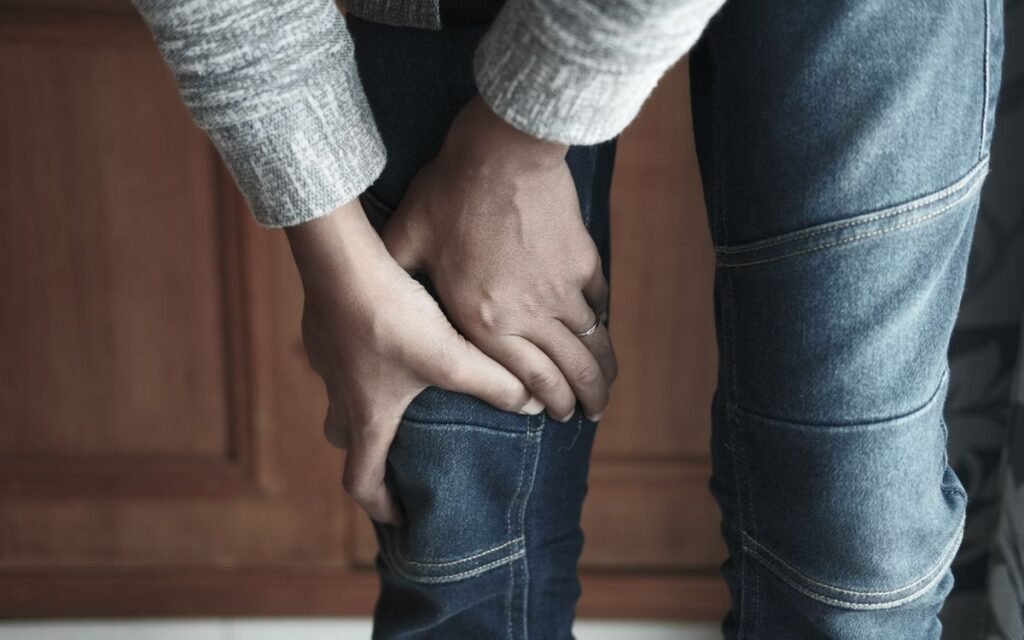
Strength, Not Rest: What the Research Shows
The old advice was “go easy on your knees”. Newer evidence points the other way.
A 2023 study in Arthritis & Rheumatology looked at 2,607 people in the US Osteoarthritis Initiative and asked about their history of strength training. Those who had done strength training had about 18% lower odds of frequent knee pain and 23% lower odds of painful, X-ray-confirmed arthritis. The link was strongest in the group who trained the most.
Why muscles help a sore knee
Strong thigh muscles (the quadriceps at the front, hamstrings at the back) work like shock absorbers. Strong hip and buttock muscles keep the knee lined up when you climb stairs. Strong calves help with balance. When they’re weak, the joint itself takes more of the impact.
The study has limits. People recalled their exercise from decades earlier, and it shows a link, not proof. Still, the authors concluded that strength training is good for future knee health, against the long-held fear that lifting hurts knees.
💡 Pro tip
Walking is great for your heart, but on its own it doesn’t build much thigh strength. Add two or three strength sessions a week. That’s the habit most people skip.

The 7 Knee Pain Exercises (With Reps)
These come from the knee osteoarthritis exercise sheet of the Royal Orthopaedic Hospital, an NHS trust in Birmingham. Walk gently for 3 to 4 minutes first, and pick three or four moves per session.
| # | Exercise | How to do it | Reps |
|---|---|---|---|
| 1 | Knee bend and straighten | Lie on your back, slowly bend the knee as far as comfortable, hold 10 seconds, straighten | 10 |
| 2 | Inner range quads | Rolled towel under the knee, tighten the thigh to lift the heel off the floor, hold 5–10 seconds | 10 |
| 3 | Sit to stand | Arms folded, stand up from a chair without using your hands, sit down slowly | 10 |
| 4 | Mini squat | Hold a chair, bend both knees with a straight back, no lower than 45 degrees | 10 |
| 5 | Heel raises | Hold a chair, rise onto your toes, lower slowly | 10 |
| 6 | Step up | Step up onto a stair with one leg leading, then the other | 10 each leg |
| 7 | Clam | Lie on your side, knees bent, feet together; lift the top knee without rolling your hips | 10 |
Three stretches to finish
- Hamstring stretch: foot on a step, lean forward from the hips with a straight back. Hold 20–30 seconds, 5 times.
- Quad stretch: hold a support, loop a towel around your ankle and pull the heel towards your bottom. Hold 20–30 seconds, 5 times.
- Calf stretch: affected leg straight behind you, lean into a wall. Hold 30 seconds, 5 times.
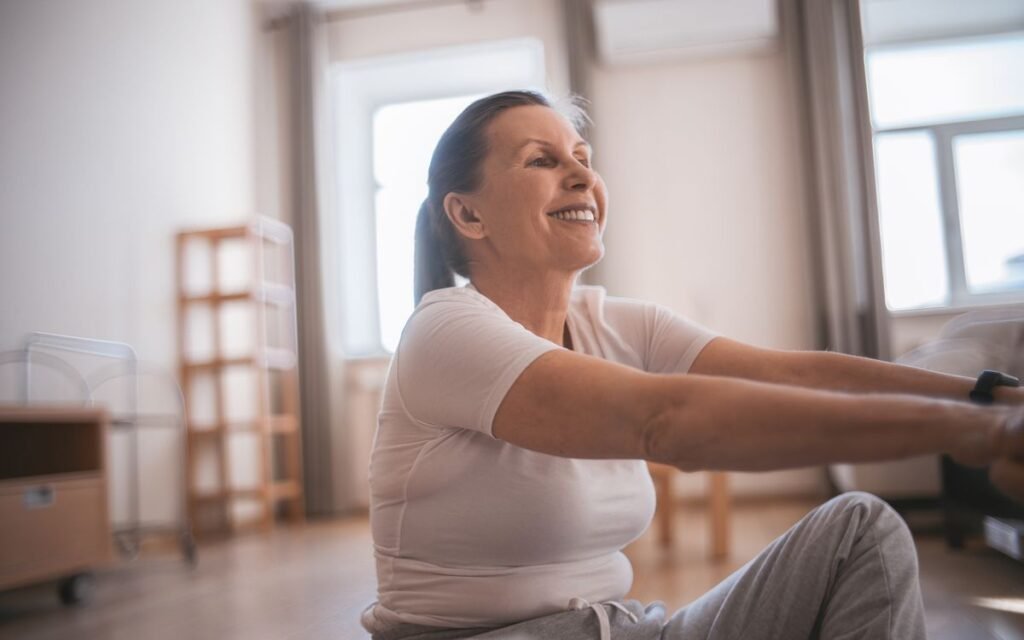
How Much Pain Is Okay During Knee Exercises?
This is where most people quit, so it’s worth being clear.
The Royal Orthopaedic Hospital sheet says some increase in pain and muscle ache during exercise may be expected. Go gently and slowly. If a move hurts, let the pain settle before you try again. During a flare-up, do fewer exercises rather than none.
Stop and speak to a doctor or physio if an exercise causes problems.
⚠️ Watch out
Don’t push through these. The NHS knee pain page says to get urgent advice if the pain is severe, you can’t put weight on the leg, the knee is badly swollen or misshapen, it locks or gives way, or it’s red and hot with a fever. That last one can be an infection.
A 10-Minute Daily Routine You’ll Actually Stick To
The hospital sheet suggests doing the exercises up to three times a day, with three or four moves each time. That’s a lot for most people. Here’s a simpler start that fits a normal Indian morning.
- Warm up (3 minutes): walk around the house or on the terrace.
- Sit to stand (10 reps): use the dining chair. Pick a higher chair if it’s hard.
- Mini squat (10 reps): hold the kitchen counter.
- Heel raises (10 reps): while the tea boils.
- Step up (10 each leg): on the bottom stair.
- Two stretches (2 minutes): hamstring and calf.
Do it most days, then add a second session in the evening once it feels easy. Make the moves harder slowly, as the NHS warns that too much, too quickly can hurt the joint. When you can do 10 easy sit-to-stands, try a lower chair or hold for a count of three at the bottom.
 Also readMorning Routine Hacks That Actually Work (And Take Under 30 Minutes)
Weight, Footwear and Other Things That Help
Weight loss takes load off the knee
The NHS osteoarthritis treatment page says being overweight or obese often makes osteoarthritis worse, and suggests losing weight slowly through activity and better eating. In the Indian study above, knee arthritis was also more common at higher BMI. Even a few kilos can make stairs feel easier.
Pain relief, used wisely
The NHS says paracetamol may help for short spells, but many people find it doesn’t work very well. Anti-inflammatory gels can be particularly useful for knee arthritis. Don’t start tablets regularly on your own, especially if you have stomach, kidney or heart problems. Ask your doctor what’s safe for you.
Small daily changes
- Sit on a low stool or chair rather than cross-legged on the floor if it hurts.
- Use the handrail on stairs, and lead with the stronger leg going up.
- Choose cushioned, flat footwear for long walks rather than worn-out chappals.
Who Should See a Doctor First
Most people with everyday knee ache can start the routine above. But see a doctor or physiotherapist before you begin if:
- Your knee pain started after a fall, twist or sports injury.
- You’ve had knee surgery or a joint replacement.
- The knee is swollen, warm or keeps locking.
- Pain hasn’t improved after a few weeks. The NHS suggests seeing a GP if knee pain doesn’t get better within a few weeks.
A physio can set the right reps and chair height for you. Most large government and private hospitals in India have a physiotherapy department, so ask your doctor for a referral.
✅ Our verdict
For most people over 40 with achy knees, strengthening beats resting. Start with sit-to-stand, mini squats and heel raises for 10 minutes most days, accept a mild ache, and stop for sharp pain or swelling. Give it six to eight weeks before you judge it.
This article is for information only and is not medical advice. Please consult a doctor or physiotherapist before starting exercises if you have a knee injury, swelling or a long-term condition.
Frequently Asked Questions
What are the best knee pain exercises for beginners?
Sit to stand from a chair, mini squats while holding a support, heel raises and inner range quad squeezes over a rolled towel. They build the thigh and calf muscles that protect the knee and need no equipment.
Is walking good for knee pain?
Gentle walking is a good warm-up and helps general fitness, and the NHS recommends a mix of strengthening and general exercise. Walking alone doesn’t build much thigh strength, so add strength moves two or three times a week.
Should I exercise if my knee hurts?
Some ache during exercise is normal for arthritis, according to NHS physio guidance. Go slowly and let pain settle between tries. Stop and see a doctor for sharp pain, swelling, locking or a knee that gives way.
How long does it take for knee exercises to work?
It varies, but muscles take weeks to get stronger. Do the routine most days for at least six to eight weeks before deciding whether it’s helping.
Can knee pain exercises reverse arthritis?
No exercise reverses joint changes seen on an X-ray. But stronger muscles can reduce pain and make daily tasks like stairs easier, which is why guidelines put exercise first.
The Bottom Line
Knee pain exercises work best when they’re boring and regular. Ten minutes of sit-to-stands, mini squats and step-ups most days will do more than a week of rest.
Start today with the chair you’re sitting on, and if you’re a woman in your late 40s, also read our guide to menopause symptoms Indian women miss, because joint aches are one of them. Low energy making it hard to start? Check our guide to vitamin B12 deficiency signs.
Keep reading
Read nextRevitalize Your Life: Easy Ways to Stay Active During the Day and Embrace the Joy of Movement Read nextMenopause Symptoms Indian Women Often Miss (and What Helps)
 Read nextAlways Tired? It Could Be Vitamin B12 Deficiency (Signs to Check)
Sources
- Indian Journal of Orthopaedics: epidemiology of knee osteoarthritis in India (Pal et al., 2016)
- Arthritis & Rheumatology: strength training and less knee osteoarthritis (Lo et al., 2023)
- Royal Orthopaedic Hospital NHS Trust: exercises for osteoarthritis of the knee
- NHS: osteoarthritis treatment
- NHS: knee pain, self-care and when to get help