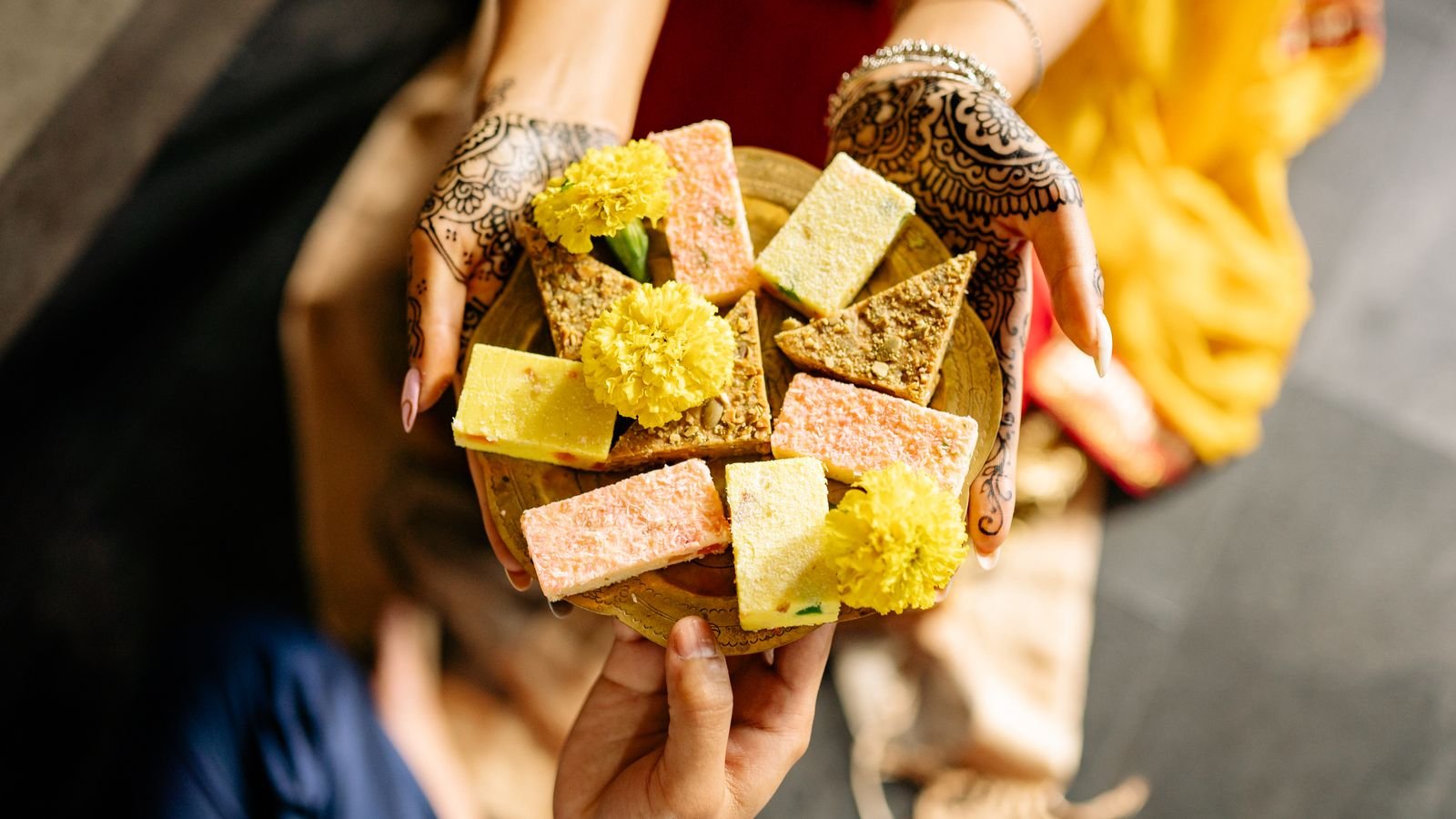
Yes, people with diabetes can have Diwali sweets. Diabetes UK says diabetes doesn’t mean a sugar-free diet; what matters is how much you eat, when you eat it and what you eat alongside. This guide on Diwali sweets for diabetics gives you a simple festive plan, the better picks at the mithai counter and timing tricks that soften the sugar spike.
There’s also a catch in the “sugar-free” box that most families buy for diabetic relatives. That’s in section 4.
This article is for information only and isn’t medical advice. Please consult your doctor or diabetes educator before changing your diet, medicines or insulin.
⚡ Key takeaways
- You don’t have to skip mithai completely. A small piece after a proper meal is a world away from three pieces on an empty stomach.
- WHO advises keeping free sugars under 10% of daily calories, and ideally around 25 g (6 teaspoons) a day. One festive day can blow past that easily.
- “Sugar-free” mithai isn’t carb-free. Khoa, flour and ghee still raise blood sugar, and sugar alcohols can upset your stomach.
- Eat vegetables and protein first, sweets last, then take a short walk. Both have research behind them.
- On insulin or tablets like gliclazide or glimepiride? Don’t skip meals to “save room” for sweets. That can push sugar too low.
Diwali Sweets for Diabetics: Why Festive Week Is the Real Risk
Diwali isn’t one sweet. It’s a three-week run. The boxes start arriving around Dussehra, every visit comes with a plate of kaju katli, and by Bhai Dooj the fridge still has half a box of soan papdi nobody wants to throw away.
And a lot of us are in this boat. The ICMR-INDIAB study, published in The Lancet Diabetes & Endocrinology00119-5) in 2023, found that 11.4% of Indian adults have diabetes and another 15.3% have prediabetes. That works out to roughly 101 million people with diabetes and 136 million with prediabetes, as reported by WION. Chances are someone at your Diwali table is one of them.
What the sugar guideline actually says
The World Health Organization recommends keeping free sugars below 10% of total daily energy. It says cutting further, to below 5% or roughly 25 grams (about 6 teaspoons) a day, gives extra benefit.
Free sugars include sugar added by the cook as well as honey and syrups. So the chashni in your gulab jamun counts. So does the gur in your chikki.
The problem isn’t one laddoo. It’s one laddoo at every house, every day, for three weeks.
How Much Mithai Is Okay? A Simple Festive Plan
There’s no single number that fits every person with diabetes. Your safe amount depends on your medicines, your recent HbA1c and how active you are. That’s why the honest first step is a quick chat with your doctor before Diwali, especially if you take insulin.
Still, a few rules work for most people.
The one-piece rule
Pick one sweet a day that you really love, and have one small piece of it. Not a taste of everything on the plate. If your mother’s besan laddoo is the highlight of your year, have that and skip the shop-bought barfi that’s just “there”.
Have it after a meal, not instead of one
A sweet eaten after a balanced meal of dal, sabzi and roti hits differently from one eaten on an empty stomach with chai. The CDC’s plate method is a good base for festive meals too: half the plate non-starchy vegetables, a quarter protein, a quarter carbs. Then the sweet comes at the end, in a small portion.
Count it, don’t hide it
If you count carbs with a dietitian, count the mithai too. If you don’t, think of a sweet as part of that meal’s carb share. Have one less roti or a smaller spoon of rice that day.
💡 Pro tip
Keep a small steel katori near the sweet box at home. Serve mithai into it instead of eating straight from the box. It sounds silly, but it stops the “just one more” grazing that does most of the damage.
Not sure what your readings mean in the first place? Our guide to normal blood sugar levels explains fasting, post-meal and HbA1c numbers in plain language.

Better and Worse Picks at the Mithai Counter
Every Indian sweet is mostly sugar plus fat or refined flour, so none of them is “good for diabetes”. But some are easier to keep small, and some come drowning in syrup. Here’s how the common ones compare, based on how they’re made.
| Sweet | How it’s made | Our take |
|---|---|---|
| Gulab jamun, jalebi, imarti | Fried, then soaked in sugar syrup | Hardest to justify. Fried and syrup-soaked. If you must, half a piece |
| Rasgulla, rasmalai | Chhena in sugar syrup or sweetened milk | Squeeze out the syrup and you leave some of the added sugar behind |
| Sandesh, kalakand | Chhena or milk based, lighter on syrup | A better pick. Some protein from milk, still sweetened |
| Kaju katli, badam barfi | Ground nuts with sugar | Small, dense pieces. Fine as one piece, easy to overdo |
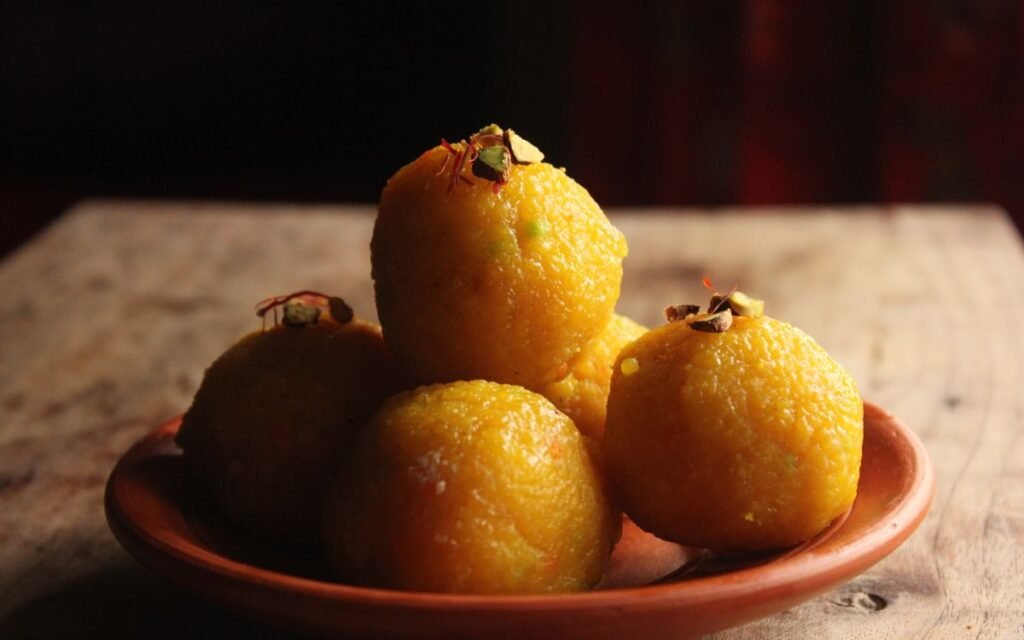
| Besan or boondi laddoo | Gram flour or fried boondi, ghee, sugar | Large size is the trap. Ask for small ones or cut in half |
| Soan papdi, milk cake | Sugar, flour or khoa, ghee | Very sweet, little else. Skip if you’re choosing |
| Homemade kheer or phirni | Milk with rice and sugar | You control the sugar. Make it less sweet and serve in small bowls |
A word on namkeen. Chakli, mathri, chivda and namak pare aren’t sweet, but they’re fried and made from flour or poha. They still count as carbs, and handfuls add up quickly at card parties.
The “Sugar-Free” Mithai Catch Nobody Mentions
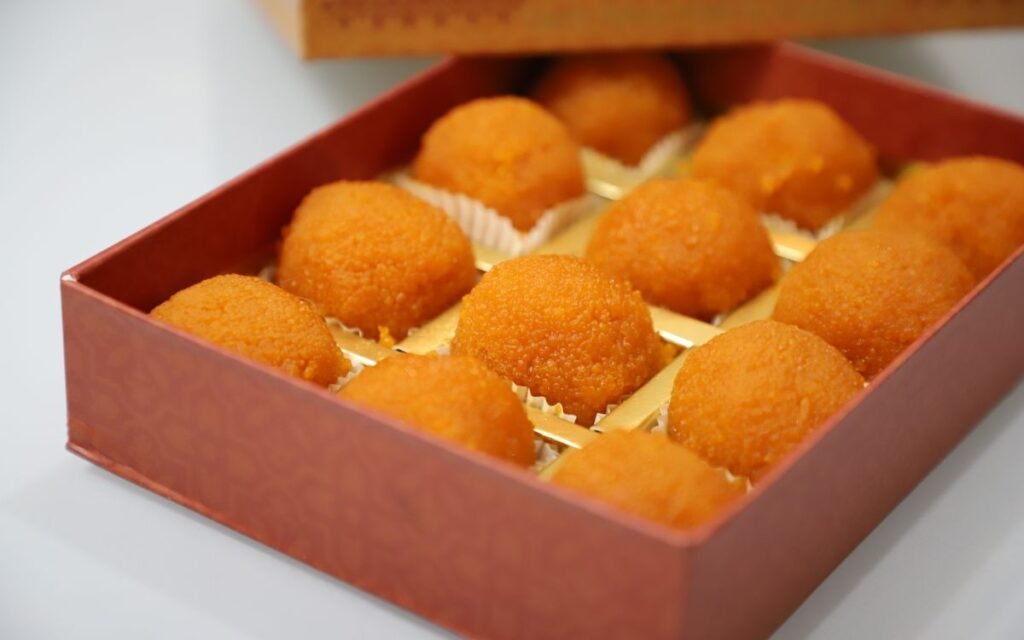
Here’s the catch we promised. Most sweet shops now sell a sugar-free range, and many families buy it as the safe option for a diabetic parent. It’s often not as safe as the label suggests.
Sugar-free isn’t carb-free
The American Diabetes Association warns that “sugar-free”, “reduced sugar” and “no sugar added” foods are not necessarily lower in carbohydrate than the original. Sugar-free barfi still has khoa, ghee, nuts and sometimes flour. Those calories and carbs don’t disappear because the sugar did.
Sugar alcohols can backfire
Many sugar-free sweets use polyols (sugar alcohols) such as maltitol or sorbitol. Diabetes UK says large amounts can cause bloating, wind and diarrhoea. The ADA adds that some sugar alcohols are partly digested, so they still provide calories and affect blood glucose.
Diabetes UK doesn’t recommend products sold as “diabetic” or “suitable for diabetics”, because they can be just as high in fat and calories as the regular versions.
⚠️ Watch out
A box of sugar-free mithai is not a licence to eat four pieces. Treat it like a normal sweet: one small piece, after a meal. And ask the shop what sweetener they used. If they can’t tell you, that tells you something too.
What about stevia, sucralose and gur?
Approved sweeteners are considered safe at normal intake, Diabetes UK says. WHO’s 2023 guideline advising against non-sugar sweeteners for weight control specifically does not apply to people who already have diabetes.
Gur (jaggery), honey and date syrup are a different story. Under WHO’s definition they still count as free sugars. “Made with jaggery” sounds healthier, but your blood sugar treats it as sugar.
Smart Swaps You Can Make at Home
Cooking at home is the biggest win, because you decide the sugar and the size. No special recipe book needed; small changes do the job.
- Cut the sugar by a third. Most family recipes for kheer, halwa or laddoo still taste festive with less sugar. Start with a third less and adjust next time.
- Make them smaller. Roll laddoos the size of a big marble, not a cricket ball. Cut barfi into small squares. Same taste, smaller dose.
- Lean on milk and nuts. A small bowl of lightly sweetened phirni or a sandesh-style sweet gives you some protein along with the sugar.
- Use fruit as dessert. A bowl of fruit chaat, a fresh guava or a few slices of apple with plain curd can end a festive meal nicely. Whole fruit beats juice; the CDC notes juice raises blood sugar faster.
- Go easy on dates and dried fruit. Date-and-nut laddoos are popular “no sugar” gifts, but dates are naturally packed with sugar. One small piece, not three.
- Put a fruit bowl on the table. Offer guests fruit and roasted makhana next to the mithai, so the person with diabetes isn’t the only one choosing something different.
If you’ve been feeling that sugar sneaks into everything, our post on the signs you’re eating too much sugar helps you spot it in everyday food too.
 Also read9 Signs You Are Eating Way Too Much Sugar
Timing Tricks That Soften the Sugar Spike
What you eat matters most. But when and how you eat a sweet can also make a real difference to the post-meal spike.
Eat sweets last
A small 2019 study in Diabetes, Obesity and Metabolism gave 15 adults with prediabetes the same meal in different orders. When they ate vegetables and protein before the carbs, their blood sugar peaks were more than 40% lower than when they ate carbs first. It’s a small study, but the habit costs nothing: sabzi and dal first, roti and rice next, the sweet at the very end.
Walk it off, even briefly
A 2022 meta-analysis in Sports Medicine pooled seven trials and found that breaking up long sitting with light walking lowered post-meal blood sugar and insulin more than standing breaks did. So after the Diwali lunch, take a 10-minute walk around the colony or up and down the stairs instead of going straight to the sofa.
Your festive checklist
- Take your usual medicines on time, even on puja days and late dinners.
- Don’t skip breakfast or lunch to “save” sugar for the evening.
- Have sweets after a meal, in a small katori, one per day.
- Walk for a few minutes after big meals.
- Drink water, not sherbet or packaged juice, between visits.
- Check your sugar more often during the festive weeks if your doctor has asked you to monitor at home.
That second point is serious. The NHS lists skipped or delayed meals, too much insulin, heavy drinking without food and some tablets like gliclazide and glimepiride as causes of low blood sugar. Skipping lunch to make room for evening mithai can backfire for people on these medicines.
Who Should Be Extra Careful This Diwali
Everything above is a rule of thumb. For some people, rules of thumb aren’t enough, and a pre-Diwali doctor visit is worth the queue.
- People on insulin or sulfonylureas (like gliclazide or glimepiride), because both high and low sugars are possible with irregular meals.
- Anyone whose sugar is already poorly controlled, with high recent HbA1c or frequent high readings.
- People with kidney problems, who often have extra diet limits set by their doctor.
- Pregnant women with gestational diabetes, who should follow the plan from their obstetrician or diabetes team.
- Elderly parents who live alone or forget doses, since festive routines are when doses get missed.
If your father has taken metformin for years, it’s also worth reading our post on vitamin B12 deficiency signs, since that’s one of the things his doctor may want to check.
✅ Our verdict
Don’t ban sweets for the diabetic person in your family; it rarely works and it makes festivals miserable. Pick one favourite sweet a day, have a small piece after a proper meal, walk afterwards and skip the “sugar-free” box as an excuse for extra pieces. If you’re on insulin or sugar-lowering tablets, check your festive plan with your doctor first.
Frequently Asked Questions
Can diabetics eat sweets on Diwali?
Yes, in small amounts. Diabetes UK says people with diabetes don’t need a completely sugar-free diet. Have one small piece after a meal rather than several pieces through the day, and keep taking your medicines on time.
Which Indian sweet is best for diabetics?
No sweet is good for blood sugar, but milk-based sweets with less syrup, like sandesh or a lightly sweetened homemade phirni, are better picks than fried, syrup-soaked sweets like gulab jamun or jalebi. Size matters more than type.
Is sugar-free mithai safe for diabetics?
It can be part of the plan, but it’s not a free pass. The American Diabetes Association says sugar-free foods aren’t necessarily lower in carbs, and Diabetes UK warns that sugar alcohols can cause bloating and diarrhoea. Treat it like regular mithai.
Is jaggery better than sugar for diabetics?
Not for blood sugar. WHO counts sugar added by the cook, honey and syrups as free sugars, and jaggery is mostly sugar. Sweets made with gur still need to be kept small.
Can diabetics eat dry fruits during Diwali?
Unsalted nuts like almonds and walnuts in a small handful are usually a better snack than mithai. Dried fruits like dates, raisins and figs are much sweeter, so keep those to a few pieces.
The Bottom Line
Diwali sweets for diabetics come down to three habits: small portions, sweets after meals and a short walk afterwards. Ignore the idea that sugar-free or jaggery sweets are unlimited. This week, book a quick check-in with your doctor if you’re on insulin, then put a katori next to the sweet box.
Keep reading
Read nextNormal Blood Sugar Levels: What Your Test Report Actually MeansRead next9 Signs You Are Eating Way Too Much Sugar Read nextAlways Tired? It Could Be Vitamin B12 Deficiency (Signs to Check)
Sources
- Anjana et al., The Lancet Diabetes & Endocrinology (2023): ICMR-INDIAB national study00119-5)
- WION: 101 million diabetic, 136 million prediabetic in India (ICMR study)
- WHO: Guideline on sugars intake for adults and children
- WHO: Guideline on non-sugar sweeteners (2023)
- Diabetes UK: Sugar, sweeteners and diabetes
- American Diabetes Association: Get to know carbs
- CDC: Diabetes meal planning and the plate method
- NHS: Low blood sugar (hypoglycaemia)
- Shukla et al., Diabetes, Obesity and Metabolism (2019): food order and post-meal glucose in prediabetes
- Buffey et al., Sports Medicine (2022): interrupting sitting with light walking