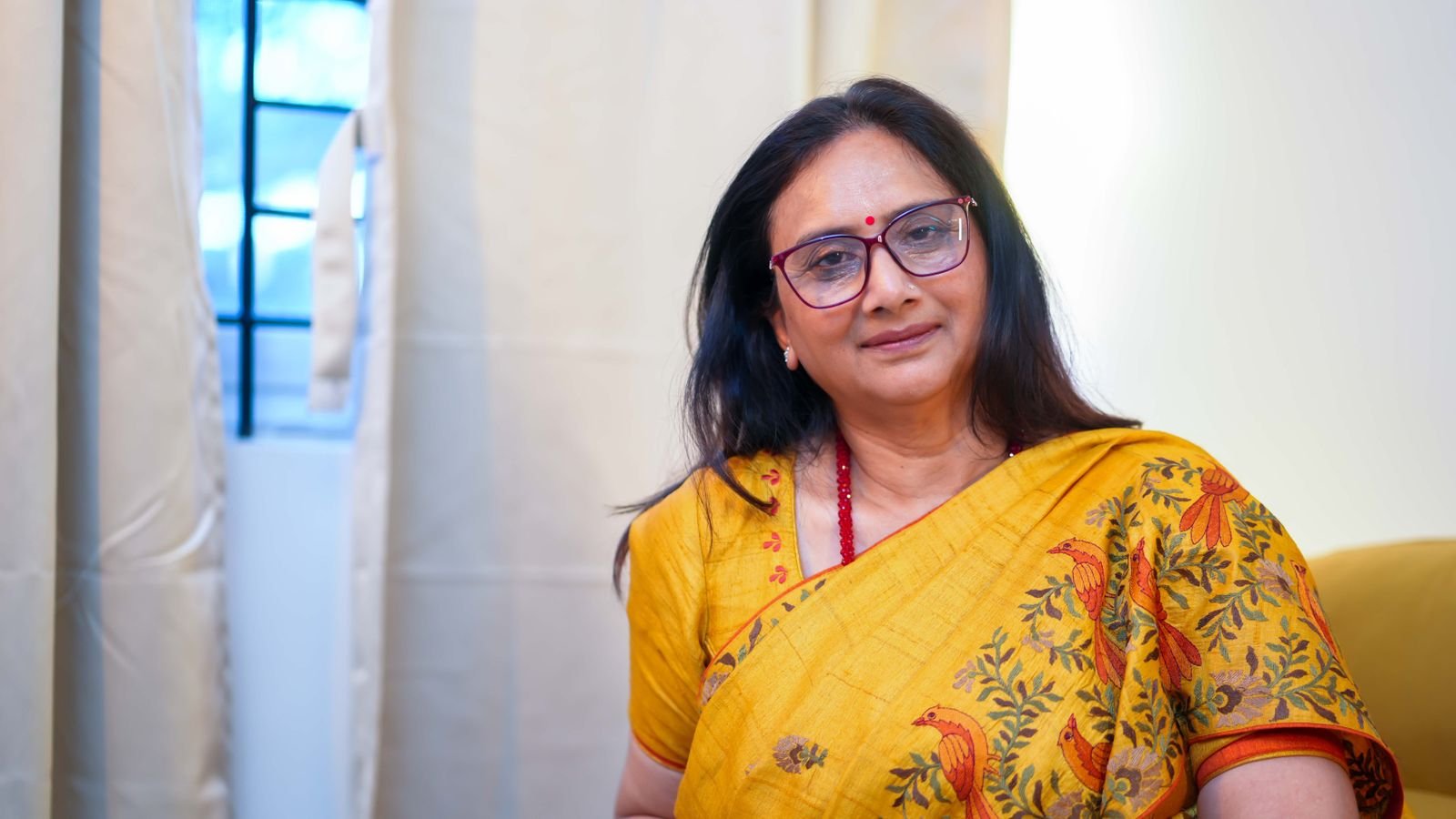
Ask most Indian women in their 40s about menopause and you’ll hear, “Abhi toh time hai.” But Indian women reach menopause around 46 on average, about five years earlier than women in the West. And the changes start years before the last period.
That’s why so many menopause symptoms get blamed on stress, age or “just being tired”. World Menopause Day was on 18 October, so this is a good week to learn the signs. Some are obvious, like hot flushes. Others, like joint pain and brain fog, catch people off guard, and one sign always needs a doctor (it’s in section 5).
This article is for information only and isn’t medical advice. Please consult a doctor or gynaecologist about your own symptoms and treatment options.
⚡ Key takeaways
- Average age of natural menopause in India: 46.2 years, per a pan-India survey by the Indian Menopause Society. Perimenopause began around 44.7.
- Menopause means 12 months without a period. Symptoms can begin years earlier and usually last 7 to 9 years, according to the NHS.
- Common menopause symptoms: irregular periods, hot flushes, poor sleep, mood changes, brain fog, joint pain and vaginal dryness.
- Any bleeding after 12 months without a period needs a doctor’s check.
Why Menopause Comes Earlier for Indian Women
Menopause is confirmed when you haven’t had a period for 12 months in a row. WHO says natural menopause usually happens between 45 and 55 worldwide.
In India, it tends to arrive at the earlier end of that range. A pan-India survey by the Indian Menopause Society, which covered 2,108 women across 21 cities, found an average natural menopause age of 46.2 years. That compares with about 51 years in Western populations.
The same study found that perimenopause, the transition phase, began at around 44.7 years on average. It also linked a later menopause with education, socioeconomic status and BMI, and an earlier one with having more children. The study relied on women remembering their age at menopause, so treat the exact figures as a guide.
Perimenopause: The Years Before the Last Period
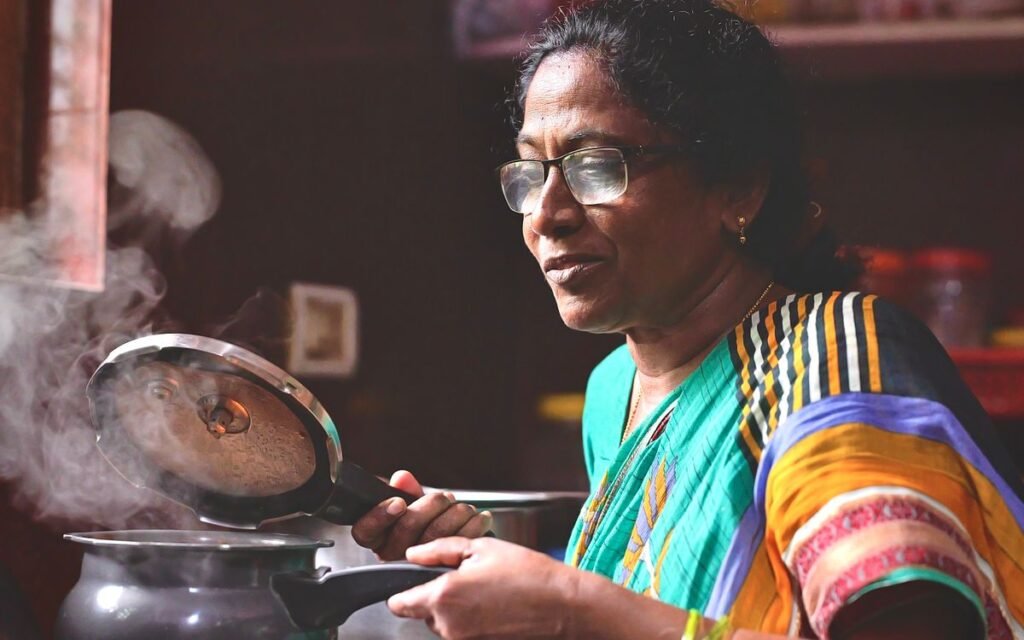
Most women expect menopause to be a single event. It isn’t. The years before it, called perimenopause, are often when symptoms feel strongest.
The NHS says the first sign of perimenopause is usually a change in your periods. They might come more or less often, or be heavier or lighter than usual.
Here’s what makes it confusing. You can still get pregnant during perimenopause. WHO advises using contraception until you’ve gone 12 months in a row without a period.
💡 Pro tip
Start a simple period and symptom diary on your phone now. Note dates, flow, hot flushes, sleep and mood. When you see a doctor, three months of notes are far more useful than “I’ve been feeling off”.

Menopause Symptoms: Physical Signs to Watch
The NHS lists a long range of physical symptoms. Not everyone gets all of them, and WHO notes that some women have few or none, while others have severe symptoms for years.
| Symptom | What it can feel like |
|---|---|
| Irregular periods | Cycles get shorter, longer, heavier or lighter |
| Hot flushes and night sweats | Sudden heat in the face and chest, waking up soaked |
| Sleep problems | Trouble falling asleep, waking at 3 am |
| Weight gain | Often around the stomach and upper body |
| Joint and muscle pain | Knees, shoulders and hands feel stiff or sore |
| Headaches | Migraines can get worse |
| Palpitations | A racing or pounding heartbeat |
| Vaginal dryness | Itching, burning or pain during sex |
| Urinary changes | More frequent UTIs, urgency or leaking |
| Skin and hair | Dry, itchy skin and thinning hair |
The ones people rarely link to menopause
Joint pain, sensitive teeth or sore gums, and frequent UTIs are all on the NHS list. Many women see an orthopaedic doctor for knee pain or a dentist for gum trouble without anyone asking about their periods. If you’re in your 40s and these appear together, mention menopause at your next appointment.
Mood, Memory and Mental Health Changes
Menopause isn’t only physical. The NHS lists these mental health symptoms:
- Mood swings, low mood or depression
- Anxiety, irritability and stress
- Poor memory and concentration, often called “brain fog”
In many Indian homes, this stage overlaps with heavy responsibilities: teenage children, ageing in-laws, office pressure and running the house. So irritability or forgetfulness gets dismissed as “she’s just stressed”. Sometimes it is stress. Sometimes it’s hormones, and that’s treatable.
If low mood lasts for weeks or affects daily life, please talk to a doctor. The NHS says antidepressants or cognitive behavioural therapy (CBT) may be offered for low mood and anxiety linked to menopause.
When to See a Doctor (Don’t Skip This)
Here’s the sign I promised to flag. Most menopause symptoms are uncomfortable but not dangerous. A few need a proper check.
⚠️ Watch out
See a doctor if you’ve had no period for 12 months or more and then get any vaginal bleeding, even spotting or a pink or brown discharge. The NHS lists this as a reason to see a GP. Bleeding after menopause should always be checked.
The NHS also suggests seeing a doctor if:
- You think you have perimenopause or menopause symptoms and want to discuss treatment.
- You have palpitations.
- You still get periods but bleeding is much heavier than before.
- You’re on HRT and still have irregular or heavier bleeding after 6 months.
Long-term health risks to discuss
WHO says the drop in oestrogen at menopause speeds up bone loss, which raises the risk of osteoporosis and fractures. It also says women’s lower heart disease risk compared with men fades after menopause. Ask your doctor whether you need a bone density scan or heart health checks, especially if osteoporosis runs in your family.
Treatment Options That Actually Work
You don’t have to just “bear it”. WHO says both hormonal and non-hormonal treatments can relieve symptoms, chosen with your doctor based on your history and preferences.
| Option | What it helps with | Notes |
|---|---|---|
| Hormone replacement therapy (HRT) | Hot flushes, sleep, mood, vaginal dryness, bone loss | Tablets, patches, gels or sprays. Needs a doctor’s prescription |
| Vaginal oestrogen creams or pessaries | Vaginal dryness and urinary symptoms | Applied locally |
| CBT | Hot flushes, sleep, low mood and anxiety | A talking therapy |
| Antidepressants | Low mood and anxiety, sometimes hot flushes | Prescribed by a doctor |
| Vaginal moisturisers and lubricants | Dryness and discomfort | Available at pharmacies without a prescription |
According to the NHS treatment guide, women who still have a womb need progestogen alongside oestrogen in HRT to protect the womb lining. That’s one reason HRT should always be prescribed and monitored, never bought on a friend’s advice.
What about herbal remedies?
The NHS says evidence for herbal products like red clover and black cohosh is limited, and they can cause serious side effects when mixed with other medicines. The Ministry of Ayush has promoted diet, yoga and Ayurvedic support for menopause, as All India Radio reported. If you want to try any herbal product, tell your doctor first, especially if you take other medicines.
 Also readThe Ultimate Guide to the Benefits of Strength Training for Women
Daily Habits That Ease Menopause Symptoms
Treatment is the doctor’s job. These everyday habits, from the NHS self-help guide, are yours.
For hot flushes:
- Wear light cotton clothes and keep the bedroom cool with a fan
- Notice your triggers: spicy food, hot chai, caffeine, alcohol and smoking are common ones
- A cool shower or a chilled glass of water can help in the moment
For bones:
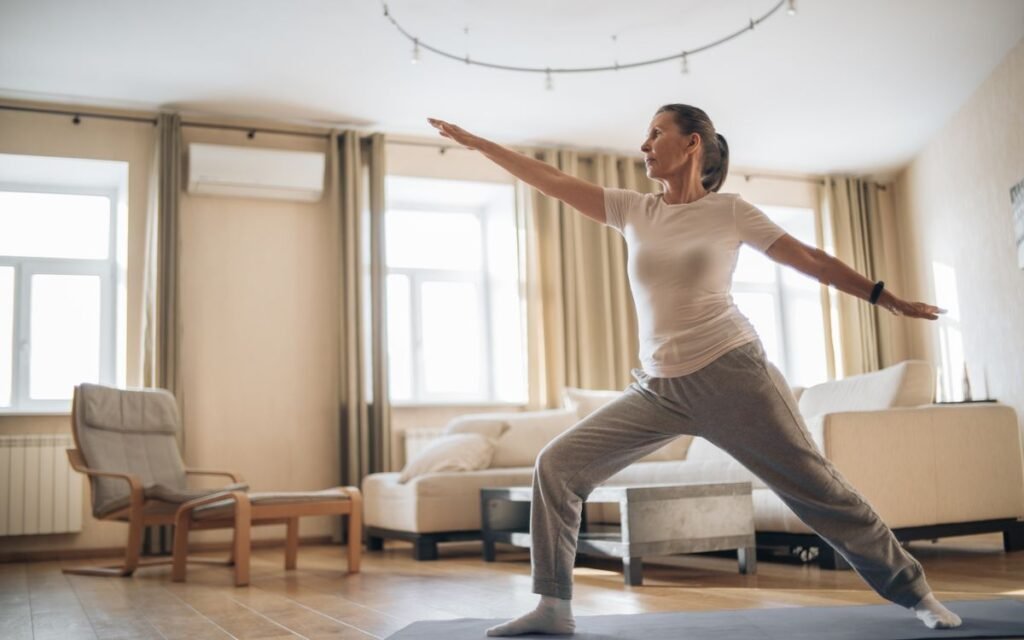
- Do weight-bearing exercise like brisk walking or dancing, plus some strength training
- Eat calcium-rich foods like milk and curd (here are more natural calcium sources)
- Get some sunlight for vitamin D, and ask your doctor whether you need a supplement
For sleep and mood:
- Keep a regular sleep routine, and try these tips for better sleep
- Yoga, meditation or a daily walk can help you relax
- Talk to friends, sisters or colleagues going through the same thing
That last point matters more than it sounds. Menopause is still a “hush-hush” topic in many families. Talking about it openly helps you, and it helps the younger women around you know what’s coming.
Frequently Asked Questions
What are the first signs of menopause?
Changes in your periods are usually the first sign, according to the NHS. Periods may become irregular, heavier or lighter. Hot flushes, poor sleep and mood changes often follow.
At what age does menopause start in India?
A pan-India survey by the Indian Menopause Society found an average natural menopause age of 46.2 years, with perimenopause starting at around 44.7 years on average.
How long do menopause symptoms last?
The NHS says symptoms usually last 7 to 9 years, and sometimes longer. Some, like joint pain and vaginal dryness, may continue after menopause.
Can you get pregnant during perimenopause?
Yes. WHO advises using contraception until you’ve gone 12 consecutive months without a period.
Is HRT safe?
HRT can relieve many symptoms and helps protect bones, but it isn’t right for everyone. A doctor will look at your medical history, family history and preferences before prescribing it.
The Bottom Line
Menopause symptoms often start in the early 40s for Indian women, and many of them get blamed on stress or age. Track your periods and symptoms, see a doctor about anything that bothers you, and never ignore bleeding after menopause. Share this with your mother, sister or a friend in her 40s. It might save her years of confusion.
Keep reading
Read nextAlways Tired? It Could Be Vitamin B12 Deficiency (Signs to Check) Read next10 Best Natural Sources for Calcium
 Read nextCalm Your Mind and Embrace Peace – Best Tips for Managing Stress and Anxiety That Truly Work
Sources
- WHO: Menopause fact sheet
- NHS: Menopause symptoms
- NHS: Menopause treatment
- NHS: Things you can do to help with menopause symptoms
- Journal of Mid-Life Health (2016), via PMC: Age of menopause, a pan-India survey by IMS
- All India Radio: Ayush Ministry message on World Menopause Day