
“Drink 4 litres a day for glowing skin.” “Chug a bottle first thing in the morning.” You’ve seen these tips on Instagram and in the family WhatsApp group. Now a different message is going around: that drinking too much water can be dangerous.
Both are partly true.
Drinking too much water in a short time can dilute the sodium in your blood, and in rare cases that becomes an emergency. But for most healthy people, the real problem is the opposite. So how much is right? There’s a simple check you can do every day, and it’s in section 5.
This article is for information only and isn’t medical advice. If you have a heart, kidney, liver or thyroid condition, please consult a doctor about how much fluid is right for you.
⚡ Key takeaways
- Healthy kidneys can clear roughly 0.8 to 1 litre of water an hour. Drinking much faster than that, for hours, is where trouble starts.
- The danger is low blood sodium (hyponatremia): headache, nausea, confusion and, in severe cases, seizures.
- Most at risk: endurance athletes, people on certain medicines (some diuretics, antidepressants), and people with heart, kidney or liver disease.
- For most healthy adults, NHS guidance of 6 to 8 glasses of fluid a day, plus thirst and pale yellow urine, is a sensible guide.
Can Drinking Too Much Water Really Hurt You?
Yes, but it’s rare in healthy people. The condition is called hyponatremia, which means the sodium level in your blood has dropped too low. Cleveland Clinic defines low sodium as below 135 mEq/L.
Sodium helps control the balance of water in and around your cells. When too much water dilutes it, water moves into cells and they swell. Cleveland Clinic warns that severe hyponatremia can cause swelling in tissues, including the brain, which is why it can become dangerous.
Here’s the reassuring part. Cleveland Clinic also notes that with normal kidney function, excess water alone rarely causes low sodium. Problems usually happen when someone drinks huge amounts in a short time, or has another factor working against them.
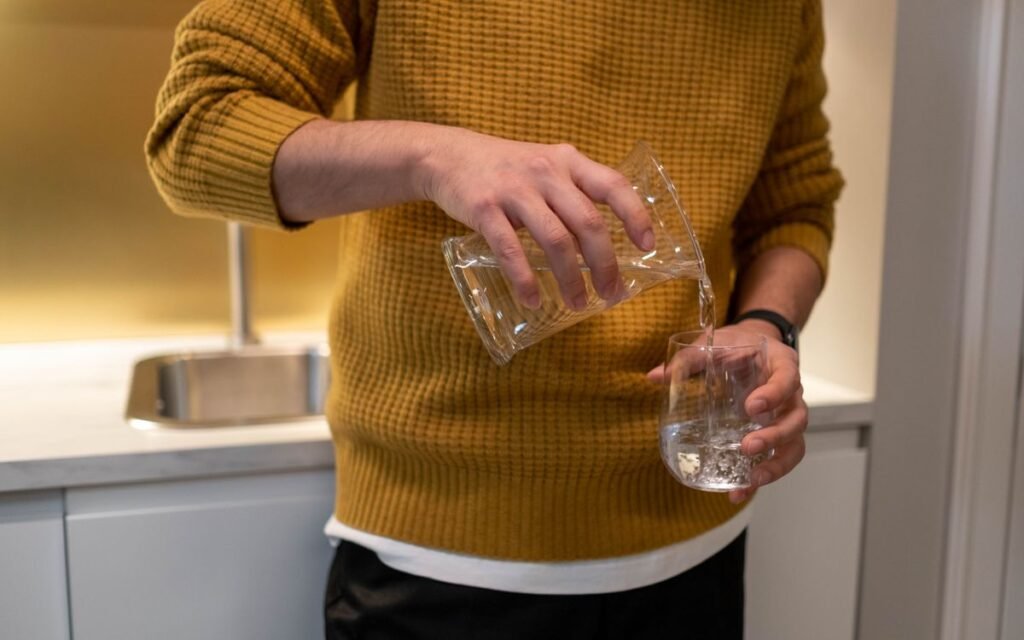
The Speed Limit: Why Timing Matters More Than the Total
Your kidneys are good at removing extra water, but they have a limit. According to Medical News Today, healthy kidneys can remove about 0.8 to 1.0 litre of water per hour.
That’s the key idea. Drinking 3 litres spread over a whole day is nothing like drinking 3 litres in an hour. The first is normal. The second can overwhelm your kidneys, and the extra water stays in your blood.
Where people get this wrong
- “Water challenges” on social media, where people drink litres in minutes
- Long runs or treks, drinking only plain water while sweating out salt for hours
- “Detox” routines that push 5 to 6 litres a day on top of normal food and tea
💡 Pro tip
If you’re out on a long run, a day-long trek or a hot day of outdoor work, don’t rely on plain water alone. MedlinePlus suggests electrolyte-containing drinks during vigorous activity to help keep sodium in a healthy range.
 Also readAlways Tired? It Could Be Vitamin B12 Deficiency (Signs to Check)
Warning Signs of Too Much Water
The early signs are vague, which is why they’re easy to miss. Medical News Today notes that symptoms “can be vague or unspecific”. Here’s what the sources list.
| Stage | Signs to watch for |
|---|---|
| Early | Headache, nausea, vomiting, feeling bloated |
| Getting worse | Confusion, tiredness, muscle weakness, cramps or spasms, irritability |
| Emergency | Seizures, severe drowsiness, difficulty breathing, loss of consciousness |
Sources: Cleveland Clinic, MedlinePlus and Medical News Today.
⚠️ Watch out
If someone has been drinking large amounts of water and becomes confused, has a seizure or is hard to wake, treat it as a medical emergency. Call 112 or go to the nearest hospital. Don’t make them drink more.
Don’t confuse it with dehydration
Headache and tiredness are also signs of dehydration, which is far more common. The difference is context. If you’ve had little to drink, feel thirsty and your urine is dark yellow, you’re more likely short on fluid. If you’ve been drinking a lot, feel bloated and your urine is completely clear all day, too much water is the likelier issue.
Who Is Most at Risk
Most healthy people will never drink enough water to hurt themselves. But some groups need to be more careful.
| Group | Why the risk is higher |
|---|---|
| Endurance athletes and trekkers | Long hours of sweating salt while drinking only plain water |
| People on diuretics or SSRIs | Cleveland Clinic lists both among medicines linked to low sodium |
| People on NSAIDs or opiate painkillers | Harvard Health lists these among medicines that cause water retention |
| Heart, kidney, liver or thyroid patients | These conditions affect how the body handles fluid |
| Heavy beer drinkers | Cleveland Clinic names “beer potomania” as a cause |
Harvard Health notes that people with thyroid disease, or kidney, liver or heart problems, can be at risk of taking in too much water. If that’s you or a parent at home, ask the doctor for a fluid target instead of following social media advice.
Older adults face the opposite risk more often. Harvard Health says they sense thirst less and may take diuretics, so they’re more likely to be dehydrated. If your parents or grandparents drink very little, gently keep an eye on them.

How Much Water Do You Actually Need?
There’s no single number that fits everyone. The CDC says daily needs vary by age, sex, pregnancy, activity and breastfeeding.
Still, here are the benchmarks from trusted bodies:
| Source | Guidance |
|---|---|
| NHS (UK) | 6 to 8 cups or glasses of fluid a day |
| US National Academies | Total water from food and drinks: about 3.7 litres for men, 2.7 litres for women |
| Harvard Health | About 4 to 6 cups of plain water a day for most healthy people |
The numbers look different, but they measure different things. The National Academies figure includes water from food, which supplies about 20% of the total. Tea, milk, buttermilk and the water in your dal and sabzi all count. The NHS also counts lower-fat milk and lower-sugar drinks like tea and coffee.
The simple daily check
This is the check I promised at the start.
The NHS says a good sign you’re drinking enough is urine that’s clear to pale yellow. Dark yellow means drink a bit more. Completely clear all day, every day, while you’re forcing extra glasses? You can probably ease off.
The National Academies panel also concluded that most healthy people meet their needs by drinking at meals and letting thirst guide them.
When you need more
The CDC says your body needs more water in hot climates, during physical activity, and when you have a fever, diarrhoea or vomiting. Think of an Indian summer, a sweaty commute in Chennai humidity, or a bout of stomach flu. In those cases, the NHS suggests sipping fluids gradually and asking a pharmacist about oral rehydration solution (ORS) if you’re losing fluid through vomiting or diarrhoea.
 Also readHow to Improve Your Sleep Quality and Wake Up Refreshed Every Morning
Myths About Water to Drop Today
Water advice online is full of half-truths. Here are the ones worth letting go.
- “Everyone must drink 4 litres a day.” No trusted guideline says that for all adults. Your needs depend on your body, climate and activity.
- “More water flushes out toxins faster.” Your kidneys and liver do that job. Extra water beyond what you need just means more trips to the bathroom.
- “Tea and coffee don’t count.” The NHS and National Academies both count them toward your fluid intake.
- “If you’re thirsty, you’re already dehydrated, so drink constantly.” The National Academies panel said thirst is a reasonable guide for most healthy people.
- “You can’t drink too much water.” You can, though it’s rare in healthy people and usually involves drinking a lot, fast.
A balanced routine works better than any rule: a glass with each meal, water nearby during work, and more on hot or active days. Pair it with daily walking and a balanced diet, and you’ve covered most of what “hydration hacks” promise.
Frequently Asked Questions
How much water is too much in a day?
There’s no fixed upper limit for healthy adults. The risk comes from drinking much faster than your kidneys can clear, which is about 0.8 to 1 litre an hour, especially over several hours.
What are the first signs of drinking too much water?
Headache, nausea, vomiting and feeling bloated are common early signs. Confusion, muscle cramps or seizures mean you need urgent medical help.
Is drinking 4 litres of water a day bad?
For many healthy adults, 4 litres spread across a hot or active day is fine. It isn’t necessary for everyone, and people with heart, kidney or liver conditions should follow their doctor’s fluid advice.
Does tea or coffee count toward daily water intake?
Yes. The NHS counts lower-sugar drinks like tea and coffee, and the National Academies included caffeinated drinks in total water intake.
What colour should urine be if I’m drinking enough?
The NHS says clear to pale yellow is a good sign. Dark yellow, strong-smelling urine can mean you need more fluid.
The Bottom Line
Drinking too much water can be harmful, but it’s rare and usually happens when someone drinks litres very quickly or has a health condition. For everyday life, drink with meals, follow your thirst and check your urine colour. If you have a heart, kidney, liver or thyroid condition, ask your doctor for your personal fluid limit.
Keep reading
Read nextAlways Tired? It Could Be Vitamin B12 Deficiency (Signs to Check)
 Read nextRevitalize Your Life: Easy Ways to Stay Active During the Day and Embrace the Joy of Movement
Sources
- Cleveland Clinic: Hyponatremia, causes, symptoms and prevention
- MedlinePlus (US National Library of Medicine): Hyponatremia
- Medical News Today: Water intoxication and kidney clearance rate
- Harvard Health: How much water should you drink?
- National Academies: Dietary intake levels for water
- NHS: Water, drinks and your health
- NHS: Dehydration
- CDC: About water and healthier drinks