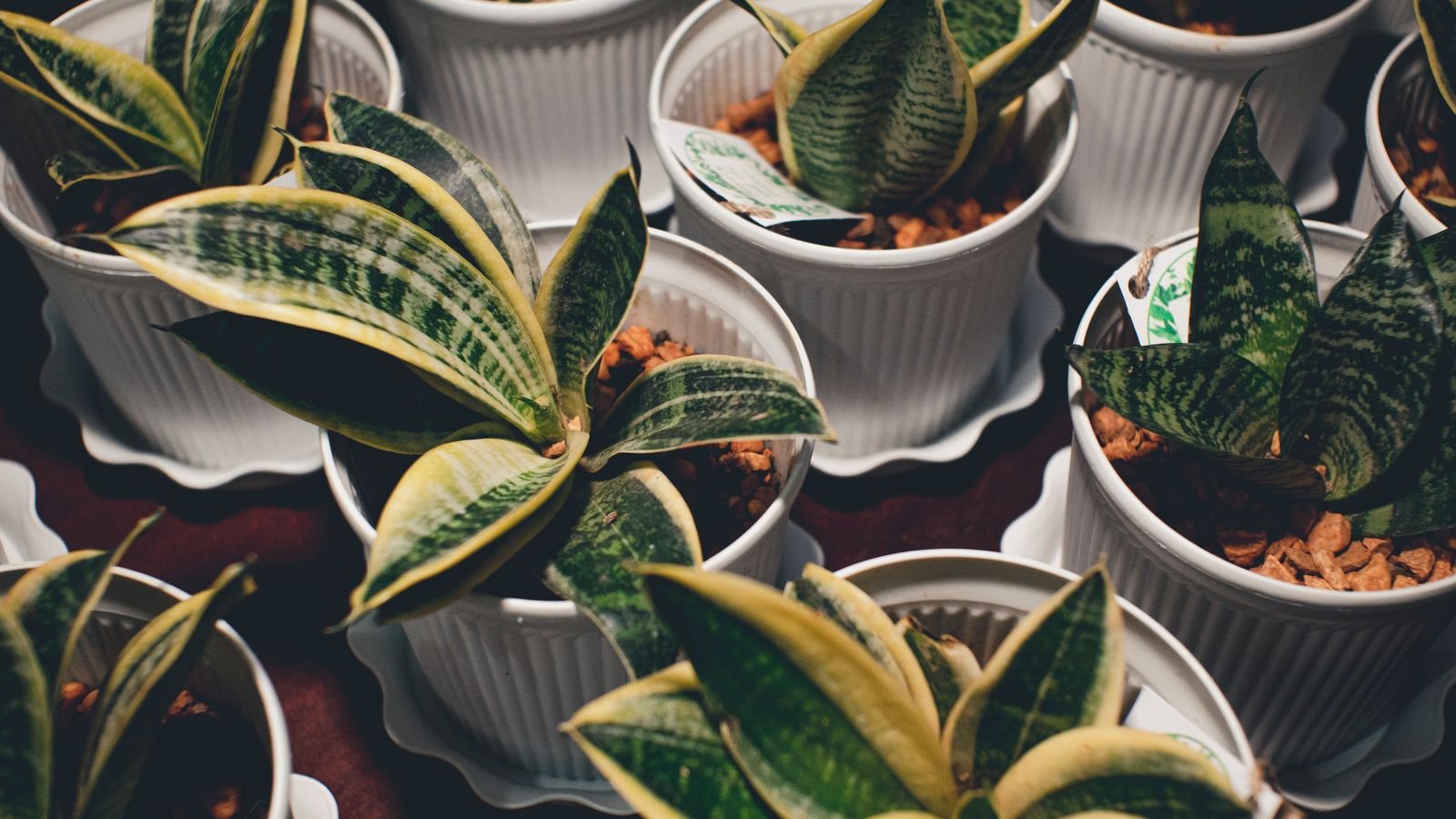
Do indoor plants clean air? Not in any way you’d notice. A review of 30 years of lab tests found you’d need 10 to 1,000 potted plants per square metre of floor just to match what normal ventilation already does.
For an average Indian bedroom, that’s at least 100 plants, and possibly thousands. Keep your money plant for how it looks. But if you’re buying plants this smog season to protect your lungs, section 4 covers what works instead.
⚡ Key takeaways
- The “air-purifying plants” idea started with a 1989 NASA study in small sealed chambers, not real homes.
- A 2019 review of 12 studies (196 experiments) found one plant cleans about 0.023 cubic metres of air an hour. That’s tiny.
- Matching normal ventilation needs 10 to 1,000 plants per square metre of floor.
- The review looked at gases (VOCs). For smog particles (PM2.5), the US EPA points to source control, ventilation and HEPA filtration.
- Plants are fine for mood and decor. Don’t count on them for asthma or smog.
Where the “Air-Purifying Plants” Idea Came From
Snake plant, money plant, areca palm, peace lily: you’ve probably seen them sold as “air purifying” on Amazon or at the local nursery. Some listings even claim one plant can clean a whole room.
The claim goes back to NASA. According to Drexel University’s summary of the research, NASA was looking for ways to clean air on space stations, and in 1989 it announced that plants could remove cancer-causing chemicals from the air.
The catch is how that was tested. Those experiments used small, sealed chambers, where a plant sat with a chemical for hours or days. A real home leaks and swaps air with the outside all the time, through windows, doors and gaps. The lab result never carried over.
What the Research Actually Found
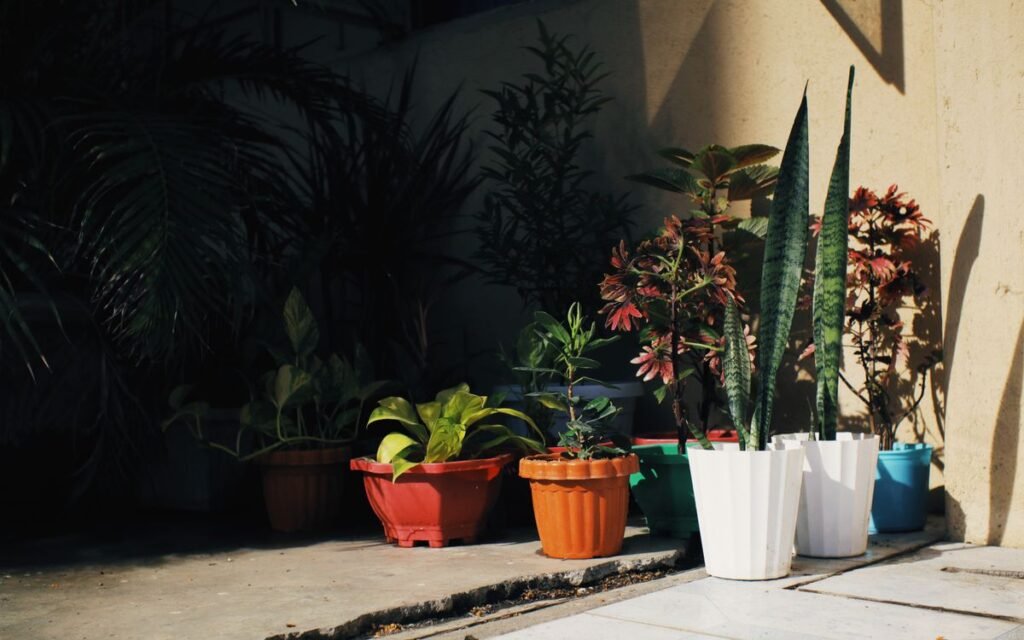
In 2019, Drexel University engineers Bryan Cummings and Michael Waring went back through the evidence. Their review, published in the Journal of Exposure Science & Environmental Epidemiology, covered 12 chamber studies and 196 experimental results.
They converted every result into a clean air delivery rate (CADR), the same number used to rate air purifiers. That made plants and purifiers comparable for the first time.
| What they measured | Result |
|---|---|
| Studies reviewed | 12 chamber studies, 196 experiments |
| Median clean air delivery rate of one plant | 0.023 cubic metres per hour |
| Plants needed to match normal ventilation | 10 to 1,000 per square metre of floor |
| Pollutants studied | VOCs (gases from paints, cleaners, furniture) |
What that means in a real flat
A typical 10×12 ft Indian bedroom is about 11 square metres. At 10 plants per square metre, the low end of the range, you’d need around 110 plants. At the high end, over 11,000. That’s my maths from the review’s own figure, and it’s why the authors say the claims are “vastly overstated”.
Michael Waring put it simply in the Drexel release: plants are great, but they “don’t actually clean indoor air quickly enough” to matter in a home or office.
 Also readAir Purifier for Home: The CADR Number That Matters for Your Room
Why Plants Can’t Keep Up (and Ventilation Can)
The review’s key point is about scale. In a normal building, outdoor air replaces indoor air roughly once an hour. That steady swap dilutes indoor gases far faster than any plant can absorb them.
Think of it like mopping a floor while the tap is running. The mop (your plant) is doing something, but the water (the air exchange) is doing almost all the work.
PM2.5 is a different problem
Delhi smog and Diwali smoke are mostly about fine particles, PM2.5, not just gases. The Drexel review didn’t test particles at all. So no, there’s no good evidence that a snake plant on your desk will cut PM2.5.
The US EPA’s guide to air cleaners sets out three strategies for indoor air, in order: reduce the sources, ventilate, then filter. It doesn’t list plants. It also warns that “no air cleaner or filter will eliminate all of the air pollutants in your home”.
⚠️ Watch out
If someone at home has asthma, COPD or heart disease, don’t swap a purifier or a doctor’s plan for plants. In smog season, use the steps below and follow your doctor’s advice.
What Actually Cleans the Air in Your Home
This is the open loop from the top. The EPA’s three steps work much better than a balcony full of pots.
1. Cut the sources
- Avoid agarbatti, dhoop and mosquito coils indoors on high-AQI days. All of them burn and release smoke.
- Use the kitchen exhaust or chimney every time you cook, especially for tadka and frying.
- Avoid crackers near open windows, and keep windows shut during peak firecracker hours.
2. Ventilate at the right time
Fresh air helps, but only when the outdoor air is cleaner than indoors. Check your city’s AQI first. On a “very poor” or “severe” day, keep windows mostly shut and air the house briefly when the AQI dips.
3. Filter what’s left
A HEPA air purifier sized for your room does the job plants can’t. The EPA’s chart suggests at least 65 CFM of CADR for a 100 sq ft room and 130 CFM for 200 sq ft. Our air purifier CADR guide breaks this down by Indian room size.
4. Protect yourself outside
When you have to step out on a bad day, a well-fitted N95 mask is the useful upgrade. See our N95 mask guide for pollution.
So Do Indoor Plants Clean Air at All?
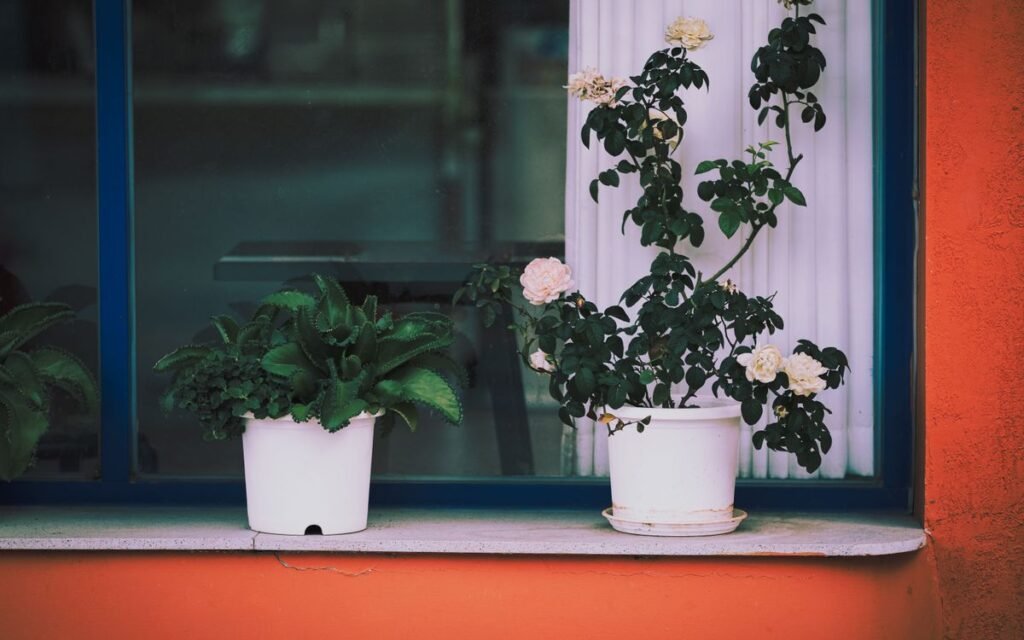
Barely. They just aren’t air purifiers, and that doesn’t make them pointless. The review’s authors suggest future research should look at things like the “biophilic productivity and well-being benefits” of plants instead of air cleaning. In other words, the interesting question is how plants make spaces feel, not what they filter.
Keep plants healthy, and keep them from adding problems
- Don’t overwater. Constantly wet soil can grow mould, which is bad news for anyone with allergies or asthma. The EPA notes that air cleaners don’t fix mould; the moisture causing it has to be fixed.
- Dust the leaves. Dusty leaves look sad and hold onto the dust you’re trying to get rid of.
If plants make you happier at home, that’s reason enough to have them. Just don’t pay a premium because a label says “air purifying”.
 Also readAsthma and Air Pollution: A Family Plan for Smog Season
Our Verdict
✅ Our verdict
Indoor plants don’t clean your air in any meaningful way. You’d need at least 100 of them in one bedroom to match normal ventilation, and that’s for gases, not smog particles. For smog season, cut indoor smoke, ventilate when the AQI allows, and run a properly sized HEPA purifier. Keep plants for joy, not for your lungs.
Who should take this seriously
Families in Delhi-NCR, Lucknow, Patna, Kanpur and other cities where winter AQI swings into “very poor”. Parents of young kids. Anyone with asthma or a heart condition. And anyone about to spend ₹2,000 on “air-purifying” plants in place of a filter.
Frequently Asked Questions
Do indoor plants clean air?
Not enough to matter. A review of 196 experiments found you’d need 10 to 1,000 plants per square metre of floor to match the air cleaning that normal ventilation already provides.
Does a snake plant purify the air at night?
There’s no good evidence that a snake plant noticeably cleans a bedroom’s air, day or night. The lab results behind these claims came from small sealed chambers, not real rooms.
Was the NASA plant study wrong?
Not exactly. NASA’s 1989 work looked at plants in sealed chambers for space stations. The problem is that its results were applied to homes and offices, which constantly exchange air with the outside.
Can plants reduce PM2.5 from smog?
The main review only covered gases, not particles, so there’s no solid evidence plants reduce PM2.5 at home. The US EPA recommends source control, ventilation and HEPA filtration instead.
What is the best way to clean indoor air in India?
Cut indoor smoke like agarbatti and frying fumes, ventilate when outdoor AQI is better, and use a HEPA purifier with enough CADR for your room. Wear an N95 outdoors on high-AQI days.
The Bottom Line
So, do indoor plants clean air? Not in any way your lungs will notice. Keep them for how they make your home feel, and use a HEPA purifier and smart ventilation for clean air this winter.
This article is for information only; consult a doctor if you have breathing problems. Next, see our guide on asthma in smog season.
Keep reading
Read nextAir Purifier for Home: The CADR Number That Matters for Your Room Read nextN95 Mask for Pollution: The AQI Number Where It Starts to Matter
Sources
- Cummings and Waring, J Expo Sci Environ Epidemiol 2020: Potted plants do not improve indoor air quality (PubMed)
- Drexel University: Study says potted plants don’t improve air quality (Nov 2019)
- US EPA: Guide to air cleaners in the home