
Eye irritation from pollution is real: burning, redness, a gritty feeling and watering that gets worse on high-AQI days. Most of it eases with simple steps like artificial tears, shut windows on bad days and wraparound glasses outside.
But a few symptoms aren’t “just pollution”, and section 5 lists the ones that need a doctor the same day.
⚡ Key takeaways
- Smoke and smog can cause burning, redness and tearing, says the American Academy of Ophthalmology (AAO).
- A Delhi study found 78% of daily commuters through polluted areas had eye symptoms, against 45% of people with short commutes.
- Use preservative-free artificial tears, stay indoors with windows shut on bad days, and wear close-fitting glasses outside.
- Don’t rub your eyes, and switch contact lenses for glasses when your eyes are irritated.
- A painful red eye, light sensitivity or changes in vision need a doctor quickly.
- This article is for information only; consult a doctor or eye specialist for advice.
Why Smog Makes Your Eyes Burn
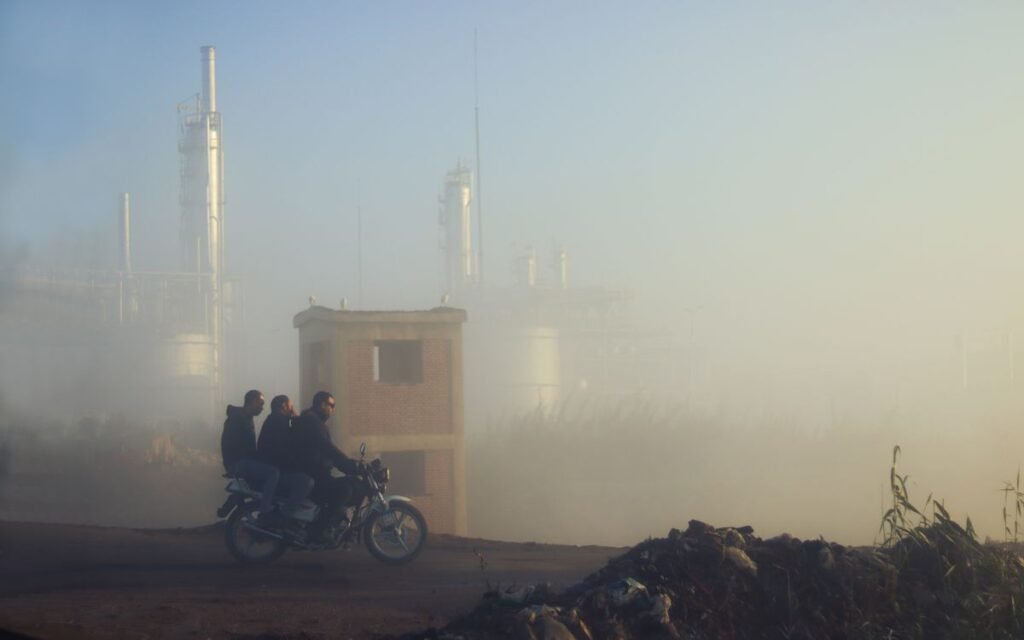
Your eyes are one of the few parts of your body that sit right in the air all day. In smog season that air carries smoke, dust and gases, and they land on the thin layer of tears that protects the eye surface.
The AAO says smoke can make your eyes burn and sting, and that people with dry eye, blepharitis or allergic conjunctivitis are especially likely to be affected. Its dry eye tips page cites a study of US veterans: people in and around Chicago and New York City were three to four times more likely to be diagnosed with dry eye than people in low-pollution areas.
The Delhi commuter study
A 2007 study from Delhi, published in the Indian Journal of Occupational and Environmental Medicine, compared 441 people who had commuted through heavily polluted areas for at least two years with 79 people who had short, mostly indoor commutes.
| Finding | Polluted commute | Short commute |
|---|---|---|
| Any eye symptom (redness, watering, irritation, strain) | 78% | 45% |
| Redness | 38% | 14% |
| Tear film break-up time | 11.2 seconds | 12.1 seconds |
The tear film broke up faster in commuters, which means their eyes dried out sooner. Both groups’ tests were still within normal limits, so the authors called it “subclinical”, meaning early changes rather than disease. That’s an old study, but Delhi’s winter air hasn’t got any kinder since.
Is It Pollution, Allergy or Dry Eye?
They overlap, and smog can worsen all three. The NHS dry eyes page describes dry eyes as itchy, sore or gritty, sometimes red, with blurry vision, light sensitivity or more watering than normal. Yes, watery eyes can be a sign of dryness.
| Clue | More likely |
|---|---|
| Burning and stinging that’s worse outdoors on high-AQI days | Pollution irritation |
| Gritty, tired eyes after long screen time or in AC rooms | Dry eye |
| Itching with sneezing or a runny nose | Allergy |
| Painful red eye, especially with contact lenses | Possible infection: see a doctor |
The NHS lists smoky, dry or dusty places, air-conditioned rooms, long screen time without breaks, contact lenses and age over 50 as things that raise the risk of dry eyes. In an Indian winter, many of us tick four of those every day.
 Also readN95 Mask for Pollution: The AQI Number Where It Starts to Matter
8 Fixes for Eye Irritation From Pollution
These come from the AAO and the NHS. Start with the first three; they help most people.
1. Use artificial tears
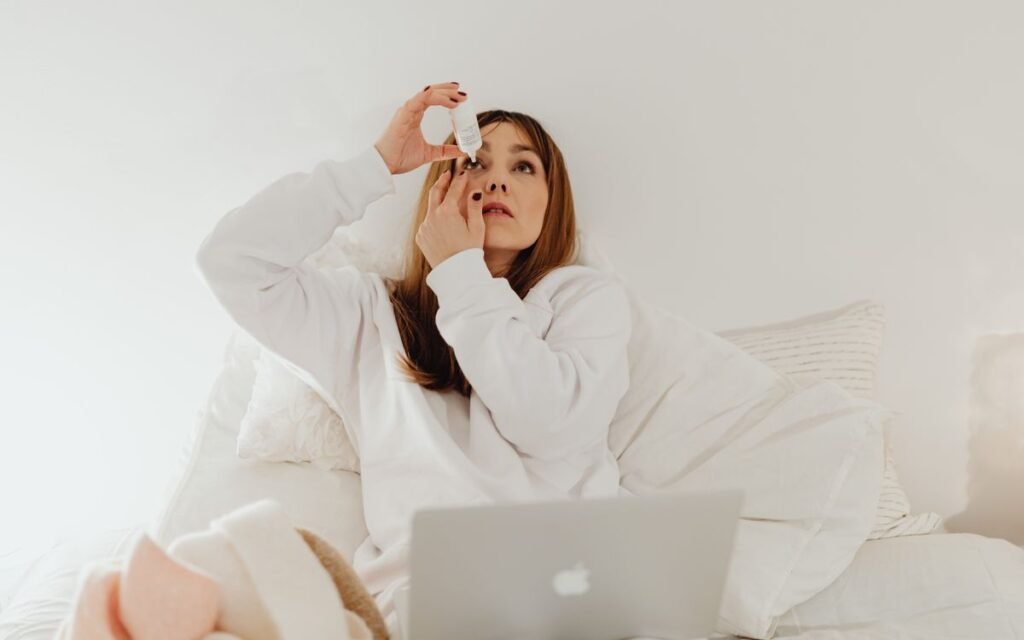
Over-the-counter lubricating drops rinse out particles and top up the tear film. The AAO suggests people who already use them may need them more often during smoky days. If you need drops more than once every two hours, the AAO advises preservative-free ones.
💡 Pro tip
The AAO suggests keeping your artificial tears in the fridge. Cool drops feel soothing on burning eyes. Ask a pharmacist which brand suits you.
2. Close windows on bad-air days
The AAO’s advice on smoky days is to close the windows and stay indoors as much as possible, especially if you have dry eye. Check your city’s AQI before opening up the house.
3. Wear close-fitting glasses outside
Close-fitting glasses or wraparound sunglasses slow the stream of air hitting your eyes. On a bike or auto, that makes a real difference. Even ordinary specs help a little.
4. Run a HEPA purifier indoors
The AAO says a HEPA air purifier can help keep smoke out of your home. Its dry eye page also suggests a humidifier for dry indoor air and a good air filter in polluted cities.
5. Use a cool compress
Lying down with a cold compress over closed eyes calms burning. The AAO recommends it for smoke-irritated eyes.
6. Don’t rub
Rubbing grinds particles across the eye surface and makes redness worse. Rinse with artificial tears instead.
7. Give contact lenses a break
The NHS says contact lens wearers should take them out and wear glasses to rest their eyes. A red eye with contact lenses can mean infection, so don’t push through it.
8. Blink more at screens
The AAO notes you blink less while reading, watching TV or working at a computer, which dries the eyes. Take a break about every 10 minutes and blink deliberately. The NHS also suggests keeping your screen just below eye level.
Mistakes That Make Smog Eyes Worse
- Rubbing while you rinse. If you splash water, use clean water and pat dry gently. Lubricating drops are the gentler option.
- Picking random medicated drops off the shelf. Lubricating artificial tears are the safe default. Ask a pharmacist before anything else.
- Steroid eye drops without a prescription. Never use them unless an eye doctor prescribes them, even if a friend swears by them.
- Sitting right under the AC. The NHS lists air-conditioned rooms as a risk factor. Point the vent away from your face.
- Skipping the doctor because “it’s just pollution”. See section 5.
⚠️ Watch out
On Diwali night, keep children and elders well back from crackers. Smoke irritates eyes, but sparks and burns can injure them. Any eye injury from a cracker needs emergency care, not home treatment.
 Also readAsthma and Air Pollution: A Family Plan for Smog Season
When to See a Doctor
This is the part from the top. Most smog irritation settles within a day or two of cleaner air or regular drops. But the NHS lists signs that need help fast.
Same day (see a doctor or eye specialist urgently)
- Your eye is painful and red
- You have a red eye and wear contact lenses
Emergency (go to the nearest hospital)
- Changes in your sight, like wavy lines, flashes or loss of vision
- Pain when you look at light
- A red eye with a severe headache and nausea
- An eye that’s very dark red
- An injury, or something stuck in your eye
Within a few weeks
If dry, gritty eyes don’t improve after a few weeks of home care, see an eye doctor. The AAO says an ophthalmologist can examine the eye with a slit lamp and may prescribe a short course of anti-inflammatory drops if needed.
Who Needs to Be Extra Careful
Some people feel smog in their eyes far more than others:
- Two-wheeler riders, auto drivers and traffic police, who spend hours in road-level smoke. The Delhi study found commuters had much more redness.
- People over 50, who are more prone to dry eyes, per the NHS.
- Contact lens wearers.
- People with dry eye, blepharitis or allergies, whom the AAO flags as especially susceptible.
- Office workers in AC rooms who stare at screens all day.
If you’re in one of these groups, keep a small bottle of preservative-free drops in your bag through the winter and wear glasses on the road.
Our Verdict
✅ Our verdict
For most people, eye irritation from pollution is uncomfortable rather than dangerous. Artificial tears, shut windows on bad-air days and close-fitting glasses outdoors fix most of it. Don’t rub, don’t self-medicate with steroid drops, and see a doctor quickly for a painful red eye or any change in vision.
If you only do three things
- Keep a bottle of preservative-free artificial tears at home and in your bag.
- Check the AQI before opening windows or heading out on a two-wheeler.
- Wear glasses, ideally close-fitting ones, every time you ride or walk on a busy road.
These cost little, take seconds, and cover most of what the AAO and NHS advise for smoky, dusty days.
Frequently Asked Questions
Can air pollution cause eye irritation?
Yes. The American Academy of Ophthalmology says smoke can cause burning, stinging and redness, and a Delhi study found daily commuters through polluted areas reported far more eye symptoms than people with short commutes.
What eye drops are good for pollution?
Lubricating artificial tears are the usual first choice. The AAO suggests preservative-free versions if you need them more than once every two hours. Ask a pharmacist or eye doctor, and avoid steroid drops without a prescription.
Should I wash my eyes with water after coming home?
A gentle rinse with clean water is fine, as long as you don’t rub. Artificial tears are a gentler way to rinse out particles, and the AAO recommends them for smoke-irritated eyes.
Can pollution cause permanent eye damage?
For most people, smog irritation is temporary and settles with cleaner air and drops. Persistent dryness should be checked by an eye doctor, and any pain or vision change needs prompt medical care.
Do sunglasses help with pollution?
Close-fitting or wraparound glasses help by slowing the air and particles reaching your eyes. The AAO recommends them on smoky days.
The Bottom Line
Eye irritation from pollution usually responds to simple care: drops, glasses, shut windows and no rubbing. Keep an eye on the warning signs, and don’t wait if your eye is painful or your vision changes. This article is for information only; consult a doctor or eye specialist for advice. For the rest of your body this smog season, see our N95 mask guide and air purifier CADR guide.
Keep reading
 Read nextAir Purifier for Home: The CADR Number That Matters for Your RoomRead nextAsthma and Air Pollution: A Family Plan for Smog Season
Sources
- American Academy of Ophthalmology: What to do when smoke gets in your eyes
- American Academy of Ophthalmology: Dry eye tips
- NHS: Dry eyes
- Gupta et al., Indian J Occup Environ Med 2007: Vehicular pollution and the ocular surface in Delhi