
An AI voice clone scam is a phone call where a scammer uses software to copy the voice of someone you love, then begs for money in a fake emergency. The fix is a family code word and one rule: hang up and call the person back on the number already saved in your phone.
It works because the voice really does sound right. In Indore this January, a teacher paid ₹97,500 to a caller who sounded exactly like her brother. The detail that should have stopped her is in section 3, and scammers use it almost every time.
⚡ Key takeaways
- What it is: scammers copy a voice from a short clip (often from social media) and call a relative with a fake emergency.
- Real Indian losses: ₹97,500 in Indore, ₹1.97 lakh in Hyderabad and ₹50 lakh in a case reported in Mumbai in October 2026.
- The best defence: a family code word that never goes online, plus calling back on the saved number.
- Red flags: new number, panic, secrecy, a QR code or “I already sent you money” SMS.
- Already paid? Call 1930 or report at cybercrime.gov.in right away, and call your bank.
How an AI Voice Clone Scam Works
The trick is old: “your son is in trouble, send money now”. What’s new is the voice. The US Federal Trade Commission warned back in 2023 that a scammer needs only “a short audio clip of your family member’s voice”, which could come from content posted online, plus a voice-cloning program, as NPR reported.
The FBI’s December 2024 public alert says the same. Criminals “generate short audio clips containing a loved one’s voice” to fake a crisis and ask for urgent money or a ransom.
Indian police describe the same pattern. In the Indore case, police said fraudsters take a short audio sample from social media, clone the voice with AI tools and then call the person’s relatives with a fake emergency. Age UK, the British charity for older people, says AI can copy a voice from as little as 3 seconds of audio.
Where your family’s voice comes from
Think about what you post. Reels, YouTube shorts, birthday videos, WhatsApp voice notes forwarded to big groups.
Anyone who speaks on camera online has already handed out a sample. I’m not telling you to stop posting. I’m telling you to stop treating a familiar voice as proof.

Real Cases From India: What Actually Happened
Each of these was reported by police or a news outlet. Notice how similar the scripts are.
Indore: ₹97,500 for a “heart surgery”
A 43-year-old school teacher in Indore’s Lasudia area got a night call from an unknown number, the Free Press Journal reported on 9 January 2026. The voice matched her brother, whom she calls “Munnu Bhaiya”. He said he was at a hospital for a friend’s urgent heart surgery, his bank account had a “technical issue”, and asked her to pay the doctor by QR code.
He claimed he had already transferred the money to her. A fake “credit” SMS arrived to prove it. In a panic she didn’t check her balance and made four Google Pay payments totalling ₹97,500. When she called her real brother, he had never called her.
Hyderabad: ₹1.97 lakh after one word
A 72-year-old homemaker got a WhatsApp message that seemed to come from her sister-in-law’s number in New Jersey, asking for money, according to The Hans India. She did the sensible thing and called to check.
A familiar voice said “yes”, and she paid ₹1.97 lakh via Google Pay. Officials believe the voice was AI-generated.
Mumbai: ₹50 lakh handed to a courier
The Free Press Journal reported on 15 October 2026 that a 69-year-old man was cheated of ₹50 lakh. A WhatsApp call came from an unfamiliar number showing the profile photo of a respected figure in his community. The voice matched.
The caller said he was stranded in Delhi and needed a loan. Cash was handed to a courier, and then every number went dead. Cybercrime police were investigating when the report came out.
📝 Note
I couldn’t find any official count of voice-clone cases in India, and the FTC told NPR it couldn’t estimate numbers either. So treat any “X% of Indians” figure you see on social media with suspicion unless it names a real survey.

Warning Signs: Voice Clone Call vs Real Emergency
You can’t rely on your ears. The FBI notes that AI removes many of the old warning signs, and Age UK says the best fakes sound perfect. So check the situation, not the voice.
| What you notice | Real family emergency | Likely scam |
|---|---|---|
| Number | Their saved number, or a hospital/police landline you can call back | New or foreign number, often on WhatsApp |
| Profile photo | Usually theirs | Copied photo of the person, which proves nothing |
| Money route | They’re fine with you calling others first | Wants UPI, QR code, cash courier or gift cards right now |
| “I already sent you money” | Rare, and the bank app shows it | Fake “credit” SMS, balance hasn’t changed |
| Secrecy | Happy for you to tell family | “Don’t tell Papa”, “don’t call anyone” |
| Call quality | Normal chat, answers questions | Short answers, crying, “network is bad”, hangs up when you ask details |
The detail from the hook: “I already sent you money”
Here’s the catch I promised. In the Indore case, the scammer claimed he’d already transferred money and sent a fake credit SMS. That one move makes you feel you’re only passing money along, not losing it.
⚠️ Watch out
An SMS saying money was credited means nothing. Open your bank app or check your balance before you pay anyone. Our guide to spotting a fake UPI payment screenshot or SMS shows what real credits look like.
The Family Code Word: Set It Up Tonight
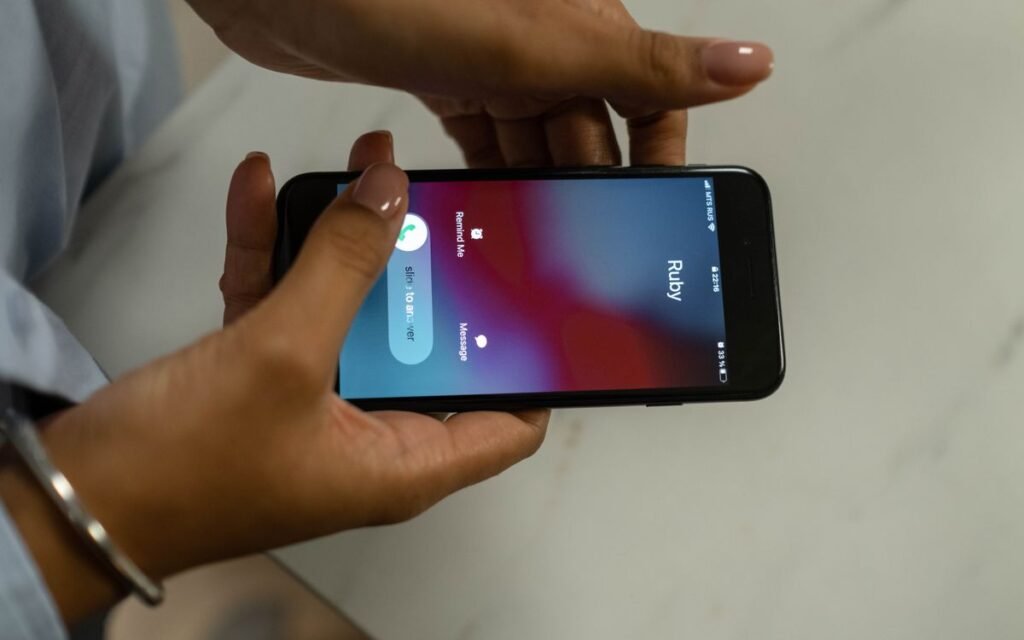
Honestly, this is the best fix on the list, and it’s free. Age UK suggests agreeing a “safe phrase” with close family, a word only you know, and never sharing it by text or online.
How to pick a good code word
- Choose something odd but easy: your first pet’s name, a joke from a family trip, a dish only Nani makes. Not a birthday or anything on Facebook.
- Say it in person or on a normal call, not in the family WhatsApp group. Chats get hacked and forwarded.
- Tell everyone the rule: any call asking for money, from any number, must include the code word. No word, no money.
- Ask for it, don’t give it. If the caller says “what’s our code word?”, that’s a scammer fishing. Make them say it.
- Change it if you ever use it in a real emergency or think someone overheard.
If the caller can’t give the word
Don’t argue. Say “I’ll call you back” and hang up. A real child in trouble will understand. A scammer will push harder, cry louder or get angry, and that’s your answer.
💡 Pro tip
For parents who may forget the word under stress, use a question instead: “What did we eat on Diwali night?” Panic makes people forget passwords, but they remember family moments.
What to Do When the Panic Call Comes
Every police advisory we read says the same thing in different words: pause, verify, then act. Here’s the order.
- Slow down. Scammers want you rushed. Say you need two minutes.
- Ask for the code word or a question only the real person can answer.
- Hang up and call back on the saved number. Not the number that just called. The FTC’s advice is to hang up and call the person directly. In Hyderabad, calling back the number that had messaged didn’t help, because a cloned voice answered, officials believe.
- Call someone near them. A spouse, roommate, office colleague or hostel warden can confirm in seconds.
- Try a video call on their saved number. Hyderabad police advised verifying by video call or other means.
- Check your bank balance before believing any “I sent you money” message.
- Never pay by QR code, gift card or cash courier to a caller you haven’t verified.
 Also readPhone Safety for Parents: 9 Settings to Fix on Your Diwali Visit
Already Paid? Report It Within the Hour
Speed matters. The sooner a fraud is reported, the better the chance of freezing the money before it moves.
Step 1: Call 1930
1930 is the national cyber fraud helpline. You can also file a complaint at cybercrime.gov.in, the National Cyber Crime Reporting Portal, which the Department of Telecom’s Sanchar Saathi site points to for people who have already lost money.
Step 2: Call your bank
Use the number on your card or passbook. Give them the transaction IDs (UTR numbers) from your UPI app and ask them to raise a fraud complaint. Our guide on what to do when money goes missing from your bank account has the full checklist.
Step 3: Report the number on Chakshu
If you didn’t lose money but got the call, report the number on Chakshu at sancharsaathi.gov.in. The DoT says Chakshu takes reports of suspected fraud calls and messages, including impersonation, and complaints made within 30 days are investigated.
Step 4: Warn your family
Tell the person whose voice was copied. Their account or videos may be used again, and they should warn their own contacts.
Make Your Family Harder to Fool
The code word is step one. These small changes cut off the other routes scammers use.
- Turn on WhatsApp two-step verification for everyone, so nobody can take over a relative’s account and message you from it. Here’s our two-step verification guide.
- Set Instagram and Facebook to private if you post a lot of videos with your voice, or at least limit who can download them.
- Save every relative’s number with their full name, so an “unknown number” stands out at once.
- Talk about it at the dinner table. Tell older relatives about the Indore and Hyderabad cases. A trick you’ve heard about is easier to spot when it happens to you.
- Keep 1930 saved in your parents’ phones as “Cyber Fraud Helpline”.
India’s caller name display rollout may help too, since you’ll see the registered name of the calling SIM. Our CNAP explainer covers it. It won’t stop WhatsApp calls, though, so the code word still matters.
✅ Our verdict
Don’t trust a voice on its own any more, even your own child’s. Set a family code word tonight, make “hang up and call back on the saved number” a house rule, and never pay a caller because of an SMS that says money was credited. These three habits beat any app.
Frequently Asked Questions
What is an AI voice clone scam?
It’s a fraud where criminals use AI software to copy a person’s voice from a short recording, then call that person’s family with a fake emergency to get money. The FTC and FBI have both warned about it, and Indian police have reported cases in Indore, Hyderabad and Mumbai.
How can I tell if a voice on the phone is AI?
Often you can’t, which is the point. Instead of judging the voice, ask for your family code word, hang up and call back on the saved number, and check your bank balance before trusting any “money sent” message.
How much audio do scammers need to clone a voice?
The FTC says a short clip is enough, and Age UK says as little as 3 seconds. Public videos and forwarded voice notes are common sources.
Where do I report a voice cloning fraud in India?
Call 1930 or file a complaint at cybercrime.gov.in if you’ve lost money, and call your bank at once. If you only got the call, report the number on Chakshu on the Sanchar Saathi portal.
Should I stop posting videos online?
You don’t have to. Keeping accounts private helps, but the real protection is a family code word and the call-back rule, because some voice will always be out there.
The Bottom Line
The AI voice clone scam runs on love and panic. The software is just the costume. A voice that sounds exactly like your child is no longer proof, so set up a code word with your family tonight and agree that every money request gets a call back on the saved number.
Next step: message your family group “Let’s talk about something on our next call”, then agree on the word in person or by voice, never in the chat.
Keep reading
 Read nextWedding Invitation Scam: The WhatsApp Card That Is Really an AppRead nextDigital Arrest Scam: How It Works and the 3 Steps That Stop It
 Read nextHow Many SIM Cards in Your Name? Check in 2 Minutes (Free)
Sources
- NPR, 22 Mar 2023: FTC consumer alert on AI voice clones in family emergency scams (short clip, hang up and call back)
- FBI IC3 Public Service Announcement I-120324-PSA: criminals use generative AI, including cloned voices of loved ones
- Free Press Journal, 9 Jan 2026: Indore teacher loses ₹97,500 to AI voice clone of her brother, fake credit SMS
- The Hans India: Hyderabad woman loses ₹1.97 lakh to AI voice scam, police advisory
- Free Press Journal, 15 Oct 2026: Senior citizen loses ₹50 lakh in AI voice-cloning scam
- The Tribune: Himachal cybercrime DIG on voice cloning scams
- Age UK: AI scams, how to spot them (3 seconds of audio, family safe phrase)
- Sanchar Saathi (DoT): Chakshu, report suspected fraud communication; 1930 and cybercrime.gov.in for money lost