
The CNG price in Mumbai went up by ₹1.50 to ₹91.50 a kilo from 15 November 2026, the second Mahanagar Gas (MGL) hike in about two weeks. Short answer to the question every CNG owner is asking: yes, CNG is still clearly cheaper to run than petrol, at roughly ₹2.71 a km against ₹4.49 in a Dzire on official mileage figures.
The gap that matters now is the one at the showroom, not the pump. If you’re buying a new car, section 4 shows how many kilometres it takes to earn back the extra ₹95,000 or so a CNG variant costs, and for some people the answer is “almost never”.
⚡ Key takeaways
- New rate: CNG in Mumbai and MMR is ₹91.50/kg from 15 Nov 2026 (was ₹90 from 1 Nov). PTC News says it is the eighth hike this year, up from ₹80.50 in January.
- Running cost (our maths, official mileage): Dzire CNG about ₹2.71/km vs Dzire petrol about ₹4.49/km at Mumbai’s ₹111.21 petrol price. CNG still saves around ₹1,770 per 1,000 km.
- This hike alone adds only about ₹44 per 1,000 km. The full ₹11 rise since January adds roughly ₹330 per 1,000 km.
- Buying new? A CNG variant costs about ₹95,000 more (WagonR LXi example). At 1,000 km a month that takes roughly 4.5 years to recover.
- Auto and taxi fares have not been revised yet as of 15 Nov; the last change was on 1 September.
What Changed: The New CNG Price in Mumbai and Why
Mahanagar Gas raised the CNG price in Mumbai and the wider Mumbai Metropolitan Region by ₹1.50 per kg, effective from midnight on 14 November, according to Bombay Samachar. The new rate is ₹91.50 per kg. The previous revision, a ₹1 hike, had taken it to ₹90 from 1 November, as GoodReturns reported at the time.
PTC News puts the bigger picture plainly. CNG was ₹80.50 per kg in January 2026, and this is the eighth increase of the year, about ₹11 or roughly 14% in total.
MGL’s stated reasons are the same as for the last few hikes:
- higher gas procurement costs linked to the Middle East crisis,
- a smaller allocation of cheaper domestic natural gas,
- more reliance on imported RLNG, which is priced off international markets.
The company says the hike is meant to “partially offset” its higher input costs. Read that as a hint that it may not be the last one if global gas prices stay high.
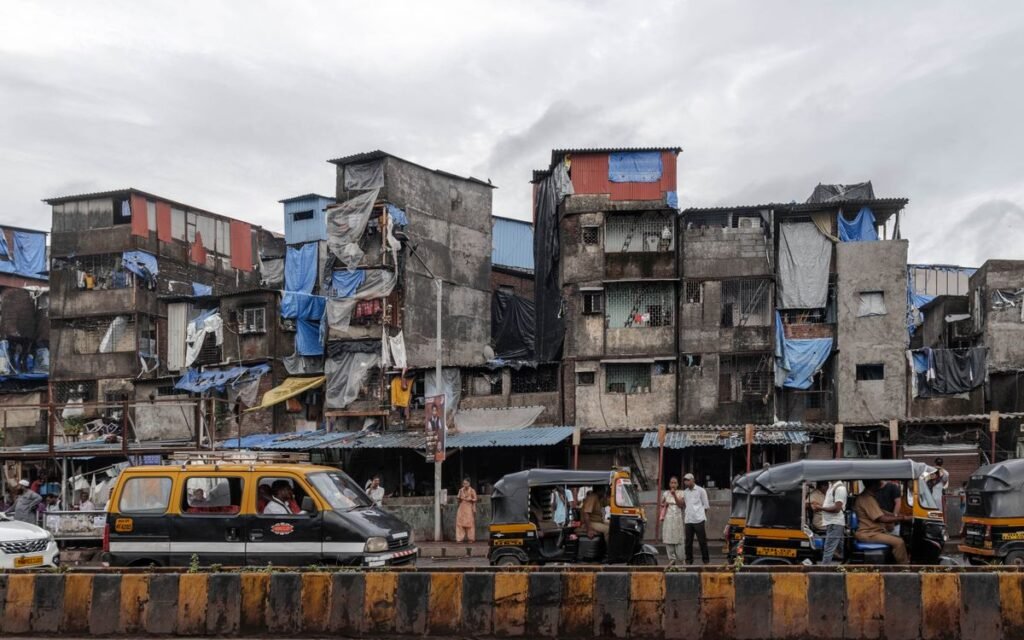
CNG vs Petrol Cost Per km After the Hike (Our Maths)
The maths is simple: fuel price divided by mileage. I’ve used Maruti Suzuki’s own claimed figures from its spec pages, and Mumbai’s petrol price of ₹111.21 a litre on 15 November per Business Today’s daily tracker.
The Dzire, petrol vs CNG
- Dzire petrol (manual): 24.79 km/l claimed. ₹111.21 ÷ 24.79 = about ₹4.49 per km.
- Dzire CNG: 33.73 km/kg claimed. ₹91.50 ÷ 33.73 = about ₹2.71 per km.
That’s a saving of roughly ₹1.77 for every kilometre. On the WagonR the gap is similar: 33.47 km/kg on CNG works out to about ₹2.73/km, against about ₹4.72/km for the 1.2-litre petrol manual at 23.56 km/l.
What the hikes actually cost you
At ₹90, the Dzire CNG cost about ₹2.67 a km. At ₹91.50 it’s ₹2.71. So this latest hike adds roughly ₹44 per 1,000 km, which is less than a cutting chai a week for most car owners.
The full run of hikes hurts more. At January’s ₹80.50 the same car cost about ₹2.39 a km, so you’re now paying about ₹330 more per 1,000 km than you were at the start of the year.
💡 Pro tip
Claimed mileage is measured under test conditions. In Mumbai traffic with the AC on, your real km/kg and km/l will both be lower. Fill the tank full twice, note the odometer reading in between, and divide the kilometres by the kilos you paid for. That one number makes every calculation in this post personal.
 Also readHow to Save Money on Autopilot: 6 Habits for Indian Salaries
Monthly Fuel Bill: CNG vs Petrol at Today’s Prices
Per-km figures are easy to nod at and forget. Monthly totals stick. This table uses the Dzire numbers above, with prices as of 15 November 2026.
| Km per month | CNG at ₹91.50/kg | Petrol at ₹111.21/l | You save with CNG |
|---|---|---|---|
| 500 km | about ₹1,360 | about ₹2,240 | about ₹890 |
| 1,000 km | about ₹2,710 | about ₹4,490 | about ₹1,770 |
| 1,500 km | about ₹4,070 | about ₹6,730 | about ₹2,660 |
| 2,000 km | about ₹5,430 | about ₹8,970 | about ₹3,550 |
Our calculation from Maruti’s claimed mileage. Real-world figures will be lower for both fuels, but the gap usually stays in CNG’s favour.
So for someone who already owns a CNG car, the honest answer is: grumble, but don’t panic. Petrol would still cost you around 65% more per kilometre at these prices.
The picture only changes if CNG keeps climbing while petrol stays flat. Petrol in Mumbai has held at ₹111.21 through November, per Business Today’s 10-day table, while CNG has gone up twice in the same weeks.
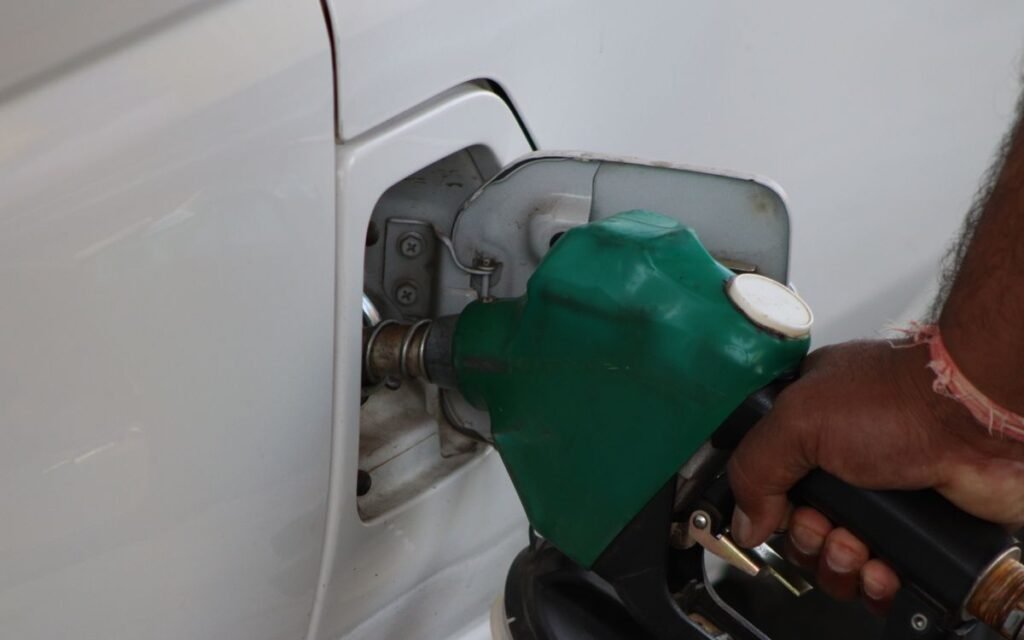
The Catch: The Showroom Premium Takes Years to Recover
Most “CNG saves money” advice skips this bit: a factory CNG car costs more to buy. Cars24’s June 2026 price list shows the WagonR LXi petrol at ₹4,98,900 ex-showroom and the LXi CNG at ₹5,93,900, a gap of ₹95,000. Aggregator listings show a similar ₹90,000 to ₹1 lakh gap on the Dzire VXi.
⚠️ Watch out
At a saving of about ₹1.77 per km, a ₹95,000 premium takes roughly 53,600 km to pay back. That’s about 9 years at 500 km a month, 4.5 years at 1,000 km, and a little over 2 years at 2,000 km. These are our estimates on claimed mileage, before any difference in loan interest, insurance or servicing.
There are smaller trade-offs too. The WagonR’s CNG cylinder has a 60-litre capacity, per Maruti’s spec page, and in most hatchbacks and sedans it sits in the boot. If your weekends involve suitcases or a big D-Mart run, open the boot of the CNG car at the showroom before you sign.
Every further hike also stretches the payback a little. If CNG keeps rising at this year’s pace while petrol doesn’t move, the break-even for a low-mileage driver drifts past the age at which many people sell the car.
Auto and Taxi Fares: Will Your Ride Cost More?
Not yet. As of 15 November there’s no new fare revision for Mumbai’s autos and black-and-yellow taxis. Fares are set by the Mumbai Metropolitan Region Transport Authority (MMRTA), not by MGL, so a CNG hike doesn’t change the meter on its own.
The last revision took effect on 1 September 2026, according to the Free Press Journal:
| Vehicle | Minimum fare | Per km after that |
|---|---|---|
| Auto rickshaw | ₹27 | ₹18.22 |
| Black-and-yellow taxi | ₹33 | ₹21.90 |
That revision came on the same day CNG went up to ₹88. Drivers told the paper the higher fare was eaten up almost immediately by the fuel hike. CNG has since gone up another ₹3.50 a kilo, so expect unions to ask for another revision.
If you take an auto to the station every day, it’s worth keeping an eye on MMRTA announcements over the next few weeks. Until a revision is notified, a driver asking for more than the meter is asking for more than the official fare.
How to Cut Your CNG Bill (Without Switching Fuel)
You can’t control MGL’s price. You can control how many kilos you burn.
- Track your real mileage once a month. Full tank to full tank, as in the tip above. If km/kg suddenly drops, get the car checked rather than blaming the price.
- Keep tyres at the pressure on the door sticker. Underinflated tyres drag, and it’s free to fix at any pump.
- Drive smoothly in traffic. Gentle acceleration and coasting to signals cost nothing and help on every fuel.
- Switch off in the CNG queue. If there’s a line at the pump, an idling engine burns gas for zero kilometres.
- Service on schedule. A dirty air filter or worn spark plugs hurt CNG running, and the kit should be checked by an authorised workshop.
- Use the AC with some thought. On smoggy days, our car AC recirculation guide explains when to keep outside air out, and when to let it back in.
None of these will undo eight hikes. Together they can easily be worth more than the ₹44 per 1,000 km this latest one costs. If the fuel bill is part of a wider squeeze, our guide to saving money on autopilot has the monthly habits side of it.
 Also readCar AC in Pollution: The One Button That Cuts Smog Inside
My Verdict: Who Should Stay With CNG, Who Should Skip It
✅ Our verdict
If you already own a CNG car, keep running it on CNG. Even at ₹91.50 it costs roughly 40% less per km than petrol at ₹111.21. If you’re buying new and drive under about 800 km a month, skip the CNG premium; the payback is too long. At 1,500 km or more a month, CNG still makes clear financial sense.
Honestly, the people who should think hardest are low-mileage city drivers who chose CNG “because it’s cheap”. If the car mostly sits in the society parking and does 15 km a day, you’re paying ₹95,000 up front to save a few hundred rupees a month.
Cab and auto drivers are in the opposite position. They burn so much fuel that each hike hits their daily earnings directly, which is why the fare revision fight is real.
For everyone in between, run the full-tank test this month, plug your own km/kg into the table above, and decide with your numbers, not the brochure’s.
Frequently Asked Questions
What is the CNG price in Mumbai today?
₹91.50 per kg in Mumbai and the MMR from 15 November 2026, after Mahanagar Gas raised it by ₹1.50. Rates can change at short notice, so check your pump’s display board before you fill.
How many times has CNG gone up in Mumbai in 2026?
PTC News reports eight hikes this year, taking the price from ₹80.50 per kg in January to ₹91.50. The previous one, on 1 November, took it from ₹89 to ₹90.
Is CNG still cheaper than petrol in Mumbai?
Yes. On Maruti’s claimed mileage, a Dzire costs about ₹2.71 per km on CNG and about ₹4.49 per km on petrol at ₹111.21 a litre. Real-world numbers will be lower for both, but CNG stays well ahead.
Will auto and taxi fares go up after this hike?
No revision has been announced yet. Fares are set by the MMRTA; the last change, on 1 September 2026, set the auto minimum at ₹27 and the taxi minimum at ₹33.
Should I buy a CNG car now?
Only if you drive a lot. A CNG variant costs about ₹95,000 more on the WagonR, which takes roughly 53,600 km to recover at today’s prices. That’s 4.5 years at 1,000 km a month.
The Bottom Line
The CNG price in Mumbai is now ₹91.50 a kilo, ₹11 more than in January. For existing owners it’s still far cheaper than petrol per kilometre, and this particular hike costs about ₹44 per 1,000 km. For new buyers, the decision now depends mostly on how much you drive.
Do the full-tank mileage test this week, and if you’re comparing household running costs, see what your geyser and room heater add to the bill this winter.
Keep reading
 Read nextGeyser Electricity Cost: What Your Morning Bath Really Costs

 Read nextCredit Card Reward Points Expire: Check Yours in 10 Minutes
Sources
- Bombay Samachar, 14 Nov 2026: Mumbai CNG hiked by ₹1.50 to ₹91.50 from 15 Nov, MGL’s reasons
- PTC News, 15 Nov 2026: eighth hike this year, ₹80.50 in January
- GoodReturns: CNG prices from 1 November 2026 (Mumbai ₹89 to ₹90)
- Business Today: petrol price in Mumbai today (₹111.21, 15 Nov 2026)
- Maruti Suzuki: Dzire specifications (claimed mileage)
- Maruti Suzuki: WagonR specifications (claimed mileage, CNG tank)
- Cars24, 25 Jun 2026: WagonR CNG and petrol ex-showroom prices
- Free Press Journal, 1 Sep 2026: Mumbai auto and taxi fare revision