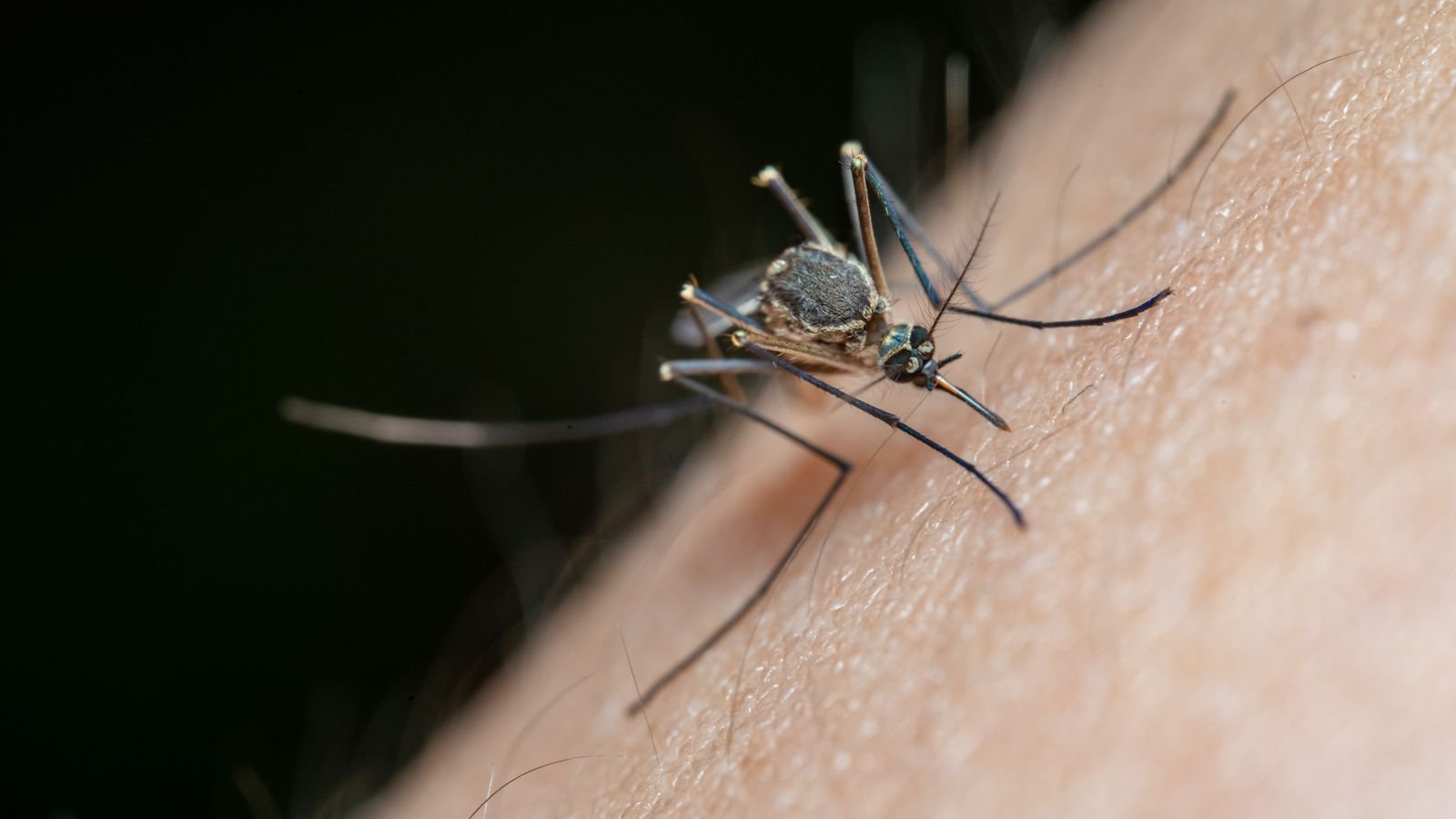
Mosquito coil smoke isn’t harmless. A well-known study in Environmental Health Perspectives found that burning one coil can release as much fine particle (PM2.5) mass as 75 to 137 cigarettes. You don’t have to choose between smoke and bites, though: window mesh, nets, skin repellents and emptying standing water each week work without filling a closed bedroom with smoke.
There’s also a timing problem most families miss. The mosquito that spreads dengue bites mainly during the day, so a coil lit at bedtime may not even target it. More on that in section 3.
⚡ Key takeaways
- One coil can release PM2.5 equal to 75–137 cigarettes and formaldehyde equal to about 51, per Liu et al. (2003). That’s emission mass, not a direct health comparison.
- In a closed room, coil smoke can push indoor pollution above health-based guidelines, and smog season already makes indoor air worse in many cities.
- WHO says dengue mosquitoes are active during the day. Protection has to cover daytime, not just bedtime.
- Better options: mesh on windows, nets, a repellent with DEET, picaridin or IR3535, and emptying water containers weekly.
- If you still use coils, never burn them in a closed bedroom, keep them away from children, and air the room out.
What Mosquito Coil Smoke Actually Contains
Coils work by smouldering slowly. The base is usually plant material such as sawdust or coconut husk, mixed with an insecticide that the smoke carries into the room. That slow burn is the problem: it’s an incomplete burn, the same kind that makes agarbatti and cooking smoke harmful indoors.
In 2003, researchers led by Weili Liu and Junfeng Zhang burned coils in a test chamber and measured what came out. Their paper, published in Environmental Health Perspectives, reported three key findings:
- Fine particles: one coil released the same PM2.5 mass as 75 to 137 cigarettes.
- Formaldehyde: one coil released as much as about 51 cigarettes.
- Other chemicals: many volatile organic compounds, including some that are known or suspected carcinogens. The particles were mostly fine and ultrafine.
The authors also modelled typical rooms and found that pollutant levels from coil smoke could go well above health-based air quality guidelines. They concluded that exposure to smoke like this could pose acute and chronic health risks.
What the cigarette comparison does and doesn’t mean
Comparing a coil with cigarettes compares how much material each one puts into the air. It doesn’t mean one coil does the damage of 100 cigarettes to your body. Tobacco smoke is inhaled directly and has its own chemistry.
Still, the number tells you something useful. A coil burning for seven hours in a small, shut bedroom is a real source of indoor smoke.
Mosquito Coil Smoke in Smog Season: Why It Adds Up
October and November are rough months for air in much of north India. In smog season, many families shut windows to keep outside pollution out. Then they light a coil in the same closed room.
That’s two sources stacking up in one room. Outdoor PM2.5 seeps in through gaps, and the coil adds its own fine particles right next to the bed. Children, older parents and anyone with asthma breathe that air for the whole night.
💡 Pro tip
If you already run an air purifier at night, a coil in the same room makes it work much harder. You’re asking a filter to clean air you’re actively polluting. Our air purifier buying guide explains CADR and room size, but the cheapest fix is to stop adding smoke in the first place.
Is there evidence of long-term harm?
There is some, but it’s limited. A hospital-based study from Taiwan, published in the Journal of Epidemiology in 2008, compared 147 lung cancer patients with about 400 controls. Coil smoke exposure was more common among patients (38.1% vs 17.8%), and the authors said it “may be a risk factor.”
That’s an association from one study using questionnaires, not proof of cause. The sensible reading is simple. There’s enough reason to avoid breathing coil smoke every night, and there’s no reason to panic if you’ve used them for years.
 Also readAir Purifier for Home: The CADR Number That Matters for Your Room
The Timing Mistake: Dengue Mosquitoes Bite by Day
Here’s the part that surprises a lot of people. The WHO dengue fact sheet says the mosquitoes that spread dengue are active during the day, and advises people to avoid bites especially in daytime.
So the classic Indian routine, a coil lit after dinner and left burning till morning, mostly runs at the wrong hours for dengue. Children at home in the afternoon, an elderly parent napping after lunch, a work-from-home desk next to an open window: those are the exposures that matter.
Dengue is still around this season. Delhi recorded 98 new cases in the first week of October, taking the year’s tally to 695, with September the worst month so far, according to the MCD’s weekly report as covered by The Hans India. Night-biting mosquitoes are still worth keeping out, of course. You just need protection that covers the whole day.
Coils vs Vaporisers vs Nets vs Repellents: What to Use
WHO lists several personal protection options for dengue: covering clothes, nets (especially if you sleep in the day), window screens, repellents with DEET, picaridin or IR3535, and coils and vaporisers. Here’s how they compare for a typical Indian home.
| Option | Smoke indoors | Covers daytime | Best use | Our take |
|---|---|---|---|---|
| Coil | Yes, heavy | Only while burning | Open verandas, outdoors | Avoid in closed bedrooms |
| Plug-in liquid or mat vaporiser | No smoke | Yes, if left on in the day | Rooms you use often | Better than coils; follow the label and keep a window open a little |
| Window and door mesh | None | Yes, all day | The whole house | Best long-term fix; one-time cost |
| Bed net | None | Yes, for naps | Babies, elders, day sleepers | Cheap, works, no chemicals on skin |
| Skin repellent (DEET, picaridin, IR3535) | None | Yes, when applied | Going out, evenings on the terrace | Use on exposed skin only |

What about “smokeless” or charcoal coils?
A 2010 study in the journal Indoor Air tested a charcoal-based coil against four regular ones. The charcoal coil’s PM2.5 emissions were 5 to 10 times lower, and formaldehyde emissions were also lower. The researchers tested only one charcoal brand, though, so treat “smokeless” on a pack as a claim to check, not a guarantee.
How to Use Repellents Safely, Including on Kids
Skin repellents are one of the few options that protect you when you step out. The US CDC’s mosquito bite prevention guidance gives practical rules that apply in India too:
- Pick a proven ingredient. CDC lists DEET, picaridin, IR3535, oil of lemon eucalyptus (OLE), PMD and 2-undecanone. WHO’s list for dengue names DEET, picaridin and IR3535.
- Sunscreen first, repellent second if you’re using both.
- Don’t apply under clothing. Use it only on exposed skin.
- For children, put repellent on your own hands and then on the child’s face. Keep it off their hands, eyes, mouth, cuts and irritated skin.
- No OLE or PMD products for children under 3, according to CDC.
- Cover babies’ prams and carriers with mosquito netting instead of putting products on very young skin.
⚠️ Watch out
Natural or herbal sprays are not all equal. CDC notes that products without proper registration may not have proven effectiveness. In India, check the pack for the active ingredient and how often to reapply, and follow the label exactly.
A Smoke-Free Mosquito Plan for Your Home
You don’t need to do everything at once. Start with the steps that remove mosquitoes at the source, then add protection.
- Empty, scrub and cover water containers every week. WHO advises covering, emptying and cleaning household water storage weekly. Think coolers, flower pots, buckets on the balcony, the fridge drip tray and old tyres on the terrace.
- Fit mesh on windows and doors. Repair holes. This keeps mosquitoes out during the day without any chemicals.
- Use bed nets for afternoon naps for babies, elders and anyone who sleeps in the day.
- Switch coils for a plug-in vaporiser indoors if you want a device, and keep one window slightly open.
- Wear full sleeves in the early morning and evening when you’re outdoors or on the terrace.
- Use a skin repellent when going out, following the label.
- If you must use a coil, burn it only in a well-ventilated or open space, on a stand away from curtains, and never next to a sleeping child.
 Also readDo Indoor Plants Clean Air? You’d Need 100+ in One Bedroom
Air quality inside your home matters more this season than most people think. If smoke or smog is stinging your eyes, our guide on eye irritation from pollution has simple fixes, and families with asthma should read our asthma and air pollution plan.
✅ Our verdict
Stop burning mosquito coils in closed bedrooms, especially in smog season and around children. Mesh, nets and weekly water checks do more for dengue, because they work in the daytime when the dengue mosquito is active. Keep coils for open spaces, if at all.
This article is for information only and is not medical advice. If anyone at home has asthma, breathing trouble or a fever, consult a doctor.
Frequently Asked Questions
Is mosquito coil smoke harmful?
Studies show it releases a lot of fine particles and formaldehyde. One study found a single coil released PM2.5 equal to 75–137 cigarettes. Burning coils in a closed room can push indoor pollution above health-based guidelines, so avoid it where people sleep.
Is a liquid vaporiser safer than a mosquito coil?
Plug-in vaporisers don’t burn anything, so they don’t produce smoke particles. They still release insecticide vapour, so follow the label, keep the room slightly ventilated and keep the device away from children.
Do mosquito coils protect against dengue?
WHO lists coils among protection options, but dengue mosquitoes bite mainly in the daytime. A coil lit only at night doesn’t cover those hours, so mesh, nets and repellents matter more.
Which mosquito repellent ingredient works best?
WHO recommends repellents containing DEET, picaridin or IR3535. The CDC also lists oil of lemon eucalyptus, PMD and 2-undecanone, but says not to use OLE or PMD on children under 3.
Can I burn a mosquito coil with a baby in the room?
It’s best not to. Use a mosquito net over the cot or pram instead, and keep the room ventilated if you use any device.
The Bottom Line
Mosquito coil smoke adds real pollution to a room, and in a closed bedroom during smog season that adds up fast. Swap the coil for mesh, nets and weekly water checks, use a proven repellent when you step out, and save coils for open spaces. Tonight’s easy first step: walk around the house and empty every container holding water.
Keep reading
 Read nextAsthma and Air Pollution: A Family Plan for Smog Season
 Read nextEye Irritation From Pollution: 8 Fixes and When to WorryRead nextAir Purifier for Home: The CADR Number That Matters for Your Room
Sources
- Liu et al., Environmental Health Perspectives (2003): Mosquito coil emissions and health implications
- Zhang et al., Indoor Air (2010): Charcoal-based coils reduce emissions
- Chen et al., Journal of Epidemiology (2008): Mosquito coil smoke and lung cancer in Taiwan
- WHO: Dengue and severe dengue fact sheet
- CDC: Preventing mosquito bites
- The Hans India: Delhi dengue cases, first week of October 2026 (MCD report)