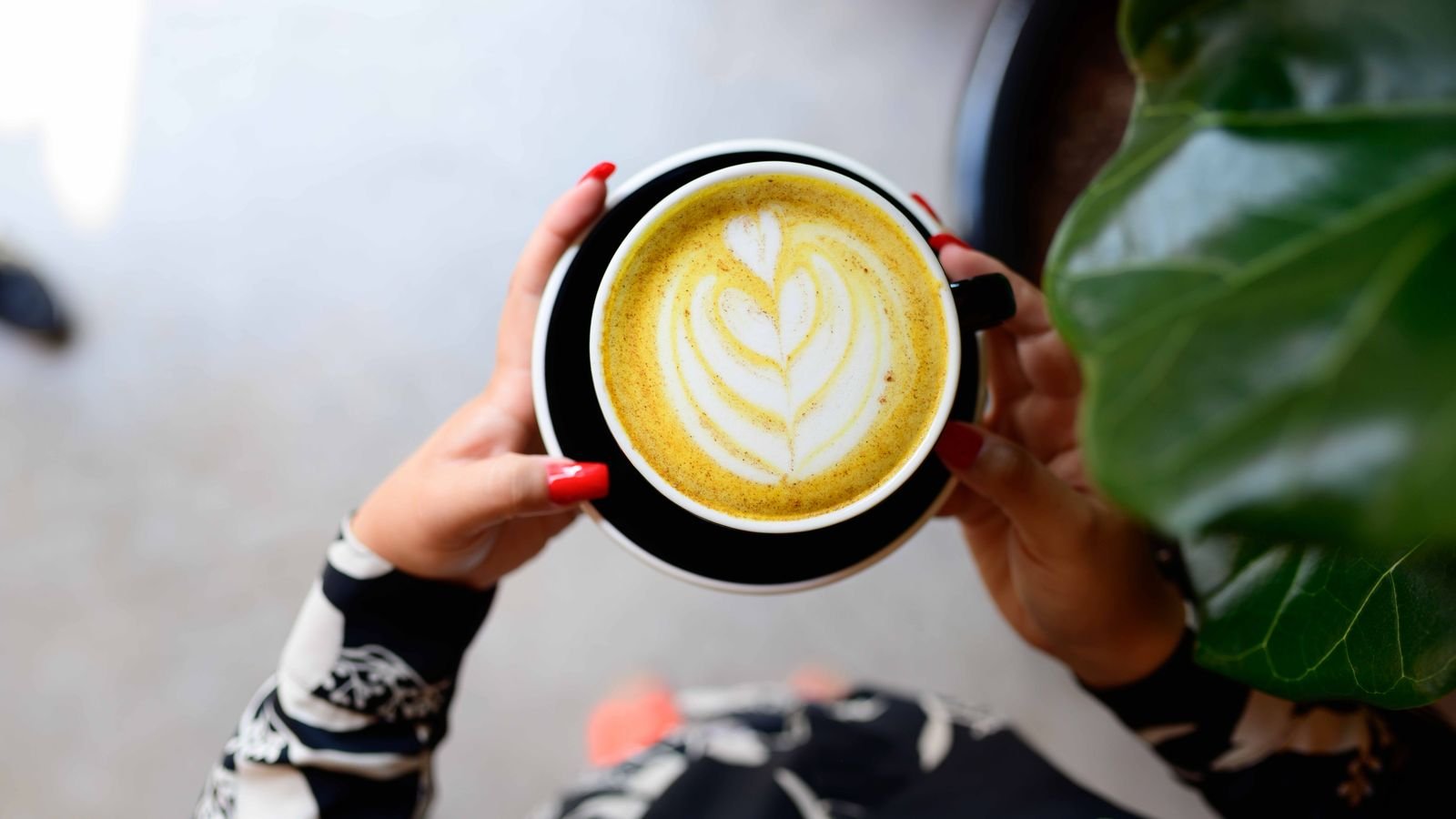
Haldi doodh comes back in every Indian home the week the fans go off and the razai comes out. The honest research answer: it’s a warm, comforting food habit, but science hasn’t proven it boosts immunity, and the turmeric in your cup holds far less curcumin than the doses used in studies.
That doesn’t mean you should stop drinking it. It means you should know what it can and can’t do, why your nani added a pinch of black pepper, and where the real risk sits. Hint: it isn’t the milk. It’s the haldi itself, and that’s in section 5.
⚡ Key takeaways
- Pure turmeric powder is only about 3% curcumin by weight, so 1 gram of haldi gives roughly 30 mg of curcumin.
- The famous black pepper study gave volunteers 2 grams of pure curcumin. A kitchen cup is nowhere close to that.
- The US government’s NCCIH says there isn’t enough evidence to say turmeric or curcumin helps any health condition for sure.
- Curcumin is fat-soluble and poorly absorbed, which is why milk, ghee and black pepper are traditional partners.
- The bigger worry is lead chromate in some loose turmeric. Buy packaged haldi with an FSSAI licence number.
- Enjoy it as food. Go easy on the sugar or gur, and talk to your doctor before trying turmeric capsules.
Why Haldi Doodh Is Every Indian Family’s Winter Drink
Ask any Indian mother what to drink on a cold night, and you’ll hear “haldi wala doodh”. It’s in our kitchens, our wedding rituals and our grandmothers’ advice. Cafés abroad now sell it as a “golden latte”.
So what is it, chemically? Turmeric (Curcuma longa) is a root from the ginger family, grown commercially in India and Southeast Asia. According to the US National Center for Complementary and Integrative Health (NCCIH), its yellow colour comes from curcumin, and most of turmeric’s supposed health effects are pinned on curcumin and its sister compounds, the curcuminoids.
Here’s the part that rarely makes it to WhatsApp forwards. Curcuminoids make up only 2 to 4% of dry turmeric powder, according to a 2020 review in the journal Molecules. Most of what’s in your spoon is something else entirely.
How Much Curcumin Is Really in Your Cup of Haldi Doodh
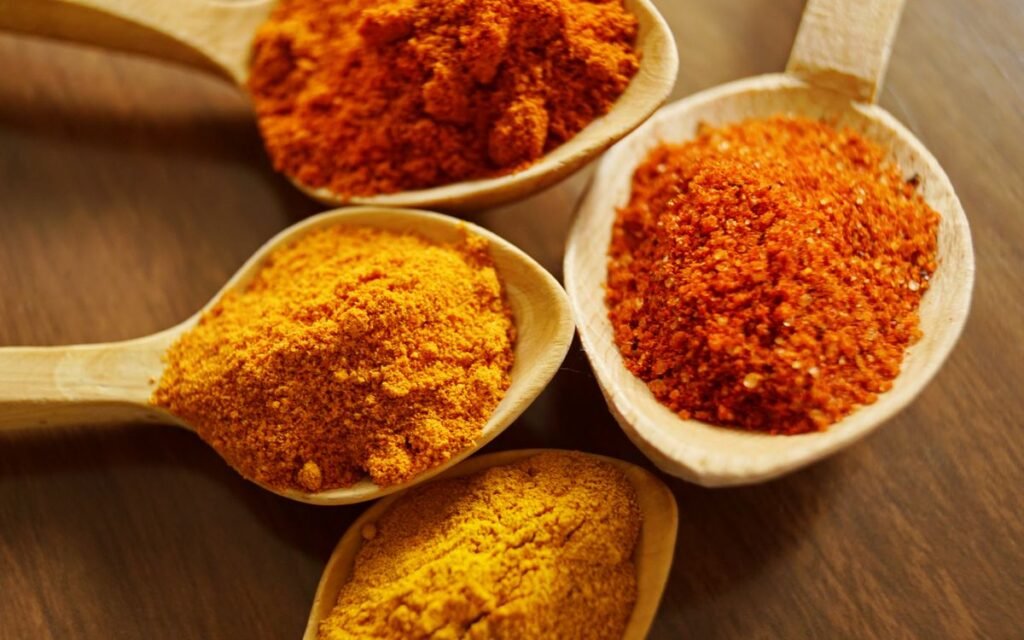
A 2006 lab study in Nutrition and Cancer tested 28 turmeric and curry powders with a precise lab method called HPLC. Pure turmeric powder averaged 3.14% curcumin by weight. Curry powders had much less, and the amounts varied a lot.
Now some simple kitchen maths. If you stir 1 gram of haldi into your milk, that’s about 31 mg of curcumin. Make it a generous 2 grams and you’re at roughly 63 mg.
Compare that with research. In the well-known 1998 black pepper study, published in Planta Medica, human volunteers were given 2 grams (2,000 mg) of pure curcumin in one go.
| What you’re comparing | Curcumin | Source |
|---|---|---|
| 1 g turmeric powder in a cup | About 31 mg | 3.14% average, Tayyem et al. 2006 |
| 2 g turmeric powder in a cup | About 63 mg | Same calculation |
| Amount given in the 1998 piperine study | 2,000 mg pure curcumin | Shoba et al. 1998 |
So your evening cup carries roughly 30 to 65 times less curcumin than that one study used. And even at 2 grams, the researchers found that curcumin taken alone gave blood levels that were “either undetectable or very low”.
💡 Pro tip
This table is not a target. Nobody is asking you to drink spoonfuls of haldi. It just explains why a cup of haldi doodh can’t be judged by results from studies using concentrated extracts.
 Also readAmla in Winter: How Much to Eat and the Best Way to Have It
Why Nani Added Black Pepper and Ghee
Our grandmothers didn’t read pharmacology journals, but the habit of adding kali mirch and a little fat turns out to have some logic behind it.
Fat and milk
The Molecules review describes curcumin as oil-soluble and “practically insoluble” in water. It says consuming curcumin with a fatty meal improves absorption, and that the traditional Indian way of heating turmeric in oil before adding it to food may help too. That’s your tadka, and it’s also why haldi is usually stirred into full milk or finished with a little ghee.
Black pepper
Black pepper’s main compound, piperine, slows down the way your liver and gut break curcumin down. In the 1998 Shoba study, adding 20 mg of piperine to 2 grams of curcumin raised its bioavailability by 2000% in human volunteers. NCCIH also lists piperine as one way to improve curcumin’s bioavailability.
A word of caution before you start adding a spoon of pepper to everything. That 2000% figure comes from one small study using pure extracts. The 2020 review classes piperine as an early approach with fairly small gains compared with newer formulations.
- Use full-fat or toned milk rather than water.
- Add a small pinch of freshly crushed black pepper.
- A few drops of ghee are traditional, but optional.
What the Research Does and Doesn’t Support
This is where I’d love to tell you haldi doodh keeps colds away. The evidence doesn’t let me.
NCCIH, part of the US National Institutes of Health, last updated its turmeric page in April 2025. Its summary is blunt: “We don’t know enough to definitively conclude if turmeric or curcumin is beneficial for any health purposes.” For most uses, it says there isn’t enough evidence to conclude whether oral turmeric or curcumin has beneficial effects.
| Claim you’ve heard | What the sources say |
|---|---|
| “It boosts immunity in winter” | Not proven. NCCIH finds the evidence too thin for most uses. |
| “Curcumin fights inflammation” | Lab and supplement studies show promise, but they use concentrated, better-absorbed curcumin, not a kitchen cup. |
| “It helps joint pain” | NCCIH calls early osteoarthritis evidence positive but says higher-quality studies are needed. |
| “Turmeric on its own works wonders” | A 2017 review in Foods says curcumin by itself doesn’t deliver the claimed benefits because it’s poorly absorbed. |
That 2017 review, by Hewlings and Kalman, is broadly positive about curcumin. Even so, it ties most benefits to curcumin combined with enhancing agents, which is a supplement conversation, not a cooking one.
My honest take: drink haldi doodh because you like it and it’s a warm, filling drink before bed. Not because a forward promised it would make you “immune”.
The Real Risks: Lead in Loose Haldi and Strong Supplements
Here’s the catch I promised at the top. The milk is harmless for most people. The concern is what sometimes gets mixed into cheap turmeric.
Lead chromate in turmeric
A 2019 Stanford-led study found that some processors in Bangladesh added lead chromate, an industrial yellow pigment used for toys and furniture, to make turmeric look brighter. The team linked this adulterated turmeric to raised blood lead levels in people they surveyed. Senior author Stephen Luby put it simply: there is no safe consumption limit for lead.
India isn’t untouched. A 2024 study in Science of the Total Environment, reported by Down to Earth, tested turmeric from cities in India, Pakistan, Sri Lanka and Nepal. One Patna sample hit 2,274 µg/g of lead, against FSSAI’s limit of 10 µg/g, and samples from Guwahati and Chennai also crossed the limit.
⚠️ Watch out
Polished turmeric roots and loose powder were the most contaminated forms in that study. Packaged, branded powder and unpolished roots did better. If a haldi looks unusually bright and is sold loose, skip it.
FSSAI lists lead chrome and metanil yellow among the adulterants found in turmeric, according to a summary of its spice guidance note. FSSAI’s DART booklet has simple home checks for adulteration, but a colour test at home can’t tell you how much lead is in a sample. Your best everyday defence is buying packaged haldi from a known brand and checking the FSSAI licence number. Our guide on how to read food labels in India shows where to find it.
Turmeric supplements are not the same as haldi
NCCIH warns that highly bioavailable curcumin products may harm the liver, and liver damage has been reported in some people using them. It also says turmeric supplements during pregnancy may be unsafe. If you take any regular medicine, NCCIH advises talking to your doctor before using herbal products, because some herbs and medicines interact.
 Also readHow to Read Food Labels in India: A 60-Second Pack Check
How to Make Haldi Doodh Sensibly (Sugar Included)
The sneakiest part of a winter haldi doodh isn’t the turmeric. It’s the two big spoons of sugar or gur that go in to cover the earthy taste.
The World Health Organization says free sugars should stay under 10% of your daily energy. For an adult eating about 2,000 calories, that’s 50 grams, or about 12 level teaspoons, for the whole day. WHO adds that going down to 5% brings extra benefit, and honey counts as free sugar too.
Gur is not a free pass either. We compared them in jaggery vs sugar: is gur healthier?, and the short version is that your body treats both as sugar. If you already drink three cups of sweet chai a day, check how many cups of chai a day is sensible before adding a sweet haldi doodh on top.
A simple kitchen recipe (one cup)
This is kitchen practice, the way many Indian homes make it. It’s not a dose.
- Warm one cup of milk in a small pan.
- Add a small pinch of turmeric, about a quarter teaspoon, from a packaged brand.
- Add a tiny pinch of crushed black pepper. A thin slice of fresh ginger or a bit of cinnamon is optional.
- Simmer on low for 3 to 4 minutes, stirring so the haldi doesn’t stick.
- Strain if you used ginger. Sweeten with half a teaspoon of sugar or gur at most, or skip it.
✅ Our verdict
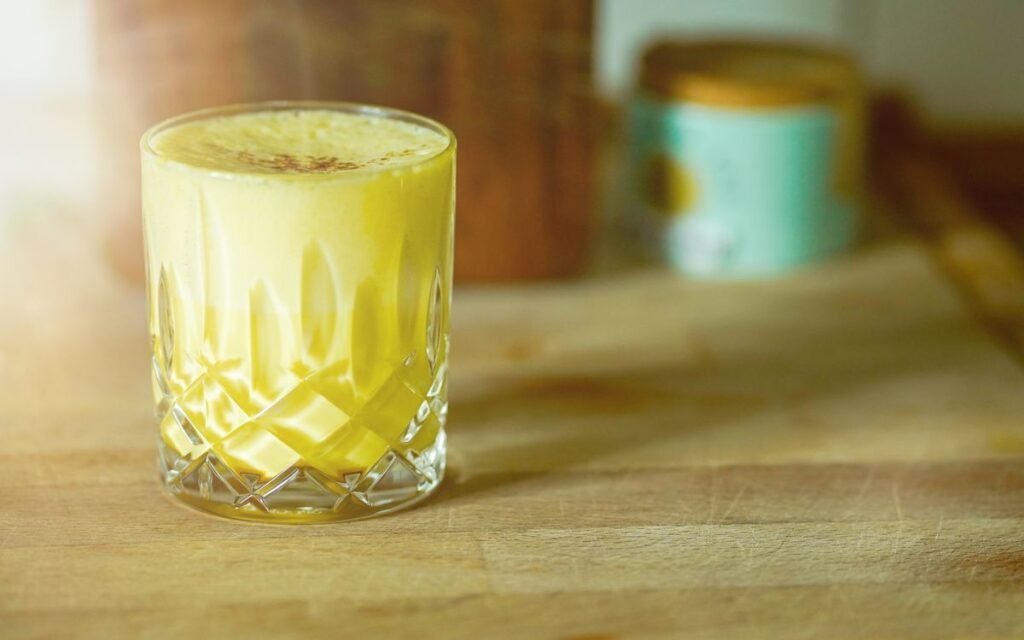
Haldi doodh is a good winter habit if you enjoy it: warm milk and a spice you already cook with. Don’t drink it expecting immunity or a cure for anything, because the research doesn’t back that. Buy packaged turmeric, keep the sugar low, and leave curcumin capsules for a conversation with your doctor.
Frequently Asked Questions
Is haldi doodh good to drink every night in winter?
For most healthy adults, a cup of turmeric milk is simply a warm food drink. NCCIH’s safety warnings are mainly about strong supplements, especially highly absorbable curcumin products. Keep the sugar low and enjoy it.
Does haldi doodh boost immunity?
There’s no solid proof. NCCIH says research isn’t strong enough to conclude that turmeric or curcumin helps any health condition for sure. Sleep, a balanced diet and regular activity still matter more.
Why add black pepper to turmeric milk?
Black pepper contains piperine, which slows the breakdown of curcumin. In a 1998 study it raised curcumin’s bioavailability sharply, though that used pure extracts at high amounts. A small pinch is a sensible kitchen habit.
Is loose haldi from the market safe?
Not always. A 2024 South Asian study found loose powder and polished roots were most often contaminated with lead. Choose packaged turmeric from a known brand with an FSSAI licence number.
Can I take turmeric capsules instead of haldi doodh?
That’s a separate decision. NCCIH reports liver injury with some highly absorbable curcumin products and says supplements in pregnancy may be unsafe. Ask your doctor first, especially if you take any regular medicine.
The Bottom Line
Haldi doodh earns its place on a winter night as comfort food, not as medicine. Your cup holds a few dozen milligrams of curcumin at most, and the big health claims rest on concentrated supplements that NCCIH still calls unproven.
Tonight, check the label on your haldi packet for an FSSAI number, add a pinch of pepper and cut the sugar to half a teaspoon. That’s the version worth drinking.
This article is for information only and is not medical advice. If you’re pregnant, have a health condition or take regular medicines, consult a doctor before using turmeric supplements.
Keep reading
 Read nextMillets in Winter: Which to Eat and the Label to Check First
 Read nextJaggery vs Sugar: Is Gur Really Healthier? What NIN Says
 Read nextHow Many Cups of Chai a Day? ICMR’s Limit, Worked Out
Sources
- NCCIH (US National Institutes of Health): Turmeric, evidence summary and safety (updated April 2025)
- Shoba et al., Planta Medica 1998: piperine and curcumin bioavailability (2 g curcumin, 20 mg piperine, 2000%)
- Tayyem et al., Nutrition and Cancer 2006: curcumin content of turmeric and curry powders (3.14% average)
- Stohs et al., Molecules 2020: curcumin is fat-soluble, 2–4% of turmeric, piperine’s limits
- Hewlings and Kalman, Foods 2017: curcumin review and poor bioavailability
- Stanford via Newswise: lead chromate found in Bangladeshi turmeric (2019)
- Down to Earth: lead in turmeric across South Asia, Patna and Guwahati samples, FSSAI limit (Nov 2024)
- WHO: healthy diet fact sheet, free sugars under 10% of energy
- Food Safety Helpline: FSSAI guidance note on adulterants in ground spices