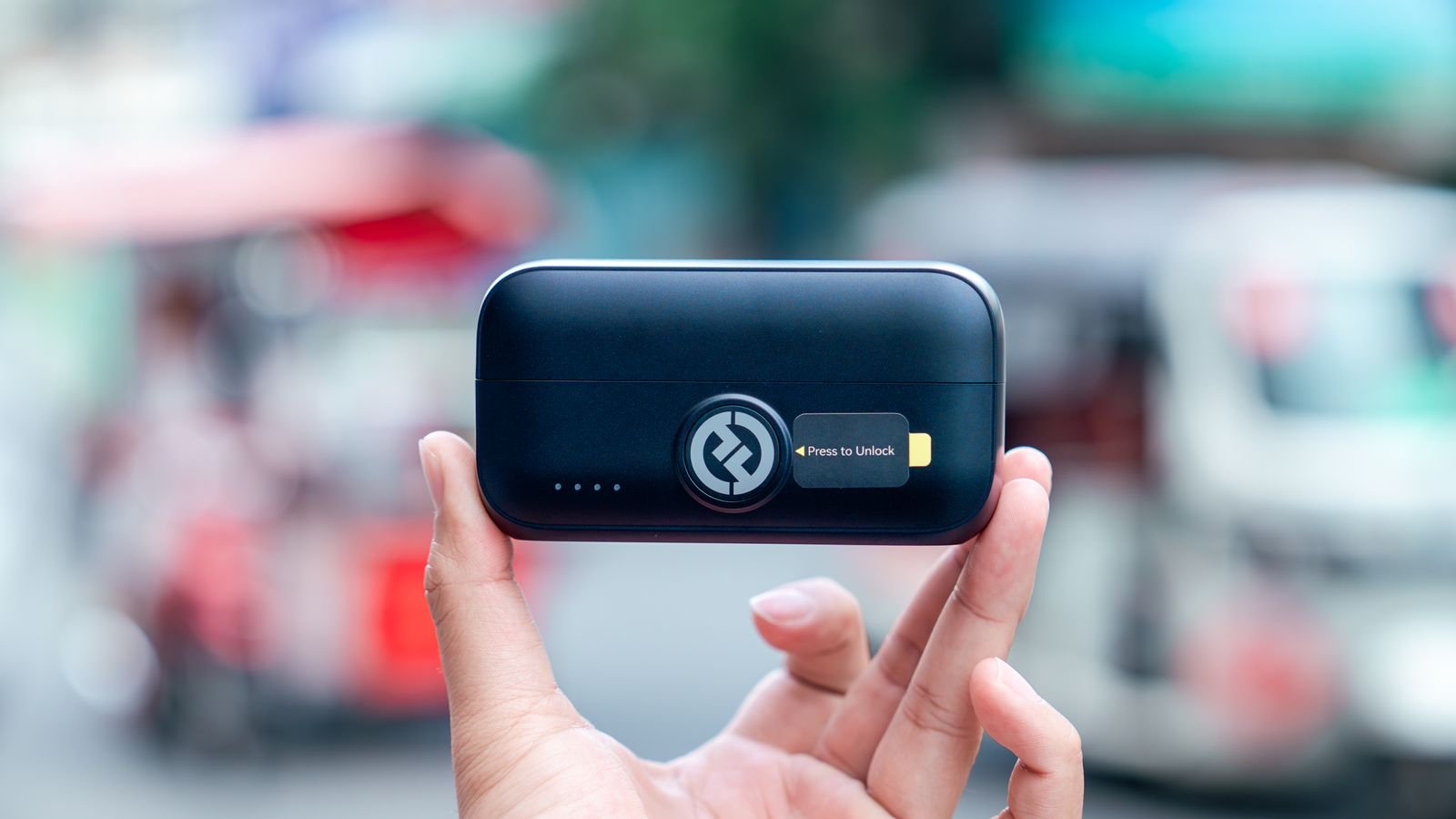
You can still carry a power bank on flight in India, but only in your cabin bag, and you can’t use it once you’re on board. Since January 2026, DGCA rules also say it can’t sit in the overhead bin, and no power bank can charge your phone mid-flight, even from the seat USB port.
Most everyday power banks (10,000 or 20,000 mAh) are well inside the limit. The one that trips people up is the big “30,000 mAh” brick bought for a road trip, and section 3 shows exactly where the line falls in mAh. The reason the overhead bin rule exists is in section 5, and it happened on an Indian flight just last month.
⚡ Key takeaways
- Cabin bag only. Power banks are never allowed in checked-in luggage on any Indian airline.
- No use on board. DGCA bars charging any device from a power bank during the flight, including through the seat power outlet.
- Not in the overhead bin. Keep it in the seat pocket, under the seat or on you, as Akasa Air’s guidance puts it.
- 100 Wh is the safe line. That’s about 27,000 mAh. A 10,000 mAh bank is roughly 37 Wh and a 20,000 mAh bank roughly 74 Wh.
- Above 160 Wh is banned outright, and 100–160 Wh needs airline approval where it’s allowed at all.
- Check the label. IndiGo says the power rating must be visible on the battery. No label, no boarding for that power bank.
Power Bank on Flight Rules in India: What DGCA Changed
India’s aviation regulator, the DGCA, issued Dangerous Goods Advisory Circular No. 01/2025 on 11 November 2025. Business Today, which reported on it, says the circular warns that power banks and other lithium-battery devices “can act as ignition sources and potentially initiate on-board fires”.
Two things came out of it for passengers. First, power banks and spare batteries go only in hand baggage, and not in overhead bins, where a fire is harder to spot and put out. Second, from early January 2026, airlines were told to stop passengers charging phones or other devices from power banks during the flight, and that includes the aircraft’s own seat outlets.
Airlines also got homework: train crew to spot early signs of a battery failing (smoke, a strange smell), keep fire-resistant gloves and firefighting kit ready, and make regular announcements. So if you’ve heard a new line in the safety briefing about power banks, that’s where it came from.
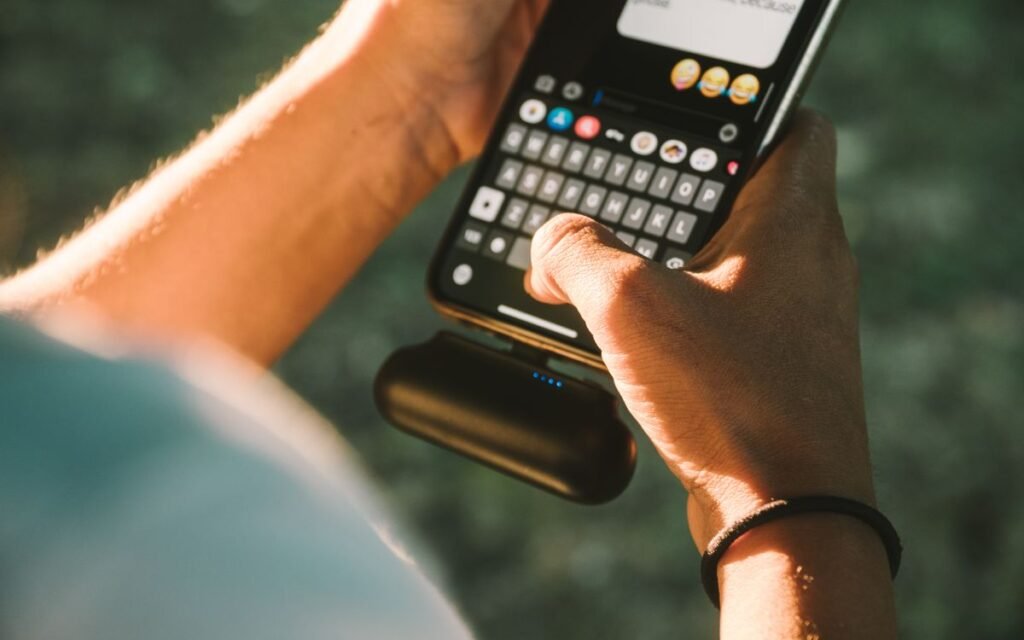
Where to Keep Your Power Bank on Board, and What You Can’t Do
Here’s the short version for the airport, based on the DGCA circular and the airline pages I opened for this guide.
Allowed
- Carrying a power bank in your cabin bag or handbag through security.
- Keeping it in the seat pocket, under the seat in front of you, or on your person once you board. Akasa Air’s travel guide lists exactly these three places.
- Charging your phone at the gate before you board, then putting the power bank away.
Not allowed
- Packing it in checked-in luggage. IATA’s passenger guidance says never to place spare batteries or power banks in checked bags, and every Indian airline follows that.
- Putting it in the overhead bin.
- Switching it on, charging it, or charging anything from it during the flight. Akasa’s guide says it “cannot be switched on, charged, or used” once you’re on board.
💡 Pro tip
Charge your phone to 100% at the gate, and download your boarding pass, Netflix episodes and Google Maps area offline before you leave home. A 2-hour Delhi–Mumbai flight doesn’t need a power bank at all if you start full.
One more thing at security: tape over a loose battery’s terminals or keep it in its pouch. IATA and Air India both ask passengers to protect spare batteries from short circuits, for example by covering the terminals or keeping each one in a separate plastic bag or case.
 Also readFake Charger or Original? Check It in 2 Minutes With BIS Care
How Many mAh Is Allowed on a Flight? Convert It to Wh
Airlines don’t use mAh. They use watt-hours (Wh), which is printed on most power banks in small text near the input/output specs. If yours only shows mAh, here’s the maths:
Wh = mAh × 3.7 ÷ 1,000 (3.7 volts is the typical lithium-ion cell voltage)
So a 20,000 mAh power bank works out to 20,000 × 3.7 ÷ 1,000 = 74 Wh. Akasa Air’s guide gives the same ballpark: 100 Wh is “usually about 27000mAh”.
| Power bank (mAh) | Approx. Wh (at 3.7 V) | Can it fly in your cabin bag? |
|---|---|---|
| 5,000 | 18.5 Wh | Yes |
| 10,000 | 37 Wh | Yes |
| 20,000 | 74 Wh | Yes |
| 27,000 | ~100 Wh | Right at the line; check the printed Wh |
| 30,000 | ~111 Wh | Only with airline approval, where the airline allows it |
| 40,000+ | ~148 Wh and up | Approval needed; over 160 Wh is banned |
The table is my own calculation from the formula above, so treat the printed Wh on your power bank as the final word. Some banks use a slightly different cell voltage, which moves the number a little.
The three bands IATA uses
IATA’s battery guidance for passengers sets three bands. Up to 100 Wh is generally allowed in carry-on. Between 100 and 160 Wh may be allowed with the airline’s approval. Above 160 Wh is usually not permitted on passenger aircraft at all.
That middle band is shrinking. InsideFlyer reported in August that from 1 January 2027, only power banks under 100 Wh are expected to be allowed under the updated international rules. That isn’t an Indian rule yet, but if you’re buying a power bank now, staying under 100 Wh (about 26,000 mAh to be safe) keeps you covered on every airline.
IndiGo, Air India, Akasa: What Each Airline Says
All three follow the DGCA circular, but their own pages word things a little differently. Here’s what each one says, as of 15 November 2026.
| Airline | What its own page says about power banks |
|---|---|
| IndiGo | Power bank allowed in cabin. “Power must be visible on the battery, more than 160 Wh not allowed.” Up to 15 portable electronic devices per passenger. |
| Air India | Spare batteries carry-on only, no more than two spare batteries per person, lithium-ion up to 100 Wh, each protected from short circuits, not in overhead bins. |
| Akasa Air | Cabin bag only, within the airline’s capacity limits; can’t be switched on, charged or used on board; keep it in the seat pocket, under the seat or on you. |
Two details worth knowing
Air India’s Singapore flights are stricter. For departures from Singapore, Air India’s page lists a maximum of two power banks per passenger, only up to 100 Wh, no use or charging on board, and “no exceptions” even for new, unopened power banks. Extra ones may have to be thrown away at the airport.
One power bank model is banned outright. Air India’s restricted items page says the DGCA has prohibited the MOBIKINS MK-PB-04 power bank in both cabin and checked baggage on any flight to, from or within India, because of fire safety risks. If that’s the one in your drawer, leave it at home.
International carriers and foreign airports can have their own rules on top of these, so check the airline’s dangerous goods page before a trip abroad. If you’re flying out of India, our guide to eSIM on Jio, Airtel and Vi is worth a look for the SIM side of things.
The Catch: Why the Overhead Bin Rule Exists
⚠️ Watch out
A lithium battery that overheats inside a closed overhead bin can burn for a while before anyone notices. That’s the whole reason the DGCA wants power banks where you and the crew can see them, and why charging them mid-flight is now off the table.
This isn’t a theoretical risk on Indian routes. On 11 October 2026, IndiGo flight 6E 6115 from Delhi to Chennai was diverted to Hyderabad after what Esquire India described as an accidental fire caused by a power bank in the overhead bin.
Earlier, on 7 May 2026, Business Today reported that a power bank caught fire inside an IndiGo aircraft shortly after it landed at Chandigarh. Smoke filled the cabin as passengers were getting off, six passengers had minor injuries, and the DGCA said it was reviewing global practice on power banks. At the time, a source told Business Today that no decision had been taken on stopping passengers from carrying them.
The power banks most likely to fail
- Swollen or bulging ones. If the case has puffed up or won’t sit flat, retire it, don’t fly with it.
- Dropped or cracked ones, especially if they get warm while idle.
- No-name, unlabelled ones. Without a printed Wh rating, security can’t check it, and IndiGo’s page says the rating must be visible.
- Cheap fakes of big brands. Our guide to checking a charger or power bank with the BIS Care app shows how to verify the BIS registration number before you trust one.
If a power bank or phone gets hot, smokes or smells odd on a flight, tell the cabin crew straight away. Don’t try to pick it up bare-handed or hide it in a bag.
 Also readPhone Overheating? 7 Real Causes and the Fixes That Work
Before You Fly: A 2-Minute Power Bank Checklist and My Verdict
Run through this the night before, especially if you’re flying to a wedding or a December holiday with the whole family’s gadgets in one bag:
- Read the label. Find the Wh figure. No Wh? Use the mAh × 3.7 ÷ 1,000 formula, and know that some security staff may still refuse an unlabelled bank.
- Count them. Keep it to one or two power banks per person. Air India’s general limit is two spare batteries each.
- Move it to your handbag or backpack, not the suitcase going on the belt.
- Check for damage. Bulging, cracks or a burnt smell means it stays home.
- Charge your phone at home and at the gate, so you don’t feel tempted to use the power bank on board.
- Board and keep it in the seat pocket or under the seat, switched off.
✅ Our verdict
Buy and carry a power bank of 20,000 mAh or less. It’s about 74 Wh, it’s allowed on every Indian airline without any approval, and it’ll still be fine when the international limit tightens in 2027. Skip the 30,000 mAh-plus bricks for air travel; they sit in the approval zone and save you nothing if you can’t use them on board anyway.
What changes in practice? Your power bank becomes a “charge at the gate, use after landing” gadget. I’d plan the phone battery around that and stop worrying about the rest. If you’re shopping for one, our list of power banks under ₹1,500 covers 10,000 and 20,000 mAh options that fit comfortably.
Frequently Asked Questions
Can I carry a 20,000 mAh power bank on a flight in India?
Yes. A 20,000 mAh power bank is about 74 Wh, well under the 100 Wh line. Carry it in your cabin bag, keep it out of the overhead bin, and don’t use it during the flight.
Can I charge my phone with a power bank during the flight?
No. Under the DGCA’s rules, passengers can’t charge phones or other devices from power banks at any point in the flight, and that includes using the aircraft’s seat power outlets to charge the power bank.
Can I put a power bank in checked-in luggage?
No. Power banks and spare lithium batteries are allowed only in hand baggage on Indian airlines, and IATA’s guidance says never to put them in checked bags.
Is a 30,000 mAh power bank allowed on flights?
A 30,000 mAh bank is about 111 Wh, which puts it in the 100–160 Wh band. That needs the airline’s approval where it’s allowed, so check with your airline before you fly or leave it at home.
What happens if my power bank is over the limit?
Security or the airline can stop it from flying, and you may have to leave it behind. Air India’s page says passengers flying from Singapore who carry extra power banks may be asked to dispose of them at the airport.
The Bottom Line
A power bank on flight in India is fine if it’s in your cabin bag, under about 27,000 mAh (100 Wh), clearly labelled, and switched off in the seat pocket, not the overhead bin. Charge at the gate, not in the air.
Before your next trip, check the Wh on your power bank tonight, and keep your ID handy too: our guide on DigiLocker documents at airports covers what’s accepted.
Keep reading
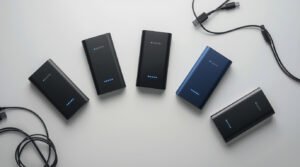 Read nextBest Power Banks Under 1500 Rupees 2026: Top Picks That Actually Deliver
 Read nextShare Live Location Safely on Diwali Trips: 4 Apps, 1 RuleRead nextPhone Overheating? 7 Real Causes and the Fixes That Work
Sources
- Business Today, 4 Jan 2026: DGCA bans in-flight charging, Dangerous Goods Advisory Circular 01/2025
- Business Today, 7 May 2026: DGCA reviews power bank norms after Chandigarh IndiGo fire
- IndiGo: Dangerous goods and things not allowed in flight
- Air India: Restricted baggage and prohibited items
- Akasa Air: What are the new rules for power banks on flights
- IATA: Travelling with batteries
- Esquire India: IndiGo vs Air India power bank rules (6E 6115 diversion, 11 Oct 2026)
- InsideFlyer, 6 Aug 2026: 2027 rules restrict larger power banks