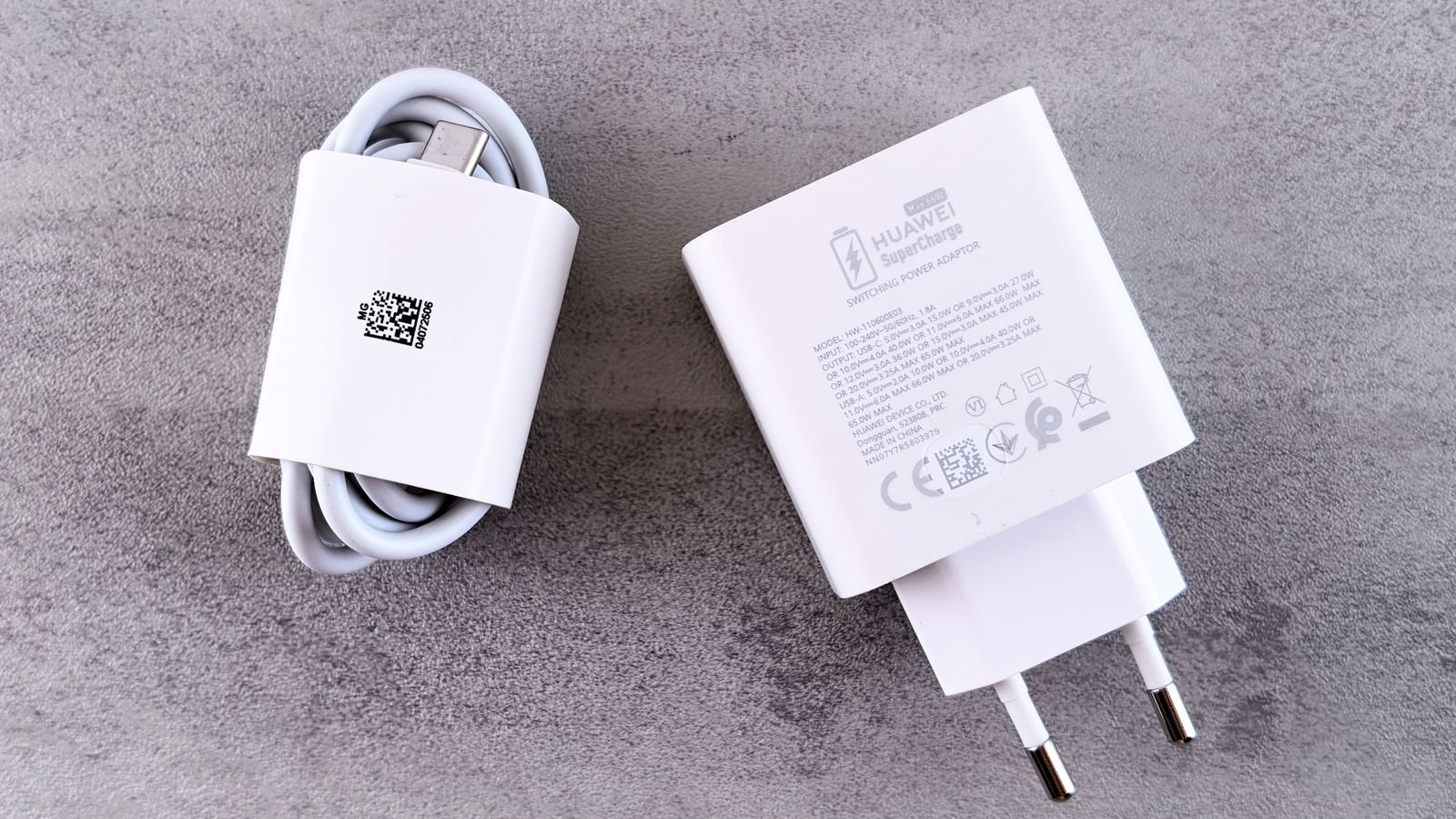
You can check whether a phone charger is a fake charger in about two minutes, for free. Look for the “R-” registration number printed on it, type it into the government’s BIS Care app, and see whether the brand and model that come up match what’s in your hand. No match, or no number at all, means it doesn’t go into your wall socket.
It matters more than it sounds. When a lab tested 400 counterfeit chargers, all but three failed a basic electric-shock safety test. Why that happens is in section 1, and the warning signs you can spot without an app are in section 3.
⚡ Key takeaways
- Every phone charger sold in India must carry a BIS registration number (R-number) under the Compulsory Registration Scheme.
- Open the free BIS Care app, choose “Verify R-No under CRS”, enter the number and check the brand and model it shows.
- No R-number, a number that shows a different company, or a misspelt brand name = treat it as a fake charger.
- In a UL test of 400 counterfeit iPhone chargers bought online, 397 failed an insulation test, and 12 leaked enough current to be a shock risk.
- An official Samsung 25W adapter has been tracked at ₹587–₹771 in 2026, so a “₹149 original” deal is almost never real.
Why a Fake Charger Is a Real Safety Risk
A charger has one main job besides charging: keeping the 230 volts from your wall socket away from your phone and your hand. It does that with a transformer and insulation inside the plastic case. Cheap copies skimp on exactly that part.
In 2016, the UK’s trading standards body had UL, a safety testing firm, test 400 counterfeit Apple chargers bought online in eight countries. As ScienceAlert reported, only 3 of the 400 passed the electric strength test:
- 22 chargers were damaged as soon as they were switched on, and some damaged the test equipment.
- 12 showed current leakage high enough to potentially electrocute someone.
- UL traced the failures to missing triple-insulated wire and poor separation between the high-voltage and low-voltage sides.
Those were iPhone copies, but the lesson applies to any fake charger. A charger that looks fine and charges fine can still have no real safety barrier inside.
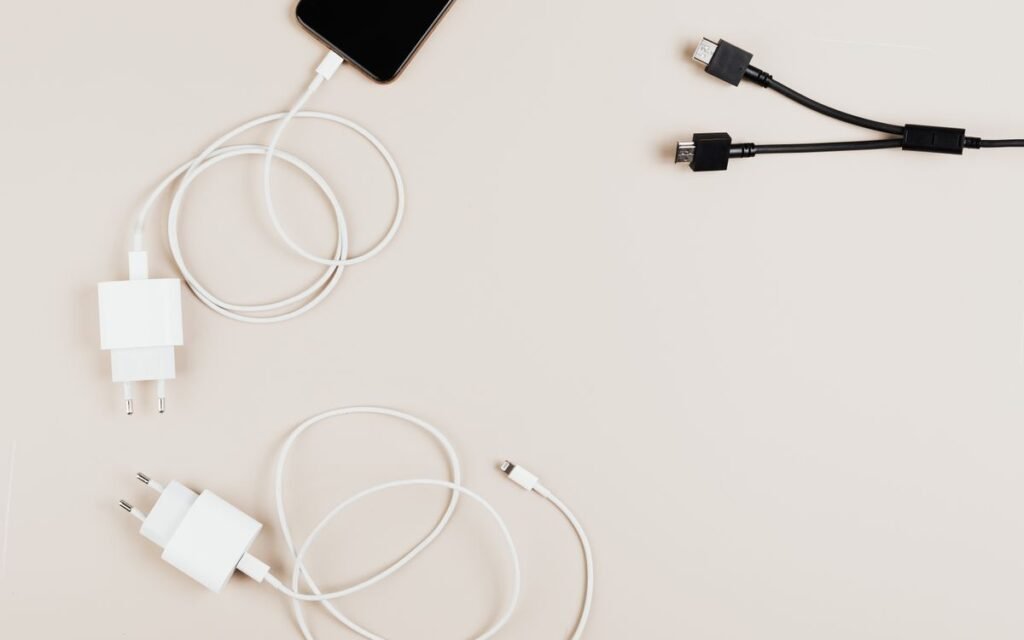
Why this matters in India right now
Festive season means more gadget shopping, gifting and quick buys from roadside stalls, quick-commerce apps and marketplace sellers. Non-compliant goods aren’t limited to small shops either. In 2025, BIS raided Amazon and Flipkart warehouses in Delhi and seized thousands of products sold without valid BIS marks, according to Outlook Business.
That’s why the two-minute check below is worth doing even when you buy online.
How to Check a Fake Charger With the BIS Care App
The Bureau of Indian Standards runs a free app called BIS Care. Its official BIS page says it can verify a registration number under the Compulsory Registration Scheme (CRS), which covers electronics such as power adapters, and confirm whether the product follows the relevant Indian Standard.
Step-by-step
- Install BIS Care from the Google Play Store. Check the publisher is the Bureau of Indian Standards.
- Register once with your name and mobile number and confirm with the OTP.
- Tap Verify R-No under CRS.
- Find the R-number on your charger. It’s printed near the BIS “Standard Mark” logo, usually as “R-” followed by digits. The BIS page asks for an eight-digit number.
- Enter it and tap Go.
- Compare what the app shows (manufacturer, brand, product type, model and standard) with the charger and its box.
What the result means
| What you see | What it means | What to do |
|---|---|---|
| Brand and model match your charger | Registered product | Fine to use |
| Number valid, but a different brand or a product like a power bank | Number copied from another product | Treat as fake |
| “No record found” | Number made up or mistyped | Re-check digits; if still nothing, treat as fake |
| No R-number printed at all | Not registered for sale in India | Don’t use it |
Chargers for phones and laptops usually register under IS 13252 (Part 1), the Indian safety standard for IT equipment and its power adapters, so you’ll often see that number in the app result.
💡 Pro tip
The same app lets you file a complaint about “misuse of Registration (CRS) mark”. If a shop or online seller sold you a fake charger with a copied R-number, reporting it takes a minute and helps BIS track sellers.
 Also readCheck Your Phone’s Battery Health in 2 Minutes (Android, iPhone)
6 Signs of a Fake Charger You Can Spot Without an App
Sometimes you’re standing at a shop counter and the app won’t load. These signs, several of them from ScienceAlert’s write-up of the UL study, are a quick first filter.
- No R-number or BIS mark. A charger sold legally in India should have one. This is the strongest sign.
- Spelling and printing mistakes. “Samsng”, “Fast Charing”, blurry logos or text that rubs off. Real brands don’t ship typos.
- Wrong colour or packaging. The tip for Apple chargers: genuine ones are plain white with Apple-branded white packaging. Loose chargers in a plastic bag are suspect.
- A price that’s too good. If an “original 25W” costs less than a samosa plate, it isn’t original.
- Loose, wobbly pins or a gap in the casing. Cheap moulding is a sign of cheap insides.
- It gets very hot or smells of plastic. Unplug it straight away and don’t use it again.
⚠️ Watch out
A fake charger can charge your phone perfectly well for months. “It works” tells you nothing about the insulation inside. That’s the catch most people miss, and it’s the reason the BIS check matters.
Original vs Fake Charger: Prices and Where to Buy
The safest charger is the one from your phone’s brand or a known accessory brand, bought from the brand store, an authorised dealer, or the brand’s own listing on Amazon or Flipkart.
For a sense of what a real one costs: Samsung’s official 25W Travel Adapter (EP-T2510) has been tracked by Smartprix at ₹587 in July 2026 and ₹771 in June 2026, depending on seller and date. Samsung’s page lists it as made in India.
| Where you buy | Risk of a fake charger | What to check |
|---|---|---|
| Brand store or brand website | Very low | Bill and warranty |
| Brand’s official store on Amazon/Flipkart | Low | “Sold by” seller name, BIS R-number |
| Random marketplace seller | Medium | Reviews mentioning fakes, R-number in photos, BIS Care check |
| Roadside stall or local train vendor | High | Usually skip |
| Quick-commerce “original” deals far below MRP | Medium to high | Brand, R-number, and return option |
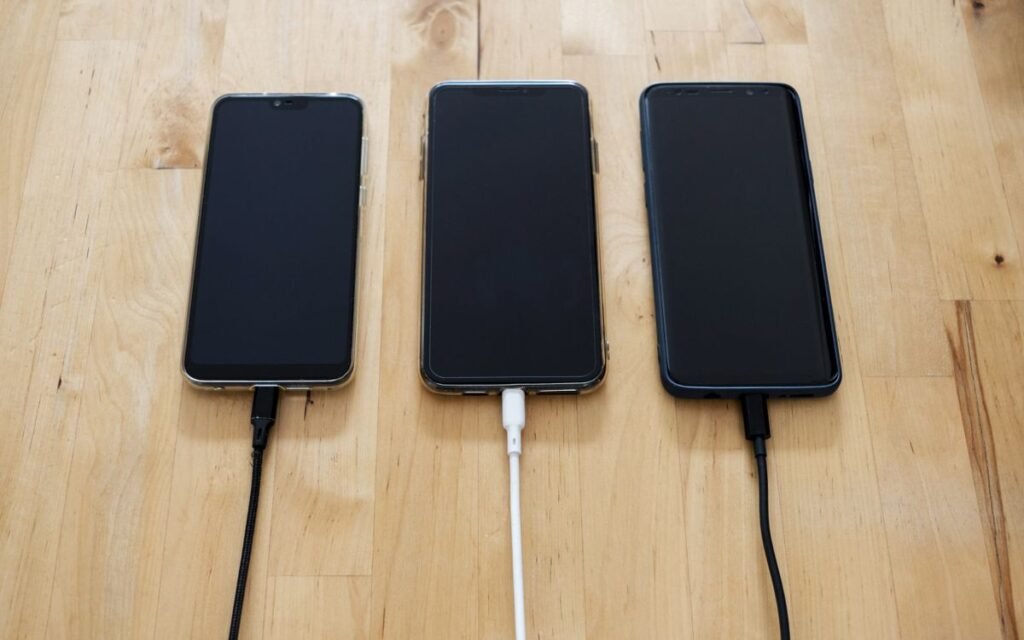
Do third-party chargers count as fake?
No. A branded third-party charger from a known accessory company is fine if it has its own valid R-number. Apple’s own USB-C iPhone charging page says adapters should comply with the USB-C standard, including USB Power Delivery, and that cables and adapters are available from Apple and other manufacturers. The problem is copies pretending to be a brand, and no-name chargers with no registration at all.
Picking the Right Wattage Without Overpaying
Many people buy a fake charger because the original seems expensive for the wattage they want. You often don’t need the biggest number.
- Match the standard, not just the watts. Most new Android phones and iPhones charge over USB-C Power Delivery (PD). Samsung’s fastest speeds also need PPS support, which Samsung lists on its adapter pages.
- A higher-watt genuine charger is fine. A phone takes only what it can handle when the charger follows the USB-C PD standard.
- Proprietary fast charging needs the brand’s charger. OnePlus, OPPO, Vivo and Xiaomi’s top speeds usually work only with their own chargers. A generic one charges at normal speed.
- Use a decent cable. A good charger with a frayed or cheap cable can still be slow or unsafe.
Buying a phone this Diwali? Check whether a charger comes in the box at all. Our used phone buying checks and the guide on buying a phone on Blinkit or Zepto cover what to inspect before you pay.
 Also readBuying a Used Phone? 7 Checks Before You Pay in India
Safe Charging Habits That Cost Nothing
Even a genuine charger needs some sense. These habits reduce the chance of damage or a scare at home:
- Don’t charge a phone under a pillow or on a soft bed. Heat needs somewhere to go.
- Unplug any charger that buzzes, sparks or feels hot to touch.
- Don’t use a charger with a cracked case or bent pins.
- Keep chargers away from water and bathroom sockets.
- Avoid cheap multi-plug adapters stacked in one socket, especially with heaters plugged in during winter.
- Check your phone’s battery health once in a while. A swollen or worn battery is its own risk. Our guide on how to check battery health on Android and iPhone shows where to look.
✅ Our verdict
Don’t guess. Before using any charger you didn’t get from the brand, check its R-number in the free BIS Care app. If the number is missing or shows a different product, throw it away, even if it charges fine. A genuine 25W adapter costs well under ₹1,000, which is cheap compared with a burnt phone or a shock.
Frequently Asked Questions
How do I check if my charger is original in India?
Find the R-number printed near the BIS mark on the charger. Enter it in the BIS Care app under “Verify R-No under CRS” and check that the brand and model shown match your charger.
Is BIS certification mandatory for mobile chargers?
Yes. Phone chargers and power adapters for IT equipment come under BIS’s Compulsory Registration Scheme, so they must carry a registration number to be sold in India.
Can a fake charger damage my phone?
It can. Poorly made chargers may deliver unstable power and often lack proper insulation. In the UL test of 400 counterfeit chargers, 22 were damaged as soon as they were switched on.
Is it safe to use a different brand’s charger?
Yes, if it’s a genuine charger from a known brand with its own valid R-number and supports your phone’s charging standard (usually USB-C PD). You may not get the maximum speed of your phone’s proprietary charger.
What should I do if I bought a fake charger online?
Stop using it, request a return from the seller or platform, and file a complaint about misuse of the registration mark in the BIS Care app.
The Bottom Line
A fake charger can look and work just like the real thing while missing the insulation that keeps you safe. Check the R-number in BIS Care, buy from the brand or its official store, and throw away anything that fails the check. Try it tonight on the chargers lying around your house; most families find at least one they can’t verify.
Keep reading
Read nextCheck Your Phone’s Battery Health in 2 Minutes (Android, iPhone) Read nextFake Discount or Real Deal? Check Any Sale Price in 2 Minutes
Sources
- Bureau of Indian Standards: BIS Care app features
- ScienceAlert: More than 99% of counterfeit iPhone chargers fail basic safety tests (UL study)
- Outlook Business: BIS raids Amazon and Flipkart warehouses (2025)
- Samsung India: 25W Travel Adaptor EP-T2510
- Smartprix: Samsung chargers under ₹1,000
- Apple Support: Charge and connect with the USB-C connector on your iPhone