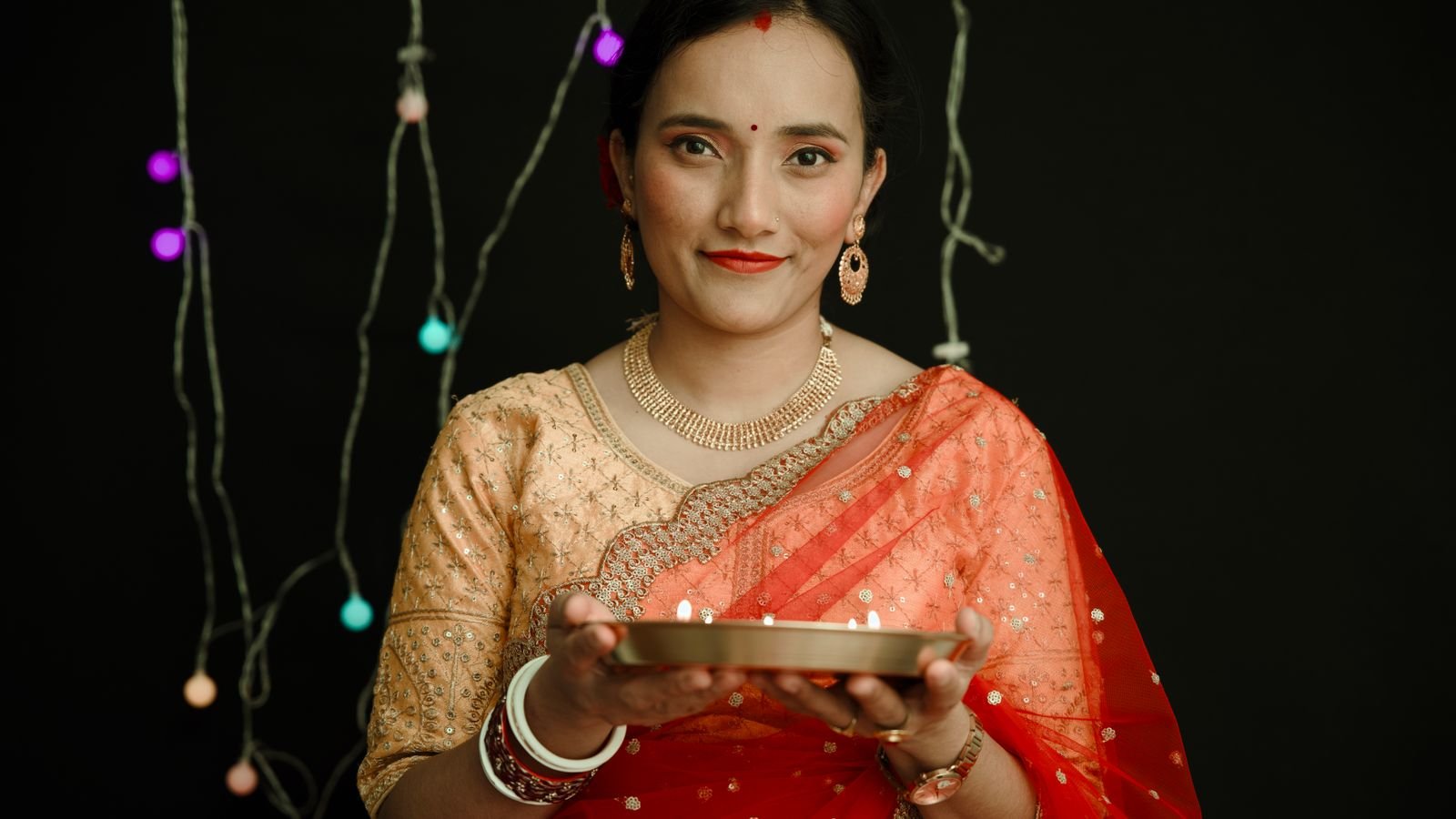
Karwa Chauth falls on Thursday, 29 October this year, and in Delhi the nirjala fast runs roughly from 6:31 am to moonrise at about 8:17 pm. That’s close to 14 hours without food or water. The best Karwa Chauth fasting tips are simple: drink well the day before, eat a sargi with slow-burning food instead of only sweets, go easy on salt and chai, and break the fast slowly.
The one habit that makes the afternoon much harder is on most sargi plates. You’ll find it in section 3.
⚡ Key takeaways
- Date: Thursday, 29 October 2026 in most Indian panchangs. Delhi moonrise is listed around 8:17 pm; other cities differ, so check your local panchang.
- Hydrate on 28 October and at sargi. Fluid-rich foods (fruit, curd, soups) count too.
- Go light on salty food at sargi. NHS guidance on fasting notes that salt makes you thirsty.
- Cut back on chai over the next two days if you drink a lot of it, to soften the caffeine headache.
- Break the fast with water first, then something light, then the meal. Don’t start with a plate of fried snacks.
- Pregnant or breastfeeding, or living with diabetes? Talk to your doctor before a full nirjala fast.
Karwa Chauth 2026: Date, Timings and How Long You’ll Fast
Several Indian calendars that use Drik Panchang’s figures, including Samvat, list Karwa Chauth on Thursday, 29 October 2026. For New Delhi, the fast is listed from sunrise around 6:31 am to moonrise at about 8:17 pm, with puja muhurat around 5:38 pm to 6:56 pm.
Moonrise changes by city. Kolkata sees it earlier, while Mumbai, Pune and Bengaluru usually see it later than Delhi, sometimes closer to 9 pm. A few websites show 28 October, so it’s worth confirming with your family pandit or local panchang.
Either way, plan for about 14 hours of no water if you keep a strict nirjala fast. That’s long, and it’s why these Karwa Chauth fasting tips start the day before, not at 4 am.
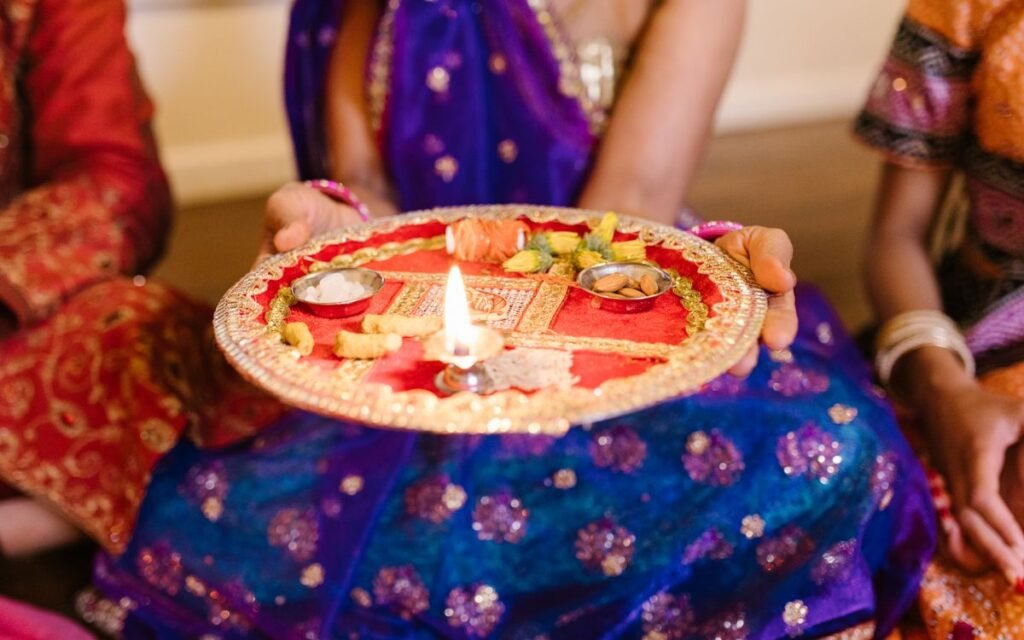
The Day Before: Set Yourself Up on 28 October
Your fast really begins on Wednesday. How you drink and eat that day decides how the Thursday afternoon feels.
Drink steadily through Wednesday
Don’t try to drink two litres in one go at 4 am. Sip water through the day on 28 October so you start the fast well hydrated. NHS fasting advice from Aneurin Bevan University Health Board says fluid-rich foods such as fruit, vegetables, yoghurt and soups help top up fluids too.
Taper your chai
If you drink three or four cups of chai or coffee a day, a sudden stop can bring a headache and tiredness. The same NHS page says these symptoms are common early in a fast and usually ease as the body adjusts. Cutting down to one cup on Tuesday and Wednesday makes Thursday gentler.
Sleep early
A 3:30 am alarm after a midnight mehendi session is a recipe for a rough day. NHS Greater Manchester’s fasting tips recommend keeping a steady sleep routine and taking a short nap if you need one.
💡 Pro tip
Put a bottle of water next to your bed on Wednesday night. Drink a glass when you wake for sargi, before you eat anything. It’s easier than trying to drink a lot right at the end.
 Also readDrinking Too Much Water Can Harm You: How Much Is Actually Right?
The Sargi Plate: What to Eat Before Sunrise
The sargi your mother-in-law sends is usually generous: pheni, mathri, dry fruits, mithai, fruit and sometimes paratha. It’s made with love. But a plate that’s mostly sugar and salt is the wrong fuel for 14 hours without water.
Here’s the catch from the hook. Salty mathri, namkeen and pickles taste great at 4 am, and they make thirst worse by afternoon. The ABUHB NHS page puts it plainly: salt stimulates thirst. Keep salty items to a nibble.
Instead, build the plate around foods that release energy slowly and hold water:
| Sargi food | Why it helps | Easy swap |
|---|---|---|
| Pheni or semiyan cooked in milk | Carbs plus milk protein and fluid | Use less sugar than usual |
| Oats, dalia or a whole-wheat paratha | Slow-release carbs, recommended in NHS fasting advice | Skip the extra ghee on top |
| Curd, paneer, a glass of milk or lassi | Protein keeps you full longer; curd and milk add fluid | Choose plain over sweet lassi |
| Fruit: banana, papaya, orange, apple | Fluid, fibre and natural sugar | A bowl of fruit instead of a second mithai |
| A few almonds, walnuts, soaked raisins | Fibre and healthy fat in a small portion | A handful, not a bowlful |
| Mathri, namkeen, pickle | Salty, adds thirst | One piece, or skip |
The NHS Greater Manchester advice suggests complex carbs like oats or wholemeal bread with protein such as eggs or yoghurt for the pre-dawn meal. Indian kitchens already have versions of all of these.
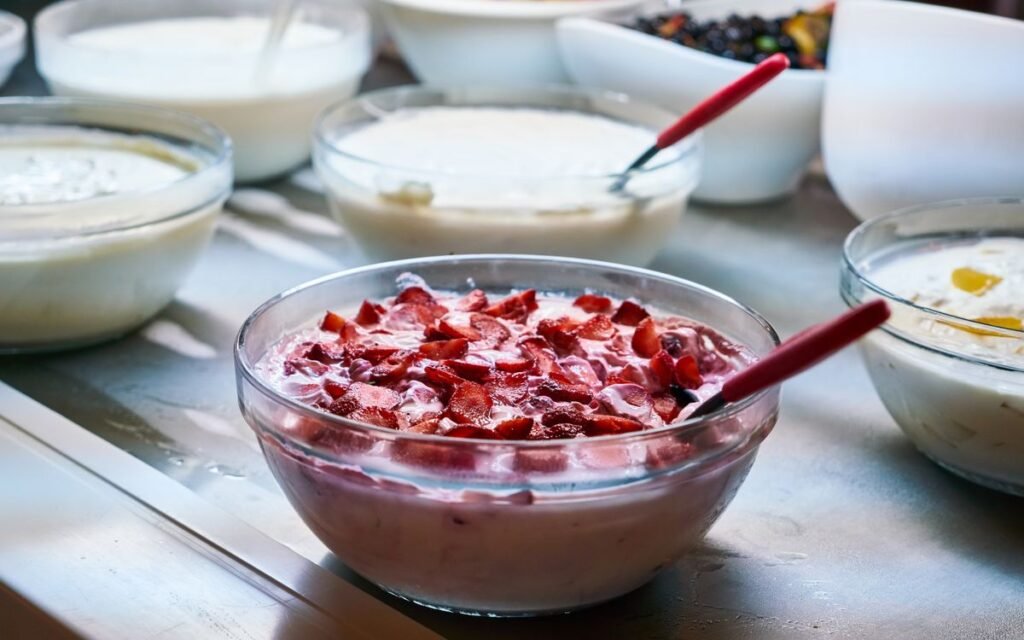
Don’t overeat at sargi
Eating a huge plate at 4 am can leave you bloated and sleepy. Eat a normal-sized meal, slowly, and stop before you feel stuffed.
During the Fast: Karwa Chauth Fasting Tips for the Long Afternoon
The hardest stretch is usually from about 2 pm to moonrise. Thirst peaks, energy dips, and the evening puja preparations begin.
A few things make it easier:
- Stay out of the sun. Late October is warmer than it looks in many cities. Shop for puja items in the morning.
- Split the work. If you’re cooking the evening meal, do the chopping and prep the day before. Ask your husband or children to handle the heavy lifting. It’s their festival too.
- Skip the workout. A gym session or long walk on a nirjala fast day isn’t a good idea. Keep it light.
- Sit down when you stand up too fast. Light-headedness and a headache are common signs of dehydration listed by the NHS. Move slowly, rest, and lie down for a few minutes if you feel dizzy.
- Keep the room cool. A fan and loose cotton clothes reduce sweating, which saves water.
⚠️ Watch out
If you feel faint, confused or very unwell, break the fast and drink water. No ritual is worth a fall or a trip to the hospital, and most families would rather you were safe. Many women keep a phalahar fast (fruit and water) instead of a full nirjala fast for exactly this reason.
Breaking the Fast: Go Slow After Moonrise
After 14 hours, the instinct is to eat everything on the table at once. That’s when bloating, acidity and the “I feel worse than during the fast” moment hit.
Follow this order:
- Water first. Sip a glass slowly rather than gulping it.
- Something light. NHS Greater Manchester suggests starting with dates and water, then a light soup or salad. A small bowl of dal, fruit or a few dates works.
- Then the main meal. Eat it at a normal pace.
- Hold back on fried and very sweet food. The same NHS advice warns that overeating fried and sugary food leaves you tired and drowsy.
- Keep drinking through the evening. Spread water out until bedtime instead of downing a jug.
 Also readDiwali Sweets for Diabetics: Enjoy Mithai Without the Spike
Diwali is only ten days later, so your sweets season is just starting. Our guide on Diwali sweets for diabetics has a simple one-piece rule that works for anyone watching sugar.
Who Should Change or Skip the Nirjala Fast
The NHS guidance on fasting is clear that people whose health could be affected by fasting are exempt. It names pregnant and breastfeeding women and people with diabetes as examples. People with diabetes face a higher risk of dehydration and low blood sugar during a fast, and should discuss it with their diabetes team first.
The same applies to anyone on regular medicines that need to be taken with food or water at fixed times. Your doctor can tell you whether a phalahar fast, a shorter fast, or water-only during the day is safer for you. Many families are fine with that once they hear it’s medical advice.
Older women keeping the fast for decades also deserve a mention. Heat tolerance and thirst signals change with age, so a glass of water at midday is a sensible compromise.
This article is for information only and is not medical advice. If you have a health condition or take regular medicines, consult a doctor before fasting.
✅ Our verdict
Treat Karwa Chauth like a 14-hour endurance day. Hydrate on 28 October, eat a sargi built on oats, milk, curd and fruit rather than mathri and mithai, taper your chai, and break the fast with water and something light. If your body says stop, listen to it.
Frequently Asked Questions
What should I eat in sargi for Karwa Chauth?
Pick slow-release carbs (pheni in milk, oats, dalia or a whole-wheat paratha), some protein (curd, paneer or milk) and fluid-rich fruit. Keep salty mathri, namkeen and pickles to a minimum because salt increases thirst.
How can I avoid a headache during Karwa Chauth?
Cut down on tea and coffee over the two days before the fast, drink enough water on 28 October and get a good night’s sleep. Caffeine withdrawal and dehydration are both common causes of headaches during a fast.
Can I drink water during Karwa Chauth?
A traditional Karwa Chauth fast is nirjala (no water), but many women keep a phalahar fast with water and fruit. If you’re pregnant, breastfeeding, have diabetes or take regular medicines, talk to your doctor about which version is safe for you.
What time is moonrise on Karwa Chauth 2026?
For New Delhi, moonrise is listed at about 8:17 pm on 29 October. Other cities differ, so check a panchang for your city.
What is the best food to break the Karwa Chauth fast?
Start with water, then something light such as dates, fruit or a small bowl of soup or dal. Eat the main meal after that, slowly, and go easy on fried food.
The Bottom Line
Karwa Chauth fasting tips come down to planning. Drink well on Wednesday, eat a sargi that’s more oats and curd than mithai and mathri, keep Thursday afternoon calm and cool, and break the fast gently after moonrise. Tonight’s easy step: tell the family which sargi foods you’d actually like this year.
Keep reading
Read nextDiwali Sweets for Diabetics: Enjoy Mithai Without the SpikeRead nextDrinking Too Much Water Can Harm You: How Much Is Actually Right? Read nextVitamin D Deficiency in India: Do You Really Need That Test?
Sources
- Samvat: Karwa Chauth 2026 date (New Delhi panchang)
- Aneurin Bevan University Health Board (NHS Wales): Top tips for a healthy fast
- NHS Greater Manchester Integrated Care: Top tips for staying healthy while fasting
- NHS: Dehydration symptoms