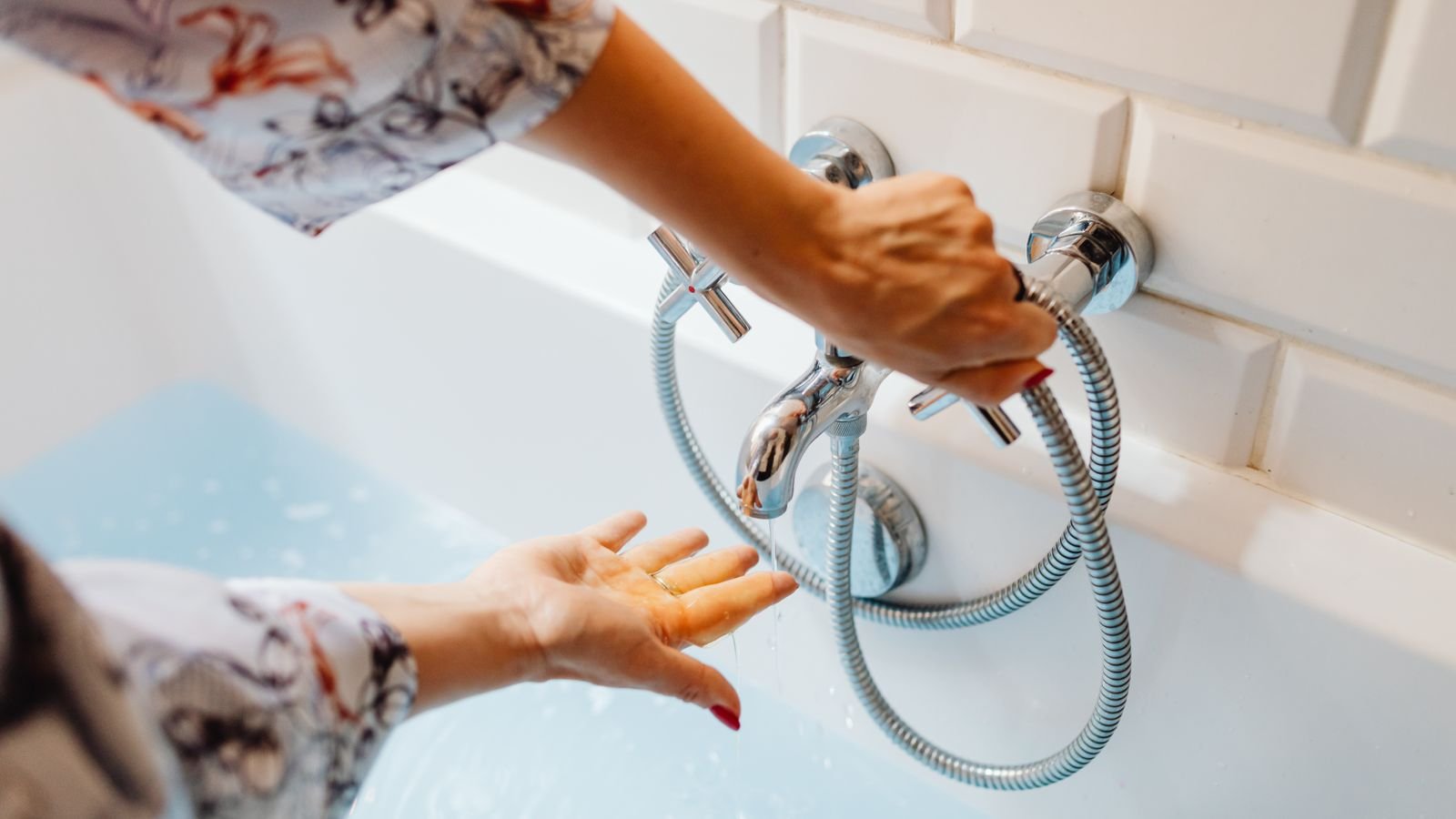
The right bath water temperature in winter is warm, not hot: close to body temperature for children (about 37 to 38°C), and comfortably warm for adults, never water that stings or turns your skin red. Geyser water straight from the tank is far hotter than that. A child-safety page from Ireland’s health service says water at 60°C can scald a child within 3 seconds.
Most of us never check. We open the hot tap, add “some” cold, and judge it with a hand that’s already numb from the January morning. There’s a simple order of filling the bucket that cuts the risk to almost zero, and it’s in section 3.
⚡ Key takeaways
- Babies and children: about 36°C for newborns and 37 to 38°C for older babies and kids, per Ireland’s HSE. Test with your elbow; it should feel like body temperature (NHS).
- Scald risk: 60°C water scalds a child within 3 seconds; at 49°C it takes about 10 minutes (HSE). Your geyser tank may be stored near 60°C.
- Adults: dermatologists advise warm water and baths or showers of 5 to 10 minutes, then moisturiser on damp skin (AAD).
- The one habit: cold water into the bucket first, then hot, then mix and test. Never pour hot straight from the geyser onto a child.
- Skip: extra-long, very hot baths if your skin is already dry or itchy this winter.
Bath Water Temperature: The Safe Numbers at a Glance
There’s no single “perfect” number for adults. There are, though, clear numbers for children and clear danger zones, and they come from public health agencies, not wellness blogs.
| Who / what | Temperature | What the source says |
|---|---|---|
| Newborn bath | about 36°C | HSE Ireland |
| Babies and children | 37 to 38°C | HSE Ireland |
| Hot water at taps (safety limit) | 49°C | Public Health Agency of Canada, via mixing valves |
| Scald in about 10 minutes | 49°C | HSE Ireland |
| Scald within 3 seconds | 60°C | HSE Ireland |
| Storage setting many guides suggest | around 60°C | Canada (to limit bacteria), CAG Chennai (energy) |
Look at the last two rows together. The water in a storage geyser can sit at the same temperature that scalds a child in three seconds. That’s fine inside the tank. It’s not fine on skin.
For adults, the American Academy of Dermatology (AAD) simply says to use warm water and keep baths and showers to 5 to 10 minutes. A good working rule: if the water makes your skin go red or you have to ease in slowly, it’s hotter than your skin needs.
Children’s skin needs extra care. Canada’s public health agency notes that a child’s skin burns in a quarter of the time an adult’s does.
Why Geyser Water Can Burn So Fast
A storage geyser heats a tank of water and holds it there. The energy team at Chennai’s Citizen consumer and civic Action Group (CAG) calls around 60°C the ideal thermostat setting for saving electricity, and Canada’s health agency also recommends 60°C in the tank, to stop bacteria such as Legionella from growing.
So the tank being hot is normal. The risk comes from what happens next:
- Hot tap first. Many of us open the hot tap into an empty bucket, and that first water is close to tank temperature.
- Numb hands. On a cold morning, cold fingers misjudge heat. You can think water is “just warm” when it isn’t.
- Water still running. HSE Ireland warns never to put a child in the bath while water is still running, because the temperature can change fast.
Two ways to make the tap safer
HSE Ireland suggests setting the water heater below 50°C. Canada takes a different route: keep the tank at 60°C for hygiene, but fit a thermostatic mixing valve so water leaves the tap at no more than 49°C.
For most Indian homes, the practical middle path is simpler. Don’t run the geyser at its maximum, and mix every bucket before anyone steps in. Our guide to geyser electricity cost and safety covers thermostat settings, timers and why every geyser needs an RCCB.
💡 Pro tip
Turn the geyser knob down a notch and set a timer so it only heats 20 to 30 minutes before bath time. You save power and the water that comes out is less likely to scald.
The Bucket Bath, the Safe Way
The bucket-and-mug bath is still how most Indian families bathe, especially kids and older parents. It’s actually easier to control than a shower, if you fill it in the right order.
The order that matters
- Cold water in first. HSE Ireland’s advice is to run the cold tap first, then the hot.
- Add hot slowly, a little at a time.
- Finish with a splash of cold so the tap and the top layer aren’t scalding.
- Mix the whole bucket with the mug. Hot water floats on top, so swirl it well to remove hot patches.
- Test before pouring. Use your elbow, not your fingertips. The NHS says the water should feel the same as your body temperature.
For babies and young children
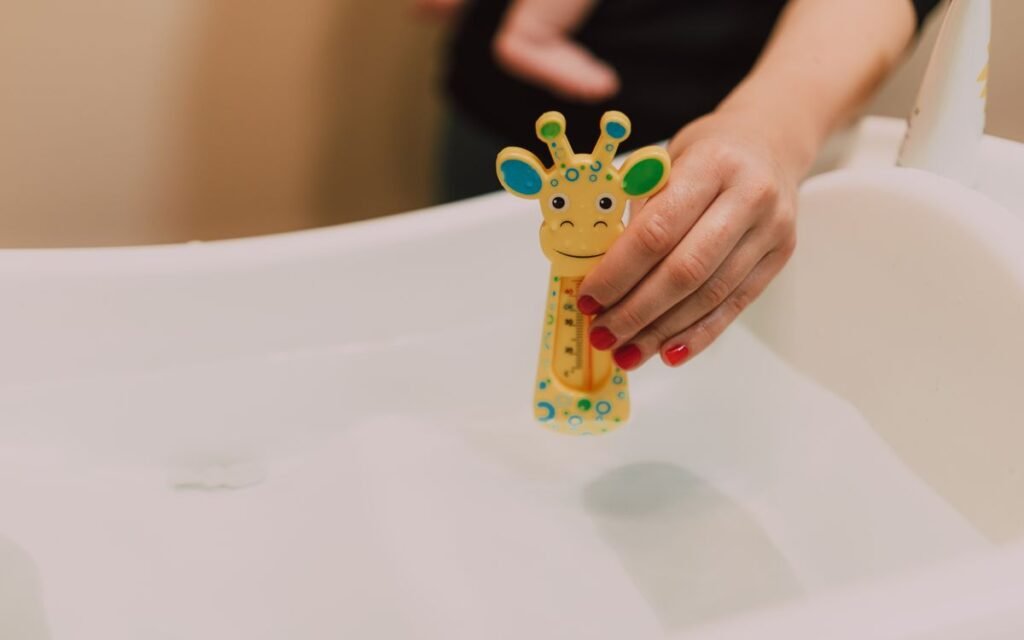
A small floating bath thermometer is cheap and removes the guesswork. Aim for 37 to 38°C for babies and kids, about 36°C for a newborn (HSE).
The NHS also says to fill a baby bath only 8 to 10 cm deep, and to never leave a baby alone in the bath, not even for a second.
For elderly parents
If a parent needs help with bathing, you be the one to mix and test the bucket. Keep a non-slip mat on the bathroom floor. Many of us leave Dadi or Nana to “manage the geyser” on their own, and a five-second check by someone else is worth it.
What Very Hot Water Does to Skin and Hair
A hot bath on a cold January morning feels wonderful. Your skin often pays for it by evening.
The AAD’s dry-skin advice starts in the bathroom: warm water, 5 to 10 minutes, a gentle cleanser used only where you need it, and patting (not rubbing) dry. Hot water strips the skin’s natural oils, which is why the itch on your shins and arms often gets worse in December and January.
| Habit | What happens | Simple swap |
|---|---|---|
| 20-minute steaming bath | More oil washed off | 5 to 10 minutes, warm |
| Soap all over | Dries the whole body | Gentle cleanser where needed |
| Rubbing with a towel | Irritates dry skin | Pat dry |
| Moisturiser at night only | Skin already tight | Moisturise within minutes, on damp skin |
NHS guidance on emollients (moisturisers) says to apply them straight after washing or bathing. One caution from Guy’s and St Thomas’ NHS trust: oily creams and bath oils make the bathroom floor slippery, so wipe up spills.
And hair?
The AAD’s hair-care tips don’t give a water temperature, so be wary of anyone quoting an exact number. Its advice that does apply here: shampoo the scalp, not the full length; use conditioner after every wash; and wrap wet hair in a towel or old T-shirt instead of rubbing it. Rough towelling and hot styling tools do more damage than the water itself.
What about hard water?
A 2018 study in the Journal of Investigative Dermatology (80 people, some with eczema) found that hard water left more soap surfactant on the skin, which raised water loss and irritation. Softened water reduced the effect. Two caveats: a water-softener company funded it, and it tested short-term skin effects, not long-term outcomes. If your area has hard water, using less soap and moisturising after bathing are cheap things to try before buying a softener.
The Warm Bath Before Bed: A Sleep Trick With Numbers
Here’s where warmer water does help. A 2019 review in Sleep Medicine Reviews, from researchers at the University of Texas at Austin, pooled earlier studies on bathing and sleep. A bath or shower at about 40 to 43°C, taken 1 to 2 hours before bedtime, helped people fall asleep about 10 minutes faster on average. About 90 minutes before bed worked best.
That sounds hot, and it is warmer than the “lukewarm” dermatologists like. But it’s still below the 49°C scald line and far below what sits in the geyser tank. Honestly, I’d treat it as an occasional trick for restless nights, not a daily habit, if your skin is already dry.
Two ways to keep it skin-friendly:
- Keep it short. The sleep benefit came from timing, not a long soak.
- Moisturise straight after if your skin is dry.
If you’d rather skip a night shower in a cold bathroom, warm feet do some of the same job. We looked at that research in our post on sleeping with socks on in winter.
⚠️ Watch out
Don’t use a warm bath as the reason to crank the geyser to maximum. 40 to 43°C is “pleasantly hot”, not “too hot to put your foot in”. If you can’t keep your hand in it comfortably, it’s too hot.
A 2-Minute Bathroom Safety Check for Winter
Do this once this week, ideally on a Sunday when nobody is rushing for office or school. Most of it takes less time than the geyser takes to heat up.
- Find the geyser thermostat. If it’s at maximum, turn it down.
- Put the geyser on a timer or a smart plug rated for its load, so it isn’t heating all day.
- Check there’s an RCCB (residual current circuit breaker) on the circuit. Ask an electrician if you’re not sure.
- Keep a bucket thermometer in the bathroom if there’s a baby or toddler at home.
- Teach the order: cold first, then hot, then mix and test. Put a note on the geyser switch if it helps the household remember.
- Lay a non-slip mat, especially if anyone uses oily creams or bath oils.
- Keep extension boards and portable heaters off wet floors. If a heater warms the bedroom before bath time, our guide to room heater running cost and safety covers the safety basics.
 Also readWinter Dry Skin: The Hot-Water Bath Habit Making It Worse
If your skin is already dry and flaky, our winter dry skin routine goes deeper on creams, ingredients and which ones are worth the money.
Our Verdict: How Hot Should Your Bath Be?
✅ Our verdict
Warm, not hot, and short. Body temperature (37 to 38°C) for children, comfortably warm for adults, 5 to 10 minutes, then moisturiser on damp skin. Always put cold water in the bucket first and test before pouring, because geyser water can scald a child in seconds.
My honest take: you don’t need a thermometer for yourself. You need one habit (cold water first) and one rule (if your skin goes red, it’s too hot). Buy the thermometer only if there’s a baby at home, because that’s where a few degrees matter most.
One more winter habit that slips: water. Our guide to drinking water in winter explains why you feel less thirsty when it’s cold.
This article is for information only and isn’t medical advice. If you have a skin condition, reduced sensation in your hands or feet, or a heart or blood-pressure condition, consult a doctor about what’s right for you.
Frequently Asked Questions
What is the ideal bath water temperature for a baby?
About 36°C for a newborn and 37 to 38°C for babies and children, according to HSE Ireland. The NHS suggests testing with your elbow; the water should feel the same as your body temperature.
Is it bad to bathe in very hot water in winter?
Very hot water strips natural oils from the skin, which can leave it dry and itchy. Dermatologists at the AAD advise warm water and 5 to 10 minute baths or showers, followed by moisturiser while skin is still damp.
How hot is too hot for bath water?
Water that turns your skin red or that you have to ease into is hotter than needed. As a safety line, HSE Ireland says 49°C water takes about 10 minutes to cause a serious scald, while 60°C scalds a child within 3 seconds.
Does a warm bath before bed help you sleep?
A 2019 review from the University of Texas at Austin found that a bath or shower at about 40 to 43°C, taken 1 to 2 hours before bed, helped people fall asleep about 10 minutes faster on average.
What temperature should I set my geyser to?
Energy and health guides often suggest about 60°C in the tank. Ireland’s HSE suggests below 50°C to reduce scald risk. Either way, mix every bucket with cold water first and test it before use.
The Bottom Line
Your bath water temperature should be warm, not hot: about body temperature for kids and comfortably warm for adults, with short baths and moisturiser after. The real danger is geyser water poured straight onto skin, so fill with cold first, mix and test.
Tonight, check where your geyser knob is set and teach everyone at home the cold-first rule.
Keep reading
Read nextWinter Dry Skin: The Hot-Water Bath Habit Making It Worse Read nextSleeping With Socks On in Winter: What the Studies Say
 Read nextDrinking Water in Winter: How Much You Need When Not Thirsty
Sources
- HSE Ireland: preventing burns from hot liquids (60°C scalds within 3 seconds, 49°C in about 10 minutes, 36°C newborn, 37-38°C children, cold tap first, heater below 50°C)
- NHS Start for Life: bathing your baby (elbow test, body temperature, cold water first, 8-10 cm, never leave alone)
- Public Health Agency of Canada: water temperature and burns (heater at 60°C for bacteria, taps limited to 49°C with mixing valves, child skin burns 4x faster)
- American Academy of Dermatology: dry skin relief (warm water, 5-10 minutes, moisturise damp skin, gentle cleanser)
- American Academy of Dermatology: tips for healthy hair (shampoo scalp, condition, towel wrap)
- Guy’s and St Thomas’ NHS: emollients and how to use them (apply straight after washing, slip risk)
- University of Texas at Austin: warm bath 1-2 hours before bed (Haghayegh et al., Sleep Medicine Reviews 2019)
- Danby et al., Journal of Investigative Dermatology 2018: hard water, surfactant and skin barrier (open access)
- King’s College London: study summary and funding (Harvey Water Softeners)
- CAG Chennai: electric water heaters and the 60°C setting