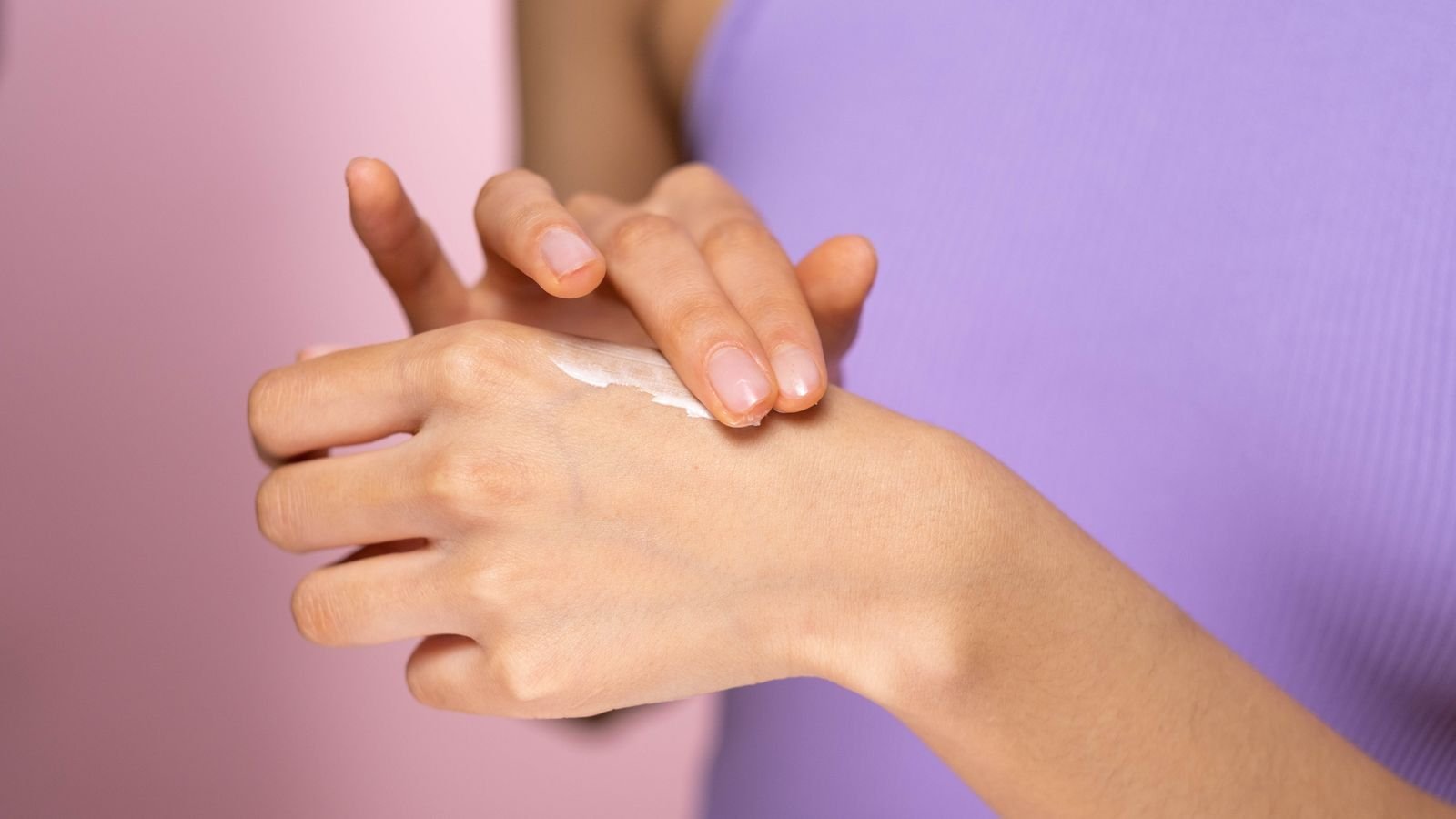
That long, hot bath on a cold morning feels wonderful. It’s also one of the main reasons for winter dry skin: hot water strips the skin’s natural oils, and dermatologists suggest keeping baths to 5-10 minutes in warm, not hot, water.
The rest of the fix is about timing more than products. And there’s one safety point about moisturisers that matters during Diwali week. You’ll find it in section 5.
⚡ Key takeaways
- Keep baths and showers to 5-10 minutes in warm water, as the American Academy of Dermatology (AAD) advises.
- Moisturise within minutes of bathing, while skin is still a little damp.
- Creams and ointments hold moisture better than thin lotions.
- Plain coconut oil worked as well as mineral oil for mild dry skin in a small trial.
- Fabric with moisturiser soaked in can catch fire more easily. Keep oily clothes and dupattas away from diyas.
Why Winter Dry Skin Hits Indians So Hard
Winter air holds less moisture, especially in north India, where cold, dry days stretch from November to February. Skin loses water faster in dry air, and that’s when tight, flaky shins and cracked heels show up.
Then we add our own habits. The geyser goes on, the bath gets longer and hotter, and a strong soap is used all over. A woollen sweater sits directly on the skin all day. At night a heater or blower runs in a closed room.
None of this is anyone’s fault; it’s how we cope with the cold. But almost every one of those habits makes dry skin worse. The good part is that each has a cheap fix.
The Bath Fix: Shorter, Warmer, Gentler
The American Academy of Dermatology’s dry skin tips start in the bathroom, and for good reason.
- Keep it to 5-10 minutes. Longer soaks pull more oil out of the skin.
- Use warm water, not hot. It should feel comfortable, not scalding.
- Close the bathroom door to keep the steam and humidity in.
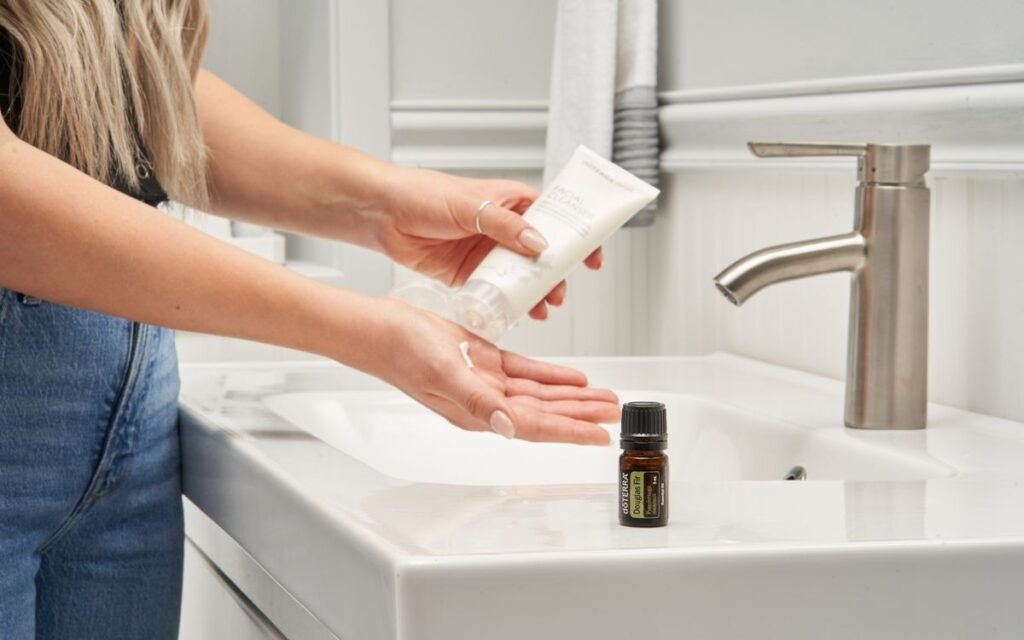
- Use a gentle cleanser only where you need it, like the armpits and groin. You don’t need a heavy lather on your arms and legs every day.
- Pat dry with a towel. Rubbing hard irritates dry skin.
I know a hot bath is non-negotiable in some homes when it’s 6°C outside. Even then, turning the geyser down a little and cutting five minutes makes a difference.
💡 Pro tip
Keep your moisturiser in the bathroom, not the bedroom. If it’s right there when you step out, you’ll actually use it while your skin is still damp.
 Also readAmla in Winter: How Much to Eat and the Best Way to Have It
When and How to Moisturise
Timing matters more than the brand. The AAD advises moisturising right after bathing while skin is still damp, after washing your hands, and any time skin feels dry.
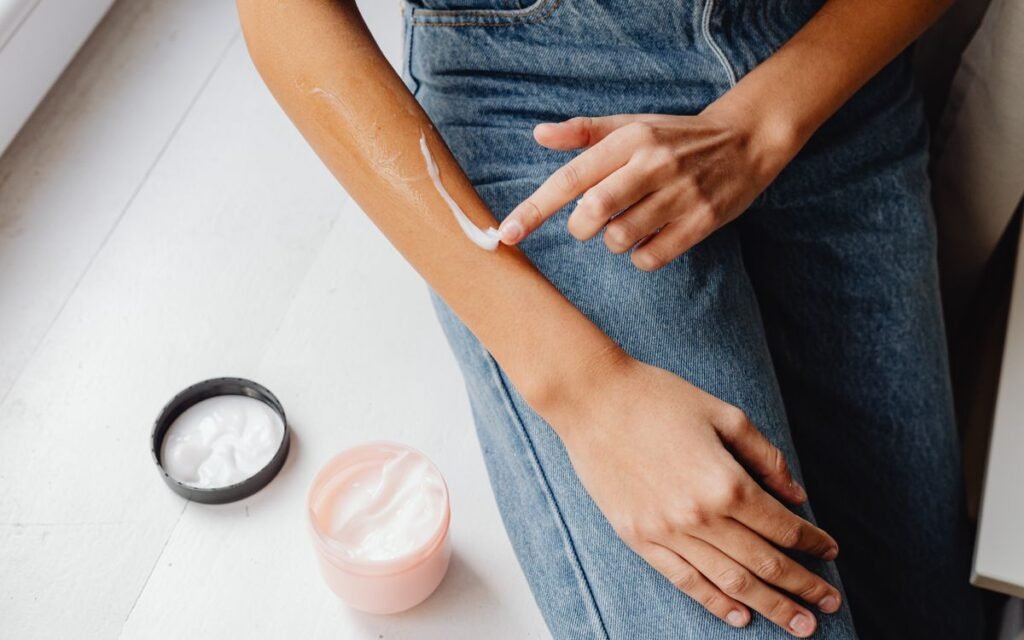
The NHS explains how to choose and apply emollients (the medical word for moisturisers). On the NHS emollients page, the advice is to smooth them on gently in the direction your hair grows, rather than rubbing hard, as soon as you’ve patted your skin dry.
Lotion, cream or ointment?
| Type | Texture | Best for | NHS note |
|---|---|---|---|
| Lotion | Thin, spreads easily | Hairy areas, mild dryness | “Not very moisturising” |
| Cream | Medium, absorbs quickly | Daytime use, office, hands | Not very greasy |
| Ointment | Thick and greasy | Severely dry skin, night-time, heels | Most moisturising |
For most people with winter dry skin, a cream in the day and an ointment or petroleum jelly at night on the driest spots (shins, heels, elbows) works well. The AAD also prefers creams and ointments over lotions for dry skin.
Ingredients to Look For (and Skip)
You don’t need an expensive serum. The AAD lists ingredients that help dry skin:
- Look for: glycerin, hyaluronic acid, dimethicone, petrolatum (petroleum jelly), mineral oil, shea butter, lanolin, jojoba oil, lactic acid.
- Skip: products with alcohol (hand sanitiser is the exception), fragrance and retinoids while your skin is badly dry.
- Choose “fragrance-free”, not “unscented”. The AAD says unscented products can still contain chemicals that mask smells.
What about coconut oil?
Many Indian families already use coconut or mustard oil in winter. For coconut oil, there’s a small but real study. A randomised, double-blind trial published in the journal Dermatitis (Agero and Verallo-Rowell, 2004) gave 34 people with mild to moderate dry skin either virgin coconut oil or mineral oil for their legs, twice a day for two weeks.
Both oils improved skin hydration, and the authors concluded coconut oil was about as effective and safe as mineral oil. It’s one small trial, so it isn’t proof that coconut oil beats creams. But if a bottle is already in your kitchen, it’s a reasonable, cheap option for body skin.
The Diwali Catch: Moisturiser on Clothes Can Burn Faster
This one surprised me, and it matters this week.
⚠️ Watch out
The NHS warns that dressings, clothing and bedding that have been in contact with an emollient can easily catch fire. This applies to both paraffin-based and paraffin-free moisturisers. Washing at high temperatures reduces the build-up but doesn’t remove it completely.
During Diwali, that means a few simple precautions:
- Don’t light diyas or sparklers in a dupatta, shawl or sleeve that’s soaked with oil or body cream.
- Keep heavily moisturised kids and elders a safe distance from diyas and candles.
- Never smoke or light a stove right after a thick layer of ointment.
- Keep oily bedsheets and blankets away from heaters.
You don’t need to stop moisturising. Just let it soak in, and be careful near open flames.
 Also readHow Much Ghee a Day Is OK? The Spoon Maths for Winter Meals
Beyond the Bath: 4 More Habits That Help
1. Run a humidifier or keep the air from getting too dry
The AAD suggests a humidifier in the bedroom overnight, cleaned regularly so mould doesn’t grow.
2. Wear cotton next to your skin
Wool and polyester directly on skin can make dryness and itching worse. The AAD suggests a cotton or silk layer under your sweater, and loose clothing rather than tight leggings.
3. Protect your hands
Wear gloves for washing dishes and in cold, dry weather. Carry a non-greasy hand cream and use it after every hand wash. Your hands will thank you by December.
4. Don’t skip sunscreen
Dry skin still needs sun protection. The AAD advises a broad-spectrum, water-resistant sunscreen of SPF 30 or more on exposed skin.
When Dry Skin Is More Than Winter Dryness
For most people, these habits are enough. The AAD advises seeing a dermatologist if dryness doesn’t improve despite them, or if a product burns or stings.
✅ Our verdict
Shorter, warmer baths and moisturising on damp skin fix most winter dryness. A simple fragrance-free cream by day and petroleum jelly or coconut oil at night does the job for little money. Skip costly serums until the basics are in place.
This article is for information only and is not medical advice. If your skin is cracked, bleeding, intensely itchy or not improving, consult a doctor or dermatologist.
Frequently Asked Questions
How do I stop dry skin in winter?
Keep baths to 5-10 minutes in warm water, pat dry and moisturise while skin is damp. Use a cream or ointment, wear cotton under wool and use a humidifier if the air is dry.
Is coconut oil good for winter dry skin?
In a small 2004 trial of 34 people, virgin coconut oil worked about as well as mineral oil for mild to moderate dry skin on the legs. It’s a reasonable, cheap option for body skin.
Is hot water bad for skin in winter?
Hot water strips natural oils from the skin. The AAD recommends warm water and short baths of 5-10 minutes.
Should I use lotion or cream in winter?
Creams and ointments hold moisture better than lotions. The NHS describes lotions as not very moisturising, and ointments as the best choice for severely dry skin.
Can moisturiser catch fire?
Moisturiser on your skin won’t burst into flames. But the NHS warns that clothes and bedding soaked with emollients can catch fire easily, so take care near diyas, candles and heaters.
The Bottom Line
Winter dry skin usually comes down to hot, long baths, dry air and moisturising too late. Fix those three, choose a fragrance-free cream, and keep oily clothes away from flames this Diwali. Tonight, try a 10-minute warm bath and moisturise before you leave the bathroom.
Keep reading
Read nextAmla in Winter: How Much to Eat and the Best Way to Have It Read nextShakarkandi vs Aloo: Is Sweet Potato Really Healthier in Winter?
 Read nextHow Many Almonds a Day? The Handful Rule for Diwali Dry Fruits
Sources
- American Academy of Dermatology: dermatologists’ tips to relieve dry skin
- NHS: emollients (types, how to apply, fire risk)
- Agero and Verallo-Rowell, Dermatitis 2004: virgin coconut oil vs mineral oil for mild to moderate xerosis (PubMed)