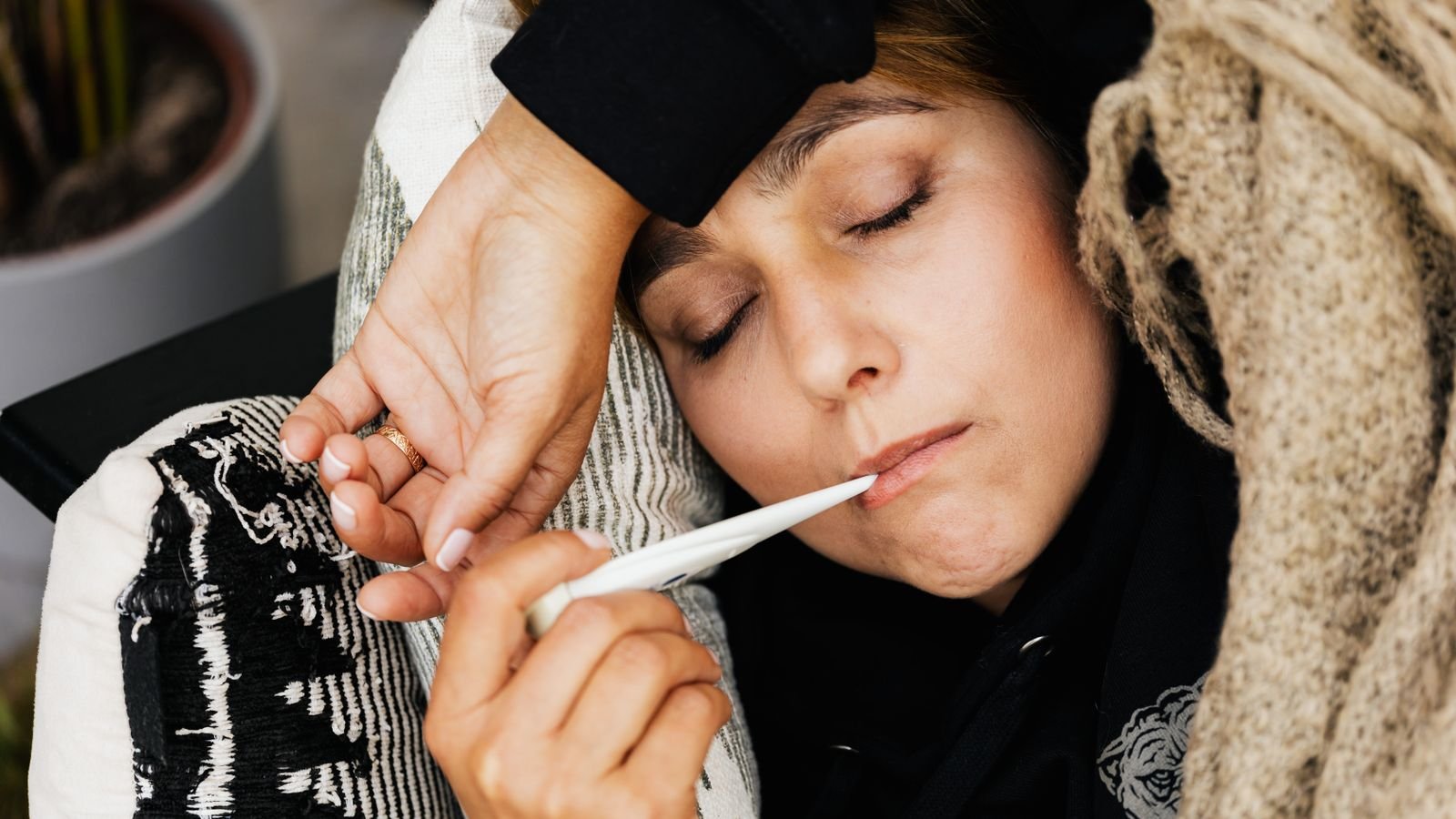
Here’s the part of dengue that catches families off guard: the dangerous phase often starts after the fever goes away. The WHO says the symptoms of severe dengue often come once the fever has settled, which is exactly when everyone at home relaxes.
So “the fever’s gone, he’s fine now” is the one sentence to be careful with. Below are the 10 dengue warning signs to watch for, what to give and avoid for fever, and the platelet myth that sends many families into a panic. The myth is in section 4.
This article is for information only and isn’t medical advice. If you or a family member has a high fever during dengue season, please consult a doctor and get tested.
⚡ Key takeaways
- Most dengue is mild and gets better in 1–2 weeks, the WHO says. A small number of cases turn severe.
- Danger often starts as the fever drops. The CDC says this “critical phase” usually lasts 24–48 hours.
- Red flags include severe stomach pain, repeated vomiting, bleeding gums or nose, fast breathing, restlessness and cold, pale skin. Go to hospital immediately.
- Use paracetamol for fever. Avoid ibuprofen and aspirin, which can raise bleeding risk.
- A low platelet count alone doesn’t mean you need a transfusion. Doctors decide that.
Why Dengue Cases Are Still Rising This Season
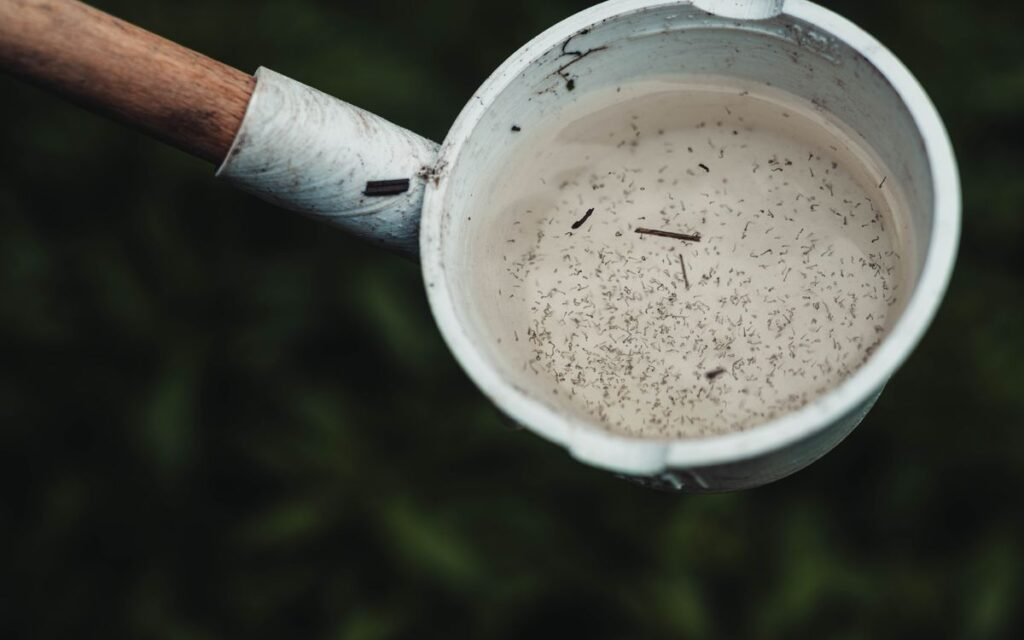
Dengue doesn’t end when the rain does. Aedes mosquitoes breed in water left standing in coolers, flower pots, tyres and buckets, and that water hangs around for weeks after the monsoon.
The numbers show it. India recorded 23,952 dengue cases and 31 deaths from January to June 2026, according to Health Ministry data given in the Rajya Sabha on 28 July, as reported by South First. Tamil Nadu, Kerala, Karnataka, Andhra Pradesh and Telangana together had 63.2% of those cases.
The north is catching up now. Delhi logged 98 new dengue cases in the first week of October, taking its 2026 tally to 695, according to MCD data reported by The Hans India. September, with 286 cases, was the city’s worst month of the year so far.
How Dengue Usually Starts
Symptoms usually begin 4 to 10 days after an infected mosquito bites, and last 2 to 7 days, the WHO says. Many people have mild symptoms or none at all.
Common early symptoms
- High fever
- Severe headache and pain behind the eyes
- Muscle and joint pain (the reason it’s called “breakbone fever”)
- Nausea and vomiting
- Swollen glands
- Rash
These overlap with viral fever, malaria and even flu, which is why a blood test matters. If someone has a high fever during dengue season, especially with eye pain and body ache, get them tested rather than waiting it out.
💡 Pro tip
The mosquitoes that spread dengue bite during the day, the WHO notes. That means school hours, office commutes and afternoon naps. Use repellent in the daytime too, not just at night.
 Also readAlways Tired? It Could Be Vitamin B12 Deficiency (Signs to Check)
The 10 Dengue Warning Signs That Mean Hospital Now
This is the list of dengue warning signs to save on your phone. The WHO lists these as signs of severe dengue, and says anyone with them should seek care immediately.
| Warning sign | What it can look like at home |
|---|---|
| Severe abdominal pain | Constant stomach pain or tenderness, not just mild discomfort |
| Persistent vomiting | Can’t keep water or ORS down |
| Rapid breathing | Breathing fast even while resting |
| Bleeding gums or nose | Bleeding while brushing, or a nosebleed that won’t stop |
| Blood in vomit or stool | Red or dark, coffee-ground vomit; black stool |
| Fatigue | Unusually drowsy or hard to wake |
| Restlessness | Irritable, confused, can’t settle |
| Extreme thirst | Constantly asking for water |
| Pale, cold skin | Cold, clammy hands and feet |
| Weakness | Too weak to sit up or walk |
The timing is what makes these dangerous. The CDC describes a “critical phase” that starts as the fever comes down and usually lasts 24 to 48 hours. Most people recover through it, but those who get worse can go downhill within a few hours.

⚠️ Watch out
Don’t wait for the next morning if you see any of these dengue warning signs, especially in children, older people or anyone who has had dengue before. The WHO says people infected a second time are at greater risk of severe dengue.
The Platelet Panic, and the Papaya Leaf Question
Almost every Indian family has heard it: “platelets are falling, arrange donors”. A dropping platelet count is common in dengue, and it can be scary to watch on a report. But a low number alone doesn’t automatically mean a transfusion.
What the guidelines say about platelet transfusion
India’s National Vector Borne Disease Control Programme guidance, explained here by a blood-centre specialist, says preventive platelet transfusion is generally not needed even below 20,000, and may be considered below 10,000 when there’s no bleeding. When there is bleeding, the treatment changes, and that’s a call for the treating doctor.
In other words: watch the dengue warning signs and the patient, not only the platelet number. The CDC notes that platelet counts recover on their own during the recovery phase.
Does papaya leaf juice work?
It’s the most forwarded remedy on WhatsApp every October. Here’s what the research actually shows.
A 2019 systematic review found nine trials, six of them from India. Most showed a rise in platelet counts with papaya extract, and it may shorten hospital stays slightly. But the authors rated the evidence low quality and said it’s “insufficient to comment” on whether papaya helps in dengue.
A 2016 review found a similar platelet rise across the trials, but no significant difference between groups after 48 hours. It also said bigger, better trials are needed.
✅ Our verdict
Papaya leaf extract isn’t proven to prevent severe dengue, and it’s no substitute for watching the warning signs or going to hospital. If you want to try it, tell the doctor first. Never let it delay care.
What to Do at Home (and What to Avoid)
There’s no specific medicine for dengue, the WHO says. Care is about managing fever and pain and keeping the patient hydrated while the body fights it off.
Do
- Use paracetamol for fever and pain, in the dose your doctor advises.
- Keep fluids going. Water, ORS, coconut water, dal water or soups. Small sips often work better than big glasses if there’s nausea.
- Rest. Fatigue can last weeks after recovery, the WHO notes, so don’t rush back to the gym or a long commute.
- Go back for blood tests whenever your doctor asks. The count can change quickly from day to day.
Avoid
- Ibuprofen and aspirin. The WHO warns these can increase the risk of bleeding. Check combination cold and pain tablets too.
- Injections and drips “to bring the fever down fast” from an unqualified practitioner.
- Relaxing as soon as the fever drops. That’s when to watch most closely.
 Also readImmune Boosting Foods in Winter: Unlock the Secret to Staying Healthy and Energized!
How to Stop Dengue Mosquitoes Breeding at Home
Prevention is cheaper and easier than treatment. The WHO’s advice is simple: remove anything that holds water, and cover, empty and clean water storage containers every week.
A weekly 10-minute check
- Empty and scrub the desert cooler tray. Coolers left with old water are a common breeding spot after the monsoon.
- Change the water in flower vases and empty the trays under plant pots.
- Check old tyres, buckets, coconut shells and anything on the terrace or balcony that collects rain.
- Cover water tanks and drums tightly.
- Clean the tray behind the fridge.
Protect yourself during the day
The WHO suggests long sleeves, window screens, mosquito nets for daytime naps, and repellents with DEET, picaridin or IR3535. Coils and vaporisers help indoors.
One home doing this isn’t enough if the next building has a cooler full of larvae. If your society has a WhatsApp group, share the checklist. It works better as a building-wide habit.
Frequently Asked Questions
What are the dengue warning signs?
Severe stomach pain, repeated vomiting, fast breathing, bleeding gums or nose, blood in vomit or stool, restlessness, extreme thirst, pale cold skin and weakness. The WHO says anyone with these needs care immediately.
When is dengue most dangerous?
Often after the fever goes. The CDC says the critical phase starts as the fever comes down and usually lasts 24 to 48 hours. Keep watching closely during this window.
What platelet count is dangerous in dengue?
There’s no single number that decides everything. Indian guidance says preventive platelet transfusion is generally not needed even below 20,000 and may be considered below 10,000 without bleeding. Bleeding and the warning signs matter as much as the count, so follow your doctor’s advice.
Can I take ibuprofen or Combiflam for dengue fever?
No. The WHO advises against NSAIDs like ibuprofen and aspirin in dengue because they can raise bleeding risk. Paracetamol is the usual choice. Check the label of any combination tablet before taking it.
Does papaya leaf juice cure dengue?
No. Some small studies show a rise in platelet counts, but reviews rate the evidence as weak and haven’t shown it prevents severe dengue. It should never delay medical care.
The Bottom Line
Most dengue cases get better on their own, but the warning signs often appear just when the fever breaks. Keep the 10 red flags handy, stick to paracetamol, keep fluids going and go to hospital the moment a warning sign appears. And this weekend, empty that cooler.
Keep reading
 Read nextNormal Blood Sugar Levels: What Your Test Report Actually Means

 Read nextHow to Improve Your Sleep Quality and Wake Up Refreshed Every Morning
Sources
- WHO: Dengue and severe dengue fact sheet
- CDC: Clinical signs and phases of dengue
- South First: India dengue cases Jan–Jun 2026 (MoHFW reply in Rajya Sabha)
- The Hans India: Delhi dengue cases, first week of October 2026 (MCD data)
- Morung Express: rational use of platelets in dengue, NVBDCP guidance
- Rajapakse et al., BMC Complementary and Alternative Medicine (2019): papaya extract in dengue
- Charan et al., Int J Appl Basic Med Res (2016): papaya leaf extract meta-analysis