If you give up sugar for two weeks, the biggest change is a habit change, not a miracle: you stop topping up your day with chai sugar, biscuits and packaged juice, and you learn where the hidden sugar was. Fourteen days is long enough to break the autopilot, but the one controlled study on taste found that food started tasting sweeter only after about three months.
So two weeks is a great start, not a finish line. And there’s a catch in that same study that most “sugar detox” posts skip. It’s in section 4.
⚡ Key takeaways
- WHO wants free sugars under 10% of your daily calories, and says under 5% (about 25 g, or 6 teaspoons) brings extra benefit.
- ICMR-NIN’s 2024 guidelines put sugar under 5% of total energy and say added sugar can be cut out completely because it gives nothing but calories.
- Three cups of chai with two teaspoons each is 6 teaspoons, roughly the whole WHO 5% amount before a single biscuit.
- In the main study on cutting sugar, food tasted sweeter only after three months, and people bounced back fast once they stopped.
- This plan is for healthy adults. If you have diabetes or take medicines for it, change your diet with your doctor’s plan.
What Happens When You Give Up Sugar for Two Weeks
Let’s be honest about the timeline first, because social media isn’t. Clear skin, better sleep and a flat stomach in 14 days are the claims you’ll see everywhere. I couldn’t find good evidence for any of them on a two-week clock, so I’m not going to promise them.
What you can count on is simpler. You cut a source of empty calories.
Your teeth get fewer sugar hits between meals, and the NHS calls sugar one of the main causes of tooth decay. And you find out how much sugar was sneaking into your day without you choosing it.
| Stage | What to realistically expect |
|---|---|
| Days 1 to 3 | Plain chai tastes flat. The 4 pm biscuit urge shows up on time. |
| Days 4 to 7 | You start reading labels and spotting sugar in “healthy” foods. |
| Days 8 to 14 | Less sugar starts to feel normal. The urges that remain tend to follow routine: 4 pm chai, after dinner. |
| Around 3 months | In one controlled trial, this is when food started tasting sweeter. |
That last row matters. If you expect your taste buds to reset by day 14, you’ll feel like you failed when they haven’t.
You didn’t fail. The clock is just longer than the internet says.
How Much Sugar Is Too Much? WHO, ICMR and NHS Limits
Before you cut anything, know what you’re aiming for. All three big health bodies talk about “free” or “added” sugars, not the sugar inside whole fruit, vegetables or milk.
WHO’s guideline defines free sugars as sugars added by the manufacturer, the cook or you, plus the sugar in honey, syrups and fruit juice. That means the sugar you stir into chai counts. So does the honey in your warm water.
| Body | Daily limit for adults | In plain terms |
|---|---|---|
| WHO | Under 10% of calories (strong); under 5% for extra benefit | Under 5% is about 25 g, or 6 teaspoons |
| ICMR-NIN (2024) | Under 5% of total energy | Added sugar “may be completely eliminated” |
| NHS (UK) | No more than 30 g of free sugars | About 7 sugar cubes |
The ICMR line comes from its 2024 Dietary Guidelines for Indians, a set of 17 guidelines reported by The South First. NIN’s director, Dr R Hemalatha, told Down To Earth that if you do eat sugar, try to keep it to around 30 g a day.
The chai maths
WHO’s numbers put a teaspoon at roughly 4 g. Now count your day.
Three cups of chai with two teaspoons each is 6 teaspoons, about 24 g. That is basically your whole 5% budget, gone before breakfast biscuits or a Diwali leftover barfi.
Our guide on how many cups of chai a day covers the caffeine side. Here, the sugar is the bigger problem.
💡 Pro tip
Use the same steel spoon for a week and count level spoons, not “a little”. Most of us pour heaped spoons and badly underestimate.
 Also readHow Many Cups of Chai a Day? ICMR’s Limit, Worked Out
Where Indians Get Hidden Sugar Every Day
Chai is the obvious one. The quiet ones are the foods you’d never call dessert.
WHO gives two examples that surprise people.
A single tablespoon of ketchup has about 4 g of free sugar, roughly a teaspoon. A can of sugary soda can carry up to 40 g, about 10 teaspoons. The NHS puts a regular can of cola at 35 g, or 7 teaspoons.
| Everyday food | Why it counts | Easy swap |
|---|---|---|
| Chai and coffee with sugar | Sugar you add yourself | Cut half a spoon a week |
| Packaged “fruit” drinks | ICMR warns some carry only 10% fruit pulp plus added sugar | Whole fruit, nimbu paani without sugar |
| Biscuits and rusks | Added sugar even in “digestive” types | Roasted chana, a handful of nuts |
| Flavoured yoghurt and lassi | Sugar added by the maker or the dhaba | Plain dahi, salted chaas |
| Ketchup and sauces | About 1 teaspoon per tablespoon of ketchup | Green chutney, homemade tomato chutney |
| Breakfast cereals | Many are sweetened | Poha, upma, plain oats with fruit |
| Mithai | Sugar syrup or sugar in the base | Keep it for festivals, share one piece |
The fruit drink one stings. Under FSSAI rules, as Down To Earth reports, a product with 10% or less fruit can still say “real fruit” on the pack. ICMR’s guidelines flag that such drinks may have added sugar with only 10% actual pulp.
Even 100% juice counts as free sugar. The NHS says juice, smoothies and vegetable juice together should stay under 150 ml a day.
Will Your Taste Buds Really Change? What the Study Found
This is the open loop from the top, and it’s the most useful part of this post.
The best-known trial on this was run by the Monell Chemical Senses Center and published in the American Journal of Clinical Nutrition. According to the Monell release on Newswise, the volunteers were healthy adults who drank two or more sugary sodas a day. One group replaced 40% of its sugar calories with fats, protein and complex carbs for three months.
A control group ate as usual.
What changed
- After three months, the low-sugar group rated most vanilla puddings as sweeter than the control group did.
- Their favourite level of sweetness did not change. They noticed sugar more but didn’t start wanting less of it.
The catch
In the fifth month, everyone could eat whatever they liked. The low-sugar group went back to its old sugar intake quickly, and its taste ratings went back to where they started. Lead author Paul Wise said the fast rebound suggests people may resist these changes.
⚠️ Watch out
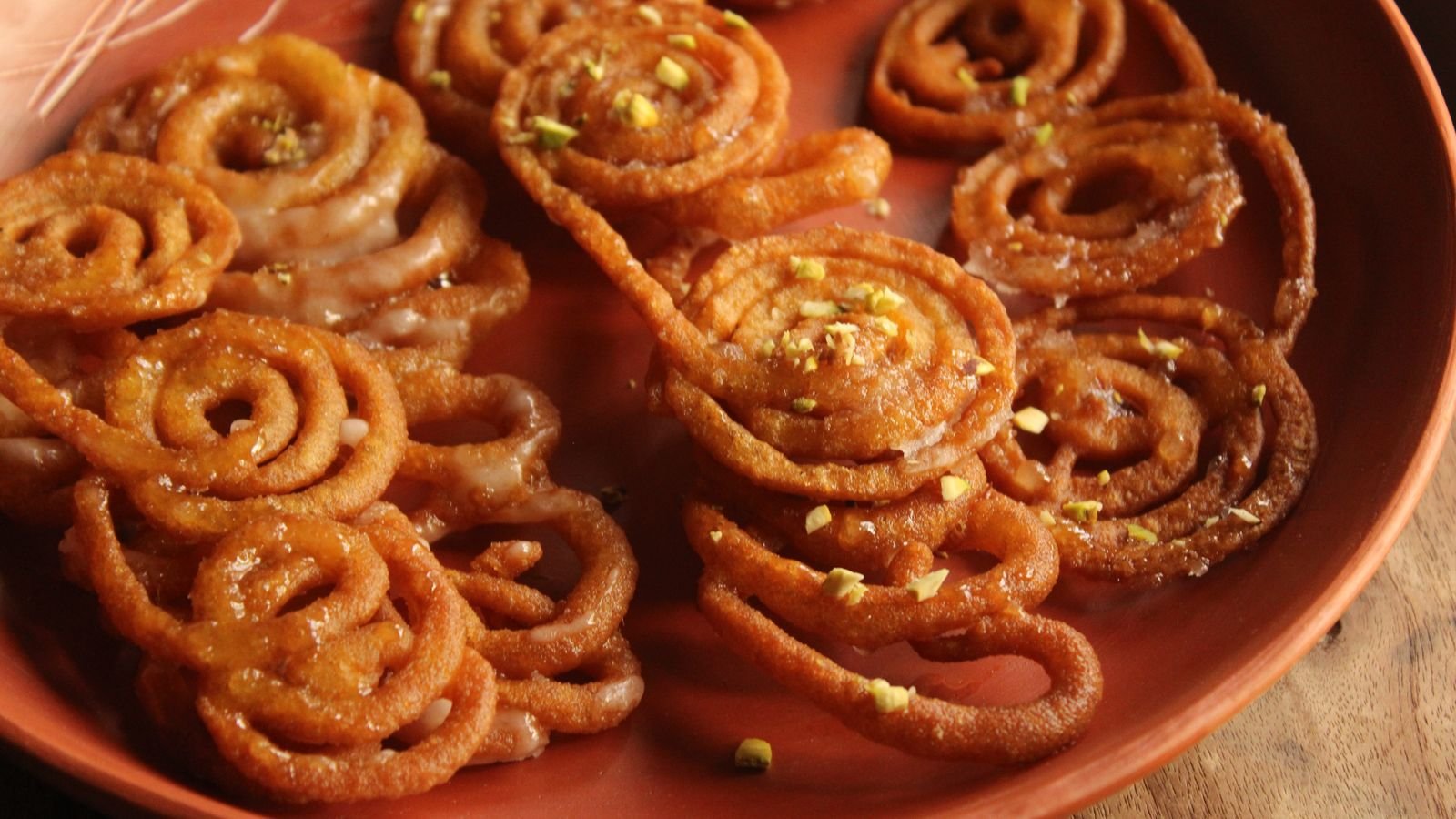
A short “sugar detox” that ends with a celebration plate of jalebi undoes the gain fast. The goal of the first two weeks isn’t to reach zero and then stop. It’s to settle at a lower level you can keep.
A small note on trust: the study was small, and the EurekAlert release notes it was funded by PepsiCo and Monell, with two co-authors from Pepsi’s R&D team. It’s still the clearest controlled data on this question, but it’s one study, not the final word.
A 14-Day Plan to Give Up Sugar Without Giving Up Chai
Going cold turkey works for some people. In a lot of Indian homes, it lasts until the first guest arrives with a box of kaju katli. The NHS suggests cutting tea and coffee sugar gradually, and that’s the approach here.
Days 1 to 7: cut the obvious sugar
- Halve the sugar in every cup of chai. Two spoons become one. Don’t switch to sweeteners yet.
- Stop buying packaged juice and cold drinks for the house this week. If it isn’t in the fridge, nobody drinks it.
- Move biscuits out of sight. Keep roasted chana, peanuts or fruit at eye level instead.
- Read three labels of things you eat daily: your cereal, your bread, your sauce.
Days 8 to 14: cut the hidden sugar
- Drop to half a spoon in chai, or try one cup a day with none.
- Swap sweet breakfasts (sugary cereal, jam toast) for poha, upma, besan chilla or eggs.
- Keep sweets to mealtimes. The NHS says sugary food is kinder to your teeth with a meal than as a snack between meals.
- Plan one festival or party sweet, not “none”. A plan you can follow beats a rule you’ll break.
After a heavy meal, a short walk is a pleasant habit to pair with this. Our post on the 10-minute walk after meals explains why it’s worth doing.
 Also readHow to Read Food Labels in India: A 60-Second Pack Check
Mistakes That Make Giving Up Sugar Harder
Most people who quit early don’t fail for lack of willpower. They make one of these swaps that looks healthy and isn’t.
Swapping sugar for gur or honey
WHO’s definition of free sugars includes honey and anything the cook adds. Jaggery stirred into chai is still added sugar, even if it feels more traditional. We compared them properly in jaggery vs sugar, and the short answer is that gur isn’t a free pass.
Trusting “sugar-free” packs
ICMR’s guidelines, as quoted by Down To Earth, say “sugar-free” foods may be loaded with fats, refined flour and even hidden sugars. They list names like maltitol, fructose, corn syrup and molasses.
Not knowing sugar’s other names
The NHS lists sucrose, glucose, fructose, maltose, molasses, invert sugar, corn syrup, hydrolysed starch, fruit juice and honey. If two or three of these show up near the top of an ingredient list, the product is sweeter than it looks.
💡 Pro tip
The NHS label rule is easy to remember: more than 22.5 g of total sugar per 100 g is high, and 5 g or less per 100 g is low. Our guide to reading food labels in India shows where to find these numbers on Indian packs.
Is It Worth It to Give Up Sugar? My Verdict
Yes, with one change of mindset. Treat two weeks as a reset of your habits, not a cleanse with a finish date.
Here’s why I’m confident recommending it.
WHO, ICMR-NIN and the NHS all tell us to eat less free sugar, and the NHS links too much of it to weight gain and tooth decay. ICMR goes further than most and says added sugar can be removed entirely because it adds nothing but calories.
You don’t need a supplement, an app or a special product to start. You need a smaller spoon.
Who gets the most out of it:
- Heavy chai drinkers with two spoons a cup. You’ll make the biggest dent fastest.
- Families with kids. The NHS sets lower limits for children, around 19 g for ages 4 to 6 and 24 g for ages 7 to 10, so a packaged juice can use up most of a child’s day.
- Anyone who snacks on biscuits at work. This is often the second-biggest source after chai.
If you have diabetes, kidney disease or take regular medicines, don’t overhaul your diet on your own. Follow the plan your doctor has given you.
✅ Our verdict
Give up added sugar for two weeks as a habit reset: halve the chai sugar, stop packaged drinks and read labels. Don’t expect your taste to change by day 14; the study that measured it saw changes at three months. The real win is keeping a lower level after the two weeks end.
Frequently Asked Questions
What happens to your body when you give up sugar for 2 weeks?
You cut empty calories and give your teeth fewer sugar hits between meals. You’ll also learn where hidden sugar was in your day. Bigger claims like clearer skin or better sleep in 14 days aren’t backed by solid studies, so treat them with caution.
Is it OK to give up sugar completely?
For added sugar, yes. ICMR-NIN’s 2024 guidelines say added sugar may be completely eliminated since it gives no nutrition beyond calories. The natural sugar in whole fruit, vegetables and milk isn’t the target.
How much sugar a day is OK for Indians?
ICMR-NIN puts it under 5% of total energy. WHO says under 5% is about 25 g, or 6 teaspoons, a day for extra benefit.
Does fruit count when you give up sugar?
Whole fruit doesn’t count as free sugar under WHO and NHS definitions. Fruit juice does, even if it’s 100% juice. Eat the orange instead of drinking it.
Is jaggery better than sugar for chai?
Not by enough to matter for this goal. Gur added to chai still counts as added sugar. Cut the amount instead of switching the type.
The Bottom Line
Two weeks without added sugar won’t transform your body overnight, but it will change your habits and show you where the hidden sugar was. Taste changes take longer, and the real test is what you do on day 15.
Start tomorrow morning: one spoon of sugar in your first chai instead of two. That’s the whole first step.
This article is for information only and is not medical advice. If you have diabetes or any health condition, consult a doctor before changing your diet.
Keep reading
 Read nextJaggery vs Sugar: Is Gur Really Healthier? What NIN Says

 Read nextWalking After Meals: What a 10-Minute Walk Does for Your Body
Sources
- WHO: guideline on free sugars (under 10%, under 5% or about 25 g / 6 teaspoons, ketchup and soda examples)
- NHS: how to cut down on sugar (30 g a day, label rules, other names for sugar, cola, juice limit)
- NHS: sugar and your health (children’s limits, tooth decay, free sugars definition)
- Down To Earth: ICMR-NIN guidelines on sugar-free foods, hidden sugars and “real fruit” labels
- The South First: ICMR-NIN’s 17 dietary guidelines and the under-5% sugar limit
- Monell Center via Newswise: low-sugar diet makes foods taste sweeter (Wise et al., AJCN)
- EurekAlert: Monell study release with funding details