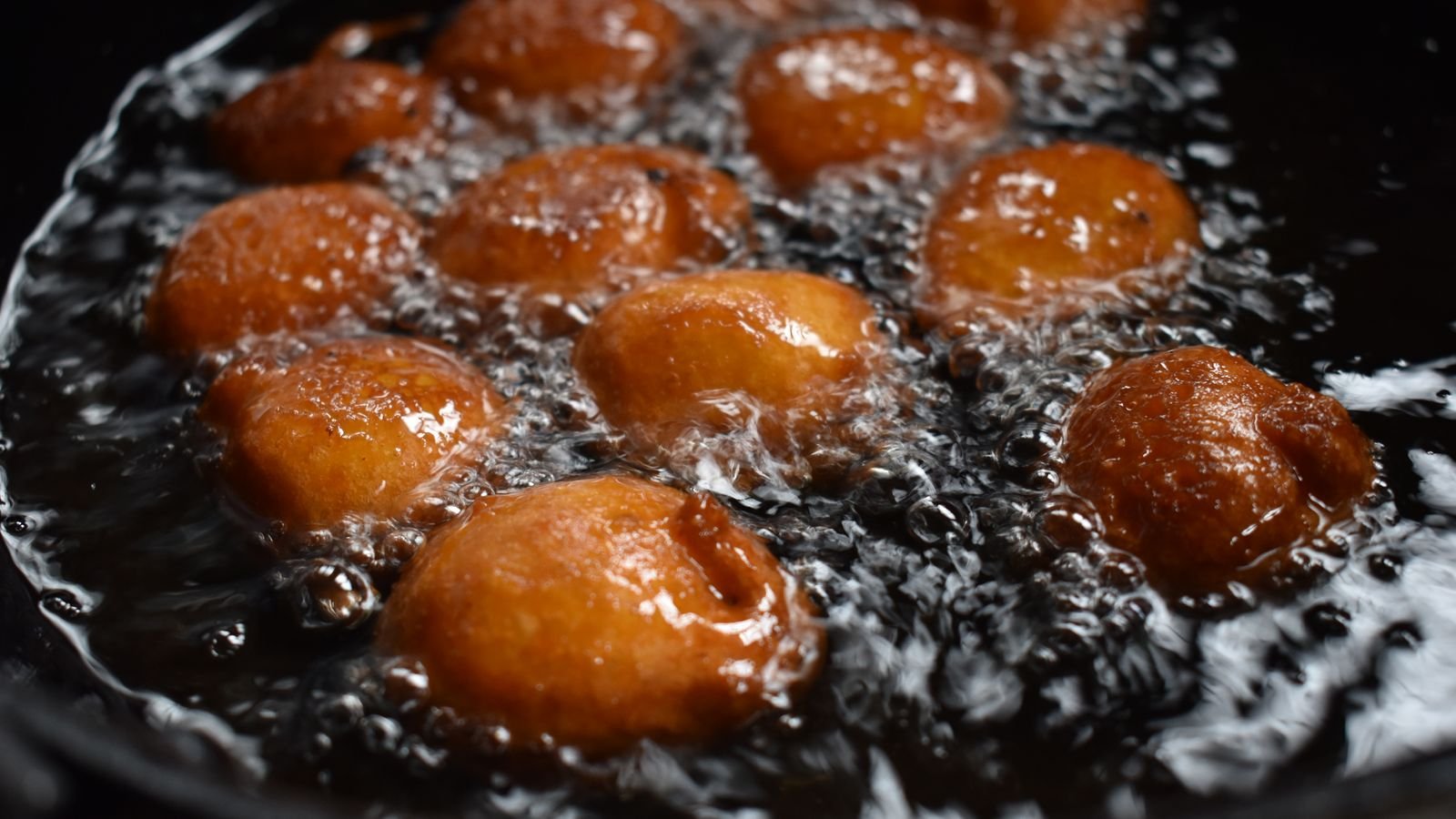
Reusing cooking oil is normal in most Indian kitchens, especially in Diwali week when the kadai stays on the stove for chakli, karanji and pakoras. India’s food regulator FSSAI says the safest habit at home is simple: fry in the oil once, then filter it and use it up in curries within a day or two.
You may have heard of a “three times” rule. It’s real, but it was written for food businesses, and the advice for your home kitchen is stricter. Here’s what that means for the leftover oil sitting in your kitchen right now.
⚡ Key takeaways
- FSSAI’s household advice: don’t fry in the same oil again. Filter it and use it for curries within one or two days.
- The “maximum three times” line is in FSSAI’s hygiene rules for food businesses, and even there FSSAI says once is ideal.
- Throw the oil out if it gives blue-grey smoke, forms thick foam, turns dark and murky or gets sticky.
- Never pour used oil down the sink. Mix small amounts with paper, sawdust or food scraps and put it in the dustbin.
- This article is for everyday cooking at home; it isn’t medical advice.
Why Reusing Cooking Oil Is a Diwali Question
Diwali snacks use a lot of oil. One batch of chakli or shankarpali can leave half a litre in the kadai, and with edible oil prices what they are, nobody wants to throw it away. So the oil goes into a steel dabba and comes back out for the next batch.
The problem isn’t that oil “goes bad” like milk. It’s that frying slowly changes it. FSSAI’s guidance note on used cooking oil explains that repeated frying changes the oil’s chemical, nutritional and taste properties. It also builds up Total Polar Compounds, or TPC.
FSSAI has set a limit: oil with more than 25% TPC should not be used. The note mentions reports linking these compounds to conditions like high blood pressure and liver disease, which is why the regulator pushes businesses to track and discard old oil.
What FSSAI Says About Reusing Cooking Oil at Home
Here’s where most people get it wrong. FSSAI’s note has separate advice for big businesses, small vendors and homes.
For your home kitchen
The household section says:
- Oil once used for frying should be filtered and may be used for curry preparation, so it isn’t wasted.
- Avoid using the same oil for frying again.
- Use the used oil within a day or two. Used oil deteriorates faster, so don’t store it for long.
- Don’t pour it back into your fresh oil container. Keep it separate.
For shops and sweet makers
The “maximum three times” rule comes from the hygiene schedule FSSAI applies to food businesses. Even that line ends with “It is ideal to use once, if possible.”
💡 Pro tip
Strain the oil through a fine steel sieve or a clean cotton cloth while it’s warm, not hot. Food crumbs left in the oil burn the next time you heat it and speed up the damage.
 Also readDiwali Sweets for Diabetics: Enjoy Mithai Without the Spike
What the Research Found in Indian Snack Oil
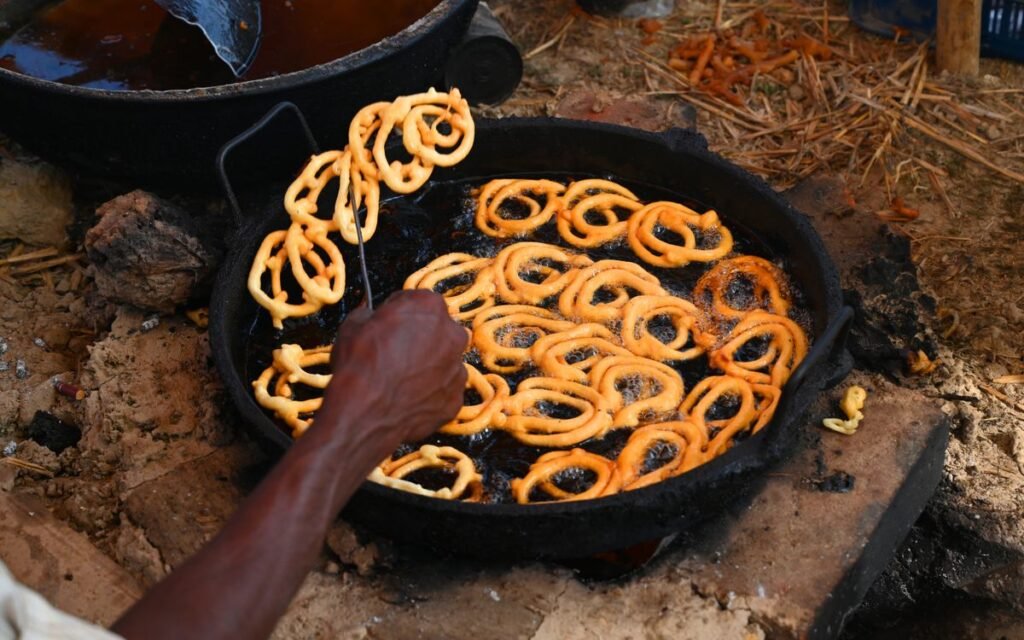
The science backs up FSSAI’s caution. A 2021 study in the Journal of Scientific Research by researchers at NIFTEM, Haryana, tested 143 oil samples from samosa and jalebi vendors. They collected oil at the start, after two hours and after four hours of frying.
Polar material went up with frying time in both. After four hours, the jalebi oil had significantly higher levels than the samosa oil. That’s a hint that what you fry, not just how long, matters.
ICMR also warns about this. Its 2024 dietary guidelines, as reported by Medical Dialogues, say repeatedly heating vegetable oils oxidises their polyunsaturated fats. ICMR’s advice matches FSSAI’s: fry once, then filter the oil for curries and use it within a day or two.
| Who | Can they fry again in it? | FSSAI advice |
|---|---|---|
| Your home kitchen | No | Filter, use for curries in 1–2 days |
| Small vendors | Up to 3 times | Once is ideal; filter often; discard at warning signs |
| Big food businesses | Until TPC hits 25% | Test, record, hand to authorised collectors |
5 Signs Your Oil Should Go in the Bin
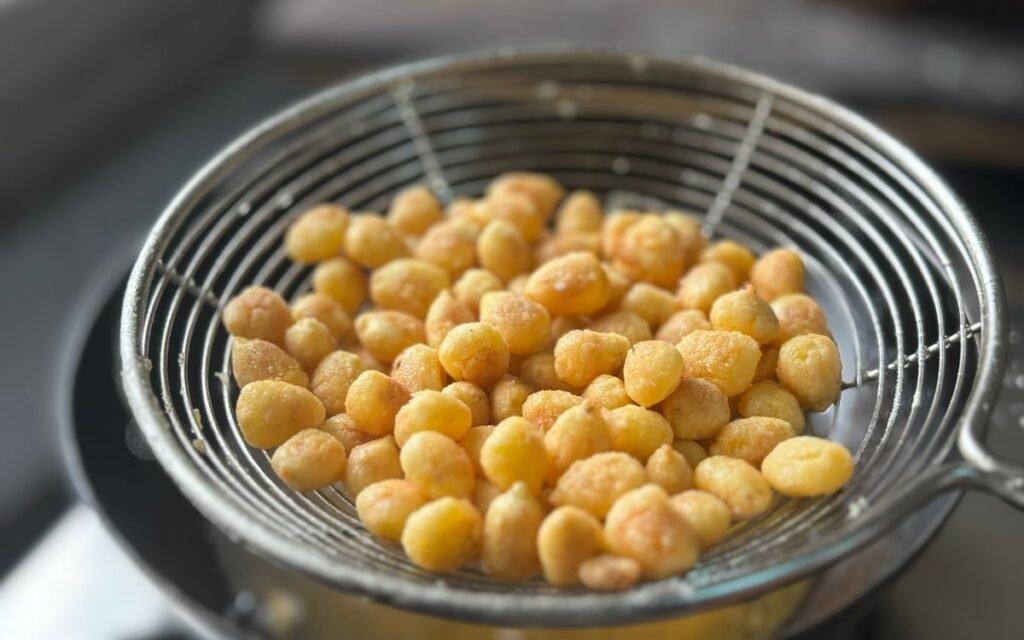
You don’t need a lab tester at home. FSSAI lists signs anyone can see:
- Blue-grey smoke when you heat it, even at normal frying heat.
- Thick foam that doesn’t settle.
- The oil is dark and murky, not just a little golden.
- The consistency changes: it feels thick or sticky.
- It has been sitting around longer than a day or two after frying.
⚠️ Watch out
The catch most homes miss: topping up. Adding fresh oil to a half-used kadai feels thrifty, but FSSAI’s note lists topping up as part of the problem. The old oil keeps breaking down, and the fresh oil just hides it.
The Trans Fat Question
You’ll often read that reused oil “becomes trans fat”. The fuller picture is this. FSSAI says the three-time cap for businesses exists to avoid the formation of trans fat. ICMR talks about oxidised fats and harmful compounds.
The World Health Organization recommends that adults keep trans fat below 1% of total energy intake. That’s under 2.2 g a day on a 2,000-calorie diet. WHO lists fried foods among common sources of industrial trans fat, along with shortening and packaged baked goods.
So the risk isn’t one plate of pakoras. It’s the habit of eating food fried in tired oil, day after day, at home and from outside. Street snacks are the part you can’t control, which makes the oil at home worth getting right.
A Simple Diwali Oil Plan for Your Kitchen
Here’s how to make Diwali frying less wasteful and safer.
- Fry in batches by type. Do mild snacks like chakli and shankarpali first. Leave anything with batter or sugar for later, since sugary items like jalebi seem to push oil quality down faster.
- Use a smaller kadai. Less oil in the pan means less oil left over.
- Keep the heat steady. Smoking oil is overheated oil. Lower the flame instead of waiting it out.
- Strain and label. Strain the cooled oil into a separate jar and stick a note with the date.
- Use it in curries within a day or two. A sabzi or dal tadka is a good use.
- Throw out what’s left. If it shows any warning sign, or you won’t use it in time, dispose of it.
 Also read9 Signs You Are Eating Way Too Much Sugar
How to throw it away properly
FSSAI says not to pour used oil into drains, because it blocks sewer lines. For small amounts, mix it with an absorbent like sand, sawdust, old paper towels or food scraps, then put it in the dustbin. Some cities have used cooking oil collection drives under FSSAI’s RUCO programme, which turns old oil into biodiesel.
✅ Our verdict
Reusing cooking oil for another round of frying isn’t worth it at home. Fry once, strain it, and finish it in curries within two days. If it smokes, foams or looks dark, bin it. Losing ₹100 of oil is cheaper than eating it all week.
Frequently Asked Questions
How many times can you reuse cooking oil?
For food businesses, FSSAI’s hygiene rules say a maximum of three times, and once is ideal. For homes, FSSAI’s advice is to avoid frying in the same oil again. Filter it and use it for curries within a day or two.
Is reusing cooking oil for curry safe?
FSSAI’s household guidance allows filtered frying oil to be used for curry preparation, as long as you finish it within a day or two. Don’t use it if it has turned dark, foamy or sticky.
How do I know if cooking oil has gone bad?
Look for blue-grey smoke at normal heat, thick foam, a dark murky colour, or a sticky, thick feel. FSSAI lists all of these as signs the oil has broken down.
Can I mix used oil with fresh oil?
FSSAI’s note says not to refill your fresh oil container with used oil. Topping up a kadai of old oil with new oil is also a habit to avoid.
The Bottom Line
Reusing cooking oil the FSSAI way is easy: fry once, strain it, use it in curries within two days and bin it at the first sign of smoke or foam. This Diwali, try one small change: a smaller kadai. You’ll use less oil and throw away less too.
For more on festive eating, see our guide to Diwali sweets for diabetics and our evidence check on eating too much sugar. This article is for information only; please consult a doctor or a registered dietitian for advice about your own diet.
Keep reading
Read nextDiwali Sweets for Diabetics: Enjoy Mithai Without the Spike Read nextVitamin D Deficiency in India: Do You Really Need That Test?
 Read nextKnee Pain Exercises After 40: 7 Moves Physios Actually Give
Sources
- FSSAI Guidance Note 06/2018: Handling and Disposal of Used Cooking Oil
- WHO fact sheet: Trans fat
- Kumar et al. (2021), Analysis of Total Polar Material in Selected Indian Snack’s Fried Oil, Journal of Scientific Research
- Medical Dialogues: ICMR guidelines on reheating vegetable oils (17 May 2024)
- Eat Right India: RUCO programme