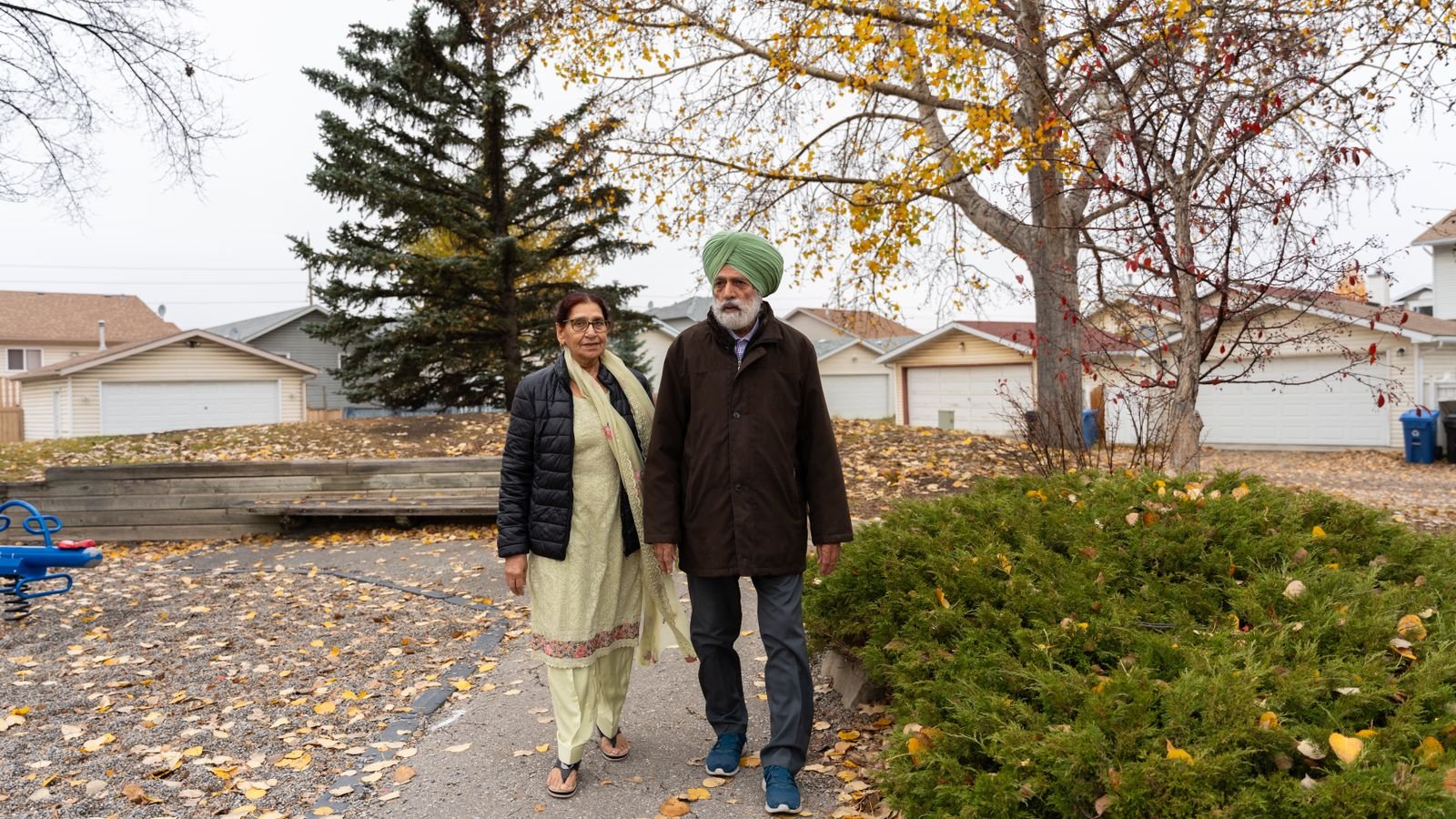
Walking after meals for about 10 minutes helps your body handle the sugar from that meal better than sitting down. In a New Zealand trial, a short walk after each meal lowered the rise in blood sugar more than one 30-minute walk taken at another time of day, and the effect was biggest after dinner.
That’s the old “shatpavli” (100 steps after eating) advice, now with numbers behind it. The catch for many Indian homes is when and where you walk, which is in section 5.
⚡ Key takeaways
- A 10-minute walk after each main meal beat one daily 30-minute walk for after-meal blood sugar in a 2016 trial of 41 adults with type 2 diabetes.
- The biggest benefit came after dinner, the meal with the most carbs and the most sitting afterwards.
- Even light walking breaks during long sitting lowered after-meal glucose and insulin in a 2022 review of seven trials.
- Start within a few minutes of finishing, walk at an easy pace. On smoggy nights, walk indoors.
- This is about an everyday habit; it isn’t medical advice. Consult a doctor before changing exercise if you have a health condition.
Why Walking After Meals Matters in an Indian Home
Think about a normal weekday dinner. Rotis or rice, dal, sabzi, maybe something sweet. Then straight to the sofa for TV or the phone, and soon after, bed.
That’s the pattern researchers worry about. After a meal, blood sugar rises as your body digests the carbohydrates. When you sit, your muscles use very little of that sugar. When you move, working muscles pull glucose out of the blood.
Indian meals tend to be carb-heavy, and dinner is often the biggest meal of the day, eaten late. So the after-dinner hour is where a small habit can matter most.

What the Research Found
The New Zealand meal-timing trial
A 2016 study in Diabetologia by researchers at the University of Otago tested two pieces of advice on 41 adults with type 2 diabetes. For two weeks, they were told to walk 30 minutes once a day. For another two weeks, they walked 10 minutes after each main meal. Both added up to the same total.
Continuous glucose monitors showed the after-meal sugar rise was about 12% lower with the after-meal walks. After dinner, it was about 22% lower. The authors said guidelines should specify walking after meals, especially carb-heavy ones.
The 2022 review on breaking up sitting
A meta-analysis in Sports Medicine pooled seven trials where adults broke up long sitting with short bouts of standing or light walking. Standing breaks lowered after-meal glucose a little. Light walking lowered both after-meal glucose and insulin by a clearly larger amount.
💡 Pro tip
You don’t need to walk fast. The trials used light, comfortable walking: the pace you’d use to stroll to the corner shop and back.
 Also readDiwali Sweets for Diabetics: Enjoy Mithai Without the Spike
Walking After Meals vs One Long Walk
So is the morning walk pointless? Not at all. It counts towards the WHO’s advice of at least 150 minutes of moderate activity a week, and WHO says all physical activity counts. The after-meal walk simply targets a different thing: the sugar spike from that particular meal.
| Habit | What it helps | Time needed | Best for |
|---|---|---|---|
| 10 minutes after each meal | Blunts the after-meal sugar rise | 30 min a day in total | Office workers, people who sit a lot |
| One 30-minute walk | General fitness, weekly activity goal | 30 min once | People with a fixed morning slot |
| 2–5 minute walk breaks while sitting | Lowers after-meal glucose vs sitting | A few minutes every half hour | Desk jobs, long phone or TV sessions |
| Standing instead of sitting | Small effect on glucose | Throughout the day | When walking isn’t possible |
If you can only do one walk, the evidence points to after dinner. If you already walk in the morning, adding 10 minutes after dinner is an easy upgrade.

How to Do It: A Simple Routine
- Start soon after eating. The Otago trial asked people to walk after each main meal, not hours later.
- Walk for 10 minutes. Set a timer if it helps. Around the building, the colony lane or the terrace is fine.
- Keep it easy. You should be able to talk comfortably.
- Do it after dinner first. Build the dinner habit before adding lunch and breakfast.
- Make it social. Take your parents, partner or kids. In joint families, it’s often easier to stick with a habit when someone else is waiting at the door.
At work
After lunch, skip the desk scroll. Walk to the far water cooler, take the stairs or do a slow loop of the floor. Every 30 minutes of sitting, stand and walk for two or three minutes if you can.
The Catch: Smog, Cold and Late Dinners
October to January brings two problems. In many north Indian cities, evening air quality can be poor, and late dinners mean dark, cold walks.
⚠️ Watch out
Don’t walk outdoors after dinner when the AQI is “poor” or worse, especially if you have asthma or heart or lung problems. Walk indoors instead. The benefit comes from moving your muscles, not from being outside.
Indoor options that work
- Walk laps of your flat or corridor, or up and down a staircase slowly.
- Walk on the spot during a TV episode.
- Do light chores right after eating: clearing the table, washing dishes, folding clothes.
Our guide to exercising in pollution explains how to read the AQI and pick safer times. For the air inside, see our explainer on air purifiers and CADR.
 Also readN95 Mask for Pollution: The AQI Number Where It Starts to Matter
Who Should Be Careful
Walking is low risk for most people, but a few groups should check first.
- People on insulin or sugar-lowering tablets: extra activity can change your sugar levels. Ask your doctor how to fit it in.
- People with heart, lung or joint problems: keep the pace easy and ask your doctor about what’s safe for you.
- Older parents: watch for slippery floors and poor lighting at night. A well-lit corridor beats a dark lane.
If walking hurts your knees, our guide to knee pain exercises after 40 covers gentle strength work that may help.
✅ Our verdict
Walking after meals is one of the easiest habits backed by research. Ten easy minutes after dinner, started soon after you finish eating, is the best place to begin. On bad-air nights, take the walk indoors rather than skipping it.
Frequently Asked Questions
How long should I walk after a meal?
Around 10 minutes is what the Otago trial used after each main meal. Even 2 to 5 minute walking breaks lowered after-meal glucose compared with sitting in the 2022 review.
Is it good to walk right after eating?
For most people, an easy walk soon after eating is fine, and the Otago trial used walks after each main meal. Keep the pace gentle. If you feel uncomfortable, slow down or wait a little longer.
Is walking after dinner better than a morning walk?
They do different jobs. A morning walk adds to your weekly activity. A walk after dinner targets the sugar rise from that meal, and the 2016 trial found the biggest after-meal benefit after dinner. Both are worth doing.
What if I can’t go outside after dinner?
Walk indoors: corridor laps, slow stairs or walking on the spot. The benefit comes from moving your muscles, so indoor walking counts.
The Bottom Line
Walking after meals takes 10 minutes and no equipment, and the research behind it is clear about the after-meal sugar rise. Start tonight with a walk after dinner, indoors if the air is bad.
This article is for information only; please consult a doctor before starting a new exercise routine if you have diabetes or any other health condition.
Keep reading

 Read nextKnee Pain Exercises After 40: 7 Moves Physios Actually GiveRead nextDiwali Sweets for Diabetics: Enjoy Mithai Without the Spike
Sources
- Reynolds et al. (2016), Advice to walk after meals is more effective for lowering postprandial glycaemia, Diabetologia
- Buffey et al. (2022), Interrupting prolonged sitting with standing and light-intensity walking, Sports Medicine
- WHO fact sheet: Physical activity