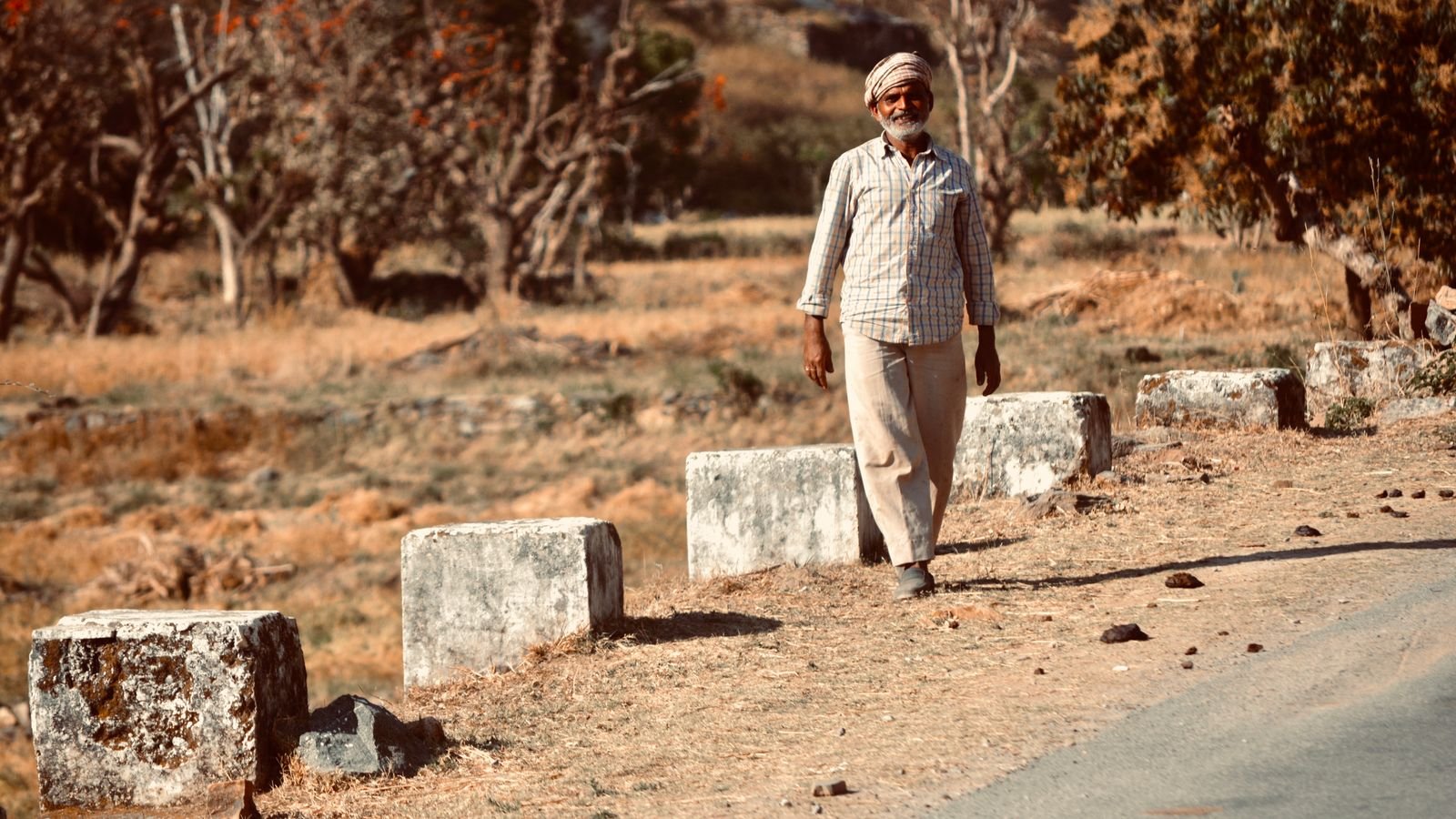
Osteoporosis in men is far more common than most families think. The International Osteoporosis Foundation says 1 in 5 men over 50 will have a fracture caused by osteoporosis, and men who break a hip are more likely to die afterwards than women of the same age.
Yet in most Indian homes, bone health checks are seen as a “women’s thing”. Below is who’s actually at risk, the one test that tells you where you stand, and what helps. The most surprising risk factor for men is in section 3.
This article is for information only and isn’t medical advice. Please consult a doctor before starting any test, supplement or medicine.
⚡ Key takeaways
- 1 in 5 men over 50 will have an osteoporotic fracture, per the International Osteoporosis Foundation (1 in 3 women).
- Osteoporosis usually causes no pain until a bone breaks, the NHS says.
- Indian bone experts say fractures happen at a younger age in Indians than in Western populations, so screening may need to start earlier.
- A DEXA scan is the standard test. Guidelines suggest it for men 70+, and for men 50-69 with risk factors.
- Weight-bearing exercise, enough calcium and vitamin D, no smoking and less alcohol all help.
Osteoporosis in Men: Why It Gets Missed
Osteoporosis means bones have become thinner and weaker, so they break more easily. The NHS says it’s not usually painful until a bone is broken, and it’s often first noticed after a fall. In bad cases even a cough or a sneeze can crack a rib or collapse a bone in the spine.
That’s why men miss it. There’s no warning sign, and most men don’t see a doctor until something breaks. Women at least hear about bone loss around menopause; men rarely get that conversation.
What the numbers say
| Fact | Men | Women |
|---|---|---|
| Lifetime chance of an osteoporotic fracture after 50 | 1 in 5 | 1 in 3 |
| Share over 50 with osteoporosis (worldwide) | About 6.3% | Not listed here |
| Death rate in the 6 months after a hip fracture | About double that of women of the same age | Lower |
Source: International Osteoporosis Foundation, citing Kanis and colleagues. Across men and women, about 20% of people die within a year of a hip fracture, the IOF says.
What We Know About Bone Health in Indian Men
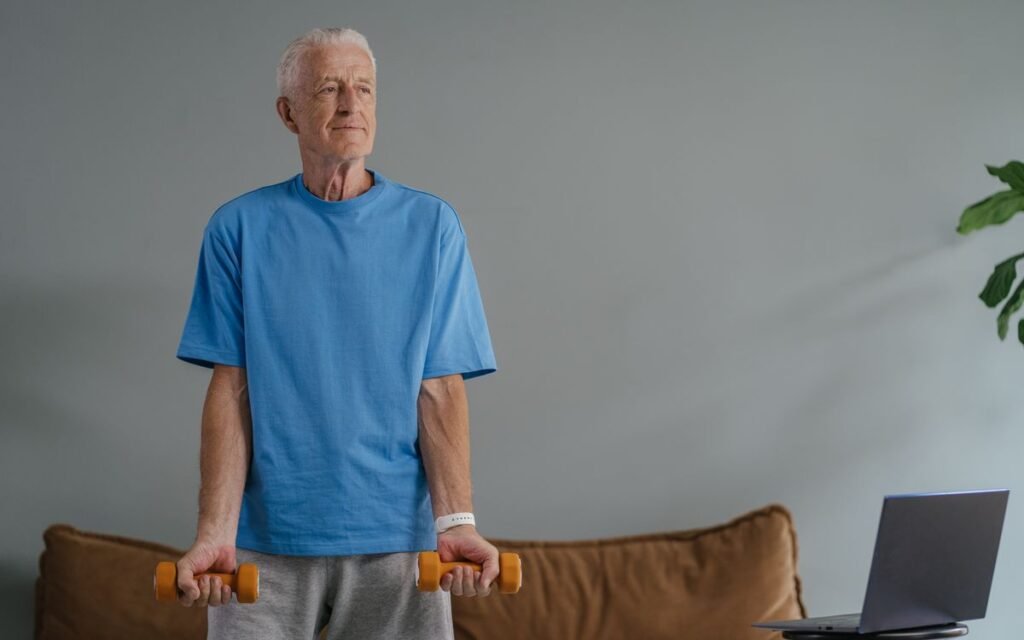
Indian data on men is thin, and that’s part of the problem. Most studies focus on women.
One small 2022 study at a New Delhi hospital, published in the International Journal of Research in Orthopaedics, screened 231 outpatients over 40 with a heel ultrasound. Among the 84 men, 46% had osteopenia (early bone loss) and 4% had osteoporosis. The researchers used a screening test, not the full DEXA scan, so treat these as warning signs rather than diagnoses.
Earlier fractures in Indians
The Indian Society for Bone and Mineral Research says osteoporotic fractures occur at an earlier age in Indians than in the West. Its 2021 position statement also says FRAX, the popular online risk calculator, may underestimate fracture risk in Indians. In plain words: if a calculator says “low risk”, don’t take that as the final word.
The same statement stresses keeping vitamin D at a healthy level, and notes that most patients with osteoporosis will need regular vitamin D supplements. That’s a decision for your doctor after a blood test, not a reason to self-dose.
 Also readMenopause Symptoms Indian Women Often Miss (and What Helps)
Risk Factors: The One Most Men Don’t Know About
This is the surprise we promised at the top. For men, low testosterone is a major risk factor, the NHS explains. In about half of men with low testosterone, the cause isn’t known. Known causes include steroid tablets, alcohol misuse and a condition called hypogonadism.
Other risk factors for men and women
- Long-term, high-dose steroid tablets
- Overactive thyroid or parathyroid glands, and pituitary problems
- Rheumatoid arthritis
- Conditions that block nutrient absorption, such as coeliac disease and Crohn’s disease
- Some hormone treatments for prostate cancer
- A parent who broke a hip, or osteoporosis in the family
- Low body weight (BMI of 19 or less)
- Smoking, heavy drinking and long periods of inactivity
⚠️ Watch out
If your father is on long-term steroid tablets, has had a fracture from a minor fall after 50, or is being treated for prostate cancer, ask his doctor about a bone check now. These are exactly the men who get missed.
The Test: DEXA Scan, and Who Should Get One
A DEXA bone density scan is short and painless, taking 10 to 20 minutes, the NHS says. It compares your bone density to a healthy young adult’s and gives you a T-score.
| T-score | What it means |
|---|---|
| Above -1 | Normal |
| Between -1 and -2.5 | Osteopenia (early bone loss) |
| Below -2.5 | Osteoporosis |
When men should be tested
The Endocrine Society’s 2012 clinical guideline on osteoporosis in men recommends DEXA testing for men aged 70 and over, and for men aged 50 to 69 with risk factors such as low body weight, a fracture as an adult, or smoking. Given the ISBMR’s point that Indians fracture earlier, it’s reasonable to raise the question with your doctor in your 50s if any risk factor applies.
The ISBMR also says a man who has had a fracture from minimal trauma (a fall from standing height, say) can be diagnosed with osteoporosis without other tests. So never brush off a “small” fracture in an older man.
What Actually Helps Protect Bones
There’s no single food or pill that fixes bones. The NHS prevention advice is a set of habits that work together.
- Move most days. Aim for at least 150 minutes of moderate activity a week.
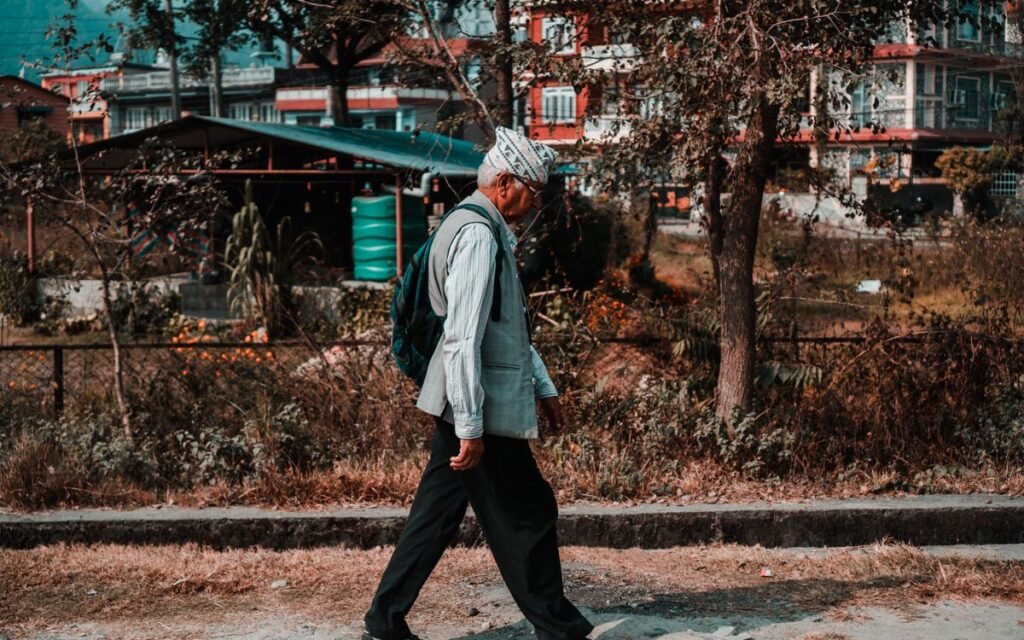
- Add strength work 2 or more days a week. Weight-bearing and resistance exercise, like brisk walking with stairs, skipping, push-ups or light weights, helps build bone. Swimming and cycling are good for the heart but don’t count as weight-bearing.
- Get enough calcium from food. The NHS says adults need 700 mg a day. Milk, curd, paneer, ragi, leafy greens and tofu all help.
- Get enough vitamin D. The NHS suggests 10 micrograms a day. Ask your doctor whether you need a test or a supplement.
- Stop smoking. It’s linked to higher osteoporosis risk.
- Cut back on alcohol. The NHS limit is 14 units a week, with no binge drinking.
💡 Pro tip
If you’ve already been diagnosed or are over 70, check with your doctor before starting a new workout. Ask for exercises that load the bones without risking a fall.
Our guide to staying active during the day has easy ways to fit more movement into an office or home routine.
 Also readRevitalize Your Life: Easy Ways to Stay Active During the Day and Embrace the Joy of Movement
Preventing Falls at Home
For a man with weak bones, the fall is what turns a hidden problem into a broken hip. The NHS lists reducing fall hazards as part of managing osteoporosis.
A 10-minute home check
- Fix loose rugs and mats, especially in the bathroom
- Add a grab bar near the toilet and in the bathing area
- Put a night light between the bedroom and bathroom
- Keep wet floors dry, especially in monsoon and after mopping
- Get eyes checked every year, and review any medicines that cause dizziness with the doctor
✅ Our verdict
If you’re a man over 50 with any risk factor (steroids, a past fracture, smoking, heavy drinking, low weight, low testosterone), ask your doctor about a DEXA scan at your next visit. If you’re over 70, ask anyway. It’s a short test, and catching bone loss before a fracture is far easier than recovering after one.
Frequently Asked Questions
Can men get osteoporosis?
Yes. The International Osteoporosis Foundation says 1 in 5 men over 50 will have an osteoporotic fracture. About 6.3% of men over 50 worldwide have osteoporosis.
What causes osteoporosis in men?
Common causes include low testosterone, long-term steroid tablets, heavy drinking, smoking, thyroid or parathyroid problems, conditions like coeliac disease, some prostate cancer treatments, low body weight and inactivity, according to the NHS.
At what age should men get a bone density test?
The Endocrine Society recommends a DEXA scan for men aged 70 and above, and for men 50-69 with risk factors. Indian bone experts note fractures happen earlier in Indians, so talk to your doctor in your 50s if you have risk factors.
What are the early signs of osteoporosis in men?
Usually there are none. The NHS says osteoporosis isn’t painful until a bone breaks. A fracture from a minor fall, back pain from a spinal fracture or a stooping posture can be the first signs.
Can osteoporosis in men be reversed?
Treatment aims to strengthen bones and prevent fractures, usually with medicines plus exercise, calcium and vitamin D. Your doctor will decide based on your fracture risk and scan results.
The Bottom Line
Osteoporosis in men is common, silent and usually found only after a fracture. If you or your father is over 50 with a risk factor, or over 70, ask the doctor about a DEXA scan. Meanwhile, start the cheap protections today: strength exercise twice a week, calcium-rich food, no smoking and less alcohol.
Keep reading
 Read nextAlways Tired? It Could Be Vitamin B12 Deficiency (Signs to Check)

 Read nextNormal Blood Sugar Levels: What Your Test Report Actually Means
Sources
- International Osteoporosis Foundation: Epidemiology of osteoporosis and fragility fractures
- NHS: Osteoporosis overview, symptoms and DEXA scan
- NHS: Causes of osteoporosis
- NHS: Preventing osteoporosis
- Watts et al., J Clin Endocrinol Metab (2012): Osteoporosis in men, Endocrine Society guideline
- ISBMR position statement, Archives of Osteoporosis (2021)
- Sharma, Garg and Singh, Int J Res Orthop (2022): osteopenia and osteoporosis in Delhi outpatients over 40