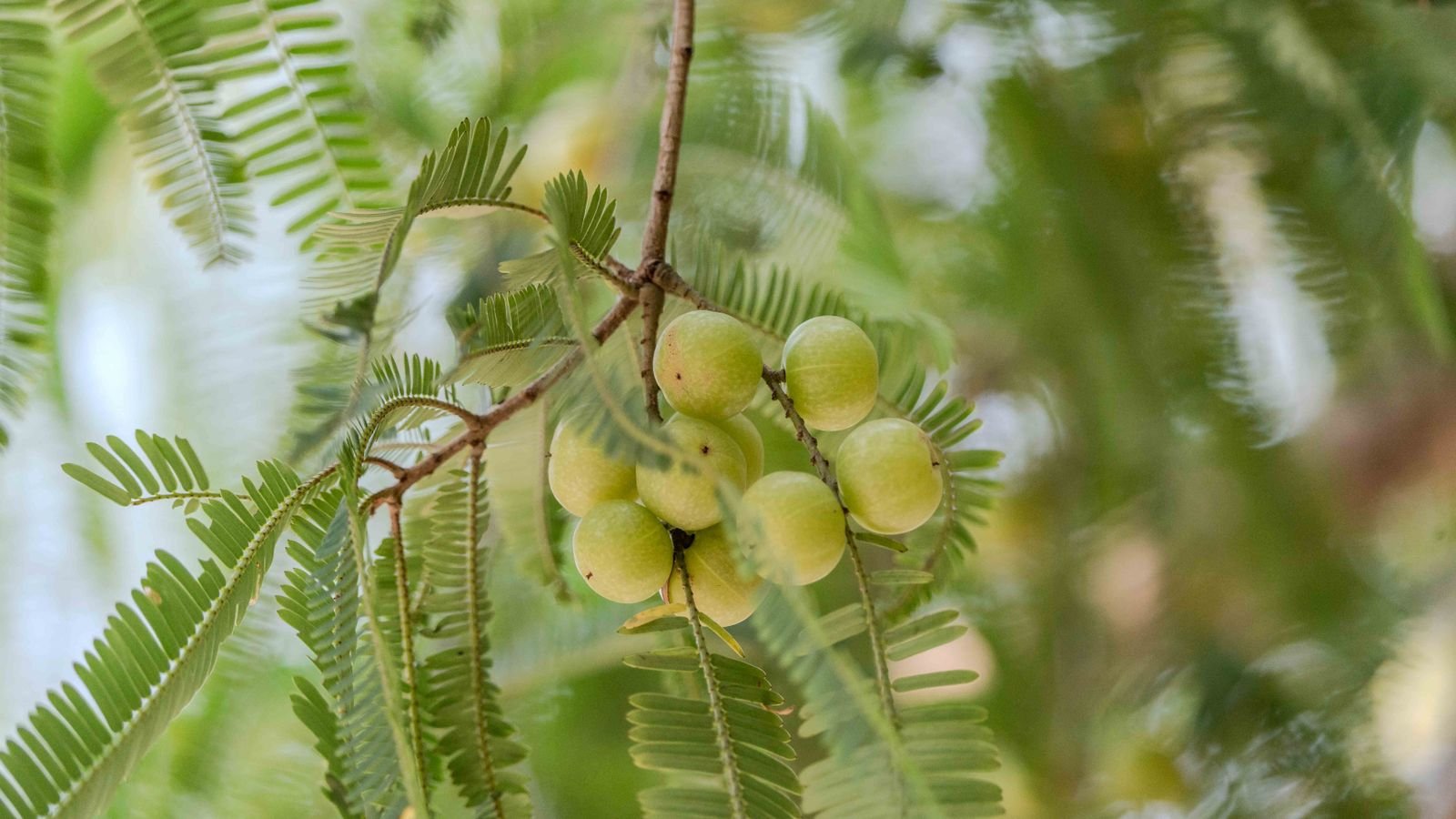
Amla season is here, and the green heaps are back at every sabziwala. Eating amla in winter is a cheap, easy way to get vitamin C: even at the low end of published values, 20 g of fresh amla covers an adult’s daily need. The best way to have it is fresh, raw or lightly prepared, not as sugary murabba or candy.
But amla isn’t a medicine, and one popular habit, a daily glass of amla juice, isn’t right for everyone. The catch is in section 5.
⚡ Key takeaways
- Fresh amla has about 193 to 720 mg of vitamin C per 100 g depending on the variety, per a 2025 News-Medical review of studies.
- The NHS says adults need 40 mg of vitamin C a day, and the body doesn’t store it, so you need some every day.
- Boiling amla for 5 minutes cut vitamin C by about a fifth in a 2020 Kolkata study. Raw or lightly prepared is best.
- Murabba and candy add a lot of sugar; pickle adds salt and oil. Treat them as occasional, not daily health food.
- Amla extracts lowered cholesterol in small trials, but the evidence is low certainty. Don’t swap medicines for amla.
Why Amla in Winter Is Worth Eating
Amla (Indian gooseberry) is in season through the colder months, so it’s fresh, cheap and easy to find. That alone makes it a good habit. Seasonal fruit that’s sitting at your local market is more likely to actually get eaten than an imported kiwi.
The main reason people eat it is vitamin C. A 2025 News-Medical review, citing studies of different cultivars, puts it at 193 to 720 mg per 100 g of fresh fruit. That’s a huge range, so don’t trust any site that quotes one exact number for every amla.
Compare that with what you need. The NHS says adults aged 19 to 64 need 40 mg a day. Your body doesn’t store vitamin C, so a little every day beats a big dose once a week.
How Much Amla a Day Is Enough?
You need less than you think.
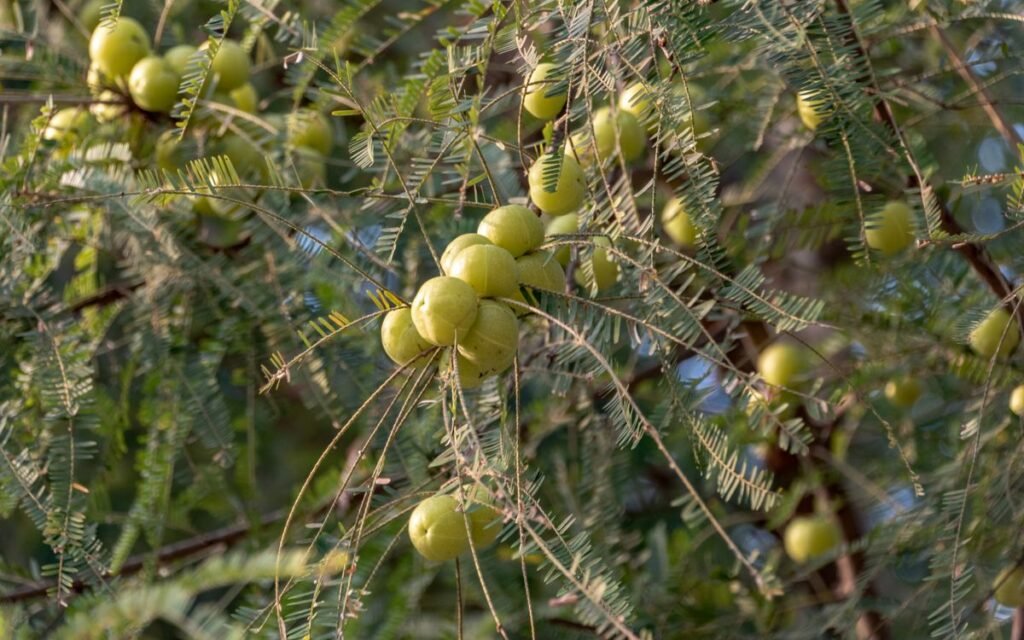
At the low end of 193 mg per 100 g, 20 g of fresh amla already gives you about 40 mg of vitamin C. At the higher end, even less. So one amla a day is plenty for vitamin C. There’s no need to eat five because “more is better”.
Does vitamin C from amla prevent winter colds?
The honest answer: there’s no clinical evidence that amla itself prevents colds. The News-Medical review repeats the traditional claim that amla supports immunity, but it cites no human trials showing that. Vitamin C is needed for normal immune function, and amla is a good source. That’s as far as the evidence goes.
💡 Pro tip
Amla’s vitamin C helps your body absorb iron from plant foods. If you’re vegetarian, a bit of amla chutney with dal, rajma or palak is a smart pairing. Our guide on iron absorption and chai timing explains why.
 Also readImmune Boosting Foods in Winter: What Really Helps
Raw, Juice, Murabba or Candy: Which Form Is Best?
Not all amla is equal. Here’s how the common Indian forms compare.
| Form | Vitamin C | Sugar / salt | Our take |
|---|---|---|---|
| Raw amla with a pinch of salt | Highest | Low | Best daily option |
| Fresh amla chutney (no cooking) | High | Low to moderate salt | Great with meals |
| Homemade juice, diluted, no sugar | High if fresh | None added | Fine, but see section 5 |
| Store-bought amla juice | Varies | Check label for added sugar | Read the label first |
| Boiled or steamed amla | Lower | Low | Okay; less vitamin C |
| Murabba | Lower after cooking | High sugar | Occasional treat |
| Amla candy | Lower | High sugar | Treat, not health food |
| Amla pickle | Lower | High salt and oil | Small amounts only |
What cooking does to vitamin C
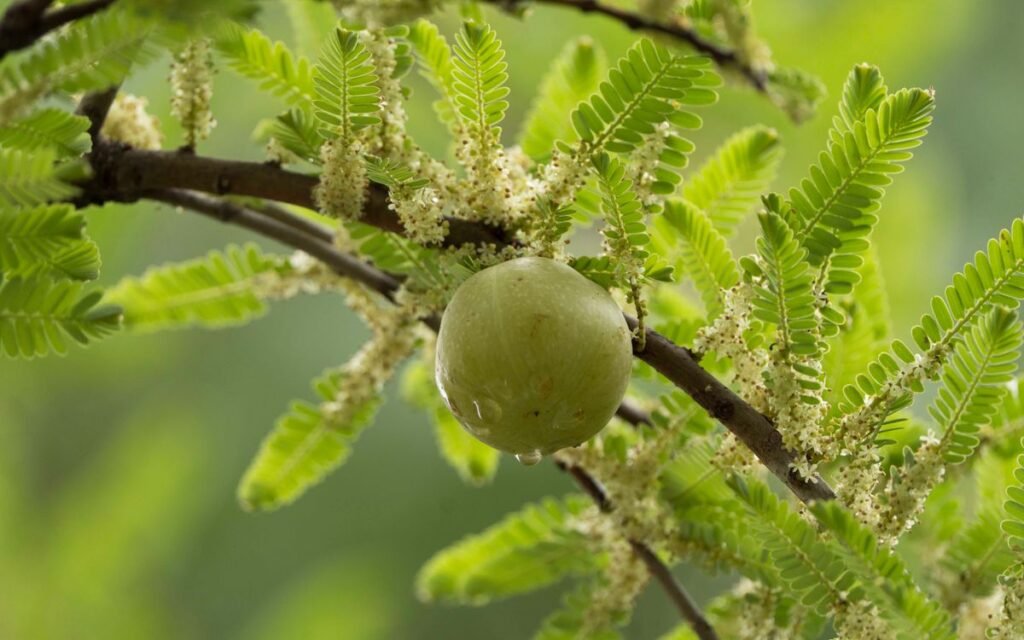
Heat breaks down vitamin C. In a 2020 study from Kolkata, amla extract boiled for 5 minutes had 21.12 mg of vitamin C per 100 g, against 26.76 mg raw. That’s about 21% lost. Microwaving lost much less.
So murabba, which is cooked in sugar syrup, keeps some vitamin C but adds a lot of sugar. If you’re watching sugar, our jaggery vs sugar guide is worth a read, because “made with gur” murabba isn’t sugar-free either.
Amla and Cholesterol: What the Research Actually Shows
You’ll see claims that amla “melts cholesterol”. The research is more careful than that.
A 2023 meta-analysis in Acta Medica Philippina pooled four randomised trials with 227 adults with abnormal cholesterol. Over 12 weeks, amla fruit extract was linked with lower total cholesterol (about 21 mg/dL) and lower LDL (about 25 mg/dL) compared with placebo. There was no clear effect on triglycerides. The authors rated the certainty of evidence as low and asked for larger trials.
Two things to notice:
- These trials used standardised extracts, not a fruit or two from the market.
- The groups were small, and the results varied a lot between trials.
So amla can be part of a heart-friendly diet. It isn’t a replacement for a statin or for walking after dinner; our 10-minute walk after meals piece covers that habit.
The Catch: Who Should Go Easy on Amla Juice
Amla as food is safe for most people. Concentrated juices, powders and capsules are a different story.
⚠️ Watch out
The News-Medical review notes that amla showed antiplatelet effects in people with type 2 diabetes, meaning blood took longer to clot. If you take blood thinners such as aspirin or clopidogrel, or have a surgery coming up, check with your doctor before taking amla juice, powder or capsules every day. If you’re on diabetes medicines, ask too, since amla may lower blood sugar.
A few other common-sense points:
- Acidity: Amla is sour. If raw amla on an empty stomach gives you heartburn, have it with a meal instead.
- Too much vitamin C: The NHS says more than 1,000 mg a day, usually from supplements, can cause stomach pain and diarrhoea. Food amounts rarely get there.
- Packaged juice: Check the label for added sugar and how much juice it actually contains.
How to Add Amla to Your Winter Routine
- Buy fresh amla that’s firm, glossy and free of brown patches. Store it in the fridge.
- Eat one raw amla a day, sliced with a pinch of salt or chaat masala, preferably with a meal.
- Make a quick chutney: blend 2 to 3 amla with coriander, green chilli, ginger and salt. No cooking needed. Keep it in the fridge and use within a few days.
- Add grated amla to dal or raita after cooking, not during, to save more vitamin C.
- Keep murabba and candy for occasional treats, especially if anyone at home has diabetes.
- Watch your salt if you love amla pickle. Our salt guide shows how fast it adds up.
 Also readIron Absorption: The Chai Timing Mistake Most Vegetarians Make
Kids often reject raw amla because it’s sour. A thin slice with a bit of jaggery once in a while is fine; the goal is a habit, not perfection.
Our Verdict on Eating Amla in Winter
✅ Our verdict
Eat one fresh amla a day through winter, raw or as no-cook chutney. That covers your vitamin C with almost no sugar or salt. Treat murabba, candy and pickle as occasional extras, and if you take blood thinners or diabetes medicines, check with your doctor before daily amla juice or capsules.
Honestly, the plain fruit beats every packaged amla product on the shelf. It costs less, has no added sugar and keeps the most vitamin C. If the sourness puts you off, the no-cook chutney is the easiest way to get the whole family eating it with dal-chawal, without anyone noticing it’s “healthy”.
Frequently Asked Questions
Is it good to eat amla in winter?
Yes. Amla is in season, cheap and rich in vitamin C, which your body needs every day. Fresh raw amla or no-cook chutney gives you the most benefit with the least sugar.
How many amla can I eat in a day?
One fresh amla is enough for vitamin C for most adults. Eating several a day isn’t harmful for most people, but it doesn’t add much extra benefit, and very sour fruit can upset some stomachs.
Is amla murabba healthy?
Murabba is cooked in sugar syrup, so it loses some vitamin C and adds a lot of sugar. Enjoy it occasionally, and skip it as a daily habit if you have diabetes or are watching your weight.
Can I drink amla juice daily?
Homemade, diluted juice without sugar is fine for most healthy adults. If you take blood thinners or diabetes medicines, or have surgery planned, ask your doctor first.
The Bottom Line
Amla in winter is one of the simplest food habits you can pick up: one fresh fruit a day covers your vitamin C. Skip the hype about curing colds or melting cholesterol, keep the sugary versions for treats, and buy a small bag on your next market run.
This article is for information only and isn’t medical advice. Please consult a doctor before using amla juice, powder or capsules if you have a health condition or take regular medicines.
Keep reading
Read nextImmune Boosting Foods in Winter: What Really HelpsRead nextIron Absorption: The Chai Timing Mistake Most Vegetarians Make
Sources
- News-Medical: Amla health benefits, vitamin C range and evidence review (updated 3 Nov 2025)
- NHS: Vitamin C, daily needs and upper intake
- Acampado et al. 2023, Acta Medica Philippina: amla extract and cholesterol meta-analysis
- Sutradhar et al. 2020, IJCPR: vitamin C in raw, microwaved and boiled amla extract