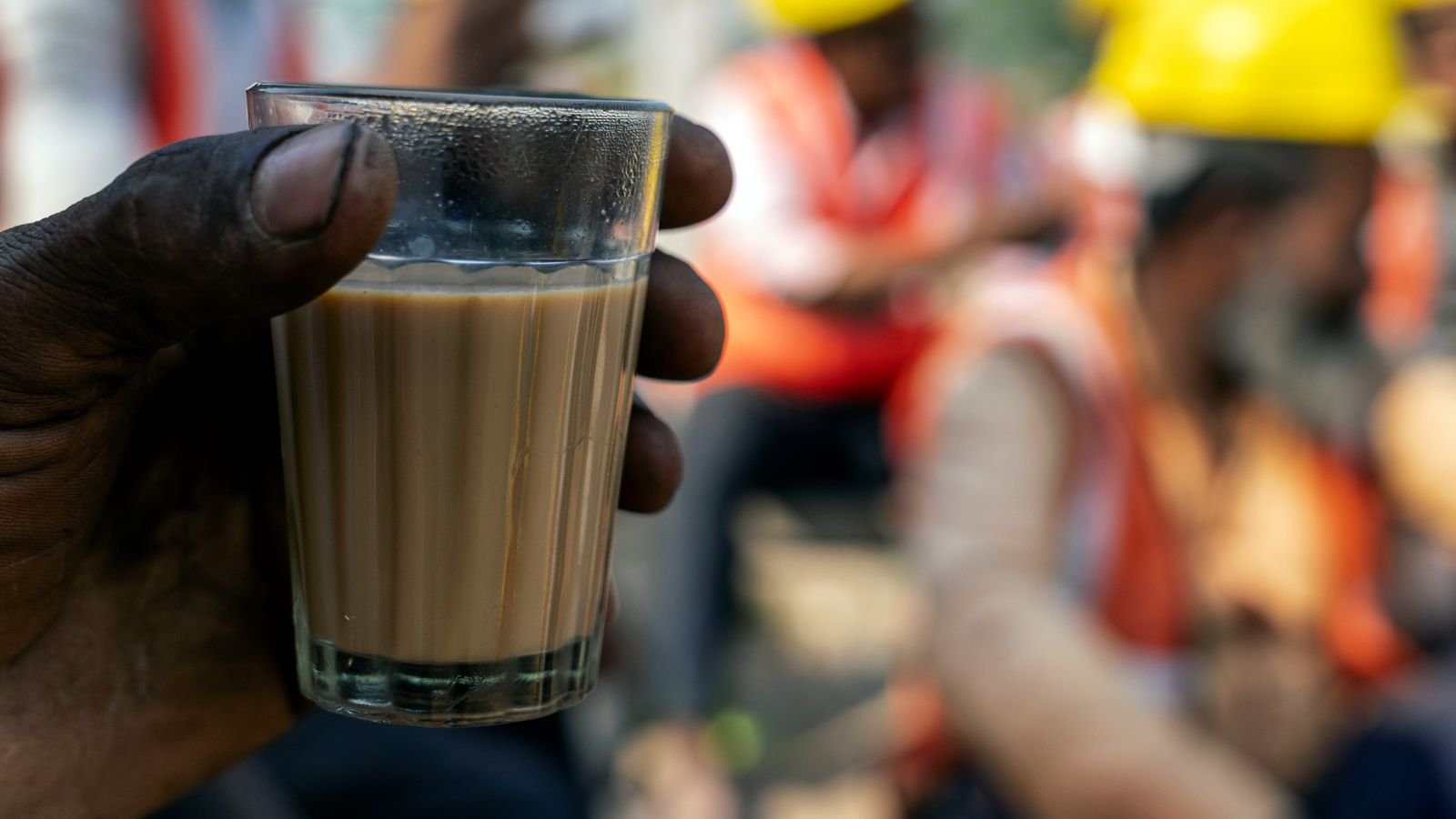
If you eat rajma, chana and greens but drink chai with every meal, you may be cancelling out part of the iron on your plate. Iron absorption from plant foods is sensitive to what you eat with them, and tea is one of the best-known blockers. ICMR’s advice, as reported in 2024, is to skip tea and coffee for an hour before and after meals.
The fix doesn’t mean giving up chai. It’s mostly about timing, plus one cheap habit that helps iron absorption a lot. That habit is in section 3, and a simple thali checklist is in section 5.
⚡ Key takeaways
- Vegetarian (non-heme) iron is absorbed less easily than iron from meat, fish and poultry, and it’s more affected by what you eat with it.
- Tea and coffee contain polyphenols that reduce iron absorption. ICMR advises keeping them at least an hour away from meals.
- Vitamin C with the meal (lemon, amla, guava, tomatoes) helps your body absorb more plant iron.
- Calcium-rich foods like milk and curd can also reduce iron absorption when eaten in the same meal.
- 57% of Indian women aged 15–49 were anaemic in NFHS-5. Diet habits matter, but get tested rather than guessing.
Why Iron Absorption Matters for Indian Vegetarians
India has a serious anaemia problem. National Family Health Survey 5 (2019–21) found 57% of women aged 15–49 and 67.1% of children aged 6–59 months were anaemic, up from 53.1% and 58.6% in NFHS-4, as Down To Earth reported. Even 25% of men were anaemic. Iron deficiency is one common cause, though not the only one.
The NHS puts daily iron needs at 8.7 mg for men aged 19 and over and 14.8 mg for women aged 19 to 49. Women need almost double because of periods, which is why young Indian women, often vegetarian and often skipping breakfast, are the group most at risk.
Here’s the catch for vegetarians. A review of dietary factors and iron absorption explains that heme iron, found in meat, fish and poultry, is hardly affected by other foods. Plant iron, called non-heme iron, is the opposite: its absorption goes up or down depending on what’s on the plate.
The Chai Problem: What ICMR Actually Advised
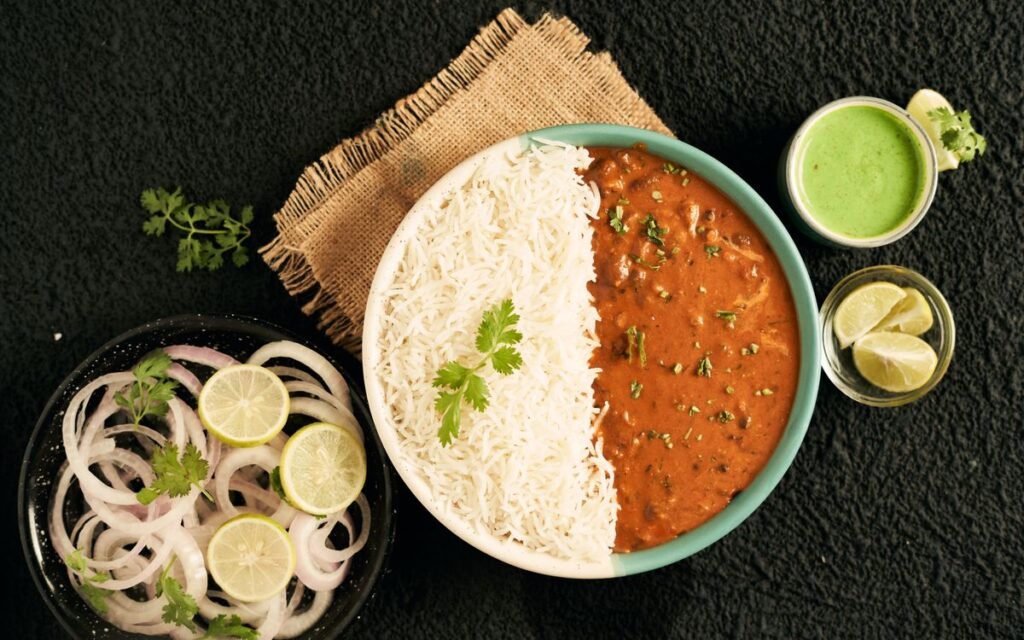
In 2024, ICMR’s dietary guidance advised people not to drink tea or coffee within one hour before and after regular meals, as Onmanorama reported. The reason given: tannins in these drinks hamper the body’s ability to absorb iron.
That matches the research. The review mentioned above lists tea and coffee polyphenols, phytates in plant foods, and calcium as the main things that reduce iron absorption. Its recommendation for people at risk of iron deficiency is simple: drink tea between meals, not with them.
Interesting detail: that review was written by researchers at Unilever, a company that sells tea. Even so, it advised moving tea away from mealtimes for people at risk.
What this looks like in a normal Indian day
- Breakfast: poha or paratha with chai is the classic combo. Have the chai an hour before, or mid-morning instead.
- Lunch: office canteens often serve tea right after the meal. Wait an hour, or switch to plain water or nimbu pani.
- Evening: 5 PM chai is fine. It’s between meals for most of us.
💡 Pro tip
You don’t have to quit chai. Just shift it. Mid-morning and evening chai, an hour away from breakfast, lunch and dinner, keeps the habit and protects iron absorption.
 Also readWalking After Meals: What a 10-Minute Walk Does for Your Body
The Easy Win: Add Vitamin C to Iron-Rich Meals
The same review lists ascorbic acid (vitamin C) as one of the main things that boosts absorption of plant iron. It recommends increasing vitamin C at mealtimes for anyone with low heme iron intake, which describes most Indian vegetarians.
This is the cheapest change you can make. Some easy pairings:
| Iron-rich vegetarian food | Add this for vitamin C | Indian example |
|---|---|---|
| Rajma, chana, other beans | Lemon juice, tomatoes | Rajma chawal with a squeeze of nimbu |
| Dal | Tomato, lemon | Tomato dal, or lemon on top |
| Nuts and dried fruit | Fresh fruit | A handful of nuts with an orange as a snack |
| Fortified breakfast cereal | Fruit | Cereal with guava or orange slices |
| Soy flour, tofu | Capsicum, tomato | Soy-atta roti with a tomato-onion salad |
The iron-rich foods in the first column come from the NHS list, which includes beans such as red kidney beans and chickpeas, nuts, dried fruit, fortified breakfast cereals and soy bean flour. The second column is about getting some fresh fruit or vegetables onto the same plate.
Other Iron Blockers to Watch
Tea gets the headlines, but it’s not the only one.
⚠️ Watch out
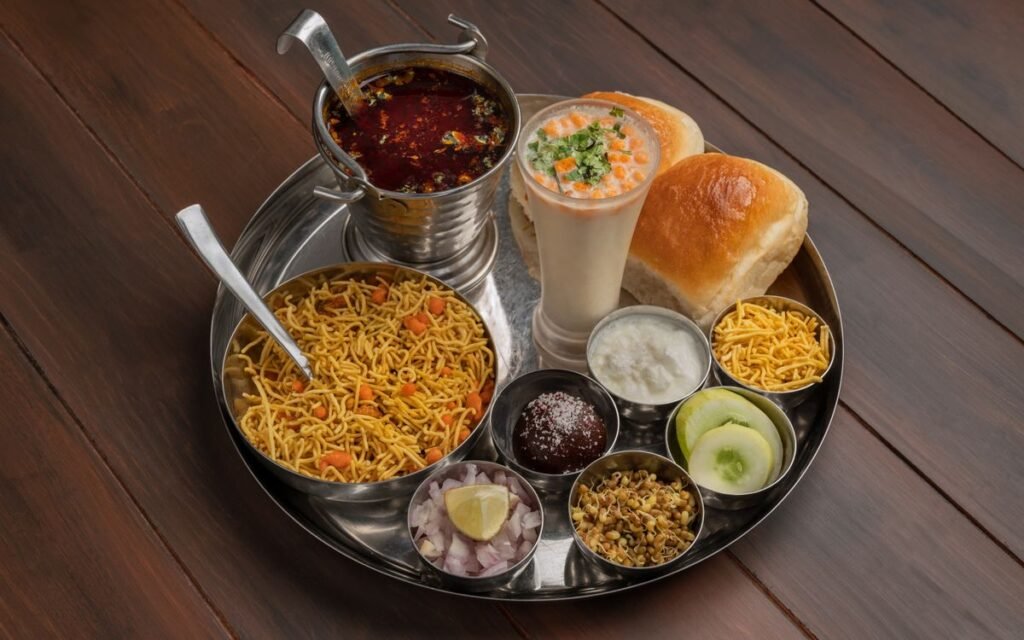
Calcium also reduces iron absorption when eaten together. A big glass of milk or a bowl of curd with your iron-rich lunch can lower how much iron you absorb. You don’t need to cut dairy; just don’t make it the centrepiece of your main iron meal every day.
A few more things worth knowing:
- Coffee counts too. ICMR’s advice and the research both group tea and coffee together.
- Phytates in whole grains and legumes reduce iron absorption. Soaking and sprouting are traditional ways of preparing dal and chana, but the bigger, proven lever is adding vitamin C.
- Iron supplements aren’t a snack. The NHS says taking 17 mg or less a day of iron supplements is unlikely to cause harm, but high doses can cause side effects, and very high doses can be fatal for children. Keep any iron tablets out of their reach and take them only as advised by a doctor.
A 5-Point Iron-Friendly Thali Checklist
- One iron source per main meal: rajma, chana, other dals, beans, or a soy dish.
- One vitamin C source on the same plate: lemon, tomato, amla, guava, capsicum or an orange.
- Chai and coffee an hour away from breakfast, lunch and dinner.
- Dairy at a different meal when you can, so your main iron meal isn’t also your main calcium meal.
- Don’t skip breakfast. Fewer meals means fewer chances to get iron in.
Diwali week makes this harder, with sweets, snacks and endless cups of tea at every visit. Our posts on how much salt is too much and Diwali sweets for diabetics cover the rest of the festive plate.
 Also readHow Much Salt Per Day? Indians Eat 8 g, WHO Says Under 5
Our Take: Who Should Change Their Chai Habit
✅ Our verdict
If you’re a vegetarian woman, a teenager, or anyone who drinks chai with every meal, shift it by an hour and add lemon or another vitamin C source to lunch and dinner. It costs nothing and it’s backed by both ICMR’s advice and decades of research. If you already eat meat or fish regularly, the effect matters less, but the habit is still harmless.
What this won’t do is diagnose or fix anaemia. If you’re unsure about your iron levels, a simple blood test and your doctor’s advice matter more than any food trick. For other nutrients many Indians run low on, see our explainers on vitamin D and vitamin B12.
Frequently Asked Questions
Does tea really reduce iron absorption?
Yes. Tea contains polyphenols (tannins) that reduce absorption of plant iron when taken with a meal. ICMR advised keeping tea and coffee at least an hour away from meals for this reason.
How long after a meal should I drink chai?
ICMR’s advice, as reported in 2024, is to avoid tea and coffee for one hour before and one hour after regular meals.
What helps iron absorption for vegetarians?
Vitamin C with the meal is the strongest everyday booster. Add lemon, tomatoes, amla, guava or capsicum to meals with dal, beans, chana or soy.
How much iron do adults need a day?
The NHS says 8.7 mg a day for men aged 19 and over and 14.8 mg for women aged 19 to 49. Women aged 50 and over need 8.7 mg, unless they still have periods.
Can I drink milk with iron-rich food?
You can, but calcium reduces iron absorption when eaten together. If you’re trying to improve iron, have milk or curd at a different meal from your main iron-rich meal.
The Bottom Line
Better iron absorption is mostly about pairing and timing: iron-rich food plus vitamin C on the same plate, with chai and coffee moved an hour away. Start with tomorrow’s lunch: nimbu on the dal, and tea at 4 instead of 2. This article is for information only; consult a doctor before taking iron supplements or if you think you might be anaemic.
Keep reading
 Read nextVitamin D Deficiency in India: Do You Really Need That Test?
 Read nextAlways Tired? It Could Be Vitamin B12 Deficiency (Signs to Check)
 Read nextImmune Boosting Foods in Winter: What Really Helps
Sources
- Down To Earth: NFHS-5 anaemia figures for women, men and children
- NHS: Iron, daily needs, food sources and supplement safety
- Zijp et al., Crit Rev Food Sci Nutr (2000): Effect of tea and other dietary factors on iron absorption
- Onmanorama: ICMR advice on tea and coffee around meals (May 2024)