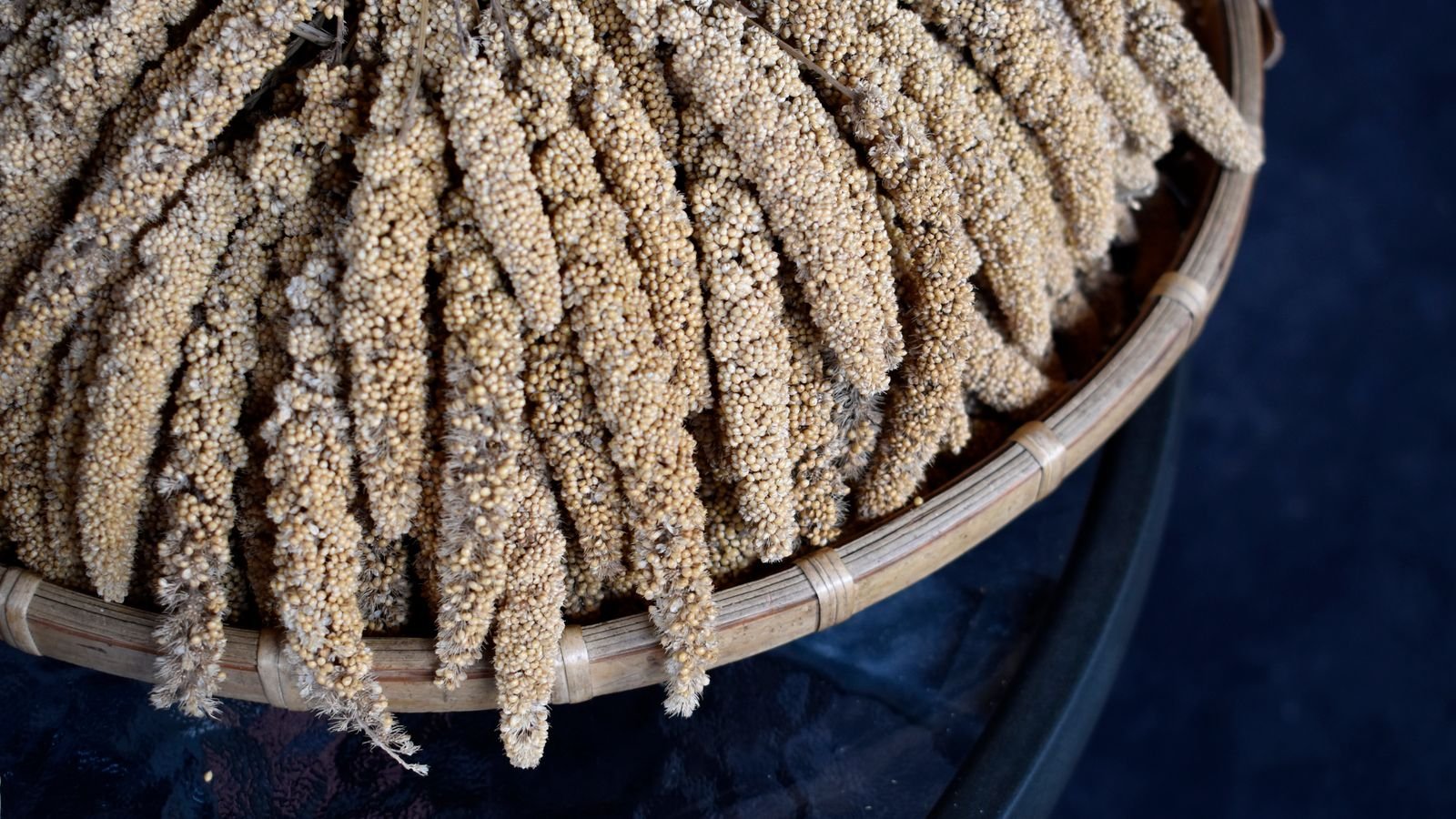
Millets in winter are a good swap for some of your rice or wheat, as long as you buy them whole or unpolished. Ragi is the calcium standout, and bajra and ragi both have about four times the fibre of polished white rice, according to India’s national food composition data. ICMR-NIN’s 2024 guidelines suggest that 30 to 40 percent of your daily cereals can come from whole-grain millets.
But many “healthy” millet packets sold in India are polished, and polishing strips much of what makes them worth eating. The label line to look for is in section 4.
⚡ Key takeaways
- Ragi (finger millet): about 364 mg of calcium per 100 g, the standout nutrient in this grain.
- Bajra and ragi: about 11 g of fibre per 100 g, against about 2.8 g in polished white rice (Indian Food Composition Tables, 2017).
- How much: ICMR-NIN suggests 250 g of cereals and millets a day, half from whole grains, with 30 to 40 percent from whole-grain millets.
- The catch: polished millets lose fibre and minerals, and processed millet foods like flakes can raise blood sugar as fast as white rice.
- “Warming” foods: bajra in winter is a strong food tradition, but there’s no solid evidence that a grain warms your body.
Why Millets in Winter Make Sense
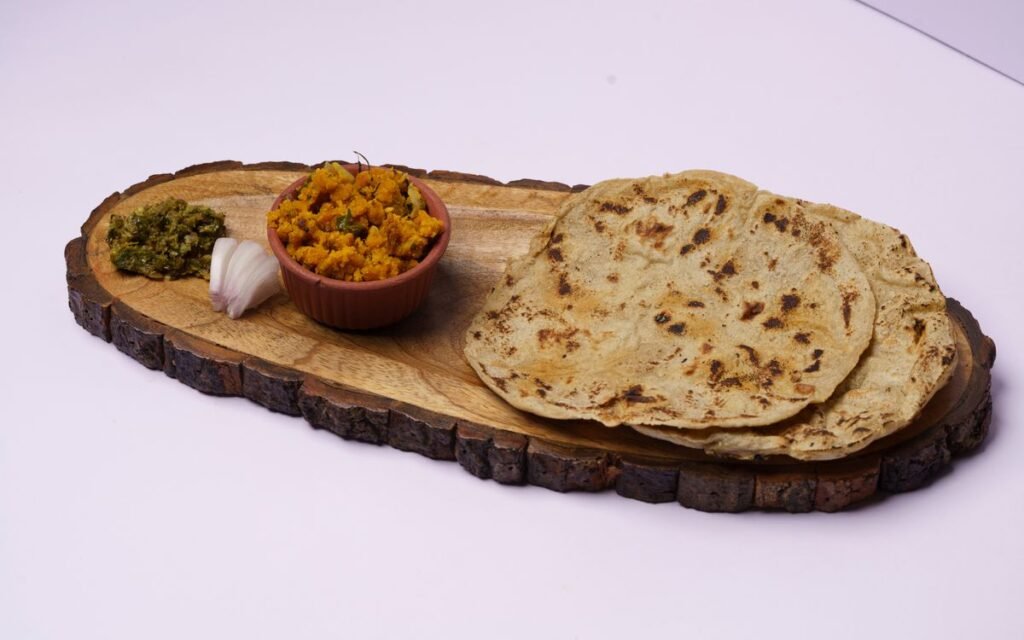
Winter is when much of India already eats millets. Bajra rotla in Gujarat, bajre ki roti with ghee and gur in Rajasthan, jowar bhakri in Maharashtra, ragi mudde in Karnataka. They suit the heavier, slower meals people like when it’s cold.
The nutrition case is real too, and it’s not just tradition. ICMR-NIN’s Dietary Guidelines for Indians (2024) recommend that at least half of your cereals come from whole grains and millets, and that cereals make up no more than 45 percent of daily energy. Most Indian diets go over that, according to researchers writing in the Indian Journal of Medical Research in 2026.
So if you’re going to add millets, winter is the easiest season to start.
Ragi, Bajra or Jowar: Which Millet Does What
Not all millets are the same, and the “superfood” label hides that. Here’s what the Indian Food Composition Tables (Longvah et al., 2017), as cited in a 2024 Frontiers paper, and the IJMR researchers say.
| Millet | What stands out | Common winter dish | Our take |
|---|---|---|---|
| Ragi (finger millet) | Calcium about 364 mg/100 g; fibre about 11.2 g | Ragi mudde, porridge, dosa | Best pick if your family skips milk |
| Bajra (pearl millet) | Fibre about 11.5 g/100 g | Bajra roti, khichdi, rabdi | Filling; classic winter roti |
| Jowar (sorghum) | Whole-grain fibre; common gluten-free roti | Bhakri, roti | Easiest swap for wheat rotis |
| Small millets (foxtail, little, kodo, barnyard) | Often sold polished in South India | Rice-style, upma, pongal | Buy only if the pack says unpolished |
| Polished white rice, for comparison | Fibre about 2.8 g/100 g | The baseline you’re replacing |
Those are raw-grain values per 100 g. Cooking changes the numbers, but the gap between whole millet and polished rice stays.
Who might want which
- Ragi if anyone at home doesn’t drink milk, or for an older parent who eats little dairy. It’s also gentle as a porridge.
- Bajra if you want a roti that keeps you full through a cold morning.
- Jowar if you want the closest swap for a wheat roti with the least fuss.
💡 Pro tip
You don’t need a new recipe. Mix one part ragi or jowar flour with three parts wheat atta for your usual rotis this week, and go up from there if the family likes it.
 Also readShakarkandi vs Aloo: Is Sweet Potato Really Healthier in Winter?
Do Millets Really “Warm” the Body?
You’ll hear that bajra is “garam” and perfect for cold weather. That belief is part of Ayurveda and of home kitchens across Rajasthan and Gujarat, and it’s a lovely tradition. But no good study shows that one grain raises your body temperature more than another.
What’s true is simpler. A whole-millet roti with a little ghee is filling, and a fibre-rich meal digests more slowly than a refined one. That makes it a satisfying winter meal. It’s fine to enjoy the tradition; just don’t expect millets to do the job of a sweater.
The same goes for the gur that often comes with bajra roti in winter. It’s still sugar, as our jaggery vs sugar post explains, so keep that piece small.
The Catch: Polished Millets Lose the Benefit
⚠️ Watch out
Polishing removes the bran, the aleurone layer and part of the germ, leaving mostly starch. That cuts protein, fat, fibre and minerals. Researchers from MDRF, ICAR-IIMR and ICMR-NIN found that most barnyard, little, kodo, foxtail and proso millets on South Indian shelves were polished.
This is the label problem from the top. A packet that says “millet”, “whole grain”, “rich in fibre” or “diabetes friendly” can still be polished, the IJMR authors warn. Those words alone don’t tell you much.
Processing matters too. In an ICMR-funded study presented by MDRF scientists, upma made from decorticated (processed) finger millet had a glycaemic index of 87, close to polished white rice. Finger millet flakes scored 82.3. So a “ragi flakes” breakfast isn’t automatically better than poha.
Even whole ragi isn’t magic for blood sugar. In a small MDRF trial with continuous glucose monitors, a finger millet diet gave a similar 24-hour glucose response to white rice, though insulin was about 18 percent lower, as South First reports. The authors say longer and larger studies are needed.
What to look for on the pack
- “Unpolished” or “whole grain” stated clearly, not just “natural”.
- How much millet is in a “millet” product. A multigrain atta may be mostly wheat.
- Grain, not flakes or puffs, for everyday use.
- A recent packing date. Whole millets go rancid faster because the oil-rich germ is still there.
For more on reading packs, the “per 100 g” panel is your friend; we’ll cover Indian food labels in detail soon.
How to Add Millets to Your Week
Go slowly. Millets are high in fibre, and a sudden jump can leave some people bloated for a few days.
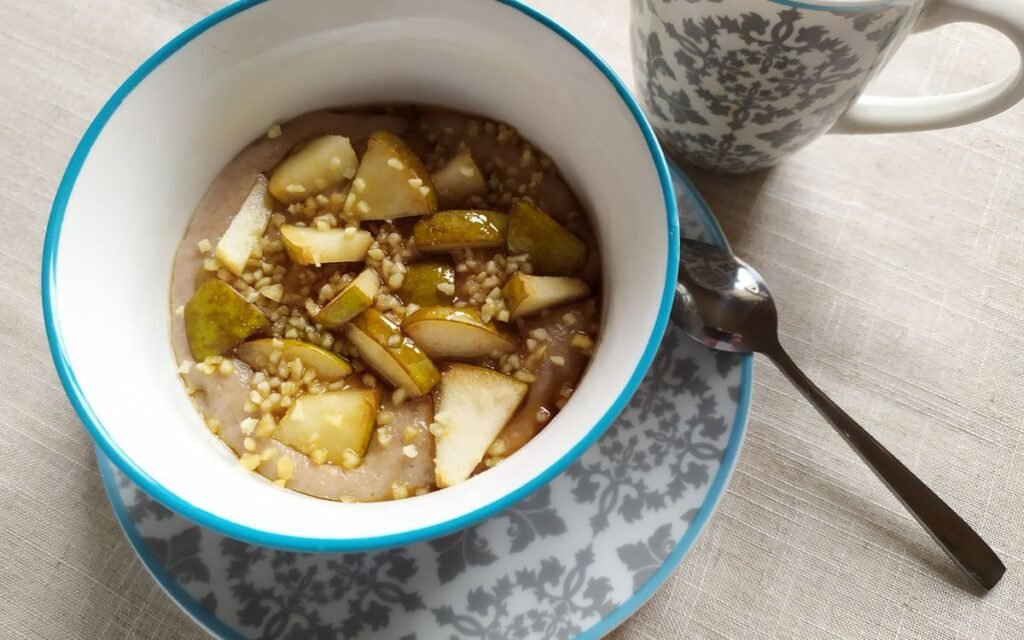
- Week 1: one millet meal a day. Ragi porridge for breakfast or a bajra roti at dinner.
- Week 2: swap rice for a small millet at one lunch, cooked like rice with a little extra water.
- Mix flours for rotis instead of switching fully; kids accept it more easily.
- Pair it with dal, curd or sabzi. The IJMR authors say eating millets with pulses and vegetables can lower the meal’s overall glycaemic response.
- Watch the extras. A bajra roti soaked in ghee is still a lot of ghee; our ghee guide has the numbers.
- Store smart. Keep whole millets and their flour in an airtight jar, buy small packs, and use them within a few weeks.
A fibre-rich winter plate also helps with the energy dip after heavy meals, which we covered in our festive eating guide.
Who Should Be Careful
Millets are everyday food for millions of Indians, so for most people they’re simply a good swap. A few groups should go slower or talk to someone first.
- People with diabetes: millets aren’t automatically low-GI. Processed forms can spike sugar like white rice, so check your own readings and ask your doctor or dietitian how to fit them in.
- Anyone with a sensitive gut: start with small portions and well-cooked forms like porridge.
- Small children: introduce one millet at a time, in soft, well-cooked forms.
- Anyone on a doctor-prescribed diet, such as for kidney problems: check before making big changes.
For protein on a millet-heavy veg day, pair them with dal, paneer or curd; our protein guide shows how much you need.
✅ Our verdict
Eat millets in winter, but buy them whole or clearly unpolished, and make them part of a meal with dal and vegetables. Ragi is the pick for calcium, bajra for a filling roti, jowar for an easy wheat swap. Skip millet flakes and puffs as an everyday “health” breakfast; they behave a lot like white rice.
This article is for information only. If you have diabetes or another health condition, consult a doctor or a registered dietitian before changing your diet.
Frequently Asked Questions
Which millet is best in winter?
Bajra is the traditional winter millet in north and west India, and it’s high in fibre. Ragi is the best source of calcium among grains. Either is a good choice if it’s whole and unpolished.
How much millet should I eat in a day?
ICMR-NIN’s 2024 guidelines suggest about 250 g of cereals and millets a day for an adult, with half from whole grains and 30 to 40 percent from whole-grain millets. That’s roughly one or two millet meals a day for most people.
Are millets good for diabetes?
They can help as part of a balanced meal, but they aren’t automatically low-GI. Processed finger millet upma scored a GI of 87 in an ICMR-funded study, close to white rice. Ask your doctor or dietitian.
Is bajra hot for the body?
In Ayurveda and Indian home cooking, bajra is called “warming”. There’s no strong scientific evidence that it raises body temperature, but it’s a filling, fibre-rich food that suits winter meals.
What is the difference between polished and unpolished millets?
Polishing removes the outer bran and part of the germ, taking away much of the fibre and minerals. Unpolished millets keep these layers, which is why they’re better for you, though they spoil faster.
The Bottom Line
Millets in winter are worth eating, but the benefit lives in the bran. Buy whole or unpolished, start with one meal a day, and pair them with dal and sabzi. Tonight, try a ragi or bajra roti alongside your usual dinner and see how the family takes it.
Keep reading
Read nextShakarkandi vs Aloo: Is Sweet Potato Really Healthier in Winter? Read nextAmla in Winter: How Much to Eat and the Best Way to Have It
 Read nextJaggery vs Sugar: Is Gur Really Healthier? What NIN Says
Sources
- South First (4 Oct 2026): IJMR viewpoint by MDRF, ICAR-IIMR and ICMR-NIN on polished millets and the ICMR-NIN guideline
- Frontiers in Sustainable Food Systems (2024): finger millet calcium and millet fibre from the Indian Food Composition Tables
- Down To Earth: ICMR-funded study on processed finger millet GI