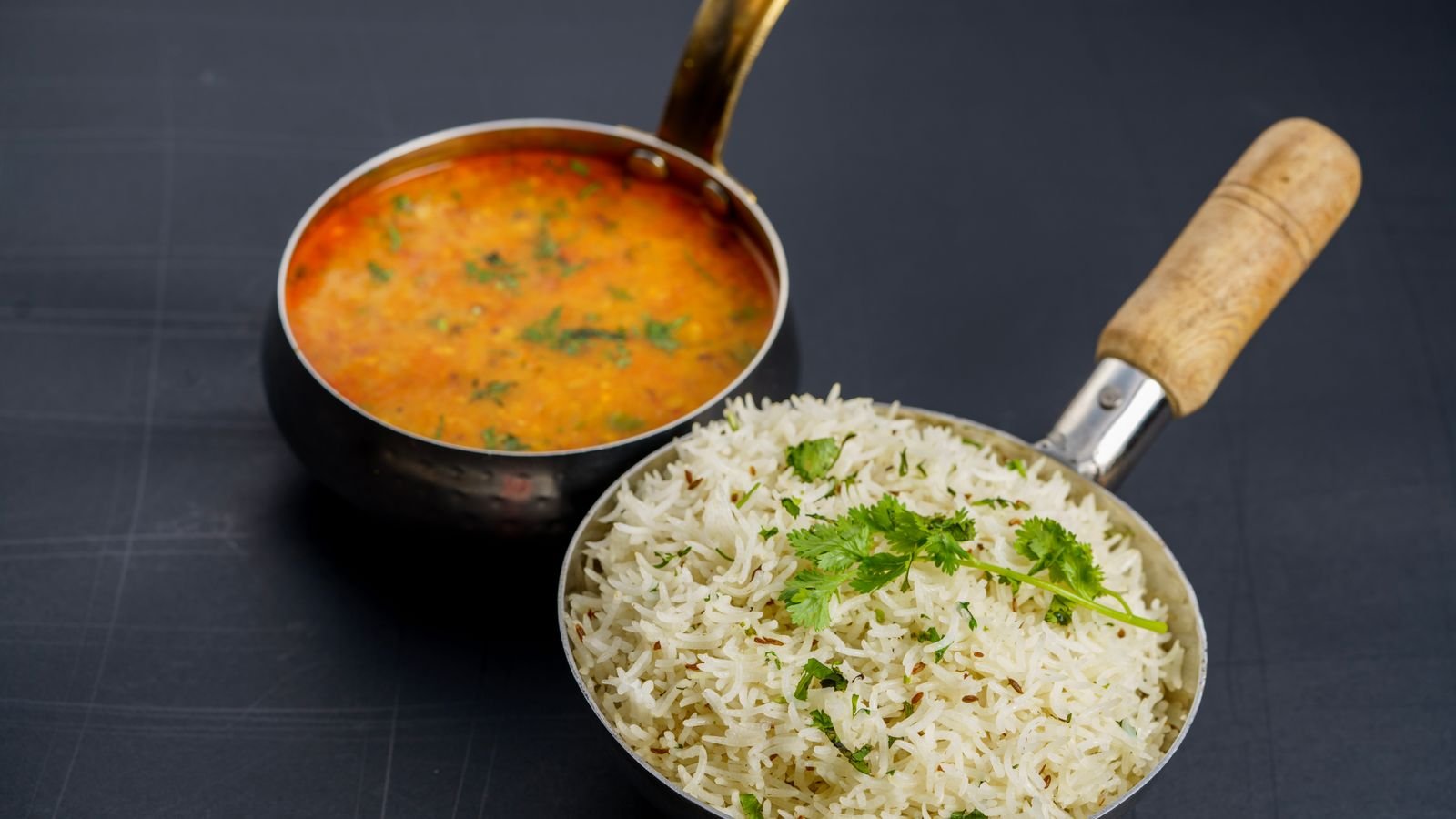
How much protein a day do you need? India’s nutrition body, ICMR-NIN, says about 0.83 g per kg of body weight, so a 60 kg adult needs around 50 g. That’s far below the numbers on Instagram, but it’s more than one katori of dal will give you.
You can reach it on a vegetarian Indian diet, with no powder, if you plan one extra protein food at each meal. We’ve done the sums below. The surprise is how little protein a roti-sabzi meal holds, and that’s in section 3.
⚡ Key takeaways
- ICMR-NIN’s figure for healthy adults: 0.83 g per kg of body weight a day. That’s about 50 g at 60 kg and 58 g at 70 kg.
- One katori of cooked dal (about 150 g) gives 10–14 g, less than many people assume.
- A normal veg day can hit 50–60 g with dal, curd, milk, chana or paneer, and a handful of peanuts.
- ICMR-NIN advises against protein powders for most people, and says intake above about 1.6 g per kg adds no extra muscle gain with training.
- If you have kidney disease, are pregnant or follow a medical diet, ask your doctor. Your number can differ.
This article is for information only and isn’t medical advice. Please consult a doctor or a registered dietitian if you have a health condition or plan a big diet change.
How Much Protein a Day Do Indians Actually Need?
The number to know is 0.83 g per kg of body weight a day. Telangana Today’s report on the ICMR-NIN guidelines gives this as the recommendation, with 0.66 g per kg as the estimated average.
For common body weights, that works out like this:
| Body weight | Protein per day at 0.83 g/kg |
|---|---|
| 50 kg | 42 g |
| 60 kg | 50 g |
| 70 kg | 58 g |
| 80 kg | 66 g |
| 90 kg | 75 g |
Think of this as the amount that covers the needs of most healthy adults, not a target for building muscle. If you lift weights seriously, you may want more, but there’s a ceiling on what helps. More on that in section 5.
What the Dietary Guidelines Want on Your Plate
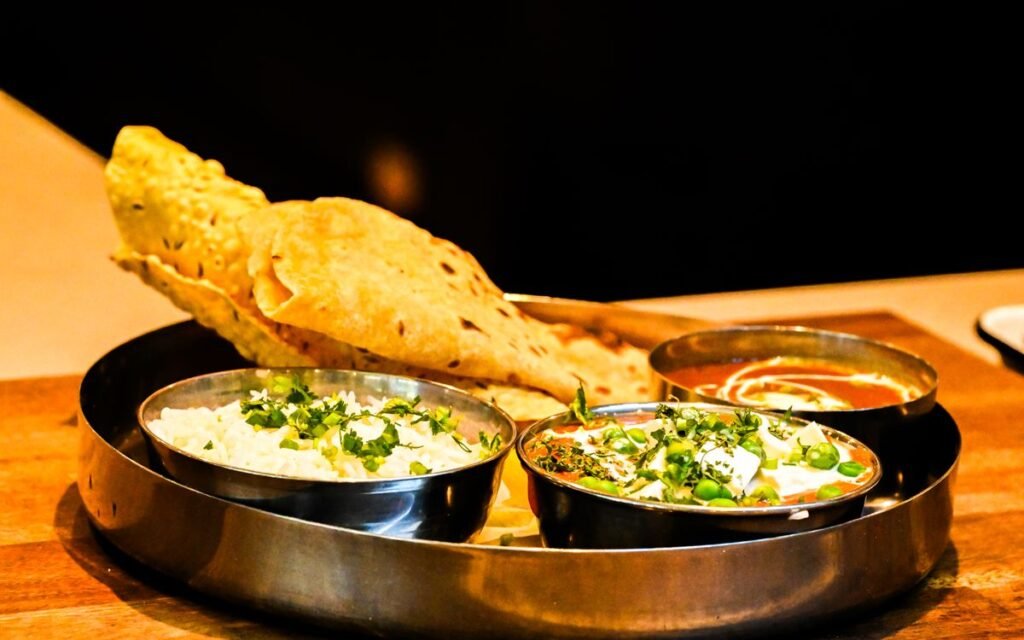
The Dietary Guidelines for Indians 2024 from ICMR-NIN don’t only talk in grams. They suggest 85 g of pulses and legumes a day, along with about 300 ml of milk or curd. On days you eat eggs, fish or meat, you can eat fewer pulses.
Most Indian diets are heavy on cereals. The South First’s summary of the guidelines points out that pulses and meat are costly and scarce for many families, and heavy reliance on cereals can mean poor intake of essential amino acids. It also says cereals should supply no more than 45% of calories, with pulses, beans and meat up to 15%.
So the aim isn’t to eat less roti for its own sake. It’s to make sure dal, chana, milk and curd aren’t an afterthought.
💡 Pro tip
Most homes make dal thin. If your katori is mostly water, you’re getting much less protein than the table below. Make it thicker, or add a second serving, before you buy anything from a supplement store.
 Also readHow Many Almonds a Day? The Handful Rule for Diwali Dry Fruits
The Honest Protein Count in Everyday Indian Foods
Now for the surprise from the top. The figures below are based on USDA FoodData Central values for cooked or ready-to-eat foods, and the serving sizes are my own, so your katori may differ.
| Food | Protein per 100 g | Typical serving | Protein per serving |
|---|---|---|---|
| Lentils (masoor type), cooked | 9.0 g | 1 katori, 150 g | 13.5 g |
| Moong, cooked | 7.0 g | 1 katori, 150 g | 10.5 g |
| Rajma, cooked | 8.7 g | 1 katori, 150 g | 13 g |
| Whole milk | 3.2 g | 1 glass, 200 ml | 6.3 g |
| Curd, whole milk | 3.5 g | 1 katori, 150 g | 5.2 g |
| Boiled egg | 12.6 g | 1 egg, 50 g | 6.3 g |
| Roasted peanuts | 24.4 g | Small handful, 30 g | 7.3 g |
Nutrition tracker Clearcals lists paneer at about 18.9 g per 100 g and cooked chana at about 8–9 g. So a 50 g serving of paneer adds roughly 9.5 g, and that’s before the fat and calories that come with it.
So one katori of thin dal, two rotis and a sabzi? You may get around 20 g or less for that whole meal. It’s a fine meal, but three of those can still leave you short, especially at 70 kg or above.
A Normal Indian Veg Day That Reaches About 58 g
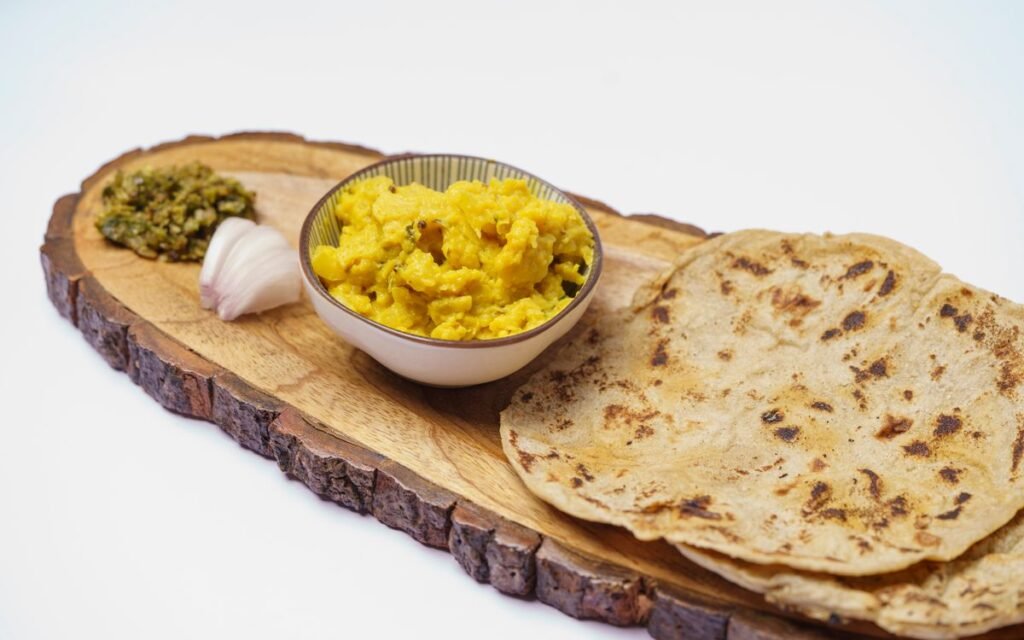
No shakes, no imported ingredients, and nothing your family won’t eat. Here’s a sample day, using the figures above.
| Meal | What to eat | Approx. protein |
|---|---|---|
| Breakfast | Moong chilla or besan chilla made with 1 katori batter, plus a glass of milk | 15 g |
| Lunch | 2 rotis, 1 katori thick rajma or dal, sabzi, a small katori of curd | 22 g |
| Snack | Small handful of roasted peanuts or chana | 7 g |
| Dinner | 1 katori dal, rice or roti, sabzi | 14 g |
| Total | About 58 g |
These are estimates that also allow a few grams for roti and rice, since cereals add some protein too. If you eat eggs, adding two to breakfast covers much of a gap by itself.
Easy upgrades that don’t feel like dieting
- Mix pulses into idli, dosa and chilla batter.
- Add sprouts or roasted chana to poha or bhel.
- Have a glass of chaas or milk instead of a second cup of tea.
- Put a spoon of peanuts in the sabzi or poha.
And remember portions. A handful of peanuts is useful, a whole packet is a lot of calories. The same goes for almonds and dry fruits and for ghee.
Do You Need Protein Powder? What ICMR-NIN Says
Most people don’t. The South First says the NIN advises against protein supplements for building muscle mass, and warns that long-term intake of large amounts of protein powder or concentrates may be linked to bone mineral loss and kidney damage. It also reports that the guidelines say intake above about 1.6 g per kg a day adds no further muscle gain from resistance training.
There’s disagreement, and you should know that. Hepatologist Dr Abby Philips criticised this advice as misleading, arguing that supplements approved by credible regulators and third-party certification are safe, and pointing out that whey is made from cow’s milk.
⚠️ Watch out
Whatever your view on powder, be careful with what’s actually in the tub. Buy from a reputed seller, avoid products with added herbs or “fat burners”, and speak to a doctor first if you have kidney problems or take regular medicines.
My take: food first. If you’re a serious gym-goer with a real gap and no health issues, a single scoop isn’t some scandal. But a 55 kg office worker doesn’t need 150 g a day because a reel said so.
When You May Need More or Less
The 0.83 g figure is for healthy adults, so your situation can change the picture.
- Older adults: Muscle maintenance matters more with age, and appetite often falls. Ask a doctor about what makes sense, and spread protein through the day.
- Pregnant or breastfeeding women: Requirements are different, so ask your gynaecologist or dietitian.
- Regular strength trainers: More can help up to a point, but ICMR-NIN’s ceiling of around 1.6 g/kg is worth remembering.
- Kidney disease: Don’t raise protein on your own. This is one for your doctor.
- Strict vegetarians: Watch vitamin B12 as well, since B12 deficiency is common in India and dal won’t supply it.
Protein isn’t the only habit that matters for muscle and energy, of course. A short walk after meals is a nice pairing with all of the above.
Our verdict
✅ Our verdict
Multiply your weight by 0.83, and aim for that. Most vegetarian Indians can get there by making dal thicker, adding curd or milk, and keeping one protein snack on hand. Skip the powder unless you have a clear, specific reason, and ask a doctor if you have any health condition.
Frequently Asked Questions
How much protein a day should a vegetarian Indian eat?
ICMR-NIN gives 0.83 g per kg of body weight for healthy adults, so around 50 g at 60 kg. Vegetarians can reach this with pulses, dairy, nuts and paneer across the day.
Is one katori of dal enough protein?
No. A 150 g katori of cooked dal gives about 10–14 g, and thin dal gives less. You’d want protein at every meal to reach 50 g or more.
How much protein is in one roti?
It’s not much compared with pulses, and it varies with roti size and flour, so check a nutrition app for your portion. Treat roti as a small contributor, not your main source.
Is too much protein harmful?
ICMR-NIN warns about long-term high intake of protein powders and concentrates, citing possible bone mineral loss and kidney damage. Anyone with kidney disease should consult a doctor before increasing protein.
Are eggs better than dal for protein?
Egg protein is high quality, and each boiled egg gives about 6 g. Dal gives more per katori and adds fibre. If you eat both, use both.
The Bottom Line
How much protein a day you need is a simple sum: your weight in kg times 0.83. Try it for your own weight, then look at your plate today and add one protein food to whichever meal is short. For most people, that’s a thicker dal and a katori of curd, not an expensive tub.
Keep reading
Read nextHow Many Almonds a Day? The Handful Rule for Diwali Dry FruitsRead nextHow Much Ghee a Day Is OK? The Spoon Maths for Winter Meals Read nextShakarkandi vs Aloo: Is Sweet Potato Really Healthier in Winter?
Sources
- ICMR-NIN: Dietary Guidelines for Indians 2024
- Telangana Today: ICMR-NIN’s 0.83 g/kg recommendation and protein supplements (May 2024)
- The South First: ICMR releases dietary guidelines, says no to protein supplements
- USDA FoodData Central: protein values for lentils, mung beans, kidney beans, egg, peanuts, yogurt and milk
- Clearcals: paneer and chana protein values