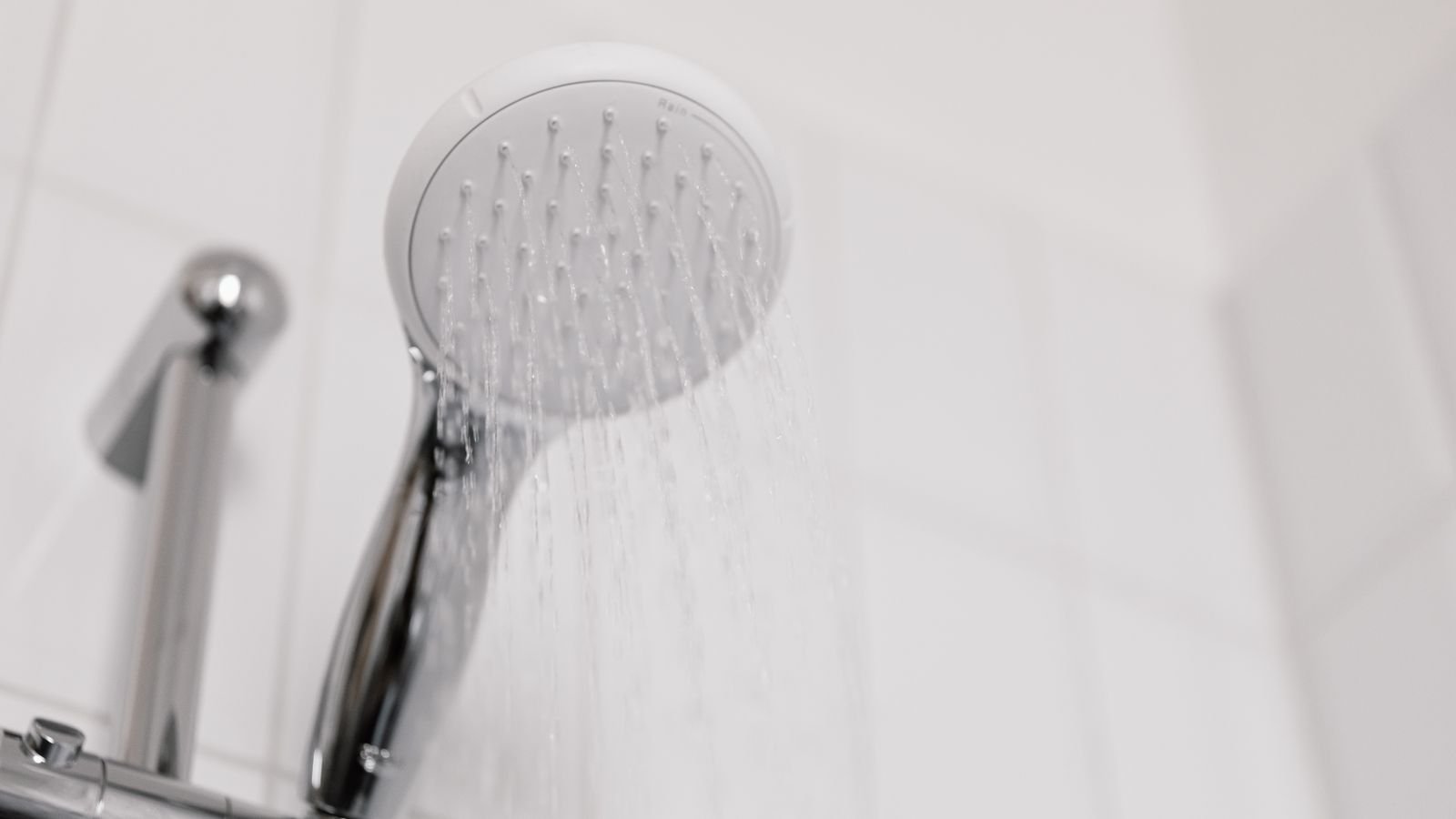
Heating a full 15-litre tank from cold uses about 0.7 units of electricity. At ₹8 a unit, that’s under ₹6 a tank, so heating one full tank a day adds roughly ₹170 a month. Most of us guess much higher.
The units are only half the story, though. The thing that worries me more every winter has nothing to do with your bill, and it’s in section 5.
⚡ Key takeaways
- Units to heat water = litres × temperature rise × 0.00116. A 15-litre tank from 20°C to 60°C needs about 0.7 units; a 25-litre one about 1.2.
- A 2,000W storage geyser takes around 20 minutes to heat a cold 15-litre tank, by that same maths. Partly warm water heats faster.
- Leaving a 25-litre geyser on all day costs mostly “standing loss”: under 0.42 units a day for a 5-star model on BEE’s test, up to 0.62 for 1-star.
- Storage geysers must now carry the ISI mark (IS 2082:2018). Use solid earthing and a 30mA RCCB on the circuit.
- Never run a gas geyser inside a closed bathroom. Its own mandatory warning says so.
How to Work Out What Your Geyser Costs
The rating sticker gives you the wattage. Storage geysers in India are usually 2,000W; small instant ones are usually 3,000W. Vijay Sales’ comparison lists a Racold 15-litre storage model at 2,000W and AO Smith and Bajaj instant models at 3,000W.
Wattage decides how fast the geyser heats, not what you pay. The bill depends on how much water you heat, and by how many degrees.
The physics fits in one line. Heating 1 litre of water by 1°C takes about 1.16 watt-hours. So:
Units used = litres × degrees of rise × 0.00116
A 15-litre tank, from 20°C tap water to 60°C, is 15 × 40 × 0.00116 = about 0.7 units. A 25-litre tank needs about 1.16 units. In a north Indian January, the tap water starts colder, so the same tank takes a bit more.
Why heating time and units are linked
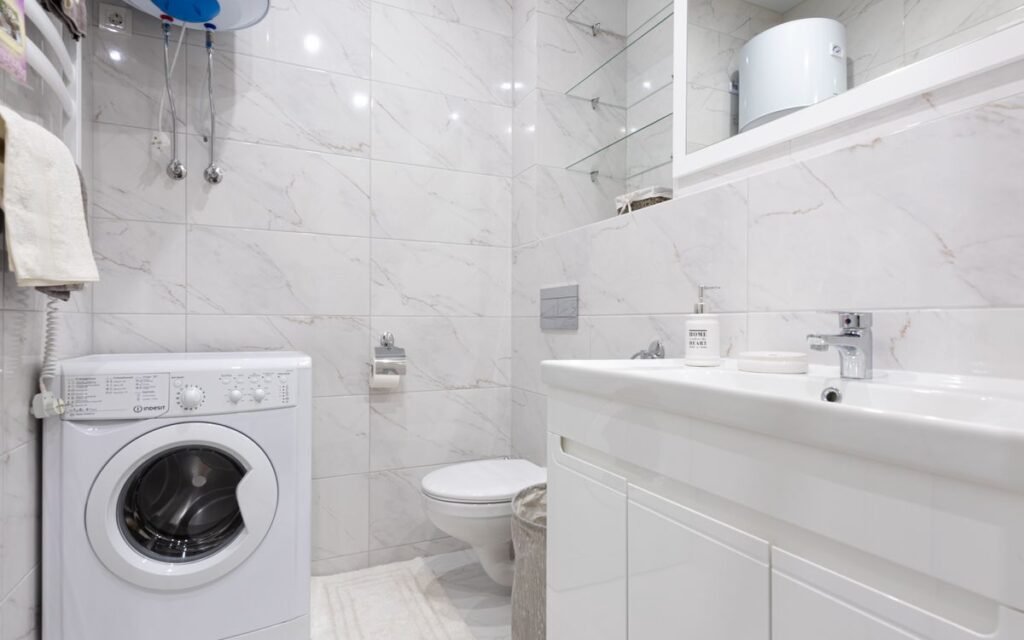
A 2,000W geyser turns 2 units an hour into heat. So 0.7 units takes about 21 minutes from a fully cold tank.
Retail guides often quote 5 to 10 minutes. That’s possible when the tank is already partly warm or set lower, but not from cold water to 60°C, by the numbers above.
If yours takes much longer than this, the heating element may be scaled up with deposits. That’s a service call, not a bill problem.
Geyser Bill Maths: Instant vs Storage
These are my own estimates using the formula above, at ₹8 a unit for 30 days. Your rate and water temperature will move them, so treat them as a guide.
| How you use it | Units per day | Units per month | Cost at ₹8/unit |
|---|---|---|---|
| 3,000W instant, 10 minutes a day | 0.5 | 15 | ₹120 |
| 15 L storage, one full heat a day | 0.7 | 21 | ₹168 |
| 15 L storage, two full heats a day | 1.4 | 42 | ₹336 |
| 25 L storage, two full heats a day | 2.3 | 70 | ₹560 |
| 25 L left on all day (5-star, standing loss only) | up to 0.42 | up to 13 | up to ₹101 |
Compare that with a 2,000W room heater running 4 hours a night, which adds about 240 units a month. Our room heater running cost guide has that table. The water heater looks like the scarier appliance, but it’s often the cheaper one.
The instant geyser catch
A 3,000W instant geyser heats water as it flows. By the same maths, it can raise about 1.4 litres a minute by 30°C.
That’s fine for a kitchen tap or a quick bucket, but a trickle for a shower in a cold Shimla morning. Vijay Sales also suggests instant units for one or two people and small bathrooms, and storage for families with back-to-back baths.
💡 Pro tip
Fill a bucket instead of standing under the shower. You control exactly how many litres you heat, and the bucket bath is already how most Indian families bathe.
 Also readRoom Heater Running Cost: What 4 Hours a Day Adds to Your Bill
What the BEE Star Rating Really Saves
Most buyers assume the stars mean faster heating. They don’t. The label on a storage geyser measures standing loss: the energy a full, switched-on tank uses over 24 hours just to keep its water hot when nobody draws any.
The energy team at Chennai’s Citizen consumer and civic Action Group (CAG) explains it as kWh lost per 24 hours at a 45°C difference between the water and the room. Lower loss means better insulation, and more stars.
BEE’s scheme covers electric storage geysers from 6 to 200 litres. Instant geysers don’t get a star rating.
VSC Times reproduces BEE’s table valid from 1 July 2026 to 31 December 2027. Two common sizes:
| Size | 5-star (best) | 3-star | 1-star (worst allowed) |
|---|---|---|---|
| 15 L | 0.346 kWh/day or less | 0.381 to 0.419 | 0.461 to 0.507 |
| 25 L | 0.423 kWh/day or less | 0.465 to 0.511 | 0.562 to 0.618 |
The gap between the best 5-star and the worst 1-star 25-litre geyser is about 0.2 units a day. Over a month that’s around 6 units, or roughly ₹50 at ₹8 a unit, if you keep it switched on round the clock.
So is a 5-star geyser worth it? Yes, if the price gap is small, because it pays back over 8 to 10 winters.
But don’t pay ₹3,000 extra for the stars alone. The bigger saving is in how you use it, which is the next section.
Four Habits That Cut the Geyser Bill
- Set the thermostat to around 60°C, not maximum. The CAG energy team calls 60°C the ideal setting. It adds that every 12°C lower can save 3% to 5% on water-heating costs. Most of us mix scalding water with cold anyway.
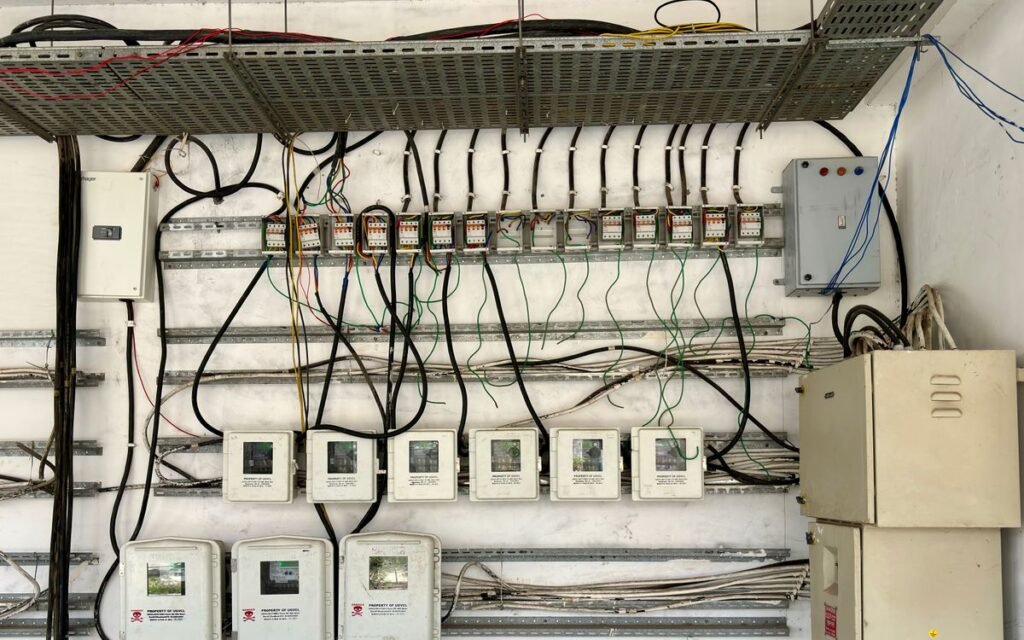
- Use a timer, not memory. Switch on 20 to 25 minutes before the first bath and off after the last. A geyser-rated smart plug or a timer switch does this for you. Our smart home devices list covers some options; check the plug’s amp rating before you buy one for a 2,000W load.
- Match the size to the family. A 25-litre tank for one person means heating 10 litres you never use. A 15-litre tank in a family of five means reheating twice.
- Fix the slow drip and insulate exposed pipes. Hot water that leaks or cools in a long pipe on an outside wall is units down the drain.
Notice what’s missing: “turn it off between baths to save money”. It helps, but on a well-insulated tank it saves only part of that 0.4-unit standing loss.
Switch it off anyway, for safety reasons. The next two sections explain why.
Gas Geysers: The Winter Risk That Isn’t About Money
Every winter, Indian newspapers carry the same tragedy. A child or young woman is found unconscious in a bathroom with an LPG or PNG geyser running and the window shut.
Consumer-safety writer Pushpa Girimaji listed several such deaths in The Tribune in February 2025. They came from Ghaziabad, Punjab, Gujarat and Aligarh within a few weeks of each other.
The cause is carbon monoxide. In a small closed bathroom, the burner uses up the oxygen, burning becomes incomplete, and CO builds up. It has no colour, smell or taste.
A 2018 quality control order made gas geysers subject to BIS rules from 2019. Girimaji notes they must shut off after 20 minutes of continuous use. They must cut the gas if the water stops, and carry a warning: for use in well-ventilated areas only, not in closed bathrooms.
⚠️ Watch out
If you have a gas geyser, install it outside the bathroom, on a balcony or in an open utility area, with its exhaust pipe leading outside. If it must stay near the bathroom, keep a window or exhaust fan open while it runs, and fit a carbon monoxide alarm. India TV’s January 2026 safety guide gives the same advice.
The NHS lists gas appliances among the main sources of carbon monoxide. It advises a CO alarm in rooms with gas appliances and regular servicing by a qualified engineer. If you ever suspect a leak, turn off the appliance if it’s safe to, get everyone out into fresh air, and get medical help at once.
Honestly, if you’re buying new and have the choice, pick an electric or solar heater. Girimaji says the same.
 Also readMixing Cleaning Products: The Diwali Combo That Makes Toxic Gas
Electric Geyser Safety: Five Checks Before Winter
Electric water heaters don’t make carbon monoxide, but water and electricity in one room need respect.
Look for the ISI mark
Storage-type electric geysers must meet IS 2082:2018 and carry the ISI mark. Agile Regulatory’s June 2026 summary says this is mandatory under the “Electrical Appliances for Domestic Water Heating” quality control order, from 1 March 2025. You can check a product’s licence in a minute; our guide to the BIS Care app shows how.
Earthing and a 30mA RCCB
India TV’s guide calls for solid earthing and an MCB on the geyser circuit. An MCB protects the wiring from overload. It doesn’t protect you from a shock.
For that you need an RCCB (sometimes still called an ELCB). It watches for current leaking to earth, for example through a faulty element into the tank and taps, and cuts power within milliseconds.
A Studio Matrx guide from July 2026 notes that 30mA is the rating meant for protecting people. The 100mA and 300mA ones are for fire protection.
The rest of the checklist
- Switch the geyser off before you step in to bathe. India TV lists this as a basic rule.
- Get it serviced once a year. An electrician should check the element, thermostat, earthing and rust.
- Never ignore a tingle. A mild shock from a tap or the geyser body means a leakage or earthing fault. Switch it off at the MCB and call an electrician before anyone bathes again.
If your new water heater came with an extended warranty pitch at the shop, our take on whether extended warranties are worth it applies here too.
✅ Our verdict
For a family, a 15-litre (or 25-litre for five or more) ISI-marked storage geyser at 60°C on a timer is the cheap, sensible choice. The star rating saves about ₹50 a month at most, so pay a little extra for it, not a lot. Spend the real money on a 30mA RCCB, and keep gas geysers out of closed bathrooms.
Frequently Asked Questions
How many units does a geyser use in one hour?
A 2,000W geyser uses 2 units an hour while its element is on, and a 3,000W instant one uses 3. But a storage geyser’s thermostat switches off once the water is hot, so it rarely runs a full hour. Heating a full 15-litre tank from cold takes about 0.7 units.
Does keeping the geyser on all day increase the bill a lot?
Less than people think. On BEE’s test, a 25-litre 5-star geyser loses 0.423 kWh a day or less keeping water hot. Still, switch it off when not in use and before bathing, for safety.
Is a 5-star geyser worth buying?
Yes, if it costs only a little more. The saving over a 1-star model of the same size is around 6 units a month if left on all day, so don’t pay a big premium for the stars alone.
What temperature should I set my geyser to?
Around 60°C. The CAG energy team calls that the ideal setting, and each 12°C lower saves 3% to 5% on heating costs.
Is a gas geyser safe in the bathroom?
Not in a closed one. Gas geysers must carry a warning that they are for well-ventilated areas only. Install yours outside the bathroom with an exhaust pipe, keep ventilation open, and fit a CO alarm.
The Bottom Line
A water heater costs less to run than most families fear: under ₹6 to heat a 15-litre tank at ₹8 a unit. Set it to 60°C, put it on a timer, and choose the size your family actually needs. Then spend five minutes on safety: check for the ISI mark and a 30mA RCCB, and if there’s a gas geyser at home, move it out of the bathroom.
Keep reading
Read nextRoom Heater Running Cost: What 4 Hours a Day Adds to Your Bill Read nextFake Charger or Original? Check It in 2 Minutes With BIS Care
 Read nextWinter Dry Skin: The Hot-Water Bath Habit Making It Worse
Sources
- VSC Times: BEE star rating table for storage water heaters, valid 1 July 2026 to 31 December 2027
- CAG (Citizen consumer and civic Action Group): electric water heaters, standing loss, 60°C setting and savings
- Vijay Sales: instant vs storage geysers, wattage and use cases (Nov 2025)
- The Tribune (Pushpa Girimaji): gas geyser deaths, 2018 quality control order, safety advice (Feb 2025)
- India TV: water heater safety precautions (Jan 2026)
- Agile Regulatory: ISI mark for storage water heaters under IS 2082:2018 (Jun 2026)
- Studio Matrx: RCCB and RCBO guide, 30mA for personal protection (Jul 2026)
- NHS: carbon monoxide poisoning, causes and prevention