Til in winter is worth keeping: one tablespoon of whole sesame seeds has about 88 mg of calcium, plus iron, magnesium and fibre, for around 50 calories. Eat it whole, a tablespoon or two a day, and watch the jaggery that usually comes with it.
But the white, polished til most of us buy for ladoos has lost almost all of that calcium. Section 3 shows how much, and why even whole seeds give your body less than the label number suggests.
⚡ Key takeaways
- One tablespoon (9 g) of whole til: about 52 kcal, 88 mg calcium, 1.3 mg iron and 32 mg magnesium (USDA data).
- Hulled (polished) til has only about 5 mg calcium per tablespoon. The calcium sits mostly in the outer skin.
- Absorption is low: a lab study found only 2-7% of sesame’s calcium was in an absorbable form, mainly because of oxalate. Til is not a milk substitute for calcium.
- Blood pressure: two meta-analyses of small trials found modest drops with sesame. Promising, not proven.
- Practical amount: 1-2 tablespoons a day. Ladoos, chikki and gajak count as sweets because of the jaggery.
- Skip or ask your doctor if you have a sesame allergy or are on a strict calorie plan.
Why Til in Winter Is an Indian Kitchen Habit
From November to Makar Sankranti, til turns up everywhere. Til-gud ladoos in Maharashtra, gajak in the north, ellu urundai in Tamil Nadu, chikki on every railway platform. Grandparents call it “garam”, a food that warms the body.
That warming idea comes from tradition, and I couldn’t find a trial that measured it. What sesame does have is plenty of fat and calories, so a ladoo gives you quick energy on a cold morning, which is part of why til in winter became a habit. Whether that feels “warm” is up to you.
The nutrition, though, is real and easy to check. Sesame is listed in the USDA food database in two forms: whole seeds, and hulled kernels. That split matters more than anything else about til in winter, because the two are completely different foods for calcium.
Every family WhatsApp group has a forward saying “til is good for bones”. It’s half right, and the half that’s wrong is the bit that matters.
What One Tablespoon of Til Actually Gives You
Here are the numbers per tablespoon, calculated from USDA FoodData Central’s per-100 g values (9 g for whole seeds, 8 g for hulled kernels, the portion weights USDA lists).
| Per tablespoon | Whole til (unhulled) | Hulled til (polished) |
|---|---|---|
| Energy | ~52 kcal | ~50 kcal |
| Calcium | ~88 mg | ~5 mg |
| Iron | ~1.3 mg | ~0.5 mg |
| Magnesium | ~32 mg | ~28 mg |
| Protein | ~1.6 g | ~1.6 g |
| Fibre | ~1.1 g | ~0.9 g |
For context, ICMR-NIN’s 2020 recommended dietary allowance for calcium is 1,000 mg a day for adults, as summarised in a 2021 review in Frontiers in Endocrinology. One tablespoon of whole til covers under a tenth of that on paper.
A cup of whole milk (244 g) has about 276 mg of calcium, also per USDA. So even on paper, you’d need about three tablespoons of whole til to match one cup of milk. That’s roughly 155 calories of til, mostly fat.
Magnesium is the number I’d actually care about. About 32 mg per tablespoon is a useful top-up, and hulling barely touches it.
 Also readJaggery vs Sugar: Is Gur Really Healthier? What NIN Says
The Calcium Catch: Hulled Til and Oxalate
⚠️ Watch out
The bright white, polished til sold for ladoos is usually hulled. USDA lists hulled kernels at 60 mg calcium per 100 g against 975 mg for whole seeds. Hulling throws away about 94% of the calcium.
Why does it happen? Most of sesame’s calcium is in the seed coat, and a big share of it is bound as calcium oxalate. That brings the second problem: oxalate holds on to calcium in the gut, so your body can’t use much of it.
A 2004 study in the Journal of Food Composition and Analysis tested this in the lab. Researchers in Thailand simulated digestion for white and black sesame seeds and found only 2-7% of the calcium was dialysable, which is the lab stand-in for “available to absorb”. The authors linked low availability in foods like sesame to high oxalate, and noted sesame is also rich in phytate and fibre.
Two honest caveats. This was a lab model, not a study in people, and I couldn’t find a human trial that measured calcium absorption from sesame directly. But the direction is clear enough: til is a poor main source of calcium, whatever the forwards say.
What to do with that
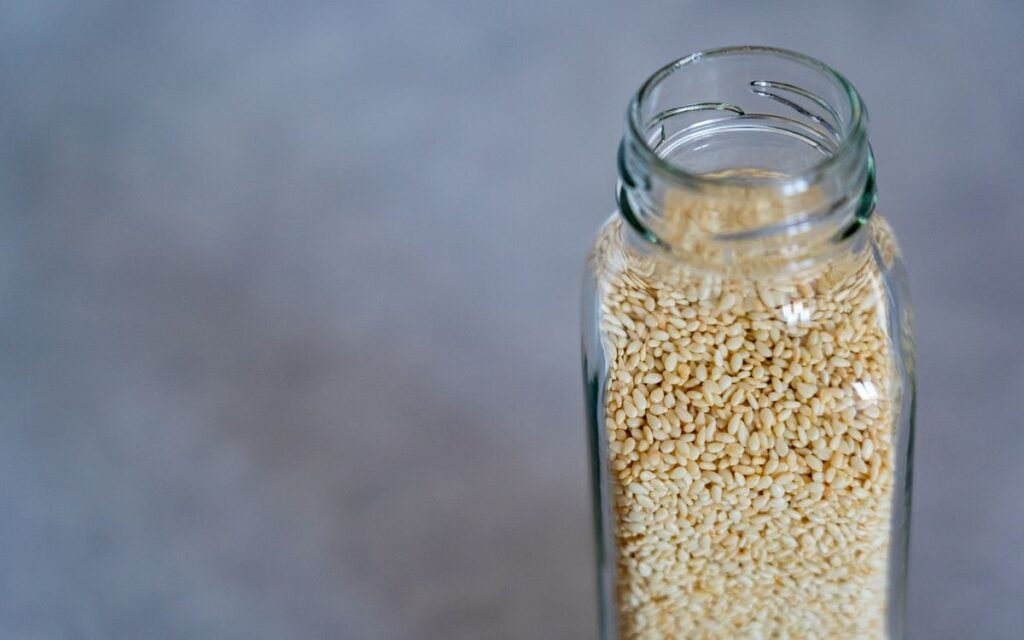
- Buy whole (unhulled) til if calcium is your reason. It’s slightly darker, beige or black, and less shiny.
- Don’t count til towards your daily calcium the way you’d count milk, curd or paneer.
- For a plant source that does better, ragi is a stronger pick. Our millets in winter guide has the numbers.
Til in Winter and Blood Pressure: What Trials Found
Blood pressure is where the research gets more interesting. Sesame has unsaturated fats, fibre and lignans such as sesamin, and researchers have tested whether it moves blood pressure.
A 2017 meta-analysis in the Journal of the Science of Food and Agriculture pooled eight controlled trials with 843 participants. Sesame lowered systolic pressure by about 7.8 mmHg and diastolic by 5.8 mmHg. But the trials disagreed with each other a lot. When the authors kept only the four better-quality trials, the systolic drop shrank to about 3.2 mmHg and the diastolic drop was no longer significant.
A 2026 meta-analysis in the International Journal of Medical Sciences pooled 10 randomised trials with 441 people. It also found lower systolic and diastolic pressure, but no significant pooled effect on total cholesterol, LDL, HDL or triglycerides. The authors flagged short trials, possible publication bias and mixed forms of sesame: seeds, tahini, oil and sesamin capsules.
| What was tested | Doses used in trials |
|---|---|
| Sesame seeds | 25-60 g a day |
| Tahini (sesame paste) | 28 g a day |
| Sesame oil | 30 ml a day |
| Sesamin capsules | 60-200 mg a day |
My read: a small blood pressure benefit is plausible, and cholesterol claims are weak. And note those seed doses. Twenty-five grams is nearly three tablespoons a day, far more than a sprinkle on your sabzi. If you’re on blood pressure medicine, til is a food to enjoy, not a swap for your tablets.
Til Ladoo, Chikki and Gajak: The Sugar Math
Most of us don’t eat til plain. We eat it stuck together with jaggery, as ladoo, chikki, gajak or rewri, and nobody ever forwards the sugar part.
Jaggery is still sugar. The WHO counts sugars “added to foods and drinks by the manufacturer, cook or consumer” as free sugars, and recommends keeping them under 10% of daily energy, ideally under 5%, which is roughly 25 grams or six teaspoons a day. Gur in a til ladoo counts towards that, just like white sugar would. Our jaggery vs sugar check goes into why gur isn’t the free pass it’s sold as.
I’m not giving you a per-ladoo sugar figure, because home recipes and shop gajak vary too much. Two practical rules work better:
- Packaged chikki or gajak: check “Total sugars” and “Added sugars” per 100 g on the label. If sugar is the first ingredient, it’s a sweet with seeds in it.
- Home ladoos: treat one small ladoo as your sweet for the day, not as a health food you can eat four of.
💡 Pro tip
Want the til without the gur? Dry-roast a tablespoon of whole sesame for two minutes and sprinkle it on dal, poha, curd rice or a winter salad. Roasting brings out the nutty taste, and USDA’s numbers for roasted whole seeds are almost the same as for raw.

Til in Winter: How Much a Day and Best Ways to Eat It
There’s no official “til per day” number, so here’s a practical range rather than a rule. For most adults, one to two tablespoons of whole til a day (about 50-105 kcal) gives you the magnesium, some iron and the flavour without loading calories.
Easy ways to use whole til
- Chutney: til-peanut or til-coconut chutney with idli or dosa.
- Tadka: a teaspoon in the tempering for aloo, bhindi or palak.
- On top: roasted til on curd, raita, salads or roti dough.
- Tahini-style paste: grind roasted til with a little oil and lemon for a dip.
Grind or chew
Whole seeds are tiny and some pass through undigested if you swallow them without chewing. Grinding them into chutney or paste is an easy fix. That’s common kitchen advice rather than something I found a trial on, so take it as a practical tip.
Pair it sensibly
Til works well alongside the other winter foods Indian homes already use. If you’re stocking up on nuts too, our guide to how many almonds and dry fruits a day helps you keep the total calories in check, because seeds and nuts add up quickly.
 Also readHow to Read Food Labels in India: A 60-Second Pack Check
White Til or Black Til, and Who Should Be Careful
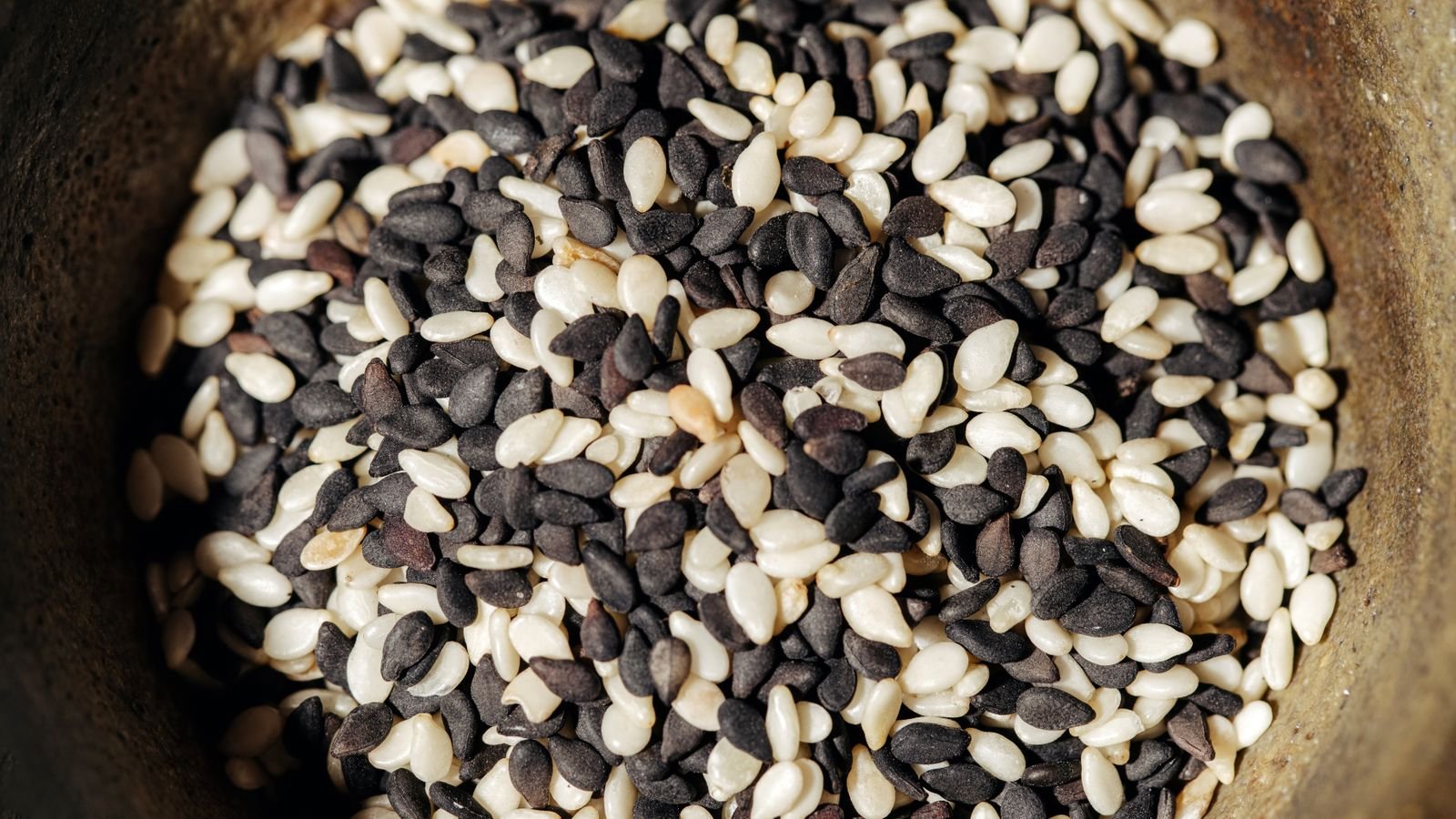
Black til is usually sold unhulled, which is why it often gets credit for more calcium. The real difference is hulled versus unhulled, not the colour. USDA doesn’t split its sesame data by colour, and the 2004 lab study found low calcium availability in both white and black seeds. Buy whichever you like, as long as it’s whole.
Who should go easy
- People with a sesame allergy. In the US, the FDA made sesame the ninth major food allergen under the FASTER Act, with labelling required from 1 January 2023. If you’ve ever reacted to sesame, avoid til completely and ask a doctor before trying it again.
- Anyone counting calories. Til is about half fat by weight. Three tablespoons alone come to about 155 kcal, before any ladoo.
- People with diabetes. Plain til in winter is fine for most, but til-gud sweets carry the jaggery. Our World Diabetes Day habits guide covers sweets more broadly.
- People told to watch oxalate. If a doctor has asked you to limit high-oxalate foods, check with them before eating til daily.
✅ Our verdict
Keep til in your winter kitchen, but buy it whole and eat it as a seed, not mostly as a sweet. One to two tablespoons a day is a sensible, tasty habit. Don’t rely on it for calcium; milk, curd, paneer and ragi do that job better.
This article is for information only and is not medical advice. Please consult a doctor or a registered dietitian before making big changes to your diet, especially if you have a medical condition, an allergy or take regular medicines.
Frequently Asked Questions
Is til good for bones in winter?
Whole til contains a lot of calcium on paper, about 88 mg per tablespoon. But a lab study found only 2-7% of it was in an absorbable form, and hulled til has very little to begin with. Til is a nice extra, not your main bone food.
How much til should I eat a day?
There’s no official limit. One to two tablespoons of whole seeds a day (around 50-105 kcal) is a practical amount for most adults. Trials that tested blood pressure used 25-60 g a day, which is much more.
Is black til better than white til?
Not because of colour. Black til is usually unhulled, so it keeps the seed coat where most calcium sits. Unhulled white til is just as good. Polished, very white til has lost most of its calcium.
Are til ladoos healthy?
They’re a sweet. The til brings magnesium and fat, but the jaggery is free sugar under WHO’s definition. Enjoy one as your daily sweet rather than calling it a health snack.
Does til keep the body warm in winter?
That’s a traditional belief. I couldn’t find a study that measured it. Til is calorie-dense, so it gives quick energy, which may be why til in winter feels warming.
The Bottom Line
Til in winter is a good habit when it’s whole seeds in your chutney, tadka or curd, a tablespoon or two a day. It’s a weaker calcium source than people think, and the ladoo is mostly a sweet. Next time you shop, pick unhulled til and check the chikki label before it goes in the cart.
Keep reading
 Read nextAmla in Winter: How Much to Eat and the Best Way to Have It

 Read nextHow Much Ghee a Day Is OK? The Spoon Maths for Winter Meals
Sources
- USDA FoodData Central: Sesame seeds, whole, dried (FDC 170150)
- USDA FoodData Central: Sesame seed kernels, dried, decorticated (FDC 169412)
- USDA FoodData Central: Milk, whole, 3.25% (FDC 171265)
- Kamchan et al., 2004, J Food Compos Anal: In vitro calcium bioavailability of vegetables, legumes and seeds
- Khosravi-Boroujeni et al., 2017, J Sci Food Agric: Can sesame consumption improve blood pressure? (meta-analysis)
- Kuo et al., 2026, Int J Med Sci: Sesame supplementation and cardiometabolic risk factors (meta-analysis)
- Harinarayan et al., 2021, Front Endocrinol: Modern India and dietary calcium deficiency (ICMR-NIN 2020 RDA)
- US FDA: FASTER Act, sesame is the ninth major food allergen
- WHO: guideline on free sugars intake for adults and children