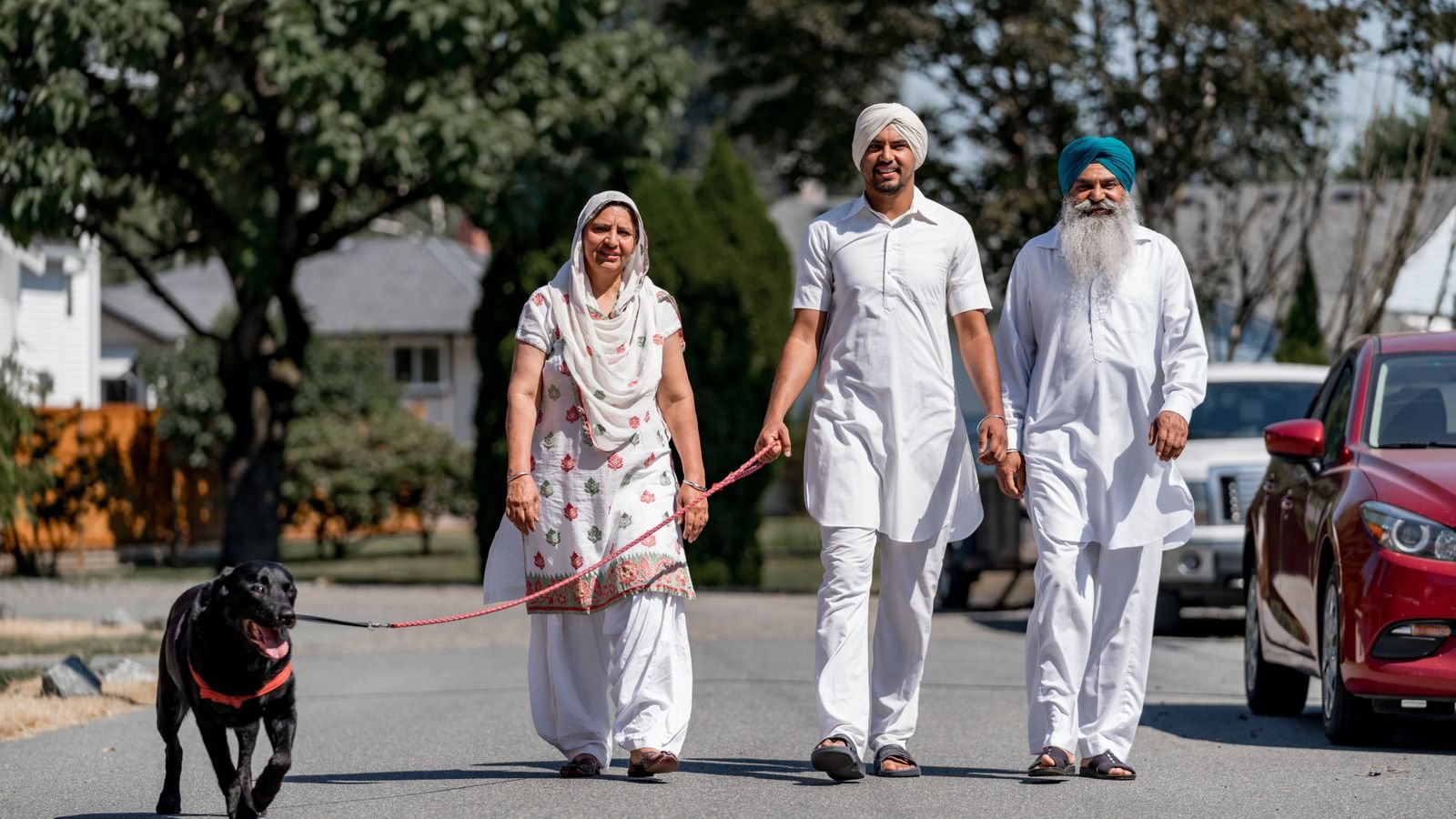
Today is World Diabetes Day 2026, and the theme for this year and next is “Early Action on Diabetes”. For Indian families that’s not a slogan. A national ICMR study estimated about 101 million Indians had diabetes and another 136 million had prediabetes, and large trials show daily habits can lower the risk of type 2.
So here are seven habits that fit an ordinary Indian day, with the research behind each. One popular swap, atta or millet flour instead of white rice, did less than most people expect in a big 2025 Indian study. That’s in section 3.
⚡ Key takeaways
- IDF’s World Diabetes Day theme for 2026–27 is “Early Action on Diabetes”: find it early and reduce risk.
- ICMR-INDIAB put India at about 101 million people with diabetes and 136 million with prediabetes.
- In the Indian Diabetes Prevention Programme, lifestyle advice cut the 3-year risk of type 2 by 28.5% in people at high risk.
- The biggest food lever is portion: ICMR-NIN says no more than 45% of calories from cereals and millets.
- Walk 10 minutes after meals, cut sugar in drinks, sleep well, and check your waist against half your height.
World Diabetes Day 2026: What “Early Action” Means for Your Family
The International Diabetes Federation has picked a two-year theme for 2026 and 2027: Early Action on Diabetes. It has two halves. One is spotting diabetes early through screening. The other is reducing risk before it starts.
This post is about the second half, the part you control at home. IDF says 1 in 8 people worldwide are at high risk of type 2. It also names the hurdles honestly: city life, air pollution, few chances to be active, and cheap unhealthy food. That’s a pretty good description of a Delhi or Mumbai winter.
India’s own numbers come from the ICMR-INDIAB study, published in The Lancet Diabetes & Endocrinology in 2023. It surveyed 113,043 adults across 31 states and union territories.
| ICMR-INDIAB finding | Share of adults | Approx. people (2021 estimate) |
|---|---|---|
| Diabetes | 11.4% | 101 million |
| Prediabetes | 15.3% | 136 million |
| Abdominal obesity (fat around the waist) | 39.5% | 351 million |
The absolute numbers are as reported by ThePrint. The line that stays with me is the prediabetes one. In most families, someone at the dinner table is in that 136 million and doesn’t know it.
Do Lifestyle Changes Actually Work? What the Trials Found
Yes, and the strongest evidence for India comes from India.
The Indian Diabetes Prevention Programme, run in Chennai, followed 531 adults who already had raised sugar levels after a glucose test. Over three years, 55% of the group with no extra help developed type 2. In the group given lifestyle advice, it was 39.3%. That’s a 28.5% relative drop, and the researchers worked out that about one case was prevented for every 6.4 people advised.
The US Diabetes Prevention Program went further with a structured plan. Its goals were simple: lose at least 7% of body weight and do at least 150 minutes of activity a week. The lifestyle group cut new cases by 58% compared with placebo.
| Study | Who took part | Lifestyle result |
|---|---|---|
| Indian Diabetes Prevention Programme (2006) | 531 Chennai adults at high risk | 28.5% lower risk over 3 years |
| Diabetes Prevention Program, US (2002) | 3,234 adults at high risk | 58% fewer new cases |
What this means for you
Both trials were done in people already at high risk, so don’t read them as a promise for everyone. But the direction is clear. ICMR-NIN’s 2024 dietary guidelines say a healthy diet and physical activity can prevent up to 80% of type 2 diabetes, as The South First reported.
💡 Pro tip
The Indian trial used advice, not a gym or a diet plan. Small, steady changes that a whole family can keep up beat a dramatic January resolution that’s gone by February.
 Also readWalking After Meals: What a 10-Minute Walk Does for Your Body
Habit 1: Shrink the Rice and Roti, Grow the Dal and Sabzi
This is the open loop from the top, and it surprised me.
A 2025 ICMR-INDIAB analysis in Nature Medicine, covering 121,077 adults, found Indians get about 62% of their calories from carbohydrates. Protein was only about 12%. The study, as Down To Earth reported, linked refined cereals and even milled whole grains with higher odds of type 2.
Now the catch. Swapping 50 g of refined cereal for the same amount of whole wheat or millet flour was not linked to lower risk. What did help, in the study’s modelling, was replacing 5% of calories from carbs with protein from plants, dairy, eggs or fish.
⚠️ Watch out
Switching from white rice to atta or ragi flour, while eating the same heap, is not the fix many families think it is. The amount of cereal on the plate matters more than which cereal it is.
What the ICMR-NIN plate says
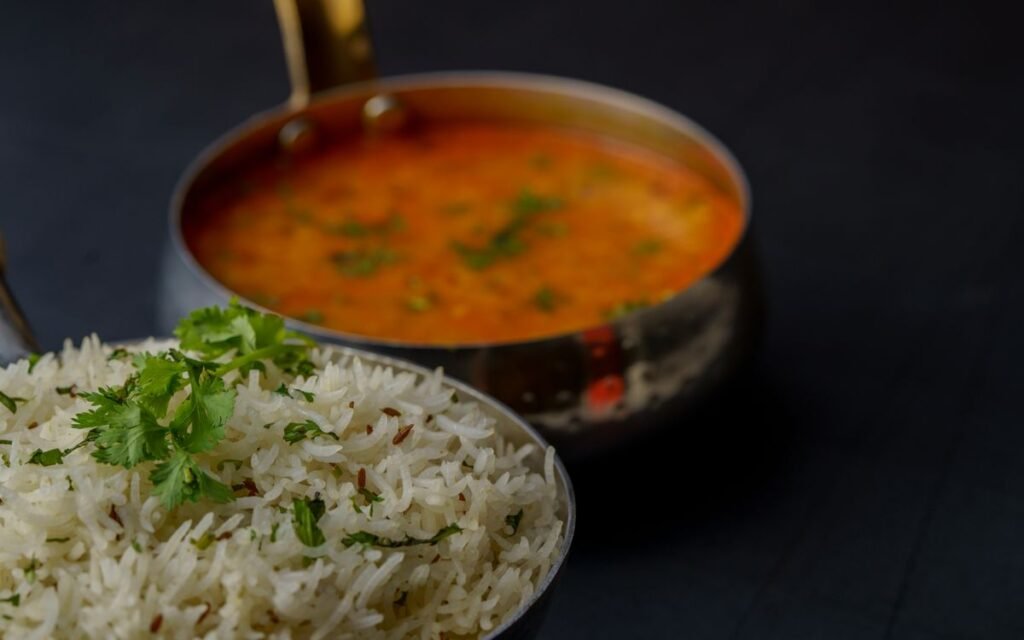
The 2024 guidelines say no more than 45% of calories should come from cereals and millets, and up to 15% from pulses, beans and meat. The rest should come from vegetables, fruit, nuts and milk.
In a normal thali, that looks like this:
- Half the plate: sabzi, salad and greens.
- A quarter: rice or roti. One roti less than usual is a good start.
- A quarter: dal, rajma, chana, paneer, curd, egg or fish.
Millets still earn a place for fibre and variety. Our millets in winter guide covers which to pick. Just don’t eat twice as much bajra roti because it’s “healthy”. For more protein ideas, see how much protein you need on an Indian veg diet.
Habit 2: Watch the Sugar You Drink, Including Chai
Sugar you drink slips past you, because it doesn’t feel like food.
ICMR-NIN’s guidelines say added sugar should be less than 5% of your daily energy. On a 2,000-calorie day, that’s about 100 calories, or roughly 25 g of sugar (my maths, at 4 calories a gram). The Nature Medicine study found 21 states and union territories already go past that limit.
Now look at a normal day. At about 4 g a teaspoon, three cups of chai with two spoons each come to roughly 24 g. That’s the whole day’s budget before a single biscuit or mithai. Our chai cups guide has the full breakdown.
Packaged drinks are worse. A 2015 BMJ meta-analysis of 17 cohorts linked each daily serving of a sugar-sweetened drink to an 18% higher incidence of type 2. That figure was 13% after accounting for body weight. It’s an association, not proof of cause, but it’s a consistent one.
| Drink | Swap it for |
|---|---|
| Chai with 2 spoons of sugar | Cut to 1 spoon this week, half next month |
| Cola or packaged juice | Water, plain chaas or nimbu paani with little or no sugar |
| Sweet lassi | Salted chaas |
| Gur in chai | Treat it as sugar; it counts the same |
On that last row: gur still counts as added sugar, however wholesome it feels. Learning to spot “added sugars” on a pack helps too, and our food label guide shows where to look.
Habit 3 and 4: Walk After Meals and Sit Less
Two of the cheapest habits on this list need nothing but your legs.
Walk for 10 minutes after eating
In a 2016 University of Otago trial in Diabetologia, adults with type 2 walked either 30 minutes once a day or 10 minutes after each main meal. With the after-meal walks, the rise in blood sugar after eating was about 12% lower. The difference was largest after dinner, which in most Indian homes is the biggest, latest, carb-heaviest meal.
That trial was in people who already had diabetes. Still, it’s a sensible habit for anyone, and it costs nothing. Our walking after meals guide has the full routine, including what to do on smoggy nights.
Get up from the chair
The WHO says adults should get at least 150 minutes of moderate activity a week. It also links more sedentary time with a higher incidence of type 2, and says every age group should limit time spent sitting.
- Stand up and walk for a few minutes every half hour at your desk.
- Take phone calls on your feet.
- Count steps for a week to see where you stand, then add a little each week.
💡 Pro tip
Make the dinner walk a family thing. Kids, parents and grandparents walking the colony lane together for 10 minutes is far easier to keep up than three separate exercise plans.
 Also readSitting All Day? Why 1 Hour at the Gym Doesn’t Fully Cancel It
Habit 5: Protect Your Sleep
Late nights, a phone in bed and a 6 am alarm are normal in a lot of Indian homes. The research says they matter.
A meta-analysis in Diabetes Care pooled 10 studies with 107,756 people, followed for 4 to 32 years. People who usually slept 5 to 6 hours or less had a 28% higher risk of developing type 2. Trouble staying asleep was linked to an 84% higher risk. Oddly, sleeping more than 8 to 9 hours was also linked to higher risk.
These are associations from observational studies. They don’t prove that sleep alone causes diabetes. But a steady 7 to 8 hours is good for almost everything else too.
Simple fixes that help:
- Fix a wake-up time and stick to it, even on Sunday.
- Keep the phone out of reach for the last 30 minutes before bed.
- Eat dinner a little earlier, so the after-dinner walk doesn’t push bedtime late.
Habit 6: The Tape-Measure Check at Home
You don’t need a lab for this one. You need a tailor’s measuring tape.
The UK health guidance body NICE advises keeping your waist measurement to less than half your height. It says fat around the abdomen raises the risk of conditions such as type 2 diabetes. It also notes that people of South Asian background are more prone to this kind of fat, and face higher health risk at a lower weight.
That fits India’s data. ICMR-INDIAB found abdominal obesity in 39.5% of adults, more common than overall obesity. You can look slim and still carry extra weight around the middle.
| Your height | Keep your waist under |
|---|---|
| 150 cm (4 ft 11 in) | 75 cm (29.5 in) |
| 160 cm (5 ft 3 in) | 80 cm (31.5 in) |
| 170 cm (5 ft 7 in) | 85 cm (33.5 in) |
| 180 cm (5 ft 11 in) | 90 cm (35.4 in) |
This is a self-check for habits, not a diagnosis. If your waist is over half your height, take it as a nudge to start on habits 1 to 5. Measure again in a month.
Habit 7: Make It a Family Routine, Not a Diet
Here’s my honest opinion: the habits above fail when one person does them alone. If the person trying to cut sugar is the only one drinking less-sweet chai, the old routine wins within a week.
Early action works best as a household thing. Here’s a one-week starter plan:
- Day 1: Measure everyone’s waist and height. No judgement, just numbers.
- Day 2: Cut one spoon of sugar from the family chai.
- Day 3: Add a bowl of dal, curd or a salad to dinner, and serve one roti less.
- Day 4: Start a 10-minute walk after dinner.
- Day 5: Swap the evening packaged drink for water or chaas.
- Day 6: Set a common lights-out time.
- Day 7: Look back. Keep what worked and add one more change next week.
✅ Our verdict
On World Diabetes Day 2026, the most useful thing you can do is boring and daily: less cereal and more dal and sabzi on the plate, less sugar in your cup, a 10-minute walk after meals, less sitting and better sleep. Start with the plate and the dinner walk; they give the most for the least effort.
Frequently Asked Questions
What is the World Diabetes Day 2026 theme?
The International Diabetes Federation’s theme for 2026 and 2027 is “Early Action on Diabetes”. It focuses on finding diabetes early and reducing the risk of type 2 before it starts.
Is millet roti better than wheat roti for diabetes risk?
Millets add fibre and variety, and ICMR-NIN encourages them. But a 2025 ICMR-INDIAB study found that swapping refined cereal for whole wheat or millet flour, in the same amount, wasn’t linked to lower risk. Eating less cereal overall and more protein mattered more.
How many people in India have prediabetes?
The ICMR-INDIAB study estimated about 136 million Indians had prediabetes in 2021, or 15.3% of adults. Another 101 million were estimated to have diabetes.
Does walking after dinner help prevent diabetes?
A 10-minute walk after meals lowered the after-meal rise in blood sugar more than one daily 30-minute walk in a 2016 trial. That trial was in people who already had type 2, but WHO links regular activity to lower risk of type 2 for adults in general.
What is the waist-to-height check?
Measure your waist and your height in the same unit. NICE advises keeping your waist under half your height, because fat around the middle raises the risk of type 2. It’s a habit check, not a test for diabetes.
The Bottom Line
World Diabetes Day 2026 is asking for early action, and for most Indian families that starts in the kitchen and on the colony lane. Eat less rice and roti and more dal and sabzi. Cut the sugar you drink, walk after dinner, and guard your sleep.
Tonight, take one roti less, add a bowl of dal and walk for 10 minutes after dinner. That’s a better start than any app.
This article is for information only and is not medical advice. Please consult a doctor about diabetes screening, especially if diabetes runs in your family.
Keep reading
Read nextWalking After Meals: What a 10-Minute Walk Does for Your Body Read nextHow Many Cups of Chai a Day? ICMR’s Limit, Worked Out
 Read nextMillets in Winter: Which to Eat and the Label to Check First
Sources
- International Diabetes Federation: World Diabetes Day 2026–27, Early Action on Diabetes
- Lancet Diabetes & Endocrinology (PubMed): ICMR-INDIAB national study, 2023
- ThePrint: 101 million with diabetes, 136 million with prediabetes
- Diabetologia (PubMed): Indian Diabetes Prevention Programme, 2006
- NEJM (PubMed): Diabetes Prevention Program, 2002
- The South First: ICMR-NIN Dietary Guidelines 2024 (45% cereals, under 5% sugar)
- Down To Earth: ICMR-INDIAB Nature Medicine diet study, 2025
- BMJ (PubMed): sugar-sweetened drinks and type 2 diabetes, 2015
- Diabetologia (PubMed): walking after meals trial, 2016
- WHO: physical activity fact sheet
- Diabetes Care (PubMed): sleep and type 2 diabetes meta-analysis, 2010
- NICE: keep your waist to less than half your height