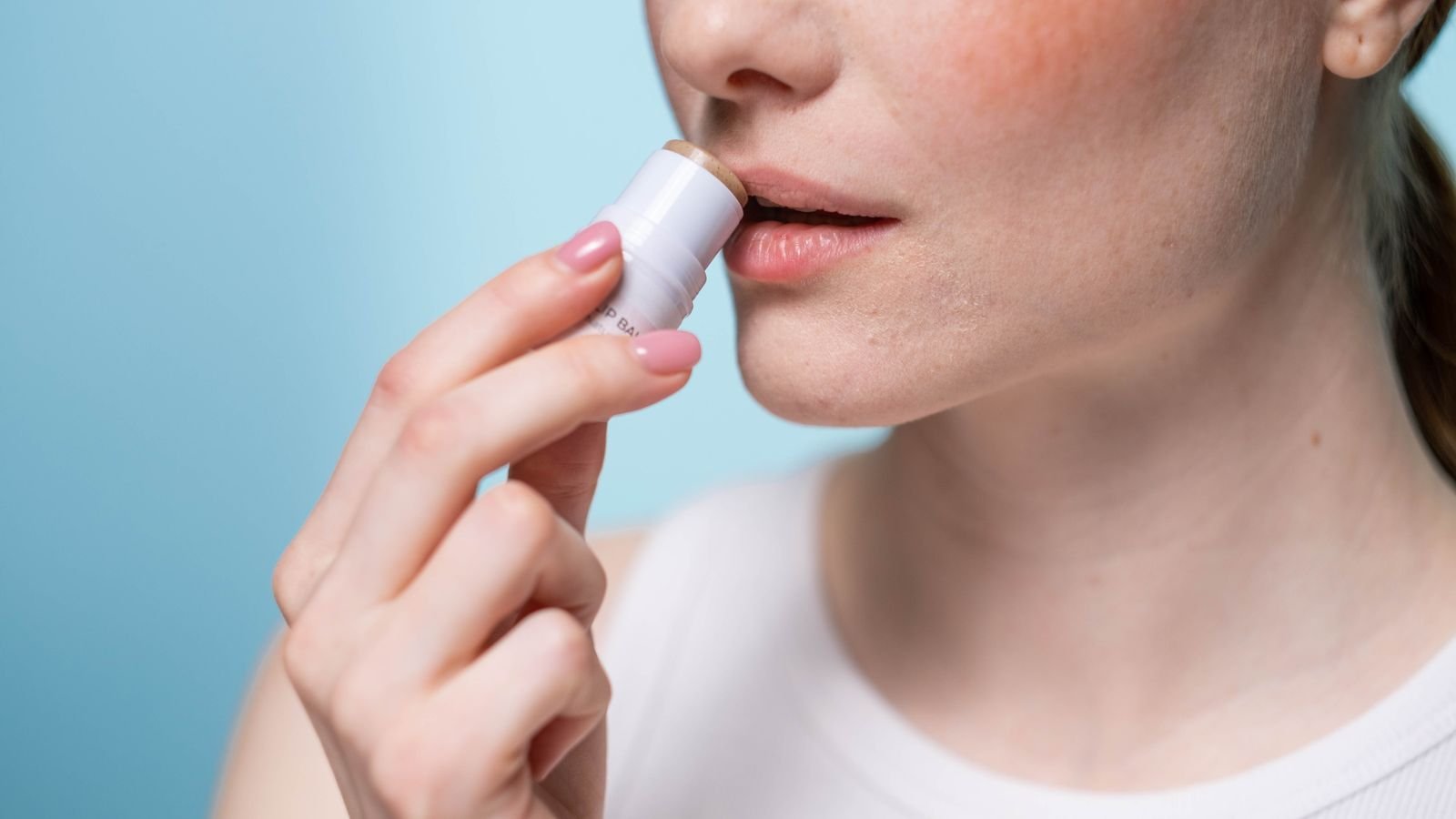
Chapped lips in winter usually get better with three boring things: a plain, unflavoured balm or petroleum jelly put on often, an SPF balm when you step out, and keeping your tongue off your lips. The American Academy of Dermatology (AAD) says most people see a difference in 2 to 3 weeks.
The surprise is that the balm in your bag might be part of the problem. That minty, cooling, strawberry-scented stick can keep the cycle going, and section 4 explains why.
⚡ Key takeaways
- Best basic fix: white petroleum jelly or a fragrance-free balm, applied several times a day and before bed (AAD).
- Skip in a lip balm: menthol, camphor, eucalyptus, fragrance and flavours like mint, cinnamon and citrus. If it tingles or stings, stop using it.
- Going out in the day: use a lip balm with SPF 30 or more that has zinc oxide or titanium oxide, even in winter.
- The habit to break: licking your lips. Saliva evaporates and leaves them drier than before.
- Desi remedies: ghee, malai and coconut oil act like any oil, but no study has tested them on lips. Plain petroleum jelly seals better.
- Time: expect visible improvement in 2 to 3 weeks of steady care.
Why Your Lips Chap Faster Than the Rest of Your Skin
Lips are built differently. Cleveland Clinic explains that lip skin is thinner and more sensitive than skin elsewhere, and lips have no oil glands of their own. So they have little built-in protection against drying out.
Now add winter. Cleveland Clinic’s dermatologists point to dry indoor and outdoor air, especially when humidity drops in the cold months, as a big reason lips lose moisture faster. Cold wind on a two-wheeler ride to office doesn’t help either.
Then there’s the room heater. A heater warms the air but adds no moisture to it, so a closed room with a heater on for hours stays dry.
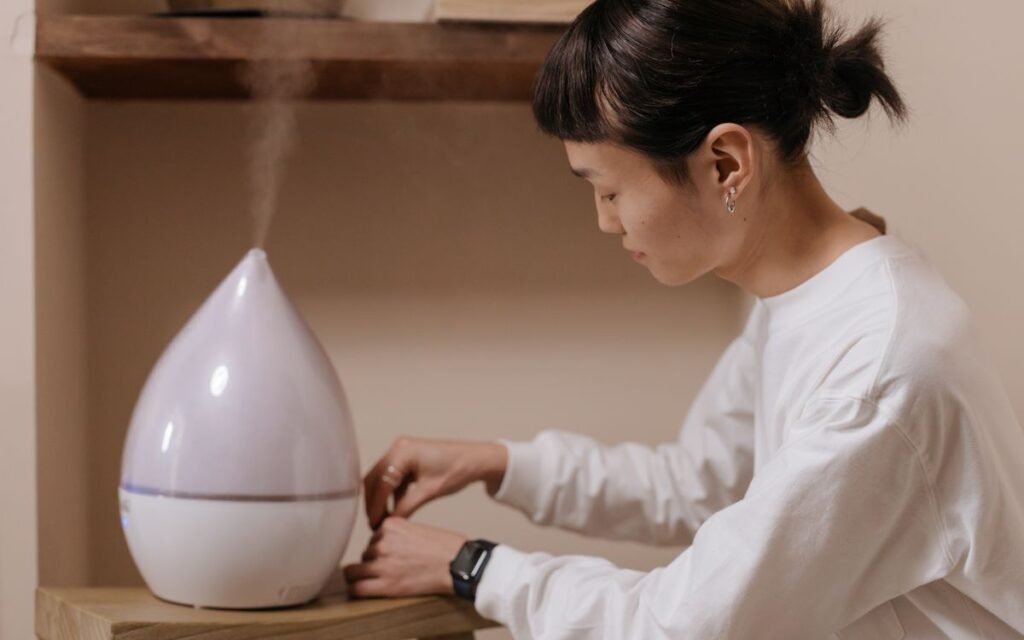
If you also breathe through your mouth at night because of a blocked nose, your lips spend eight hours in that dry air. The AAD specifically suggests a humidifier in the bedroom for people who breathe through their mouths while sleeping. Our guide to room heater running costs and safety has the safer ways to use one.

Is this the same as winter dry skin?
Partly, since the same dry air hits your hands and legs too. But body skin has oil glands and a thicker outer layer, which is why your lips often crack before your hands do. For the rest of your body, see our winter dry skin routine; this post sticks to lips.
What Actually Helps Chapped Lips in Winter
I read the AAD, Cleveland Clinic and NHS advice for this post, and they all land on the same short list. None of it is expensive.
1. Put something on, often
The AAD says to apply a non-irritating lip balm several times a day and before bed. Cleveland Clinic adds a morning coat as soon as you wake up. Keep one stick at home, one in your office bag and one in the car or scooter dicky, so you never have an excuse.
2. Use a thick ointment when they’re cracked
For badly dry, cracked lips, the AAD recommends a thick ointment like white petroleum jelly. Its reason: petroleum jelly seals in water better than waxes or oils do. NHS 111 Wales also suggests a balm with petroleum jelly or beeswax.
3. Drink enough water
Both the AAD and the NHS list staying hydrated, and Cleveland Clinic explains that when your body is short on water, it can pull moisture from the skin, lips included. In winter you feel less thirsty, so it’s easy to fall short. Our post on drinking water in winter has a simple way to check.
4. Cover up outside
Cleveland Clinic dermatologist Dr Melissa Piliang suggests covering your mouth with a scarf in cold weather. NHS 111 Wales says the same. A muffler on a bike ride is the Indian version.
💡 Pro tip
Put your balm on right after brushing your teeth at night and leave it alone. A thick layer works while you sleep, and you’re not licking it off at your desk.
 Also readWinter Dry Skin: The Hot-Water Bath Habit Making It Worse
Lip Balm Ingredients: What to Look For and What to Skip
You don’t need to read every ingredient. Look for a few good names and avoid a few bad ones. This table pulls together the lists from the AAD and Cleveland Clinic.
| Look for | Why | Skip | Why |
|---|---|---|---|
| White petroleum jelly, petrolatum | Seals moisture in; AAD’s pick for cracked lips | Menthol, camphor, eucalyptus | Can irritate dry lips; the cooling tingle is not “healing” |
| Mineral oil, castor seed oil | Oils that soften | Fragrance | A common irritant; choose fragrance-free |
| Shea butter, ceramides, dimethicone | Moisturisers listed by the AAD | Flavours: mint, peppermint, cinnamon, citrus | Irritate, and make you lick |
| Zinc oxide or titanium oxide | Sun protection in SPF balms | Salicylic acid, phenol, lanolin | Listed by the AAD as possible irritants |
What about SPF in winter?
Sun can still burn dry lips in December.
The AAD says to use a lip balm with SPF 30 or higher before going outdoors, even in winter, and to reapply every 2 hours while you’re outside. It also says to make sure the balm has zinc oxide or titanium oxide. NHS 111 Wales sets the bar a little lower, at SPF 15 or more.
My take: if you spend long afternoons outside, on a terrace, at a cricket ground or on a site visit, buy one SPF 30 balm with zinc oxide for the day. Use plain petroleum jelly at night. Two cheap products cover you.
⚠️ Watch out
“Lip balm” on the label doesn’t mean gentle. Many popular sticks contain fragrance, flavour or menthol. Turn it over and check the ingredient list before you buy.
The Lip Balm Habit Making Chapped Lips Worse
Here’s the catch from the top. If your balm tingles, smells like candy or tastes of mint, it may be keeping your lips dry.
The AAD puts it plainly: stop using any lip product that burns, stings or tingles, because that means it’s irritating your lips.
Its list of ingredients to avoid includes camphor, eucalyptus, menthol, fragrance and flavourings like cinnamon, citrus, mint and peppermint. Cleveland Clinic’s list matches. The cooling feeling many of us read as “it’s working” is often the irritation.
Then there’s the second problem: flavour. A balm that tastes nice is a balm you lick.
Dr Piliang of Cleveland Clinic explains that saliva on your lips makes them dry out faster. So you lick, they feel tighter, you put on more strawberry balm, and you lick again.
Other habits that keep lips cracked
- Peeling or biting the flakes. The AAD and NHS 111 Wales both say picking slows healing. Cleveland Clinic adds that it can cause cracks and sores.
- Holding metal in your lips. The AAD warns against holding paperclips, jewellery or other metal objects in your lips. Cleveland Clinic adds pens to that list, so stop chewing the pen cap in meetings.
- Sharing balm. NHS 111 Wales says sharing lip balm can spread germs. Siblings, take note.
- Sugar scrubs. None of the dermatology pages I read recommend scrubbing chapped lips. They all say leave the flakes alone and moisturise.
Ghee, Malai, Coconut Oil: Do Desi Remedies Work?
Most of us grew up with a dab of ghee or malai on the lips before bed, or a little coconut oil in winter. Are they doing anything?
Honestly? These are fats, so they coat the lips and soften them for a while, like any oil. But I couldn’t find a single study that tested ghee or malai on chapped lips. Anyone claiming they “cure” cracked lips is guessing.
Coconut oil has a little evidence, for skin
A 2004 trial in the journal Dermatitis compared extra virgin coconut oil with mineral oil in 34 people with mild to moderate dry skin. They applied it to their legs twice a day for two weeks.
Both oils improved skin hydration, and coconut oil worked about as well as mineral oil. That was leg skin, not lips, and a small group.
Where the desi remedies fall short
- Oils are thin. The AAD says petroleum jelly seals in moisture better than waxes or oils.
- They taste good. Ghee and malai are food. Like flavoured balm, they invite licking, and half of it ends up eaten before you fall asleep.
- Hygiene. Dipping a finger into the ghee jar every night isn’t great. NHS 111 Wales advises washing your hands before applying lip balm.
✅ Our verdict
Ghee or coconut oil is better than nothing if it’s all you have tonight. But a cheap tube of plain white petroleum jelly from the chemist does the same job better, and nobody will want to lick it.
 Also readRoom Heater Running Cost: What 4 Hours a Day Adds to Your Bill
A Simple Day-and-Night Lip Routine for Winter
Pulling the advice together, this is a routine that fits an ordinary Indian winter day. It doesn’t need anything fancy.
- Morning: after brushing, put on a plain balm. Cleveland Clinic suggests applying when you wake up.
- Before going out: switch to an SPF 30 balm with zinc oxide or titanium oxide. Reapply every 2 hours if you’re outdoors for long.
- On a bike or in cold wind: pull a scarf or muffler over your mouth.
- At your desk: keep water within reach and sip through the day. Keep the balm next to it.
- When you catch yourself licking: use the balm instead. The AAD suggests exactly this swap.
- Evening, if the heater’s on: run a humidifier if you have one, or keep the heater off when you don’t need it.
- Bedtime: a thick layer of white petroleum jelly, especially if your lips are cracked or you sleep with your mouth open.
- Check your balm: if it stings, tingles or smells of mint, retire it.
Stick to this for two to three weeks before judging. Cleveland Clinic and the AAD both say that’s the typical time for lips to recover with steady care. Changing products every few days only makes it harder to tell what’s working.
💡 Pro tip
Buy two of the same plain balm, not five flavoured ones. One stays at home, one in your bag. Fewer products means fewer things that can irritate.
Frequently Asked Questions
Why do my lips get chapped every winter?
Lips have no oil glands and thinner skin than the rest of your face, per Cleveland Clinic. Winter air holds less moisture, and heaters dry indoor air further, so lips lose water quickly. Licking them makes it worse.
Is Vaseline good for chapped lips?
Plain white petroleum jelly is one of the AAD’s recommended options for dry, cracked lips. It seals in moisture better than waxes or oils. Choose the unflavoured, unscented kind.
Is ghee good for dry lips?
Ghee is a fat, so it softens lips for a while, but no study has tested it on chapped lips. Its taste also makes people lick their lips. Plain petroleum jelly is a better choice for overnight use.
Should I use a lip balm with SPF in winter?
Yes, if you’ll be outdoors. The AAD recommends SPF 30 or higher with zinc oxide or titanium oxide, reapplied every 2 hours outside. Sun can worsen dry lips even in winter.
How long do chapped lips take to heal?
With steady care, most people notice improvement in 2 to 3 weeks, according to the AAD and Cleveland Clinic. Keep using balm after they feel better to stop them cracking again.
The Bottom Line
Chapped lips in winter come down to dry air, thin skin and a few bad habits. Switch to a plain, fragrance-free balm or white petroleum jelly, add an SPF 30 balm for the day, drink enough water and stop licking. Tonight, check your lip balm’s label, and if it says menthol, camphor or flavour, swap it.
This article is for information only; consult a doctor or dermatologist for advice about your own skin, especially if your lips don’t improve after a few weeks of care.
Keep reading
 Read nextDrinking Water in Winter: How Much You Need When Not Thirsty

 Read nextTil in Winter: How Much a Day, and Which Kind Has the Calcium
Sources
- American Academy of Dermatology: 7 dermatologists’ tips for healing dry, chapped lips
- Cleveland Clinic: Chapped lips (no oil glands, causes, ingredients to look for and avoid)
- Cleveland Clinic Health Essentials: 6 tips to protect your lips from the cold
- NHS 111 Wales: Dry lips (petroleum jelly or beeswax balm, SPF 15, scarf, don’t share balm)
- Agero and Verallo-Rowell 2004, Dermatitis: Extra virgin coconut oil vs mineral oil as a moisturizer (PubMed)