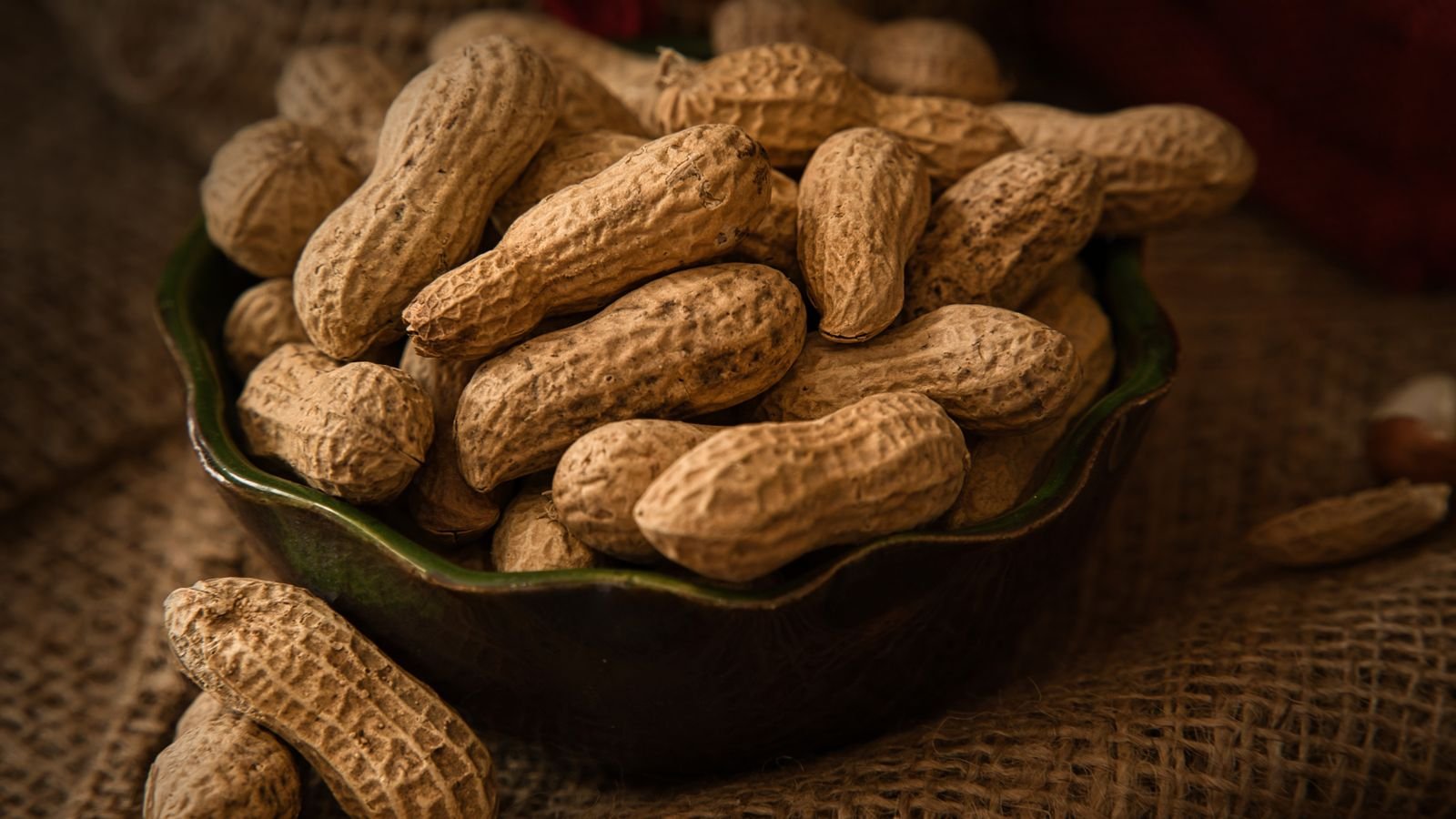
Peanuts in winter are worth eating: a 30 g handful gives you about 8 g of protein, healthy fats and vitamin E for roughly 170 calories, and Harvard researchers link regular nut and peanut eating with lower heart disease risk. The “garam” part is mostly tradition, though. Peanuts don’t heat your body any more than other calorie-dense food.
So the real questions are how much, in what form, and who should be careful. One of those risks has nothing to do with allergy, and it’s hiding in old, badly stored peanuts (section 5).
⚡ Key takeaways
- A 30 g handful of raw peanuts has about 170 kcal, 7.7 g protein, 2.6 g fibre and 2.5 mg vitamin E (USDA data).
- Harvard’s Nutrition Source says peanuts were linked with lower heart disease and stroke risk; the biggest benefit showed at about one handful, five or more times a week.
- Pick plain roasted or boiled peanuts. Salted masala peanuts and sugary chikki are treats, not daily health food.
- Skip them if anyone in the house has a peanut allergy, and never give whole peanuts to children under 5 (choking risk, says the NHS).
Why Peanuts in Winter Feel “Garam” (Tradition vs Science)
Every Indian winter has its mungfali moment. The thela outside the station roasting peanuts in hot sand, a hot paper cone in your hand, chikki after dinner on Lohri and Makar Sankranti. Our grandparents called peanuts a warming food, and most of us still believe it.
Here’s the honest part. There’s no good evidence that peanuts raise body temperature in any special way. They’re dense in calories (567 kcal per 100 g, according to USDA data), so they give you steady energy, and digesting any meal makes a little heat. That’s it.
So eat them because they’re nutritious, cheap and filling, not because they’ll replace your sweater. And if you’ve been feeling slow and sleepy this season, our post on why we feel lazy in winters covers the bigger reasons, from less sunlight to sleep.
What a Handful of Peanuts Actually Gives You
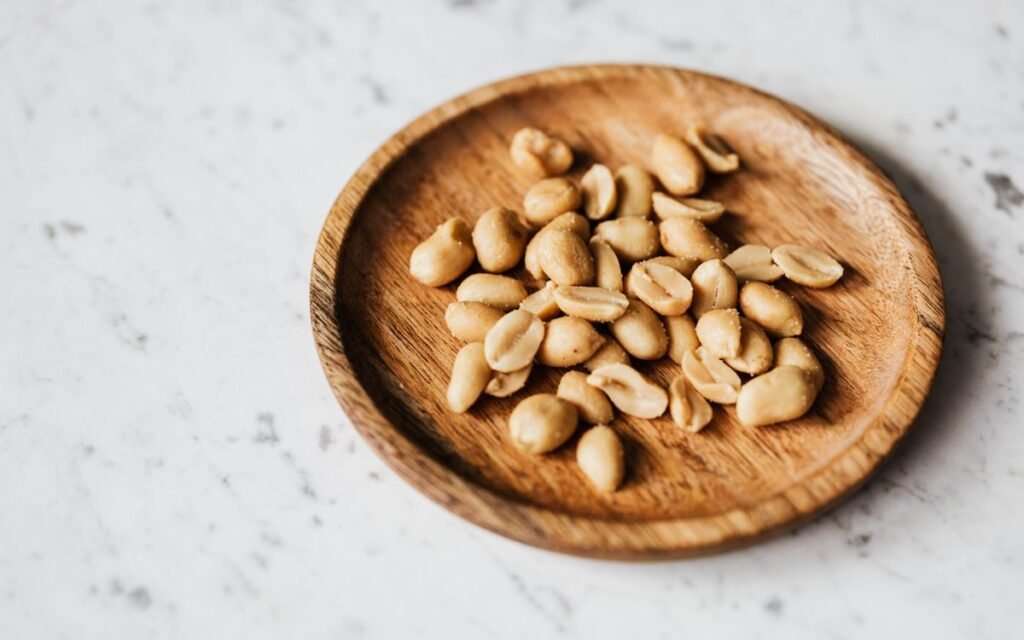
The numbers below come from the USDA FoodData Central entry for raw peanuts (all types), scaled from 100 g to a 30 g handful.
| Nutrient | Per 100 g | Per 30 g handful |
|---|---|---|
| Energy | 567 kcal | about 170 kcal |
| Protein | 25.8 g | about 7.7 g |
| Total fat | 49.2 g | about 14.8 g |
| of which monounsaturated | 24.4 g | about 7.3 g |
| Fibre | 8.5 g | about 2.6 g |
| Vitamin E | 8.3 mg | about 2.5 mg |
| Niacin (vitamin B3) | 12.1 mg | about 3.6 mg |
| Folate | 240 µg | about 72 µg |
| Magnesium | 168 mg | about 50 mg |
Why this matters for Indian vegetarians
For many vegetarian homes, protein is the hard part of the plate. A handful of peanuts on poha or in a chaat adds nearly 8 g without much effort. That’s not enough to replace dal, paneer or curd, but it helps.
The fat is mostly the good kind
About half of a peanut’s fat is monounsaturated, the same type found in olive oil. Saturated fat is only around 6 g per 100 g. That’s why nutrition researchers group peanuts with tree nuts rather than with fried snacks.
💡 Pro tip
Buy peanuts in the shell when you can. Shelling them slows you down, so it’s harder to finish half a packet in front of the TV.
 Also readWhy Do We Feel Lazy in Winters? Know the Reason Behind It!
Peanuts and Your Heart: What the Research Says
This is the strongest reason to keep peanuts in your winter diet. Harvard T.H. Chan School of Public Health’s Nutrition Source summarises a large study in the Journal of the American College of Cardiology: people who ate peanuts and walnuts had lower risk of cardiovascular disease, coronary heart disease and stroke.
The biggest benefit for nuts overall showed up at about one ounce (28 g), five or more times a week. The researcher quoted suggests four to seven servings a week as part of a healthy diet. Technically they’re a legume, but nutritionally they behave like nuts.
Two catches worth knowing
Peanut butter didn’t show the same link in that study, possibly because people eat it with white bread and sugary spreads. And nuts coated in sugar, chocolate or lots of salt are probably not as good, the Nutrition Source notes.
These are observational studies. They show a link, not proof that peanuts alone protect your heart. Your overall diet, activity and blood pressure still matter more than any single food.
The Best Indian Ways to Eat Peanuts This Winter
Not all peanut snacks are equal. Here’s how the common ones compare, based on how they’re made.
| Form | What changes | Best for | Our take |
|---|---|---|---|
| Roasted in shell (thela style) | Nothing added | Daily snack | Best pick. Cheap and slow to eat |
| Boiled peanuts | Water, a little salt | Evening snack | Good, lighter on the stomach for many |
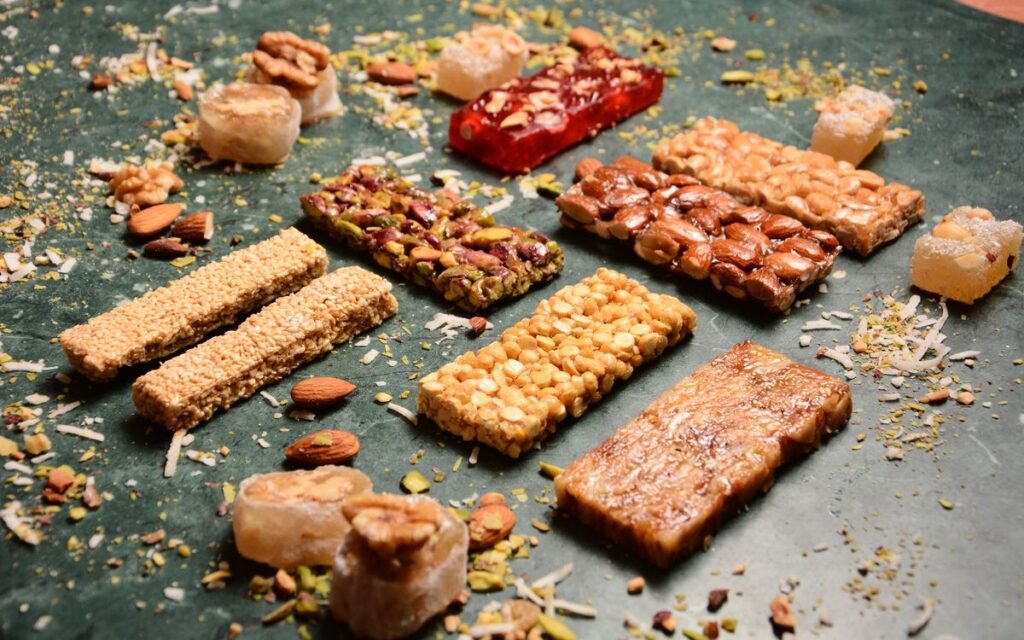
| Chikki (with jaggery) | Lots of jaggery or sugar | Festivals, Lohri, Sankranti | Treat. Jaggery is still sugar |
| Masala or salted peanuts | Added salt, oil, besan coating | Tea-time once in a while | Skip daily if you watch BP |
| Peanut chutney or in poha, sabudana | Mixed into meals | Breakfast | Great way to add protein |
| Peanut butter | Check the label | Toast, smoothies | Choose 100% peanuts, no added sugar |
If you have diabetes or are watching sugar, chikki is the one to limit. Our guide to signs you’re eating too much sugar helps you spot it, and you can check your numbers against normal blood sugar levels.
Who Should Be Careful (Including the Mould Risk)
For most adults, they’re perfectly safe. A few groups need care, and one risk catches people who’ve never had an allergy in their life.
The hidden risk: mouldy peanuts and aflatoxin
They can carry aflatoxins, poisons made by Aspergillus moulds. The WHO’s mycotoxins fact sheet names peanuts among the foods regularly contaminated, and says there is evidence aflatoxins can cause liver cancer in humans.
WHO’s advice is simple. Throw away any nuts that look mouldy, discoloured or shrivelled, buy them as fresh as possible, store them somewhere dry and cool, and don’t keep them for months.
⚠️ Watch out
That bitter, stale-tasting peanut in the packet? Spit it out and don’t eat the rest of that batch. Old peanuts sitting in a humid kitchen after the monsoon are exactly where mould grows.
Peanut allergy
An allergy to peanuts can be serious. The NHS lists the signs of a severe reaction: swelling of the lips, mouth, throat or tongue, fast or difficult breathing, a tight throat, pale or blue lips, sudden confusion or fainting. In India, call 112 or go to the nearest emergency department straight away.
Young children
The NHS says whole nuts and peanuts should not be given to children under 5 because of the choking risk. Crushed or ground peanuts mixed into food can be introduced from around 6 months. If the family has a history of allergies, ask your paediatrician first.
Weight watchers
At about 170 kcal a handful, peanuts add up fast. Harvard’s page makes the same point about nuts in general: eat them instead of other snacks, not on top of them.
How Much to Eat: A Simple Winter Plan
Here’s a practical way to make peanuts in winter a habit without overdoing it.
- Stick to one handful (about 28 to 30 g) on most days of the week. That’s roughly what fits in your cupped palm.
- Swap, don’t add. Replace biscuits or namkeen at chai time with roasted peanuts.
- Mix them into meals. Add a spoon to poha, upma, sabudana khichdi or a salad.
- Keep chikki for festive days. One piece after dinner on Sankranti is fine. A daily habit isn’t.
- Buy small, store dry. Get a week’s worth at a time and keep them in an airtight steel or glass jar.
- Check every handful. Toss shrivelled or dark ones.
 Also read9 Signs You Are Eating Way Too Much Sugar
✅ Our verdict
Eat peanuts in winter, but for the right reason: they’re a cheap source of protein, good fats and vitamin E with a solid heart-health record. Keep it to about a handful, choose plain roasted or boiled, and treat chikki and masala peanuts as treats.
This article is for information only and is not medical advice. Consult a doctor or a registered dietitian if you have a peanut allergy, kidney disease, diabetes or any condition that affects your diet.
Frequently Asked Questions
Is it good to eat peanuts in winter?
Yes, for most people. A handful gives protein, healthy fats, fibre and vitamin E, and regular peanut and nut eating is linked with lower heart disease risk. The “warming” idea is tradition rather than science.
How many peanuts should I eat in a day?
A handful of about 28 to 30 g (around 170 kcal) is a sensible amount. Harvard’s Nutrition Source says the largest benefit for nuts was seen at about one ounce, five or more times a week.
Do peanuts increase body heat?
Not in any special way. Peanuts are high in calories, so they give steady energy, and all digestion produces some heat. There’s no good evidence they warm you more than other foods.
Are peanuts good for diabetics?
Plain peanuts are low in sugar and high in fibre and fat, which slows digestion. Chikki and sweetened peanut butter are a different story. If you have diabetes, ask your doctor or dietitian how they fit your plan.
Is roasted or boiled peanut better?
Both are good choices. Boiled peanuts have no added oil and many people find them lighter. Avoid roasted peanuts with heavy salt or oily masala coating if you eat them daily.
The Bottom Line
Peanuts in winter earn their place for being nutritious, filling and cheap, not for “heating” you. Keep it to a handful, go plain, and throw away anything that looks or tastes off. Next, see how eating garlic at night fits into a winter routine, or check whether low energy might be vitamin B12 deficiency.
Keep reading
 Read nextEating Garlic at Night Benefits: What Happens When You Make It a Habit

 Read nextNormal Blood Sugar Levels: What Your Test Report Actually Means
Sources
- USDA FoodData Central: Peanuts, all types, raw (FDC 172430)
- Harvard T.H. Chan School of Public Health, The Nutrition Source: Nuts for the heart
- WHO fact sheet: Mycotoxins (aflatoxins)
- NHS: Food allergy
- NHS: Foods to avoid giving babies and young children