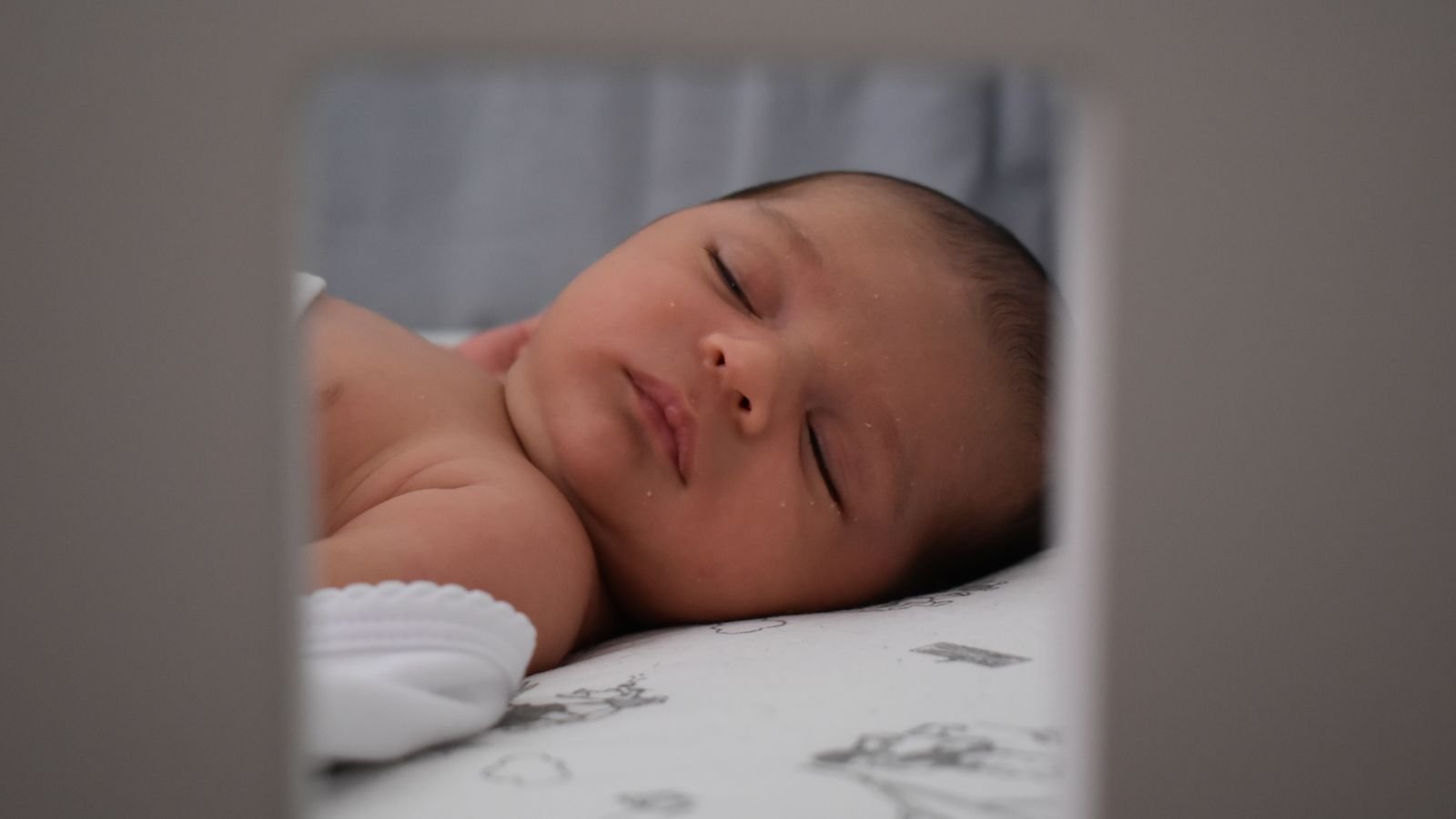
A baby sleep schedule by age looks roughly like this: newborns sleep around 18 hours a day in short stretches, babies from 4 to 12 months need 12 to 16 hours including naps, and toddlers aged 1 to 2 need 11 to 14 hours. Those ranges come from the NHS and from the American Academy of Sleep Medicine, whose numbers the American Academy of Pediatrics endorses.
The hours are only half of it. Where and how your baby sleeps matters just as much, and one common Indian winter habit goes against paediatric advice. That’s in section 4.
⚡ Key takeaways
- 0 to 3 months: around 18 hours a day in total (NHS), in short sleeps with night feeds. No fixed schedule yet, and that’s normal.
- 4 to 12 months: 12 to 16 hours per 24 hours, naps included (AASM). From 3 to 6 months some babies sleep 5 to 8 hours at night; not all do.
- 1 to 2 years: 11 to 14 hours per 24 hours, naps included (AASM).
- Safe sleep: on the back, on a firm flat surface, in your room but not your bed for at least 6 months, with no pillows, quilts or soft toys (AAP).
- Winter: one layer more than you’re wearing, and no cap indoors at night, says the AAP.
Baby Sleep Schedule by Age: The Quick Chart
Every baby is different, and the ranges are wide on purpose. Use this as a guide, not a test your baby has to pass.
| Age | Total sleep in 24 hours | What nights look like | Source |
|---|---|---|---|
| 0 to 3 months | About 18 hours | Short sleeps, waking for feeds day and night | NHS |
| 3 to 6 months | Varies | Fewer night feeds; some sleep 5 to 8 hours or more at a stretch | NHS |
| 4 to 12 months | 12 to 16 hours, including naps | Longer nights, regular naps | AASM, endorsed by AAP |
| 6 to 12 months | Around 15 hours for many babies | Mostly at night; some no longer need night feeds | NHS |
| 1 to 2 years | 11 to 14 hours, including naps | One long night, usually daytime nap(s) | AASM, endorsed by AAP |
The AASM’s panel of 13 experts reviewed 864 studies to set these ranges in 2016. It gives no range for babies under 4 months, which is why the newborn figure above comes from the NHS.
Naps count. A one-year-old who sleeps 10 hours at night and naps 2 hours is right in the range, even if the night feels short to you.
Newborns (0 to 3 Months): No Schedule Yet, and That’s Fine
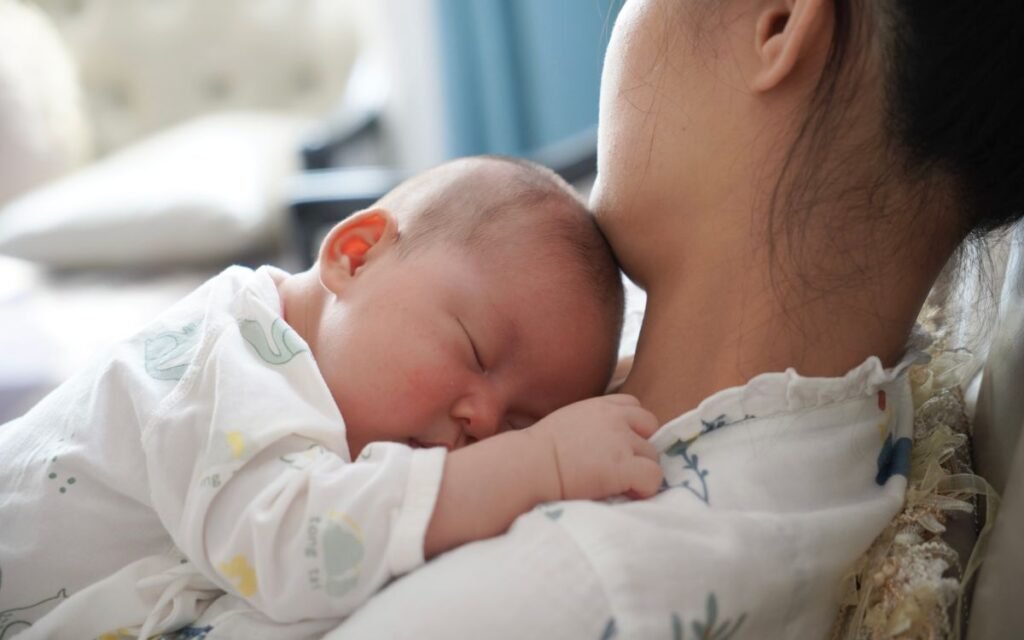
This is the stage that wears parents out. The NHS says newborns sleep more than they’re awake, about 18 hours in total, but they wake often to feed. Being too hot or too cold can wake them too.
Don’t try to force a timetable now. What you can do is start teaching the difference between day and night, which the NHS suggests:
During the day
- Open the curtains and let light in.
- Play and talk when your baby is awake.
- Don’t tiptoe around everyday sounds like the pressure cooker or the TV in the next room.
At night
- Keep lights low and voices quiet.
- After a feed and a nappy change, put your baby straight back down.
- Skip play and any change that isn’t needed.
In a joint family this takes a little coordination. Ask grandparents to keep the night calm too, even when they’re itching to play with the baby at 11 pm.
💡 Pro tip
Write down sleep and feed times for three or four days on your phone’s notes app. A pattern usually shows up that you’d never spot when you’re exhausted, and it helps a lot if you need to talk to your paediatrician.
 Also readMosquito Coil Smoke at Home: Is It Safe, and What Works Better
3 to 12 Months: Longer Nights and a Simple Routine
Around 3 to 6 months, many babies need fewer night feeds, and some start sleeping 5 to 8 hours or more at night, according to the NHS. By 6 to 12 months, many sleep around 15 hours in total, mostly at night, though teething or hunger can still wake them.
This is the age when a bedtime routine starts to pay off. Babies learn that a set of steps means sleep is coming.
A bedtime routine that works (adapted from NHS advice)
- Bath or a warm wipe-down in winter.
- Night clothes and a fresh nappy.
- Dim the lights in the room.
- A feed, then a short story or lullaby. A Marathi or Hindi lori your mother sang works just as well as anything in English.
- Cuddle and goodnight, then put your baby down drowsy.
- Brush teeth once they have any.
Do it in the same order and at roughly the same time every night. Fifteen to thirty minutes is plenty.
Safe Sleep Rules Many Indian Homes Miss
⚠️ Watch out
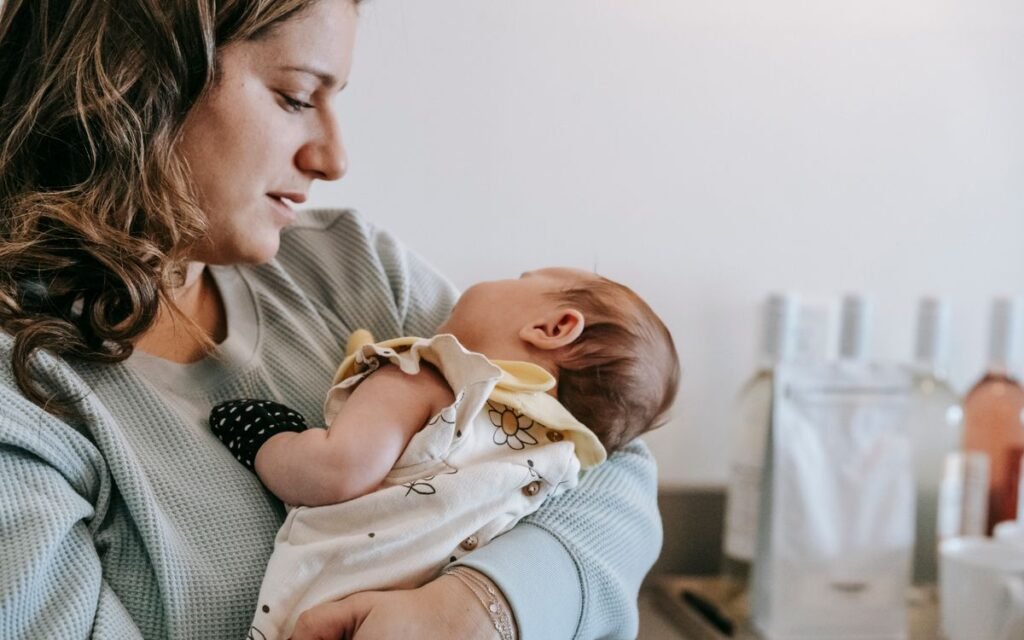
The American Academy of Pediatrics advises putting babies to sleep on their back for every nap and every night, on a firm flat surface, in your room but not in your bed for at least the first 6 months. It says to avoid bed-sharing “under any circumstances”, and to keep pillows, quilts, bumper pads and soft toys out of the sleep area.
This is the part from the top. Several things that feel natural in Indian homes go against this advice:
- Bed-sharing. Many families sleep with the baby in the big bed. The AAP and NHS both recommend room-sharing instead: a cot, crib or bassinet right next to your bed. You still hear every sound, and you can feed easily.
- The small rai pillow. A “head-shaping” pillow or any pillow counts as soft bedding in the AAP’s list. Keep the surface flat.
- Heavy razais and the topi in winter. The AAP says a baby needs only one layer more than you’d wear in the same room, and no hat indoors. Overheating is a risk, so a warm sleep suit beats piling on blankets.
- Side sleeping. The AAP says side sleeping is as unsafe as stomach sleeping. Back, every time.
- Swaddling after rolling starts. Stop swaddling when your baby shows signs of trying to roll, usually around 3 to 4 months, sometimes earlier.
The AAP also lists a pacifier at naps and bedtime as helpful in reducing SIDS risk; if you’re breastfeeding, wait until feeding is well established. Never tie one around the baby’s neck.
For mosquitoes, use a net over the cot rather than coils or liquid vaporisers in a closed room; our mosquito coil smoke guide explains why.
Toddlers (1 to 2 Years): 11 to 14 Hours
By the first birthday, most babies sleep one long stretch at night and nap in the day. The AASM range is 11 to 14 hours in 24 hours, naps included.
Common trouble at this age has less to do with hunger and more to do with routine: late family dinners, visitors, screens, and festival noise. A few habits help:
- Keep bedtime steady, even when guests are over. The routine matters more than the exact clock time.
- No phone or TV in the hour before bed. Bright screens late in the evening can push sleep later for adults too, as our sleep schedule guide explains.
- Plan around noisy nights. During festivals and weddings, a white-noise fan and closed windows help. Our post on cracker noise for kids and pets has more.
- Daytime light and play. Outdoor time in the morning helps set the body clock, but check the AQI first in smog season; see our school-day AQI guide.
 Also readFix Your Sleep Schedule After Diwali: Why Sleeping In Backfires
Sleep Training: What the Evidence Says
“Sleep training” sounds harsh to many Indian families, and you don’t have to do it. But if your baby is over 6 months and night waking is wearing everyone down, it helps to know what the research found.
A 2016 randomised trial in Pediatrics by Gradisar and colleagues tested two gentle methods in 43 babies aged 6 to 16 months:
| Method | How it works | What the trial found |
|---|---|---|
| Graduated extinction | Put baby down awake; wait 2 minutes before checking, then 4, then 6 | Fell asleep faster; fewer night wakings |
| Bedtime fading | Move bedtime about 15 minutes later until baby falls asleep within about 15 minutes | Fell asleep faster |
| Control | General sleep information only | No change |
Both methods worked better than the control group, according to the American Family Physician summary. Mothers’ stress went down, babies’ cortisol (a stress hormone) was slightly lower, and attachment between parent and child didn’t differ between groups. It was a small trial, so treat it as reassuring rather than final.
If you try either method, agree on it as a family first. It won’t work if one grandparent picks the baby up at the first cry, and that’s a conversation worth having before night one.
✅ Our verdict
Aim for the hour ranges, not a rigid timetable, especially before 4 months. Put your energy into safe sleep (back, flat, your room, no pillows or heavy razais) and a short, repeatable bedtime routine. If night waking past 6 months is exhausting the family, gentle methods like bedtime fading have evidence behind them.
This article is for general information only. For any concerns about your baby’s sleep, breathing, feeding or growth, consult your paediatrician.
Frequently Asked Questions
How many hours should a 6-month-old baby sleep?
The AASM recommends 12 to 16 hours in 24 hours, including naps, for babies aged 4 to 12 months. The NHS says many babies of 6 to 12 months sleep around 15 hours in total, mostly at night.
When do babies start sleeping through the night?
There’s no fixed age. The NHS says that from 3 to 6 months some babies sleep 5 to 8 hours or more at night, but not all do, and some still wake for feeds or teething later.
Is it safe for my baby to sleep in our bed?
The American Academy of Pediatrics advises against bed-sharing under any circumstances. It recommends room-sharing, with the baby on their own firm, flat surface next to your bed, for at least the first 6 months.
Should my baby wear a cap while sleeping in winter?
The AAP says no hat indoors, and only one layer more than you’d wear in the same room. Overheating is a sleep risk, so a warm sleep suit is better than extra blankets or a topi.
Does sleep training harm babies?
A 2016 trial of 43 babies found graduated extinction and bedtime fading improved sleep, lowered maternal stress, and didn’t affect attachment. It was small, so discuss it with your paediatrician if you’re unsure.
The Bottom Line
Your baby sleep schedule by age is a range, not a rulebook: about 18 hours for newborns, 12 to 16 for older babies, 11 to 14 for toddlers. Get the safe sleep basics right first, then build a short routine you can repeat every night. Tonight, check the cot: flat, firm, no pillow, and one layer more than you.
Keep reading
Read nextFix Your Sleep Schedule After Diwali: Why Sleeping In BackfiresRead nextMosquito Coil Smoke at Home: Is It Safe, and What Works Better
Sources
- NHS: helping your baby to sleep
- Sleep Review: AASM 2016 recommended sleep hours by age
- Healio: AASM consensus (13 experts, 864 studies, AAP endorsement)
- HealthyChildren.org (AAP): a parent’s guide to safe sleep
- American Family Physician: Gradisar 2016 trial of graduated extinction and sleep fading