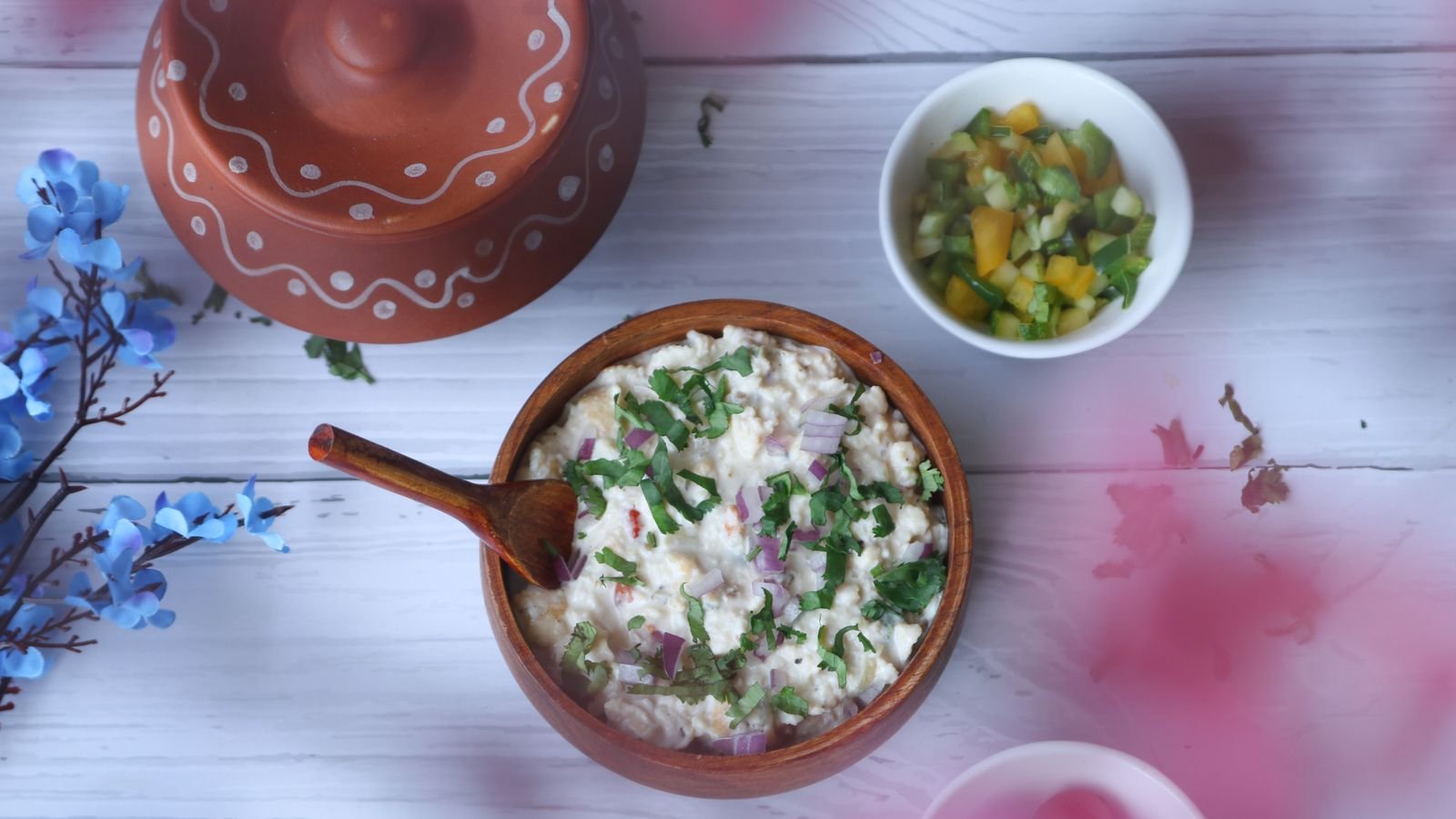
Curd in winter won’t give you a cold. Colds are caused by viruses that pass from person to person, and no study shows a bowl of dahi can start one.
So why does your mother still say “no dahi after sunset”? There’s a real tradition behind it, and one honest point in its favour, which has to do with temperature, not curd (section 2).
⚡ Key takeaways
- The short answer: colds are caused by viruses, per the NHS. Curd doesn’t contain them or create them.
- Mucus myth: a 2005 review found milk didn’t increase nasal secretions or congestion in people who had a cold virus.
- What curd gives you: about 3.5 g protein and 121 mg calcium per 100 g of plain whole-milk yogurt (USDA data).
- Probiotics: a 2022 Cochrane review found probiotics may lower the chance of a cold-type infection, but the evidence is mostly low certainty, and trials tested specific products, not homemade dahi.
- Best way in winter: room-temperature curd with lunch, as raita or chaas. Skip sugary flavoured tubs.
- Who might skip it: anyone who simply finds fridge-cold food uncomfortable on the throat. That’s comfort, not medicine.
Why So Many Indian Homes Say Curd Causes a Cold
Ask around any family WhatsApp group and you’ll hear some version of it. Don’t eat dahi at night. Don’t eat it in winter. It’ll give you a cold, a cough or “kaph”.
Most of this comes from Ayurveda. In that tradition, curd is described as increasing Kapha, the dosha linked with mucus, and several practitioners advise against it at night. A May 2024 South First report covered a public spat over exactly this on X. One Ayurveda doctor warned against curd at night and even daily curd, while other doctors pointed out that South Indian homes have eaten curd rice day and night for generations.
These are the rules most of us grew up with, and Nani wasn’t being silly. But a tradition isn’t evidence.
Even the South First piece cited no study for the Kapha claim. Research on “curd at night” specifically is thin, so let’s look at what is known about colds instead.
What Actually Causes a Cold (And the Bit About Temperature)
The NHS says it plainly: colds are caused by viruses and spread easily. Germs from coughs and sneezes can live on hands and surfaces for 24 hours. A person can pass a cold on a few days before they even feel ill.
Cold food, cold weather and curd aren’t on that list.
So why do colds spike in winter?
This is where the old advice gets something half right. The cold part matters, just not the curd part.
Rhinovirus, the most common cold virus, grows better at cooler temperatures. In 2015, a Yale team led by Ellen Foxman and Akiko Iwasaki found that mouse airway cells kept at 33°C mounted a weaker antiviral response than cells at 37°C. That work was done in mouse cells, so the researchers themselves were careful about applying it to people.
A 2022 study from Mass Eye and Ear, published in the Journal of Allergy and Clinical Immunology, looked at the human nose. Volunteers who spent 15 minutes at 4.4°C saw the temperature inside their nose fall by about 5°C. When the team cooled nasal tissue by that much in the lab, the cells released nearly 42% fewer of the tiny virus-fighting particles they normally send out.
💡 Pro tip
What these studies point to is cold air in your nose, not cold food in your stomach. A muffler over your nose on a foggy Delhi morning makes more sense than giving up curd.
We covered a similar myth about guava and vitamin C in our post on guava in winter. Same pattern: fruit and curd get blamed for colds that viruses cause.
 Also readGuava in Winter: 4 Times the Vitamin C of an Orange
Does Curd Make More Mucus? What Studies Found
This is the heart of the “dahi causes cough” belief. Dairy feels thick in the mouth, so it seems logical that it thickens phlegm too.
A 2005 review in the Journal of the American College of Nutrition by Wüthrich and colleagues looked at the research on milk and mucus. Here’s what it reported:
- In people infected with a cold virus, drinking milk didn’t increase nasal secretions, cough, nasal symptoms or congestion.
- The “coating” feeling is real but not special to milk. In Australian studies, a soy drink with a similar taste and texture caused the same sensation.
- Belief matters. People who already believed milk causes mucus reported more symptoms after drinking it.
- Asthma: the review found milk didn’t seem to worsen asthma, except in people with a true cow’s milk allergy.
This review was about milk, not curd specifically, so treat it as close evidence rather than a direct test of dahi. Still, curd is milk with bacteria added and less lactose. There’s no known reason it would behave worse.
⚠️ Watch out
If you have a diagnosed milk allergy, none of this applies to you. Follow your doctor’s advice on dairy.
What Curd Actually Gives You in Winter
For a vegetarian Indian kitchen, curd is an easy, everyday source of protein and calcium. Here’s what USDA FoodData Central lists for 100 g of plain whole-milk yogurt, the closest standard match to homemade dahi:
| Per 100 g | Plain whole-milk yogurt |
|---|---|
| Energy | 61 kcal |
| Protein | 3.5 g |
| Fat | 3.3 g |
| Carbohydrate | 4.7 g |
| Calcium | 121 mg |
| Potassium | 155 mg |
| Vitamin B12 | 0.37 µg |
Dahi set with toned or double-toned milk will have less fat, so your katori won’t match this exactly. The protein and calcium stay in a similar range.
How much does ICMR suggest?
India’s Dietary Guidelines 2024 from ICMR-NIN recommend about 300 ml of milk or dairy a day for healthy adults, according to a comparison of national guidelines published in the Indian Journal of Medical Research. A bowl of curd at lunch plus your chai milk gets most people close. For vegetarians, that also helps with protein, which we break down in our guide on how much protein you need a day.
And the probiotic question
A 2014 study in the Indian Journal of Medical Research tested curd from 16 homes around Vellore. Researchers isolated 12 lactobacillus strains, and several showed “probiotic potential” in lab tests. That’s encouraging, but it was lab work, not a trial in people.
The bigger evidence is the 2022 Cochrane review by Zhao, Dong and Hao. It analysed 23 trials with 6,950 people. In the 16 trials that measured it, probiotics cut the chance of getting at least one upper respiratory infection by about 24%. The authors rated that result low certainty.
The trials also used specific probiotic products, so you can’t assume your homemade dahi does the same thing. My honest reading? Curd won’t cause a cold, and it might help a little. Eat it because it’s good food, not as medicine.
How to Eat Curd in Winter Without the Shiver
Most of the dislike for winter curd isn’t about health. It’s about eating something fridge-cold when the room itself feels cold. Fix that and most of the problem goes away.
Take it out early
Keep the bowl out of the fridge for 30 to 60 minutes before lunch. Room-temperature dahi tastes milder and feels kinder on the throat. Homemade curd also sets faster in a warm spot, so wrap the vessel in a cloth or keep it near the kitchen stove.
Have it with lunch, not at midnight
Daytime is simply more practical. You’re eating with warm rotis, dal or khichdi, so the curd doesn’t feel cold. If you like curd at night, go ahead. Just know our post on late dinners explains why when you eat dinner matters more than any single food in it.
Warm-meal pairings that work
- Raita with roasted jeera, beside a hot meal
- Chaas with jeera, salt and a little ginger, at room temperature
- Kadhi, the cooked curd-and-besan curry, if you want something hot
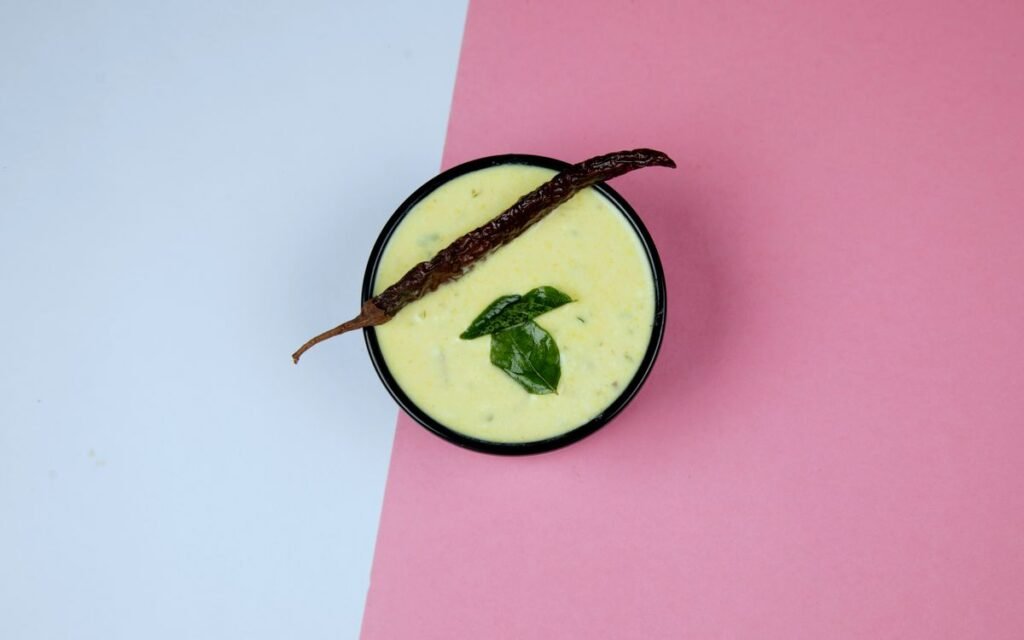
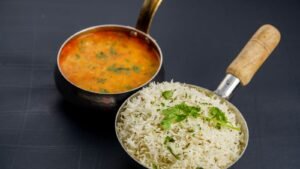
- Curd rice with a tadka of mustard seeds and curry leaves
Homemade vs packaged
Plain homemade dahi has only milk and culture. Flavoured yoghurt tubs, mishti doi and fruit cups often add sugar. Turn the pack over and check “added sugars” on the nutrition panel before it goes in the cart. Our guide on how to read food labels shows exactly where to look.
 Also readHow Much Protein a Day? An Indian Veg Plate That Gets There
Who Might Want to Skip Cold Curd
For most healthy people, curd in winter is fine at any time of day. Nobody needs to drop it out of fear of a cold. A few cases are worth a thought, though:
- You just don’t like it cold. Some people find fridge-cold food or drinks uncomfortable on the throat in winter. Let it reach room temperature, or have kadhi instead. This is about comfort, not risk.
- You have a milk allergy. Dairy is off the table, curd included, unless your doctor says otherwise.
- You’re watching sugar. Stick to plain dahi. Sweet lassi and flavoured tubs are the ones that add up.
- It’s sitting out too long. Curd left out all day in a warm kitchen turns sour fast. Set small batches you’ll finish in a day or two.
What about haldi doodh instead?
Plenty of families switch from curd to haldi doodh when winter comes. That’s a fine habit too, though the research behind it is weaker than WhatsApp suggests. We went through what’s known in our haldi doodh research guide. There’s no reason you can’t have both: curd at lunch, turmeric milk at night.
✅ Our verdict
Keep eating curd in winter. It doesn’t cause colds, it’s a cheap source of protein and calcium, and the probiotic evidence leans slightly in its favour. Have it at room temperature with lunch, choose plain over flavoured, and if cold food bothers your throat, switch to kadhi or chaas rather than cutting dairy out.
Frequently Asked Questions
Is it okay to eat curd in winter?
Yes. Curd in winter is safe for most healthy people. Colds are caused by viruses, per the NHS, and no study shows curd causes one. Eat it at room temperature if fridge-cold food feels uncomfortable.
Does eating curd at night cause a cold or cough?
No study shows that. A 2005 review found that milk didn’t increase nasal secretions, cough or congestion in people with a cold virus. The “no curd at night” rule comes from Ayurvedic tradition, not from clinical trials.
Does curd increase mucus?
The evidence says no. Dairy can leave a thick feeling in the mouth, but a soy drink with a similar texture did the same in studies. People who expected milk to cause mucus were more likely to report it.
Can I eat curd when I have a cold?
Many people do, and there’s no evidence it makes a cold worse. If cold food bothers a sore throat, warm it to room temperature or have kadhi or warm khichdi with curd instead. If you’re unwell for long or worried, talk to your doctor.
Is homemade curd better than packaged yoghurt?
Plain packaged curd is similar to homemade. Flavoured yoghurt and fruit cups are different: they often contain added sugar, so check the label.
The Bottom Line
Curd in winter is fine. The cold comes from a virus, not from your raita, and there’s even a modest, low-certainty hint that probiotics may help. Take the dahi out of the fridge an hour before lunch this week and see if the “too cold” problem simply disappears.
This article is for information only; consult a doctor or a registered dietitian for advice about your own health, especially if you have a milk allergy or another medical condition.
Keep reading
 Read nextHaldi Doodh in Winter: What the Research Actually Says
 Read nextTil in Winter: How Much a Day, and Which Kind Has the Calcium
 Read nextMillets in Winter: Which to Eat and the Label to Check First
Sources
- NHS: Common cold (caused by viruses, how colds spread)
- ScienceDaily / Yale, 2015: Cold virus replicates better at cooler temperatures (Foxman et al., PNAS, mouse airway cells)
- ScienceDaily / Mass Eye and Ear, 2022: Why upper respiratory infections are more common in the cold (Huang et al., J Allergy Clin Immunol)
- Wüthrich et al. 2005, J Am Coll Nutr: Milk consumption does not lead to mucus production or occurrence of asthma
- Cochrane review, Zhao, Dong and Hao 2022: Probiotics for preventing acute upper respiratory tract infections
- USDA FoodData Central: Yogurt, plain, whole milk (FDC 171284)
- Shah et al. 2024, Indian Journal of Medical Research: Dietary guidelines across countries compared with DGI 2024 (300 ml dairy a day)
- Balamurugan et al. 2014, Indian J Med Res: Probiotic potential of lactic acid bacteria in home-made curd in southern India
- South First, May 2024: Can curd at night cause mucus, cold and indigestion?