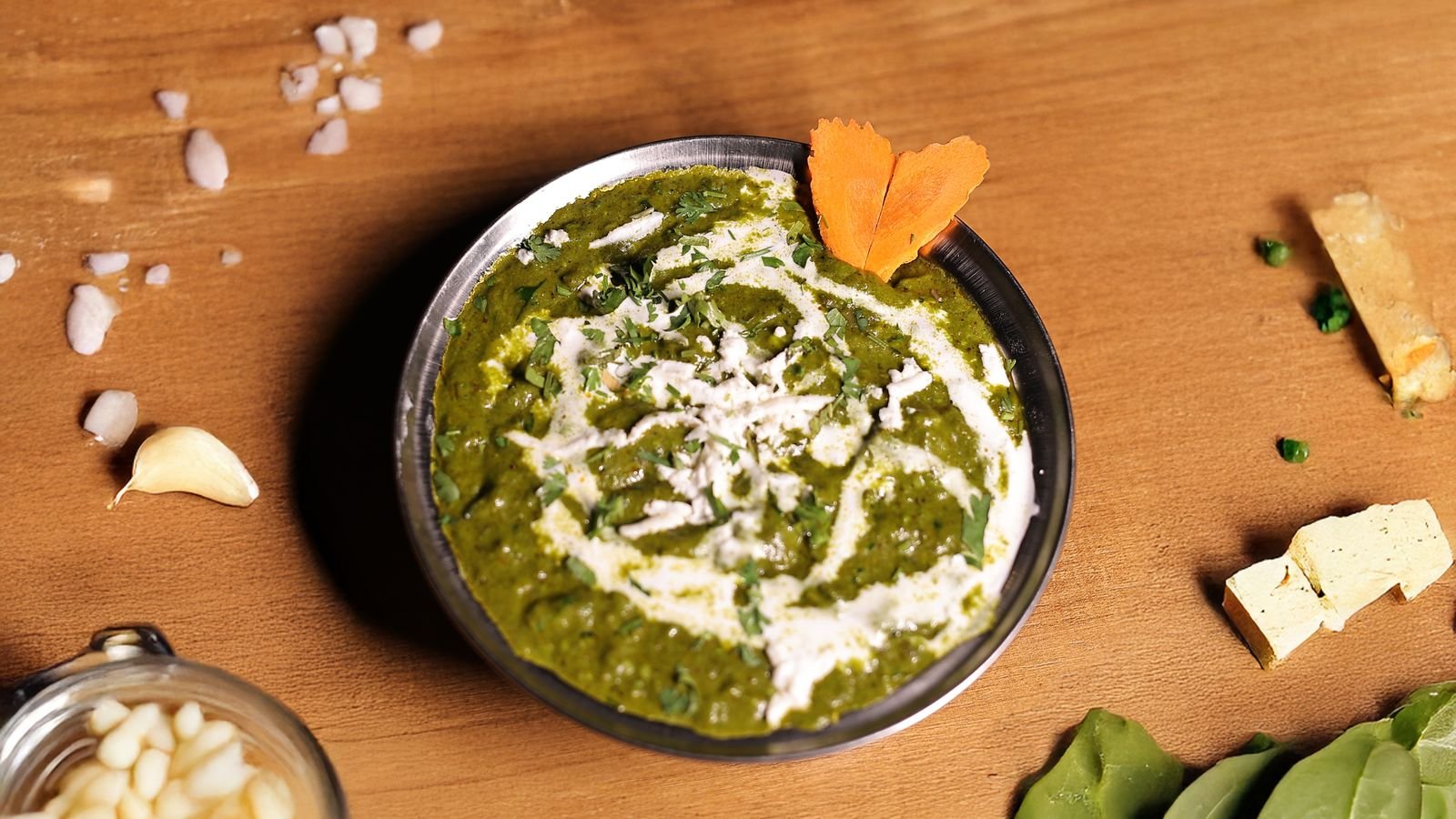
The palak iron reality is simple: a katori of cooked palak gives you about 5 mg of iron, roughly a third of what an adult woman needs in a day. That’s a decent amount, but palak is not the iron powerhouse your school textbook made it sound like, and your body keeps only a small share of it.
Most articles blame oxalate for that. A careful human study says oxalate barely matters for iron, and the real catch sits in the paneer and the chai that usually come with it (section 5 has the details).
⚡ Key takeaways
- Cooked palak: about 3.6 mg iron per 100 g, so roughly 5.4 mg in a 150 g katori, per USDA data. Raw palak has 2.7 mg per 100 g.
- Absorption is the real story: plant iron is absorbed far less well than the label number suggests. Lemon, amla, tomato or guava with the meal helps; chai with the meal works against you.
- Oxalate: it locks up palak’s own calcium (only about 5% absorbed in one study), but an ETH Zurich study found it has little effect on iron.
- How much: ICMR-NIN asks adults for 100 g of green leafy vegetables a day. Rotate palak with methi, sarson, bathua and amaranth rather than eating only palak.
- Skip the worry if: you eat a normal mixed diet. Follow your doctor if you’ve been told to limit oxalate or vitamin K.
Palak in Winter: Why We All Treat It as the Iron Food
Winter is palak season. From November the sabziwala’s cart is stacked with fat bunches, and the same leaves turn up as palak paneer, palak dal, palak paratha, aloo palak and the odd green smoothie someone saw on Instagram. Ask almost anyone why palak is good for you and the answer comes back in one word: iron. Palak iron is practically folklore in Indian homes.
That belief is older than most of us. Many grew up with Popeye cartoons and teachers who called spinach “full of iron”, and parents still push an extra spoon of palak on kids with pale faces. It’s a sweet habit. It’s also only half right.
In this post I’ve checked the palak iron claim against sources I could open: USDA FoodData Central for the numbers, ICMR-NIN’s Dietary Guidelines for Indians 2024 for how much to eat, and human absorption studies for what your body actually keeps. One thing caught my eye: the NHS page on iron lists beans, nuts, dried fruit and fortified cereals as good sources, and spinach isn’t on that list at all.
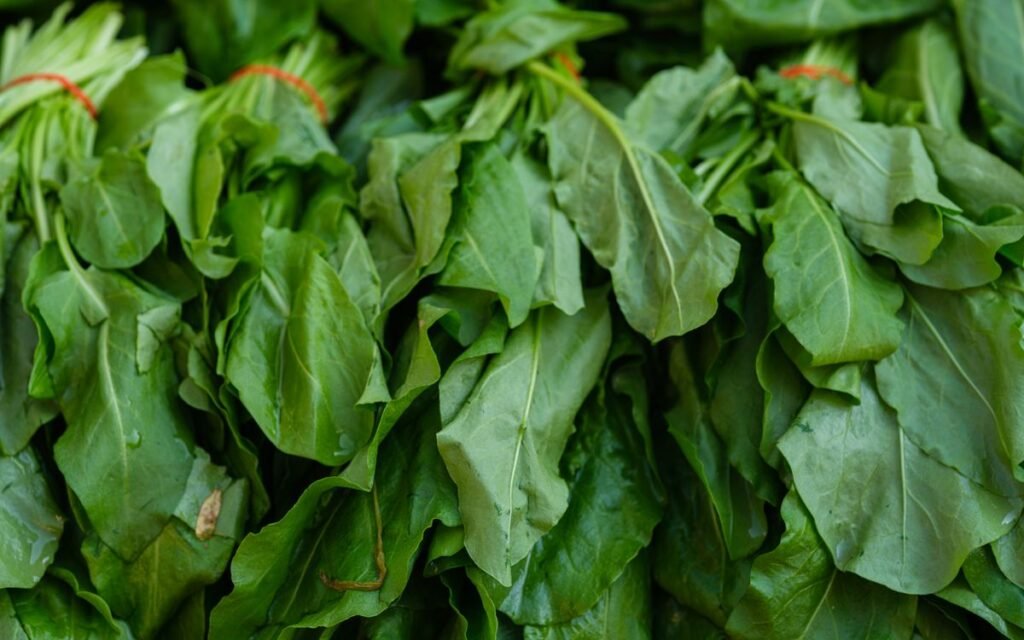
Palak Iron Numbers: Raw vs Cooked, Per Katori
USDA FoodData Central has entries for both raw spinach and spinach that has been boiled and drained. Cooked palak looks richer per 100 g only because it has lost water, so the same leaves are packed into less weight.
| Per serving | Raw palak (100 g) | Cooked palak (100 g) | Cooked palak (1 katori, 150 g) |
|---|---|---|---|
| Calories | 23 kcal | 23 kcal | about 35 kcal |
| Iron | 2.7 mg | 3.6 mg | about 5.4 mg |
| Calcium | 99 mg | 136 mg | about 204 mg |
| Vitamin C | 28 mg | 9.8 mg | about 15 mg |
| Fibre | 2.2 g | 2.4 g | about 3.6 g |
Katori values are my calculation from USDA’s per-100 g figures for raw spinach (FDC 168462) and boiled, drained spinach (FDC 168463).
How that compares with what you need
The NHS puts daily iron needs at 14.8 mg for women aged 19 to 49 and 8.7 mg for men. So a katori of cooked palak covers about 36% of a younger woman’s target and about 60% of a man’s, on paper.
- The good news: that’s a lot of iron for 35 kcal.
- The catch: “on paper” carries a lot of weight in that sentence. Plant iron is non-haem iron, and you absorb only a fraction of it.
- Vitamin C drops with cooking: boiled palak keeps about a third of raw palak’s vitamin C per 100 g, which matters because vitamin C is what helps iron get in.
💡 Pro tip
A big bunch of palak (USDA’s “bunch” is 340 g raw) cooks down to a surprisingly small bowl. Judge your serving by the cooked katori, not by the size of the bunch you carried home.

The Popeye “Decimal Point” Story Is a Myth Too
You may have heard the clever version of this myth: a scientist put a decimal point in the wrong place in the 1800s, gave spinach ten times its real iron, and Popeye spread the mistake to the world. Neat story. Probably wrong.
Joe Schwarcz of McGill University’s Office for Science and Society, who had repeated the decimal story himself, corrected it in 2017 after reading criminologist Mike Sutton’s research. His summary:
- Early analysis may have overstated spinach’s iron, but there was no decimal-point error behind it.
- The correct value was already known before Popeye was created.
- Popeye’s creator never claimed the sailor’s strength came from iron in spinach.
Why bring it up in a food post? Because it’s a reminder of how a tidy “fact” travels for decades without anyone checking it. The palak iron claim deserves the same treatment, so the next sections look at what really happens after you eat it.
Oxalate, Calcium and the Palak Iron You Actually Absorb
Palak is high in oxalic acid (oxalate), and most articles stop there: “oxalate blocks iron, so palak is useless.” The research is more interesting than that.
What the ETH Zurich study found
In a 2008 study in the European Journal of Clinical Nutrition, researchers in Zurich gave 16 healthy young women meals of bread rolls with 150 g of either spinach or kale, using labelled iron to track absorption. Then they added potassium oxalate to the kale meal to match spinach’s oxalate.
- Adding all that oxalate to kale did not change iron absorption (10.7% without it, 11.5% with it).
- The spinach meal absorbed about 24% less iron than plain kale, but the difference wasn’t statistically significant.
- The authors noted spinach was higher in calcium and polyphenols, and concluded oxalate is “of minor relevance” for iron.
Where oxalate does bite: calcium
Calcium is a different story. A 1988 study in the American Journal of Clinical Nutrition compared 200 mg of calcium from milk and from spinach in 13 adults. People absorbed about 27.6% of milk’s calcium and only 5.1% of spinach’s, because spinach had slightly more oxalate than calcium and bound nearly all of it.
Put together, the claims sort out like this:
| Claim | What the studies say |
|---|---|
| “Oxalate blocks palak’s iron” | Mostly no. Oxalate had little effect on iron absorption in the Zurich study. |
| “Palak is a good calcium source” | No. Its own calcium is largely locked up by oxalate. |
| “Plant iron is poorly absorbed” | Yes. Polyphenols (in tea and coffee too), phytates and calcium all reduce non-haem iron absorption, per a review in Critical Reviews in Food Science and Nutrition. |
Palak Paneer: The Calcium and Iron Trade-Off
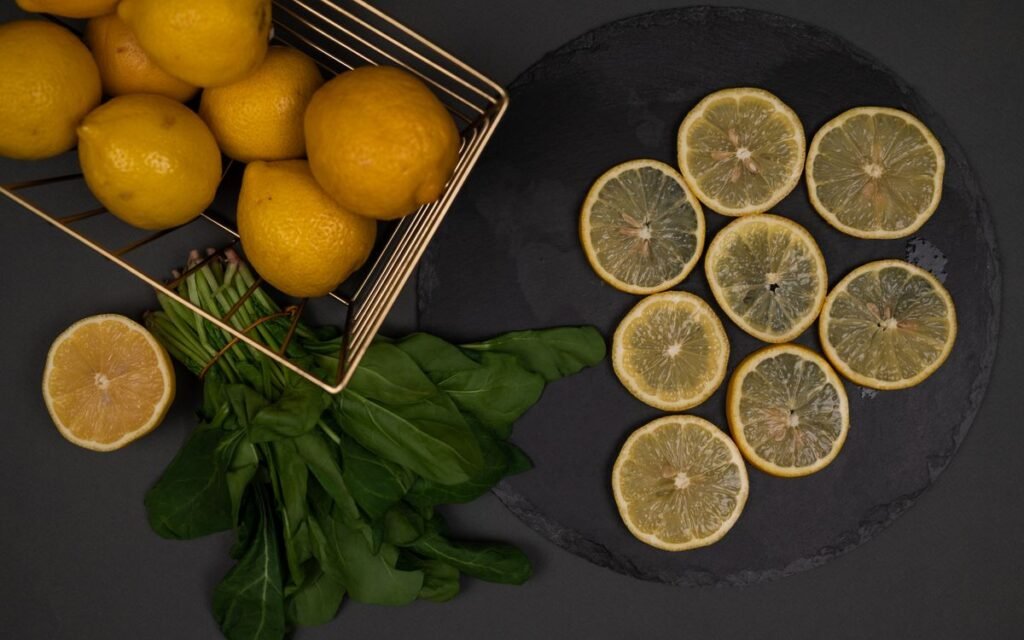
Palak paneer is the dish most of us picture when someone says “eat your palak”. So what’s really happening in that katori?
What the paneer brings
Paneer is a milk product, and milk calcium is the well-absorbed kind. Since palak’s own calcium is mostly bound by oxalate (that 5.1% result above), the paneer is doing nearly all the calcium work in palak paneer. That’s not a bad thing. It’s just not the palak.
What it costs the iron
Calcium is one of the factors that reduce non-haem iron absorption, according to the Zijp review. So a dish that pairs iron-containing palak with a big helping of paneer and cream is not the best way to absorb that iron. Add a cup of chai straight after, and you’ve stacked three blockers on one meal: calcium, polyphenols and tea.
Should you stop eating it?
No. Palak paneer is still a tasty way to eat greens, protein and calcium together, and one meal doesn’t decide your iron status. But if iron is the reason you’re eating palak, palak dal with a squeeze of lemon, or aloo palak with tomatoes, works better than a creamy paneer gravy. Our guide to protein for Indian vegetarians explains where paneer fits in a day.
⚠️ Watch out
The bigger iron problem in most Indian homes isn’t palak or paneer. It’s the chai that follows every meal. ICMR-NIN’s 2024 guidelines say not to drink tea, coffee or other caffeinated drinks with meals or soon after.
Boil, Steam or Blanch? The Oxalate vs Vitamin Catch
Here’s the awkward part: the two “best” ways to cook palak point in opposite directions.
The case for boiling and draining
A 2005 study in the Journal of Agricultural and Food Chemistry (Chai and Liebman) tested nine vegetables. Boiling cut soluble oxalate by 30% to 87%, far more than steaming (5% to 53%). The lost oxalate turned up almost entirely in the cooking water, so the reduction only counts if you throw that water away.
The case for steaming
ICMR-NIN’s Dietary Guidelines say the opposite for nutrients. They advise against cooking in excess water and discarding it, because B vitamins and vitamin C are lost with that water. They also say steaming retains nutrients better than blanching.
So what should you do?
| Cooking style | Oxalate | Vitamins | Good for |
|---|---|---|---|
| Boil, then drain the water | Lower | Some vitamin C and B vitamins lost | People told by a doctor to limit oxalate |
| Steam or cook in little water | Higher | Better kept | Most people eating palak a few times a week |
| Raw (salads, smoothies) | Highest | Vitamin C intact | Small amounts, mixed with other greens |
For most healthy people, cook palak the normal way in a little water and don’t stress about oxalate. If you’ve been told to limit oxalate, follow your doctor or dietitian, and boiling and draining is one method they may suggest. ICMR-NIN also says to wash vegetables before cutting them, since washing after chopping loses more nutrients.
 Also readIs Sarson Ka Saag Healthy? Yes, Until the Makhan Lands
How to Get More Iron Out of Your Palak
You can’t change how much iron palak contains, but you can change how much palak iron you keep. These steps come from the absorption research above and ICMR-NIN’s advice.
- Add vitamin C to the same meal. ICMR-NIN suggests vitamin C rich foods like guava and orange with meals to improve iron absorption from plant foods. In practice: lemon on palak dal, tomatoes in aloo palak, or amla chutney on the side. Our amla guide has easy ways to use it.
- Keep chai and coffee away from meals. Have them between meals. Our post on iron absorption and chai timing explains the one-hour gap.
- Pair it with roti or dal sensibly. Wheat and dal contain phytates, which reduce iron absorption. A Swedish study found added vitamin C significantly counteracted that effect.
- Rotate your greens. Methi, sarson, bathua, amaranth and drumstick leaves all count towards your green leafy vegetables. Our methi in winter post has the numbers for methi.
- Save the paneer for other days if iron is your main goal, and enjoy palak paneer for what it is: a good meal, not an iron supplement.
Be realistic about the lemon trick
Vitamin C makes a clear difference in single-meal studies. But a 2001 study that followed people’s whole diet for several days found the effect was “far less pronounced”. So lemon helps, but it can’t turn palak into a supplement. If your blood test shows low iron or anaemia, follow your doctor’s treatment plan rather than a palak plan.
How Much Palak Is Sensible Each Week?
ICMR-NIN’s Dietary Guidelines for Indians 2024 ask every adult to eat at least 400 g of vegetables a day, including 100 g of green leafy vegetables. Pregnant women are advised an extra 100 g of leafy vegetables daily because they need more iron and folic acid.
That’s about 700 g of greens a week, and palak can happily be a big part of it. A practical winter week might look like this:
- Two or three days: palak in dal, sabzi or paratha, with lemon or tomato.
- Two days: methi or sarson ka saag.
- One or two days: bathua, amaranth (chaulai) or drumstick leaves, whatever your local market has.
Mixing greens spreads out the oxalate and gives you different vitamins and minerals. It also keeps the family from getting bored of the same green gravy every night.
This article is for information only and is not medical advice. Please consult a doctor if you have low iron or anaemia, have been told to limit oxalate or vitamin K, or take regular medicines.
✅ Our verdict
Keep eating palak in winter. It’s low in calories, in season and gives you real iron, vitamin A, folate and vitamin K. Just stop thinking of it as an iron tonic: add lemon, tomato or amla, keep chai away from meals, rotate it with other greens and treat palak paneer as a calcium-and-protein dish rather than an iron one.
Frequently Asked Questions
Is palak really high in iron?
Moderately. Cooked palak has about 3.6 mg of iron per 100 g, or roughly 5.4 mg in a 150 g katori, per USDA data. That’s useful, but it’s plant iron, so your body absorbs only a small share, and other foods like beans, nuts and fortified cereals are also good sources.
Does oxalate in spinach block iron absorption?
Not much, according to a 2008 ETH Zurich study. Adding spinach-level oxalate to a kale meal didn’t change iron absorption. Oxalate does block spinach’s own calcium, which is why palak is a poor calcium source.
Is palak paneer good for iron?
It’s a good dish, but not the best way to absorb iron. Paneer’s calcium reduces non-haem iron absorption. For iron, palak dal or aloo palak with lemon or tomato works better, with chai kept away from the meal.
Should I boil palak and throw away the water?
Boiling and draining lowers soluble oxalate, but ICMR-NIN warns it also washes away B vitamins and vitamin C. Most people can cook palak in a little water. Boil and drain only if a doctor or dietitian has asked you to limit oxalate.
How much palak can I eat in a day?
ICMR-NIN recommends 100 g of green leafy vegetables a day for adults. Palak can be part of that, but rotating it with methi, sarson and other greens is a better habit than eating only palak.
The Bottom Line
Palak iron is real, and you get a fair amount of it for very few calories, but the numbers on paper overstate what your body keeps. Oxalate isn’t the villain for iron; chai, calcium-heavy pairings and missing vitamin C matter more.
Tonight, squeeze half a lemon over your palak dal and push the chai to an hour later. Then read our guide to sarson ka saag for another winter green worth rotating in.
Keep reading
Read nextIron Absorption: The Chai Timing Mistake Most Vegetarians Make Read nextMethi in Winter: What Leaves, Seeds and Laddoo Really Give You
 Read nextAmla in Winter: How Much to Eat and the Best Way to Have It
Sources
- USDA FoodData Central: Spinach, raw (FDC 168462)
- USDA FoodData Central: Spinach, cooked, boiled, drained, without salt (FDC 168463)
- NHS: Iron (daily needs, good sources)
- ICMR-NIN: Dietary Guidelines for Indians 2024 (100 g green leafy vegetables a day, vitamin C with meals, no tea with meals, cooking water and steaming)
- genannt Bonsmann et al., Eur J Clin Nutr 2008: oxalic acid does not influence nonhaem iron absorption (PubMed)
- Heaney et al., Am J Clin Nutr 1988: calcium absorbability from spinach (PubMed)
- Chai and Liebman, J Agric Food Chem 2005: effect of cooking methods on vegetable oxalate (PubMed)
- Zijp et al., Crit Rev Food Sci Nutr 2000: tea and other dietary factors in iron absorption (PubMed)
- Hallberg et al., Am J Clin Nutr 1989: ascorbic acid and phytate in iron absorption (PubMed)
- Cook and Reddy, Am J Clin Nutr 2001: vitamin C and iron absorption from a complete diet (PubMed)
- McGill Office for Science and Society: setting the facts straight about iron in spinach