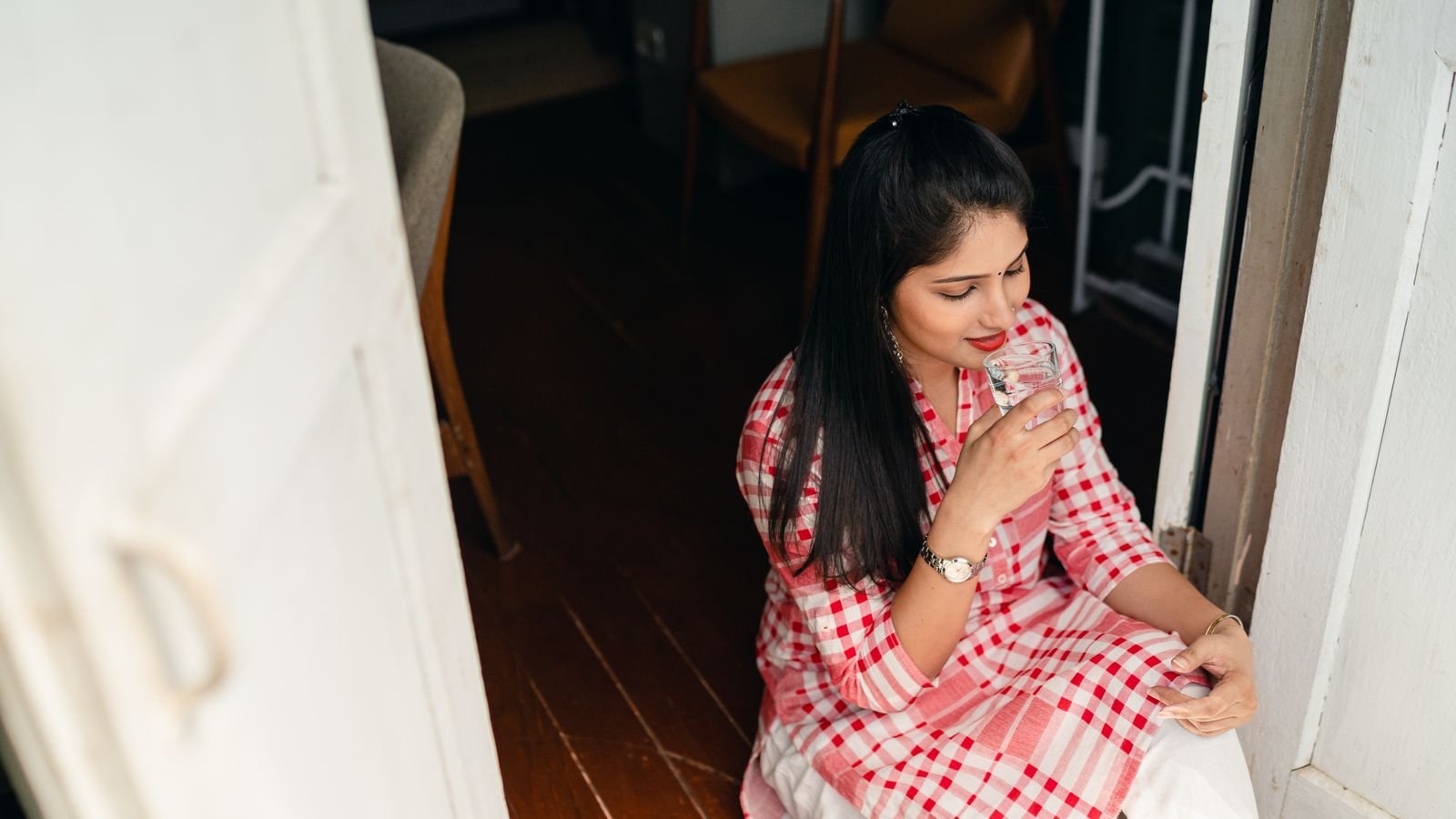
Drinking water in winter slips down the list for most of us. That’s not laziness: a University of New Hampshire study found that cold weather can cut your sense of thirst by up to 40%, even when your body still needs the fluid. So the bottle on your desk stays full till evening, and the only things you drink all day are three cups of chai.
The fix isn’t forcing down litres. It’s knowing a rough daily target, counting the right drinks, and using one free check that beats any app. That check is in section 4.
⚡ Key takeaways
- ICMR-NIN’s 2024 dietary guidelines say a healthy adult needs about 8 glasses (roughly 2 litres) a day, counting water and other beverages.
- Europe’s food safety agency (EFSA) sets total water at 2.0 litres for women and 2.5 litres for men, with about a fifth usually coming from food.
- Cold can blunt thirst by up to 40%, so in winter “drink when thirsty” falls short for many people.
- Tea, coffee and milk count towards your fluids, but ICMR caps caffeine at 300 mg a day.
- Pale yellow pee means you’re drinking enough. Dark yellow means drink more.
Why You Feel Less Thirsty in Winter
This one surprised me when I read the research. Your body isn’t asking for less water in the cold. It’s just worse at telling you.
Robert Kenefick, a kinesiology professor at the University of New Hampshire, published the work in Medicine & Science in Sports & Exercise. Here’s what the university’s release explains. In the cold, blood vessels in your hands and feet narrow to hold on to heat. That pushes more blood towards your core.
Your brain reads that as “plenty of fluid on board”. It releases less of the hormone that tells the kidneys to save water, and your urge to drink weakens. Kenefick’s team measured the drop in thirst at up to 40%. As he put it, people just don’t feel as thirsty when it’s cold.
Now add Indian winter habits. You’re bundled in a shawl, sitting in a closed room, sipping hot chai instead of chilled water. Nobody reaches for a steel glass of cold water from the matka in December.

How Much Water You Actually Need Each Day in Winter
There’s no single magic number, and the big health bodies phrase it differently. Here’s what each one says.
| Source | Daily guide | What it includes |
|---|---|---|
| ICMR-NIN Dietary Guidelines for Indians (2024) | About 8 glasses, roughly 2 litres | Water plus other beverages |
| EFSA (European Food Safety Authority) | 2.0 L women, 2.5 L men | Total water, about 20% from food |
| NHS (UK) | 6 to 8 cups or glasses of fluid | Water, lower-fat milk, tea and coffee |
The ICMR figure comes from the 2024 guidelines as reported by ETV Bharat and India.com. The guideline adds that you need more in hot weather or during hard physical work, because of sweat.
The EFSA numbers come with a useful detail: they’re total water, from drinks and food together. A hydration FAQ from the University of Las Palmas research centre explains that food typically provides about 20% of what we need, and up to 50% depending on what you eat. So dal, sabzi, rice and fruit are quietly doing part of the job.
My take on the number
My rule for drinking water in winter is simple. If you’re a healthy adult who sits indoors most of the day, treat 2 litres of total fluid as the floor. That’s about eight steel tumblers. If you walk to work, play sport or do physical work, add more.
You don’t need to hit an exact number. Your pee colour (section 4) tells you whether you’re close.
💡 Pro tip
Count in glasses, not litres. ICMR’s 8 glasses for about 2 litres works out to roughly 250 ml a glass, a regular steel tumbler filled close to the top. It’s far easier to track “four by lunch, four after” than millilitres.
 Also readHow Many Cups of Chai a Day? ICMR’s Limit, Worked Out
Does Chai Count? What Goes Towards Your Total
Good news for every chai lover: yes, it counts.
The NHS says water, lower-fat milk and lower-sugar drinks, including tea and coffee, all count towards your daily fluids. ICMR-NIN also lists buttermilk as an excellent alternative to fizzy drinks and calls tender coconut water a good hydrating drink, per ETV Bharat’s report on the guidelines.
The catch with chai and coffee is caffeine, not water. ICMR’s limit is 300 mg of caffeine a day, which works out to about four strong cups of chai if you’re not also drinking coffee. Our chai cups guide has the full maths.
| Drink | Counts as fluid? | Watch out for |
|---|---|---|
| Plain water (warm or room temperature) | Yes | Nothing |
| Chai or coffee | Yes | Caffeine (300 mg/day cap) and sugar |
| Milk, haldi doodh | Yes | Calories if full-fat and sweetened |
| Buttermilk (chaas) | Yes | Added salt |
| Soups, rasam, dal | Yes, partly | Salt in packet soups |
| Fresh fruit juice | Yes | Sugar; NHS suggests one 150 ml glass a day, with a meal |
| Cola and packaged soft drinks | Technically | ICMR says they’re no substitute for water |
ICMR also says fresh juice can’t replace whole fruit, because you lose the fibre. Eat the orange; don’t just drink it.
The Pee Colour Check: Your Free Hydration Test
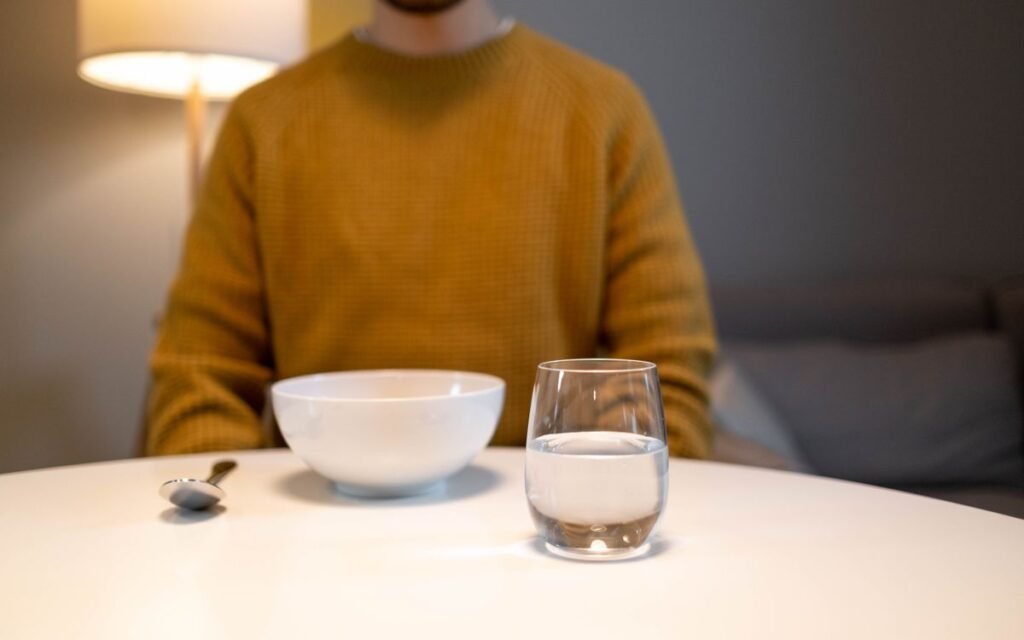
This is the check I promised at the top, and it’s the one the NHS itself recommends. It costs nothing.
The NHS water and drinks page says you should drink enough during the day for your pee to be a clear, pale yellow. That’s the target.
Here’s how to read it:
- Pale yellow, like nimbu paani: you’re doing fine.
- Dark yellow and strong-smelling: the NHS dehydration page lists this among the early signs. Drink a glass or two now.
- You’re peeing less often than usual: another sign the NHS lists.
Judge by how it looks across the day, not by one trip. A quick look in the afternoon tells you more than the first one at 7 am.
⚠️ Watch out
Other signs the NHS lists include feeling thirsty, a dry mouth, headache, tiredness and feeling dizzy or light-headed. If these don’t settle after drinking, or you feel unwell, speak to a doctor instead of just drinking more.
Who Needs to Be Careful About Drinking Water in Winter
Some people slip into low fluid intake more easily, and in a joint family you probably live with at least one of them.
The NHS says babies, children and older adults are more at risk of dehydration. Grandparents often drink little in winter to avoid getting up at night for the bathroom, and many simply don’t feel thirsty. That’s where you can help.
The NHS also suggests a few practical ways to help someone you care for:
- Offer a drink with every meal, not just when they ask.
- Make it social: a cup together in the afternoon works better than a reminder.
- Serve foods with lots of water in them, such as soup or melon.
Children are another group. A school bottle that comes back full every day in December is worth a word with your child. Warm water in a steel flask often goes down easier than cold water in a plastic bottle.
People with diabetes, heart or kidney conditions, or anyone told to limit fluids, should follow their own doctor’s advice rather than any general target. The ICMR guidelines specifically say people prone to high potassium due to kidney or heart disease should avoid coconut water.
Simple Habits for Drinking Water in Winter
Small changes that fit an Indian winter routine work better than a hydration app or a smart bottle.
- Start with one glass of warm water before your first chai. It’s easier to drink warm water when the room is cold.
- Keep a steel flask of warm water on your desk. Cold water from the fridge is the main reason people stop drinking in December.
- Tie a glass to things you already do: after brushing, before each meal, when you come home.
- Add a soup or rasam at dinner. Tomato soup, palak soup or a bowl of thin dal adds fluid with your meal.
- Eat fruit in season. Oranges, guavas and other winter fruit come with water and fibre, which juice doesn’t.
- Swap one cup of chai for jeera or ajwain water if you’re near the caffeine cap. It’s a warm drink without the caffeine.
- Front-load your day. Drink most of your water before 7 pm so you’re not up at 3 am.
If you’re stuck at a desk all day, pair this with a short walk every hour. Getting up to refill your glass is a built-in reminder to move.
 Also readSitting All Day? Why 1 Hour at the Gym Doesn’t Fully Cancel It
Can You Drink Too Much Water?
Yes, though it’s rare in daily life. Overdoing it is not the goal of this post.
Reporting on the ICMR-NIN guidance, Telangana Today quoted senior doctors warning against forcing water. Pushing in large amounts can cause over-hydration and low sodium in the blood. The same report quotes Hyderabad neurologist Dr Sudhir Kumar saying there’s no scientific evidence for a strict eight-glasses rule for everyone.
The sensible middle ground:
- Spread your drinks through the day instead of downing a litre at once.
- Use pee colour as your guide. Completely clear all day, with frequent trips, can mean you’re overdoing it.
- Don’t chase viral “4 litres a day” challenges. Your needs depend on your body, your work and the weather.
The goal with drinking water in winter is steady, boring hydration. A glass here and there, every day, all winter.
✅ Our verdict
For most healthy adults, aim for about 2 litres of total fluid a day in winter (eight steel tumblers), and count chai, milk, soup and buttermilk towards it. Don’t wait for thirst, because cold weather dulls it. Check your pee colour once in the afternoon, and if it’s dark yellow, drink a glass.
Frequently Asked Questions
Do we need less water in winter?
Not by much, if at all. You sweat less, but cold can cut your thirst by up to 40%, so most people end up drinking less than they need. The daily guide of about 2 litres of total fluid still applies.
Is warm water better than cold water in winter?
For hydration, both count the same. Warm water is easier to drink when it’s cold, so if it helps you drink more, use it.
Does tea or coffee dehydrate you?
The NHS counts tea and coffee towards your daily fluids. The limit to watch is caffeine: ICMR’s cap is 300 mg a day, roughly four strong cups of chai.
How do I know if I’m drinking enough water?
Check your pee. A clear, pale yellow colour means you’re drinking enough, according to the NHS. Dark yellow, strong-smelling pee is an early sign you need more.
How many glasses of water should elderly people drink in winter?
There’s no separate number for older adults in the sources here, but the NHS says they’re more at risk of dehydration. Offer drinks with every meal and watch for dark pee. Anyone on fluid limits should follow their doctor’s advice.
The Bottom Line
Winter doesn’t switch off your need for water. It mostly switches off your thirst. Aim for about 2 litres of total fluid a day, count your chai and soup, and use the pee colour check instead of waiting to feel thirsty.
Tonight, fill a steel flask with warm water and put it where you sit tomorrow. That one habit does most of the work.
This article is for information only and is not medical advice. If you have a health condition or have been told to limit fluids, consult a doctor about how much you should drink.
Keep reading

 Read nextWinter Dry Skin: The Hot-Water Bath Habit Making It Worse
 Read nextWalking After Meals: What a 10-Minute Walk Does for Your Body
Sources
- UNH via Newswise: why we feel less thirsty in the cold (Kenefick, up to 40%)
- NHS: water, drinks and your health (6 to 8 glasses, what counts, pale yellow pee, 150 ml juice)
- NHS: dehydration signs and who is at risk
- ETV Bharat: ICMR-NIN 2024 guidelines on water, soft drinks, buttermilk, coconut water
- India.com: ICMR guideline of about 8 glasses (2 litres) including beverages
- CIEAH, University of Las Palmas: hydration FAQ (EFSA 2.0 L women / 2.5 L men total water, about 20% from food)
- Telangana Today: the 8×8 water rule and over-hydration warning (Jan 2026)