
Ginger in winter does make you feel warm, and there’s a small study showing it nudges up the calories your body burns after a meal. But the effect is tiny, and the most famous claim of all, that adrak cures a cold, has no good human evidence behind it.
That doesn’t mean your adrak chai is useless. Ginger has one benefit that research backs fairly well, and it isn’t the one most of us drink it for. There’s also a group of people who should be careful with daily ginger, and I’ll get to them in section 5.
⚡ Key takeaways
- “Keeps you warm”: a 10-man pilot study found a 2 g ginger drink raised the thermic effect of a meal by about 43 kcal a day. Real, but small.
- Cures a cold: no good human trials. NHS cold advice doesn’t mention ginger at all. Lab studies are interesting but don’t prove it prevents or treats colds.
- Best-backed use: nausea, especially pregnancy nausea, per NCCIH and a 12-trial review. Ask your doctor first if you’re pregnant.
- Go easy if: you take blood thinners, get heartburn, or have gallstones or a surgery coming up.
- The real catch in adrak chai: the sugar, not the ginger.
Why Adrak Is Everywhere in an Indian Winter
The first cold morning in north India and the tapri chai suddenly has more adrak in it. At home, someone grates ginger into the dal tadka, someone else makes sonth (dry ginger) laddoos, and a grandmother insists on ginger and honey the moment anyone sneezes.
Most of this is about taste and comfort, and that’s fine. Ginger’s sharp bite comes from compounds called gingerols (and shogaols in dried ginger). Lab work by researchers at the Technical University of Munich showed that the gingerol that reaches your blood acts on a receptor called TRPV1, the same family of receptors chilli’s capsaicin acts on. That’s one reason a strong adrak chai feels “hot” in the throat.
But feeling warm and getting a measurable health effect are two different things. Below are the four claims I hear most often, each checked against what studies found.
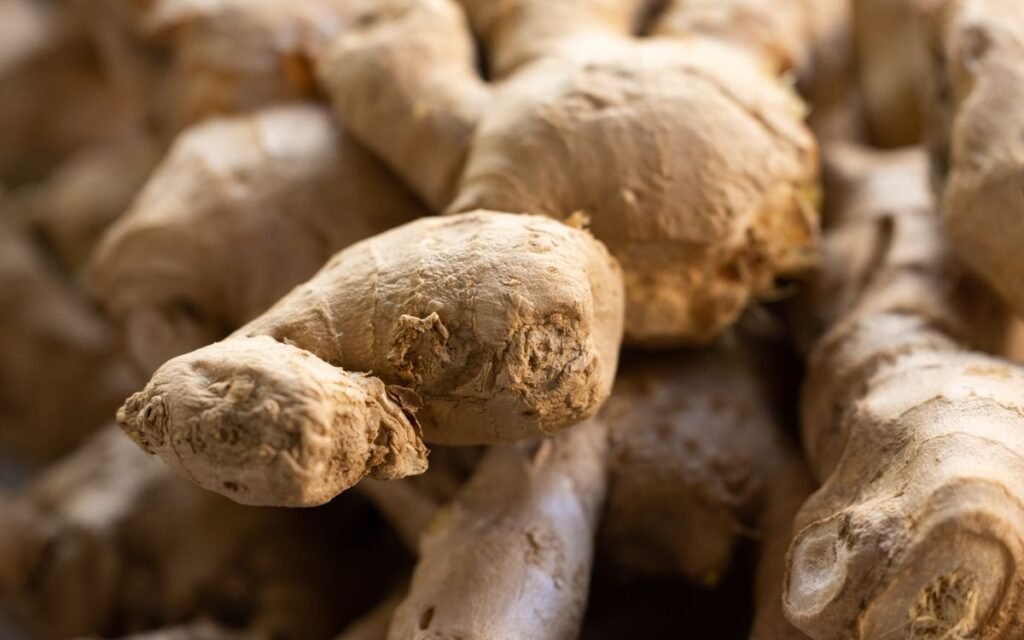
Claim 1: Ginger Warms Your Body From Inside
Partly true. A 2012 pilot study from Columbia University, published in the journal Metabolism, gave 10 overweight men breakfast either with or without a hot drink containing 2 g of ginger powder. It was a randomised crossover trial, so each man tried both versions.
What the study found
- The thermic effect of food (heat your body makes digesting a meal) was higher with ginger, by about 43 kcal a day.
- Total resting energy expenditure did not change in a statistically meaningful way.
- The men reported less hunger and more fullness after the ginger drink.
- There was no effect on blood sugar, insulin, cholesterol or inflammation markers in that short test.
So yes, ginger slightly raised the heat from digesting a meal. But 43 kcal is roughly one small biscuit, the study had only 10 men, and the authors themselves called for more studies.
💡 Pro tip
If you feel colder than others all winter, adrak won’t fix that. Layers, warm socks at night and enough food will do more. Our post on sleeping with socks on explains what the research says about warm feet and falling asleep.

Claim 2: Adrak Cures a Cold (or Stops You Catching One)
The big one. Short answer: no, not on current evidence.
The US National Center for Complementary and Integrative Health (NCCIH) lists what research shows for ginger, and colds simply aren’t on its list. Memorial Sloan Kettering’s integrative medicine database goes a step further: for respiratory ailments, it says human studies are lacking. The only cold-related findings it lists are lab results, such as fresh ginger showing activity against a respiratory virus in cell cultures.
What about the “ginger boosts immunity” headlines?
That 2023 Munich study found that after people drank about one litre of ginger tea, gingerol levels in their blood were enough to make white blood cells react about 30% more strongly, but only in lab tests on those cells. The researchers said many questions remain unanswered. It’s a nice finding about how ginger works. It is not proof that adrak chai keeps colds away.
What the NHS says to do for a cold
The NHS advises rest, plenty of fluids and healthy food, and suggests a hot lemon and honey drink for a sore throat. It says most people feel better in about 1 to 2 weeks. Ginger isn’t mentioned. (Never give honey to a baby under 12 months.)
⚠️ Watch out
If adrak and honey make your throat feel better, enjoy it. Just don’t skip a doctor because of it. The NHS says to get advice if cold symptoms don’t improve after 10 days, a high temperature lasts more than 3 days, or a cough lasts more than 3 weeks.
Our guava and the vitamin C myth post covers the other popular “cold cure” from the winter fruit cart.
Claim 3: Ginger Helps Digestion After Heavy Winter Food
Partly true, with a big “it depends”. Winter means gajar halwa, parathas with white butter and late wedding dinners, so this claim matters to a lot of us.
| Claim | What a study found | How strong is it? |
|---|---|---|
| Ginger speeds up stomach emptying | 24 healthy adults, 1,200 mg ginger capsules: stomach half-emptied in about 13 min vs 27 min on placebo (Wu 2008) | One small study; no change in how people felt |
| Ginger eases indigestion | MSK: mechanisms described, but human trial data lacking | Weak |
| Ginger makes you less hungry | Mansour 2012: less hunger, more fullness after 2 g | One 10-person pilot |
| Ginger causes heartburn | NCCIH lists heartburn and abdominal discomfort as side effects | Known side effect |
Notice the last row. The same spice people take for a “heavy stomach” can cause heartburn in some people. If adrak chai on an empty stomach gives you a burning feeling, that’s your answer.
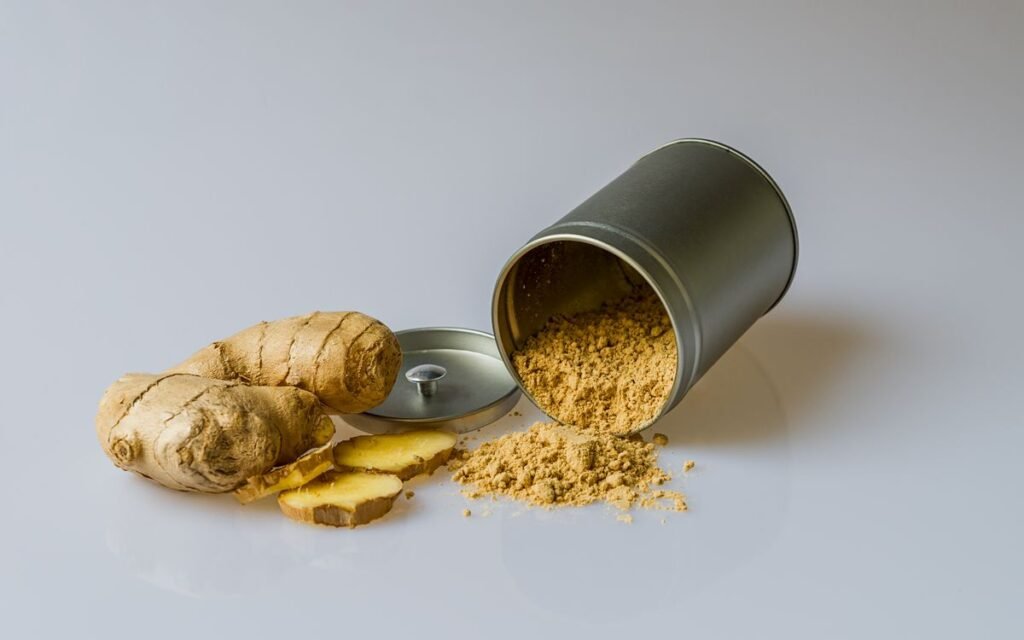
Also keep in mind that the 1,200 mg in that study came in capsules. A cup of homemade adrak chai has no fixed dose at all. It depends on how much you grate in and how long it boils.
Claim 4: Ginger Helps With Nausea (This One Holds Up)
Of everything people say about adrak, this is the claim with the best evidence. Funny thing: hardly anyone drinks adrak chai for it.
NCCIH says research shows ginger may be helpful for nausea and vomiting of pregnancy. A 2014 systematic review in Nutrition Journal pooled 12 randomised trials with 1,278 pregnant women:
- Ginger improved nausea compared with placebo.
- It did not significantly reduce the number of vomiting episodes, though there was a trend.
- It didn’t show a higher risk of miscarriage, heartburn or drowsiness compared with placebo.
- Lower doses (under 1,500 mg a day) seemed to work better for nausea.
The authors also noted the evidence was low quality and the trials were small. And other uses are shakier: NCCIH says most studies found ginger didn’t help motion sickness, and it’s uncertain whether it adds anything for nausea after chemotherapy or surgery.
💡 Pro tip
If you’re pregnant and thinking of ginger for morning sickness, ask your gynaecologist first. NCCIH says ginger supplements in pregnancy may be safe but advises checking with a provider, and says little is known about safety while breastfeeding.
 Also readGuava in Winter: 4 Times the Vitamin C of an Orange
Who Should Go Easy on Ginger
Ginger in food is safe for most people. But a strong daily habit, or ginger shots and supplements, isn’t right for everyone. Memorial Sloan Kettering lists these cautions:
- People on blood thinners (warfarin and similar anticoagulants) and long-term painkillers like ibuprofen or diclofenac: ginger may add to bleeding risk. MSK notes the evidence is inconclusive but lists case reports, mostly in older adults on several medicines.
- People with a bleeding disorder, or anyone with surgery coming up: MSK advises stopping supplements 2 weeks before surgery.
- People with gallstones.
- People on diabetes medicines or insulin: blood sugar may drop more, though MSK says the clinical relevance isn’t known.
- People who get heartburn: NCCIH lists heartburn, stomach discomfort, diarrhoea and mouth or throat irritation as side effects.
This matters in Indian homes because the person most likely to drink four cups of strong adrak chai a day is often a parent or grandparent who also takes a blood thinner or diabetes tablets. If that’s your family, mention the ginger habit at their next check-up.
How Much Ginger Makes Sense in Food
There’s no official daily target for ginger, and I couldn’t find a trustworthy one for food use. What we do know is what the studies used:
| Study | Amount | Form |
|---|---|---|
| Mansour 2012 (warmth, hunger) | 2 g | Ginger powder in hot water |
| Wu 2008 (stomach emptying) | 1.2 g | Capsules |
| Viljoen 2014 review (pregnancy nausea) | Under 1.5 g a day seemed better | Mostly capsules |
| Munich study (blood levels) | About 1 litre | Ginger tea |
So the research used about 1 to 2 g of dried ginger, not spoonfuls of it. In everyday cooking, the ginger in your dal, sabzi and a cup or two of adrak chai is a normal food amount. Ginger shots, concentrated “kadha” taken several times a day, and supplements are where the cautions in the last section matter most.
The real catch: the sugar in adrak chai
The ginger in your chai isn’t the problem. The two spoons of sugar are. WHO says free sugars should stay below 10% of daily energy, which is about 50 g, or roughly 12 level teaspoons, for an adult eating about 2,000 calories. Four cups of chai with two teaspoons each already uses up 8 of those.
Try cutting one teaspoon per cup and letting the ginger carry the flavour. Our guide on how many cups of chai a day does the full maths on caffeine and sugar, and if you’re vegetarian, see why chai timing matters for iron.
Our Verdict on Ginger in Winter
✅ Our verdict
Keep adrak in your winter food and chai because you like it, not because it will stop a cold. It makes a meal feel warming, may slightly blunt hunger, and has fair evidence for nausea. Skip the ginger shots and supplements if you take blood thinners or diabetes medicines, and watch the sugar in your adrak chai.
My honest take: ginger is one of those kitchen staples where the tradition is half right. The “warming” part has a sliver of science behind it. The “cures colds” part doesn’t. And the benefit with the best evidence, nausea, is the one nobody’s grandmother brings up in December.
This article is for information only and is not medical advice. Please consult a doctor before using ginger for any health condition, during pregnancy, or if you take regular medicines.
Frequently Asked Questions
Is it good to eat ginger in winter?
Yes, for most people, as part of normal food. It adds flavour and a warming feel, and a small study found it slightly raised the heat your body makes digesting a meal. It won’t protect you from colds, so keep the usual habits like hand-washing and enough sleep.
Does ginger tea help with a cold?
There’s no good human evidence that it treats or prevents a cold. A warm drink can soothe a sore throat, and the NHS suggests hot lemon with honey for that. See a doctor if symptoms last beyond 10 days or a high fever lasts more than 3 days.
Is ginger hot or cold for the body?
In terms of research, ginger slightly raised the thermic effect of a meal in one 10-person study, about 43 kcal a day. It also acts on the same heat-sensing receptor family as chilli, which is why it tastes “hot”. The effect on body temperature you’d notice is small.
Can I drink adrak chai every day?
For most healthy adults, a cup or two a day is a normal food habit. The bigger issue is sugar: WHO advises keeping free sugars under about 12 teaspoons a day. If you take blood thinners, diabetes medicines or get heartburn, check with your doctor.
Is dry ginger (sonth) different from fresh ginger?
Drying turns some gingerols into shogaols, which lab work found act more strongly on the TRPV1 receptor. Many studies used dried ginger powder in capsules. In cooking, use either; there’s no strong evidence one is healthier for winter.
The Bottom Line
Ginger in winter is a comfort food with a small, real warming effect, decent evidence for nausea and no good evidence for curing colds. Enjoy it in food and chai, go easy on concentrated shots if you take regular medicines, and cut the sugar before you worry about the adrak.
Next step: tonight, make your adrak chai with one spoon of sugar less, and if a parent takes blood thinners, ask their doctor about their daily ginger habit.
Keep reading
Read nextHaldi Doodh in Winter: What the Research Actually Says Read nextCurd in Winter: Does Dahi Really Give You a Cold?
 Read nextTil in Winter: How Much a Day, and Which Kind Has the Calcium
Sources
- NCCIH: Ginger (pregnancy nausea, motion sickness, chemotherapy, side effects, pregnancy and breastfeeding)
- Mansour et al., Metabolism 2012: ginger drink, thermic effect of food and satiety in 10 overweight men (PubMed)
- Viljoen et al., Nutrition Journal 2014: 12 trials, 1,278 pregnant women, ginger for nausea (PubMed)
- Wu et al., Eur J Gastroenterol Hepatol 2008: ginger and gastric emptying in 24 healthy adults (PubMed)
- Memorial Sloan Kettering: Ginger (evidence, side effects, drug interactions, surgery and gallstone cautions)
- ScienceDaily / Leibniz-LSB@TUM 2023: gingerol in blood after ginger tea and white blood cells in lab tests
- NHS: Common cold (treatment, hot lemon and honey, when to get advice)
- WHO: Healthy diet fact sheet (free sugars under 10%, about 50 g or 12 teaspoons)