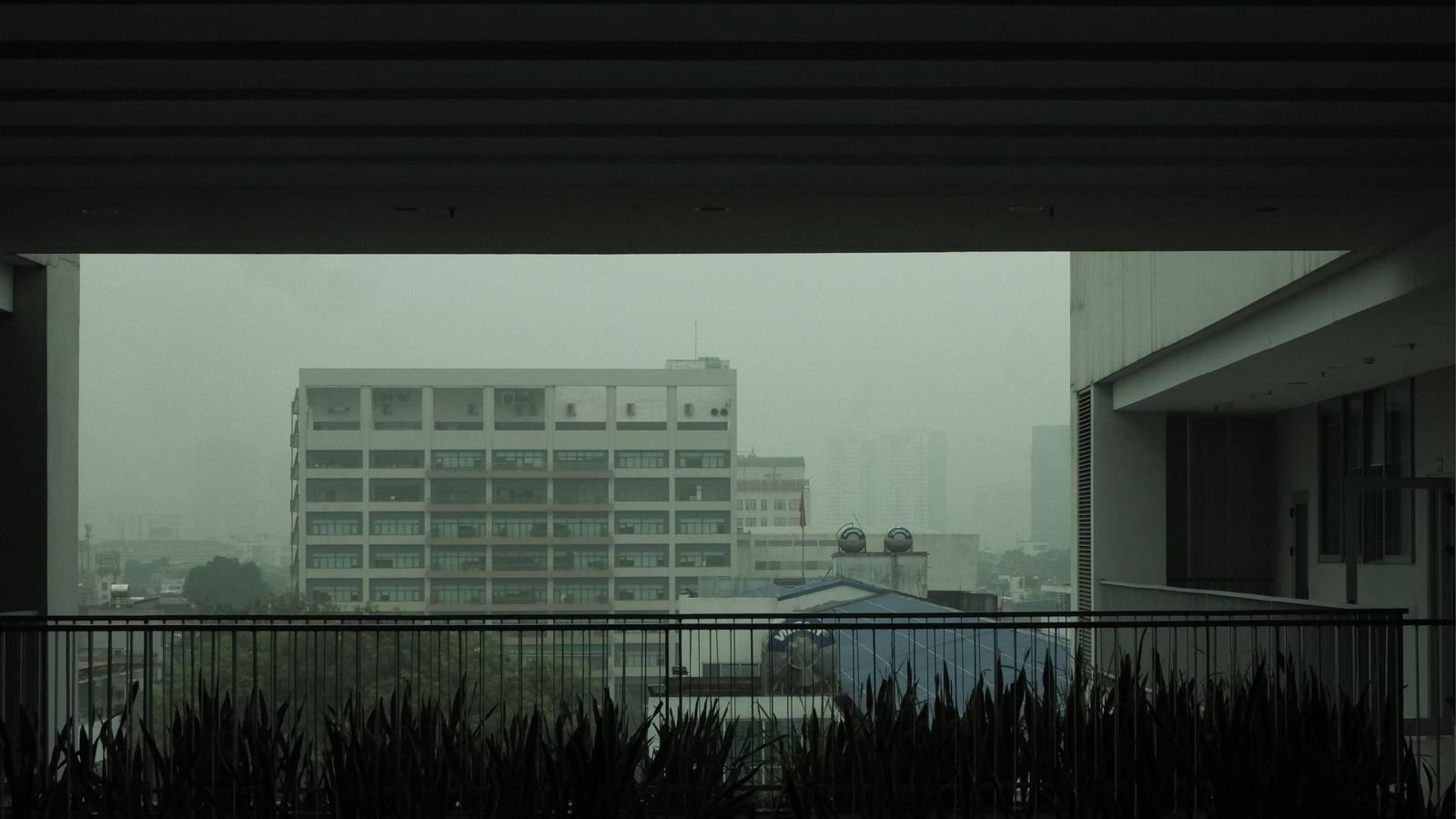
On bad-air days, keep your windows shut during the worst hours and open them briefly only when the AQI improves. That’s the short answer to whether you should open windows in pollution, and it’s what the US EPA advises for smoke days: seal one room, clean the air inside it, and ventilate when the outdoor air gets better, even for a short while.
Delhi woke up to an AQI of 368 on Monday morning, the day after Diwali, and forecasters expect “severe” air for the next few days. But shutting every window can backfire. Section 4 explains why, and it’s about what happens in your own kitchen.
⚡ Key takeaways
- Delhi’s AQI was 368 at 7 am on 9 November, with Sonia Vihar at 463 and Jahangirpuri at 450; the early warning system expects “severe” air for a few days.
- Keep windows shut while outdoor AQI is high. Air out the house briefly when it improves, and run kitchen and bathroom exhaust fans then.
- Make one “clean room”: windows and doors shut, a purifier on high, AC on recirculate, and nobody frying, vacuuming or lighting agarbatti in it.
- Shut windows trap indoor smoke. A Delhi study found indoor PM2.5 in thousands of homes was more than 20 times the WHO guideline.
- Skip this post’s steps only if you live somewhere with clean air today. Check your city’s AQI first.
Delhi’s Air the Morning After Diwali
The numbers are bad, but not a surprise. Business Today reported Delhi’s AQI at 368 at 7 am on Monday, 9 November, in the “very poor” band. Of 59 stations that reported at 10 pm on Diwali night, 20 were already “severe”.
India TV’s 6:30 am reading listed Vivek Vihar at 441, Jahangirpuri at 439 and Rohini at 435. ITO had touched 406 at 4:20 am. GRAP Stage 3 is in force across Delhi-NCR, so dusty construction is restricted, older diesel and petrol cars are barred, and schools up to Class 5 run in hybrid mode.
The bigger worry is what comes next. The Air Quality Early Warning System expects Delhi to stay in the “severe” band for the next few days, Business Today reports, with low wind and poor ventilation keeping the smoke in place. So this isn’t a one-day problem. It’s a week to plan your home around.
Should You Open Windows in Pollution? The Short Answer
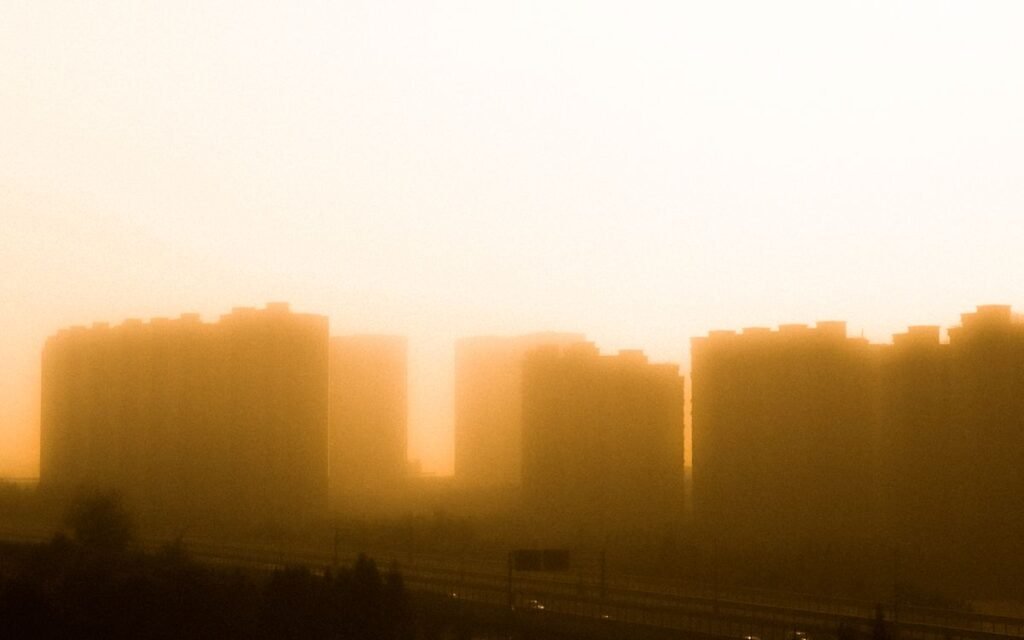
Keep them shut while the outdoor AQI is high. Open them when it improves. That’s it, and it’s the same rule the US EPA gives for wildfire smoke, which is the closest well-studied cousin of our winter smog.
The EPA’s advice has two halves people tend to forget:
- Close windows and doors in the room you’ll spend most time in, without blocking your way out.
- When air quality improves, even briefly, open the windows or fresh-air intake and run kitchen and bathroom exhaust fans to refresh the indoor air.
That second half matters. A house sealed for a week fills up with cooking smoke, dust and whatever the agarbatti left behind. Airing it out for a short spell when outdoor AQI dips is part of the plan, not a mistake.
💡 Pro tip
Don’t guess when the air is better. Keep your AQI app open and watch the hourly number for your nearest station, not the city average. Our guide on why AQI apps show different numbers explains which reading to trust.
 Also readWhy AQI Apps Show Different Numbers (and Which One to Trust)
Set Up One Clean Room in 15 Minutes
You don’t need to purify the whole flat. The EPA’s method is to pick one room and make it the cleanest place in the house. For most Indian families, that’s the bedroom where the kids and grandparents sleep.
| Step | What to do | Why |
|---|---|---|
| Pick the room | One that fits everyone, ideally with an attached bathroom | You can stay in it for long stretches |
| Seal it | Shut windows and doors; use the room’s exhaust fan only briefly | Exhausts can pull smoky air in from elsewhere |
| Cool it | Fans, or AC on recirculate with the fresh-air setting off | Outside air stays outside |
| Clean the air | Purifier on its highest setting, all the time | Filters the particles that still get in |
| Keep it clean | No frying, agarbatti, candles, smoking or vacuuming inside | These add particles faster than a purifier removes them |
| Dust smart | Wipe and mop with a damp cloth | Dry dusting puts settled dust back in the air |
Size matters with the purifier. A small one in a big hall does very little; our air purifier guide shows how to match the CADR number to your room. The EPA also says to pick a model that doesn’t produce ozone.
No purifier? The EPA mentions a do-it-yourself box fan with a filter as a temporary option, using a newer fan with a safety marking. It’s a stopgap, not a replacement.
The Catch: Shut Windows Trap Your Own Smoke
⚠️ Watch out
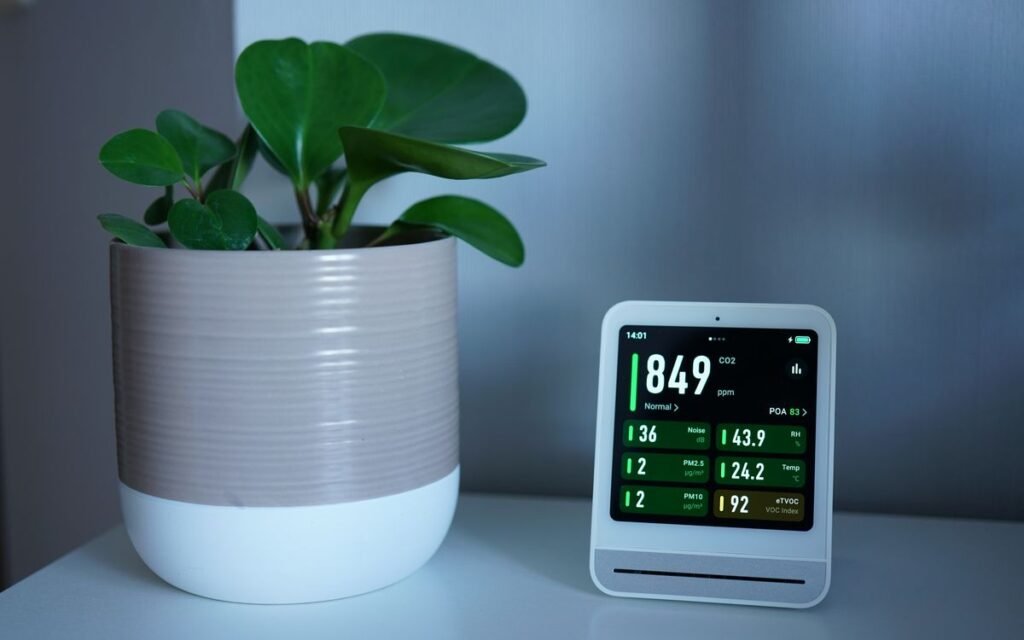
Closing windows keeps outdoor smog out, but it also keeps indoor smoke in. Frying, tadka, agarbatti, mosquito coils, candles and dry sweeping all add fine particles. With the windows shut, they have nowhere to go.
This is the trap from the top. Researchers from the University of Chicago put indoor air monitors in thousands of Delhi homes during the 2019-20 winter. Indoor PM2.5 was more than 20 times the WHO guideline, in rich and poor homes alike, and significantly higher than the nearest government outdoor monitors showed.
Richer homes were only about 10 percent cleaner inside. So money alone doesn’t fix it; habits do.
The EPA lists the indoor sources to avoid on smoke days: smoking, gas and wood stoves, aerosol sprays, frying or broiling, candles and incense, and vacuuming without a HEPA filter. In an Indian kitchen, that’s the evening tadka and the puja room. We covered the agarbatti numbers in our Diwali indoor air post; a single stick can put out far more fine dust than a candle.
Your Kitchen on a Severe AQI Day
You still have to cook. Here’s how to do it without filling the house with smoke while the windows are shut.
Cook smarter this week
- Steam, boil and pressure-cook more; fry and roast less. Dal, khichdi, idli and sabzi with a lid all make less smoke than puris or pakoras.
- Use the chimney or exhaust while you cook, then switch it off. The EPA’s point about exhausts pulling in outside air applies to long runs, not the 20 minutes you’re at the stove.
- Shut the kitchen door while you cook, so the smoke doesn’t drift into your clean room.
- Air the kitchen when outdoor AQI improves, with the window open and the exhaust on together.
Small things that add up
- Do the puja diya, but skip the dhoop and keep agarbatti to one stick, or none, for this week.
- Mop instead of using a jhadu, which sends fine dust back up.
- Leave shoes and dusty bags at the door.
📝 Note
None of this replaces a mask outdoors. If you have to step out, an N95 that fits well does far more than a cloth mask; see our N95 mask guide.
A 3-Day Plan for Smog Week
Since the forecast says the bad air will stay a few days, here’s a simple routine.
- Morning: check the AQI before opening anything. If your station is above 300, keep windows shut.
- Before breakfast: switch the purifier to high in the clean room, and leave the room door closed.
- Afternoon: when the hourly AQI drops noticeably, air the house for a short spell with the exhausts running, then shut up again.
- Evening: cook with lids, keep the kitchen door shut, no dhoop or coils.
- Night: sleep in the clean room. Keep the AC on recirculate if you use one.
- Before bed: mop the clean room with a damp cloth.
Move your exercise indoors for now, too. Our post on exercising in pollution covers how to time a walk, or skip it, when the AQI is this high.

Who Needs a Clean Room Most
Everyone breathes the same air, but some people in your house take it harder. Put these family members in the clean room first:
- Young children, who spend more time on the floor, where dust settles. Our school-day AQI guide covers the commute and classroom side.
- Grandparents, especially those with heart or lung conditions.
- Anyone with asthma, who should keep their usual inhalers handy and follow their doctor’s plan; see our asthma and smog post.
- Pregnant women.
If your eyes are itchy and watery, that’s common in smog; our eye irritation guide has simple fixes.
✅ Our verdict
Keep windows shut while the AQI is above 300 and open them only when it clearly improves, with the exhausts running. Put your effort into one clean room with a purifier and no smoke sources, rather than trying to purify the whole house. And cut indoor smoke this week: it’s the part you control.
This article is for information only and isn’t medical advice. If anyone at home has trouble breathing, chest pain or a worsening cough, consult a doctor.
Frequently Asked Questions
Should I open windows in pollution at all?
Yes, briefly, when the outdoor AQI improves. The US EPA advises keeping windows closed on smoky days but opening them, with exhaust fans on, whenever the air outside gets better, even for a short while.
Is indoor air cleaner than outdoor air in Delhi?
Not automatically. A University of Chicago study of thousands of Delhi homes found indoor PM2.5 more than 20 times the WHO guideline and higher than nearby outdoor monitors. Indoor smoke from cooking and incense adds to it.
Does AC clean the air from smog?
An AC on recirculate keeps outside air out, which helps. It isn’t a purifier. Pair it with a properly sized air purifier in the room and keep the fresh-air setting off.
Can I use the kitchen chimney when windows are closed?
Yes, while you cook. The EPA says to use exhaust fans only briefly on smoky days because they can pull outside air in, so switch it off once you’re done.
How long will Delhi’s air stay severe?
The Air Quality Early Warning System expected “severe” air from 9 November for a few days, Business Today reported. Weather decides it, so check the daily forecast.
The Bottom Line
The question isn’t really whether to open windows in pollution. It’s when. Shut them during the worst hours, set up one clean room, cut indoor smoke, and air the house when the AQI dips. Start with the room your kids or parents sleep in, tonight.
Keep reading
 Read nextAir Purifier for Home: The CADR Number That Matters for Your Room
 Read nextN95 Mask for Pollution: The AQI Number Where It Starts to Matter
 Read nextAgarbatti Smoke on Diwali Night: How to Keep Your Air Cleaner
Sources
- Business Today: Delhi AQI 368 at 7 am on 9 Nov 2026, severe forecast
- India TV: station readings and GRAP Stage 3, 9 Nov 2026
- US EPA: create a clean room to protect indoor air quality
- Greenstone, Lee and Sahai (BFI, 2021): indoor air quality in Delhi homes